Where New Mexico Lists Unit Harvest Statistics
Official New Mexico Department of Game and Fish unit harvest statistics reveal success rates, tag numbers, and herd health for hunters.
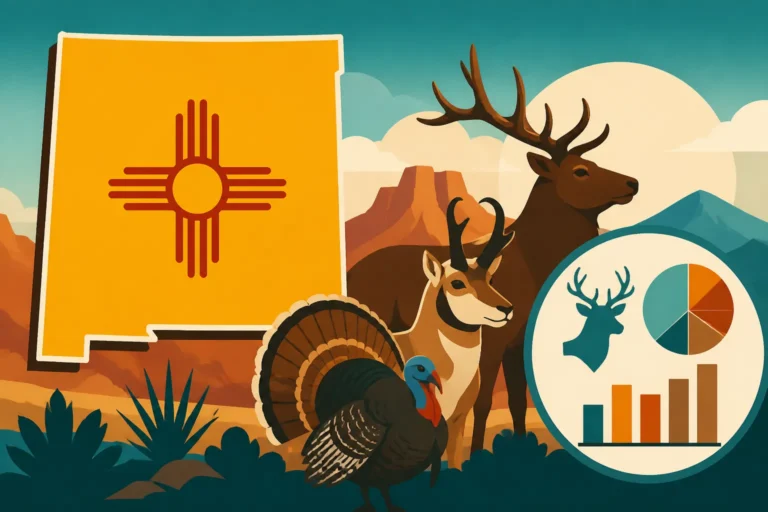
Official New Mexico Department of Game and Fish unit harvest statistics reveal success rates, tag numbers, and herd health for hunters.
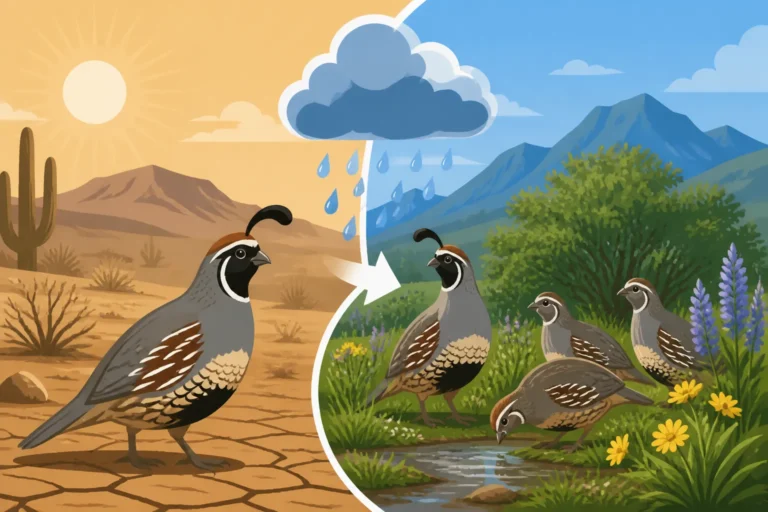
New Mexico quail population numbers and breeding success depend directly on winter and spring rainfall plus summer monsoons.
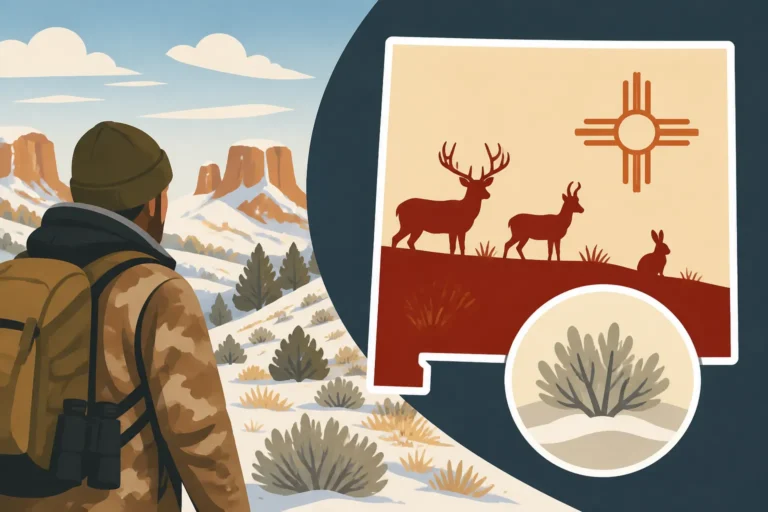
New Mexico winter range reports provide biological data on deer and elk survival, forage availability, and herd composition.

New Mexico elk herds and their habitats recover after wildfires, explaining displacement, habitat loss, and ecological benefits.
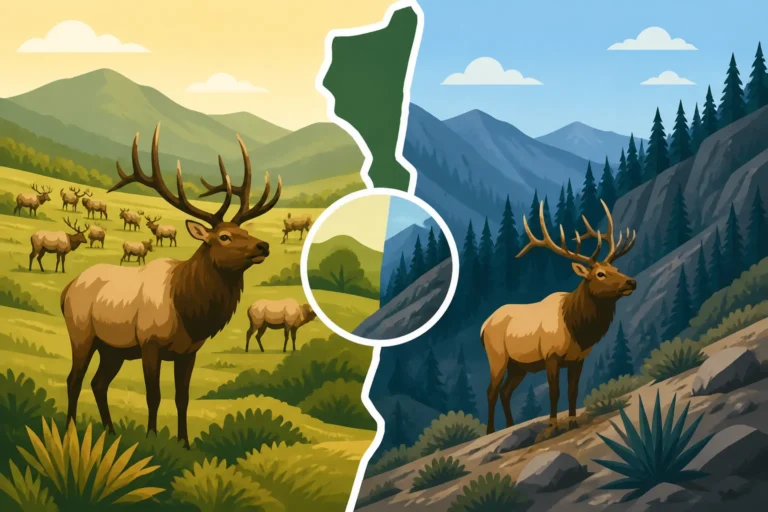
Elk populations in the Gila National Forest fluctuate due to elevation changes, seasonal weather shifts, and water sources.
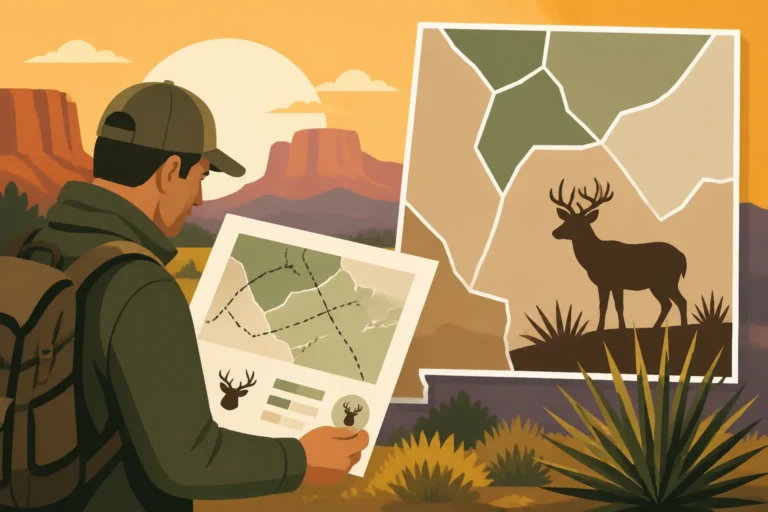
New Mexico herd unit management plans outline biological data, habitat conditions, and tag allocations set by wildlife biologists.
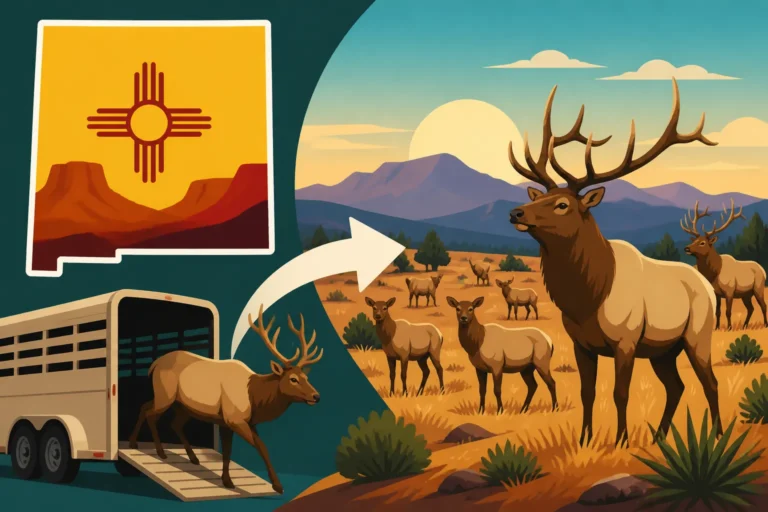
Wildlife transplant programs in New Mexico moved animals to re-establish historic big game herds following severe overhunting and habitat loss.
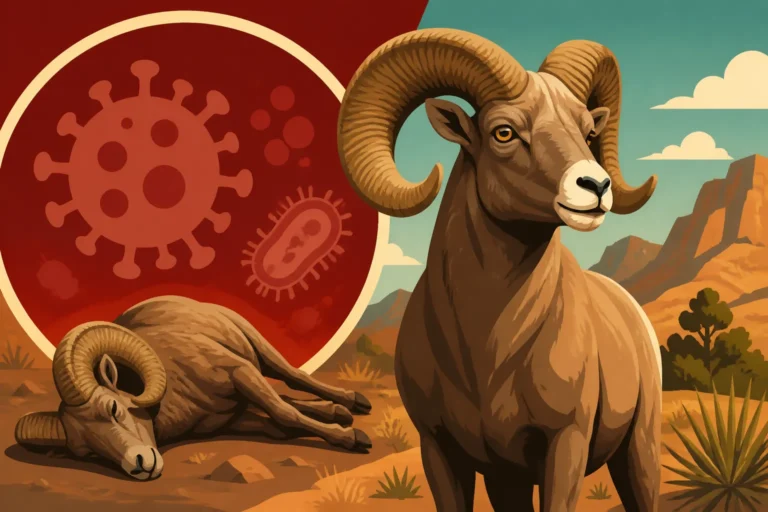
Bighorn sheep disease die-offs in New Mexico, primary pathogen causes, transmission pathways, and herd management efforts.
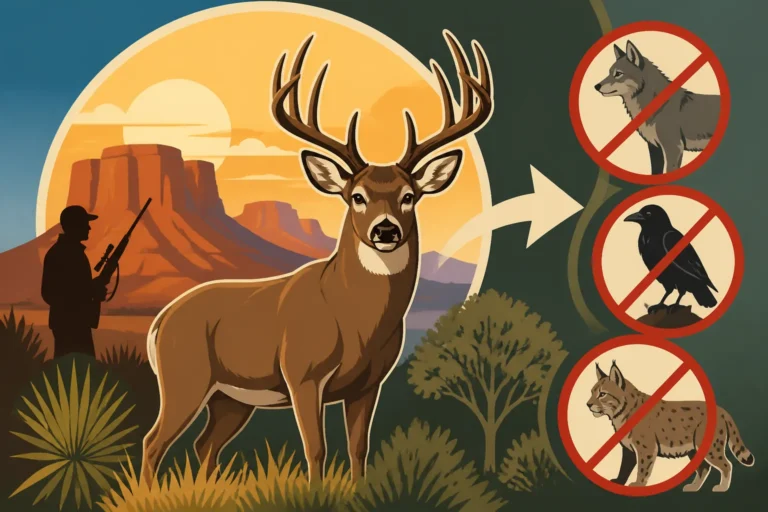
New Mexico predator management strategies and mountain lion, black bear, and coyote impacts on deer recovery across diverse landscapes.
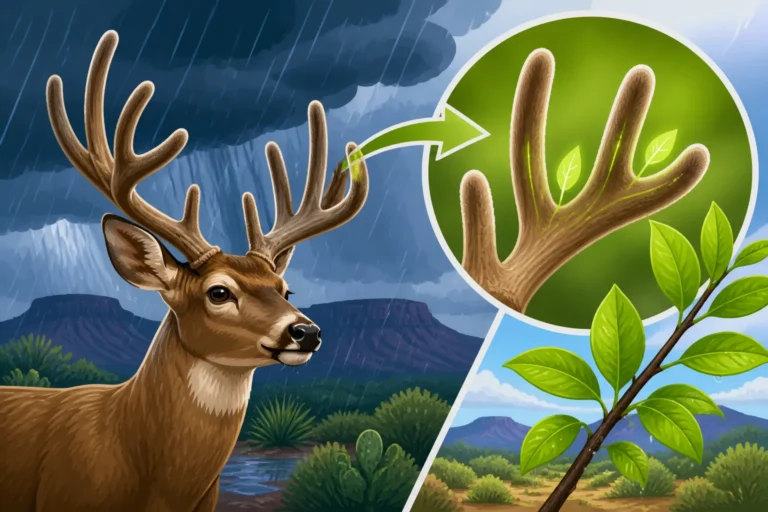
New Mexico monsoon rains and their timing provide the protein, calcium, and phosphorus that deer and elk need for antler growth.