New Mexico Bear Season Dates
Hunting bear in New Mexico can be one of the most exciting, yet frustrating, pursuits for any big game hunter. Unlike many other species where season dates are pretty straightforward, bear hunting in our state operates on a dynamic system of zones and quotas that can change on a dime, leaving even experienced hunters scratching their heads. This guide is here to untangle that complexity, helping you understand how bear season dates really work in New Mexico and how to stay on top of those critical closure notices.
Understanding New Mexico's Unique Bear Season Structure
It’s easy to look at the calendar and assume you know when you can hunt bear in New Mexico, but that’s rarely the full story. Our bear seasons are governed by a unique system designed to manage the population responsibly, which means fixed dates are only one piece of the puzzle. This can be a real headache if you’re trying to plan a trip months in advance, only to find out your chosen zone closed early!
Why Bear Seasons Operate Differently
The primary reason New Mexico's bear seasons are structured differently from, say, deer or elk, comes down to population management and the reproductive rates of bears. Black bears are slower to reproduce than deer, and over-harvesting females can have a much more significant impact on the overall population health. To prevent this, the New Mexico Department of Game and Fish (NMDGF) implements a system of Bear Management Zones (BMZs) each with specific harvest quotas. This ensures that hunting pressure is distributed and that local populations remain healthy. It’s a smart system, but it certainly puts the onus on the hunter to stay informed.
The Concept of Harvest Quotas and Zone Closures
Every single Bear Management Zone in New Mexico has a specific harvest quota. This quota isn't just a general number; it's broken down further into a total bear quota and, critically, a female bear quota. This distinction is vital because the season for a particular BMZ will close immediately once either the total bear quota OR the female bear quota is met. That’s right, if enough sows are harvested, your season could end prematurely, regardless of whether the overall quota has been reached. This is why it’s so important to know how New Mexico bear harvest limits work in practice. For instance, if you're in a zone with a female quota of 5 and that number is hit, the season is over, plain and simple. This can feel unfair if you’ve been scouting for weeks, but it's all part of the conservation effort.
Key Dates to Watch For
While quotas are the ultimate determinant, there are still traditional "opener" and "closer" dates listed in the annual hunting proclamation. These are the potential dates your season will run, provided quotas aren't met. Generally, archery and muzzleloader bear seasons tend to open earlier, often in August or early September, coinciding with other early big game seasons like deer or elk. The general "any legal weapon" rifle seasons for bear usually follow, running through September, October, and sometimes even into November or December in certain zones. You'll often see specific units lumped together into these Bear Management Zones, so it's not enough to just know your unit; you need to know its BMZ. Remember that these published dates are the maximum duration; actual season length is contingent on those harvest limits. This is why knowing when New Mexico bear applications close in February is only the first step – the real challenge is staying current during the season itself.
Navigating the Zones and Quotas
Successfully hunting bear in New Mexico isn't just about finding a bear; it's about successfully navigating the administrative side of things. Misunderstanding your zone or failing to check quotas can lead to a ruined hunt or, worse, a violation. This is where diligent planning and a commitment to real-time information truly pay off.
Identifying Your Bear Management Zone
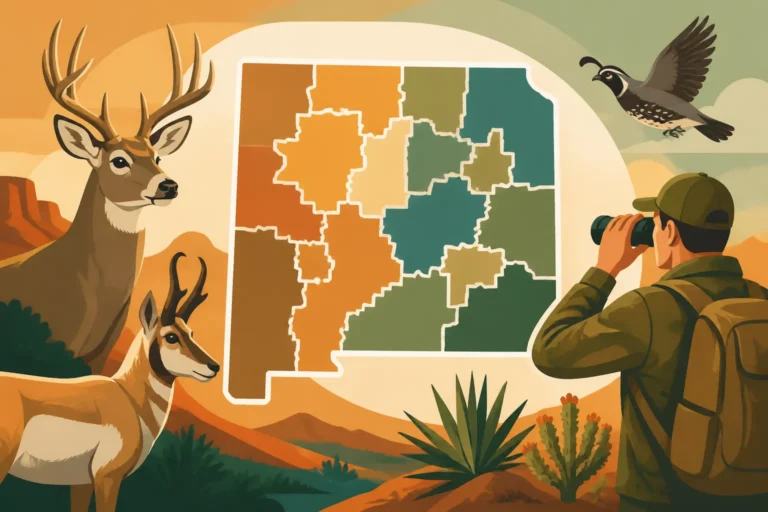
Before you even think about hitting the woods, you absolutely must know which Bear Management Zone your hunting unit falls into. New Mexico is divided into several of these zones, and each one has its own specific set of regulations and quotas. You’ll find this information clearly laid out in the official New Mexico Hunting Rules and Info Booklet. Don't assume your preferred elk or deer unit will automatically share the same bear zone name or rules. For example, some units known for their impressive elk herds might be part of a larger, more complex bear management zone. Always double-check the current year's proclamation, as these zones can occasionally be adjusted. This is a crucial step to avoid any confusion once you've picked up your bear tag.
How to Check Current Quota Status
This is the golden rule of New Mexico bear hunting: always check the quota status daily once the season is open in your chosen BMZ. The NMDGF maintains an online harvest reporting system and often a dedicated hotline. Tools like GoHunt or other reputable hunting apps and websites often pull this information directly from NMDGF, making it incredibly convenient to check from your phone while in camp or even on the move. When you are looking up the status, pay close attention to both the total bear harvest and, especially, the female bear harvest for your specific BMZ. If the female quota is nearing its limit, you know your window of opportunity is rapidly closing. This daily check is non-negotiable for ethical and legal hunting.
Planning Around Potential Early Closures
Knowing that your season can abruptly end due to a quota being met can be incredibly frustrating, especially for non-residents traveling a long distance. However, you can plan around it. First, consider hunting earlier in the season if your schedule allows, as quotas are less likely to be met right at the opener. Second, have a backup plan. If your primary BMZ closes, are there adjacent zones with open seasons and available quotas that you could quickly pivot to? This requires doing your homework on multiple BMZs before your hunt. Some hunters even apply for tags in areas with historically lower pressure, reducing the chance of an early closure. It's a gamble, but having options can save your hunt. Remember, the goal is to be adaptable, knowing that the season might be shorter than the official dates suggest.
Specific Season Dates and Considerations
New Mexico's bear seasons cater to various hunting styles, from traditional archery pursuits to rifle hunting. Understanding which weapon types are permitted and when is crucial, as is adhering to other important regulations beyond just the dates. These details can make or break your hunt, so pay close attention.
Archery and Muzzleloader Bear Opportunities
For those who love the challenge of close-range hunting, New Mexico typically offers archery-only and muzzleloader bear seasons. These generally kick off in late summer or early fall, often overlapping with the start of archery elk or deer seasons. For example, you might find an archery bear season opening in mid-August and running into September. Muzzleloader seasons might follow directly or run concurrently, offering a different primitive weapon challenge. The beauty of these early seasons is the potential to find bears still focused on summer food sources, before they start preparing for winter. However, these dates are still tied to those critical BMZ quotas. If you're planning on Hunting New Mexico's Two Back-to-Back Archery Deer Seasons, keep an eye on bear dates in those same units, as you might be able to combine efforts. Just make sure to verify the bear season for the specific units you intend to hunt, as they can vary even within close proximity.
Any Legal Weapon Bear Hunts
The "any legal weapon" bear seasons are typically the most popular and generally run from early fall through late fall, sometimes extending into December in certain areas. These seasons offer the most flexibility in terms of weapon choice, allowing hunters to use modern firearms. These are the hunts where you'll find the most hunters, which means quotas can be met faster. If you're looking for Which Rifle Season Suits a First New Mexico Hunt, make sure to also check the corresponding bear seasons for that unit. This is often when hunters are out for other big game like deer and elk, creating incidental opportunities for bear if they have the proper tag. For instance, a common setup would be a rifle bear season running from September into November. This longer window means a higher chance of a quota closure, so daily checks become even more critical during this time. Remember, the bear season dates are a moving target, so what's listed in the proclamation is just the starting point.
Important Regulations Beyond Dates
Beyond the ever-shifting season dates and quotas, there are several other critical regulations you must adhere to when hunting bear in New Mexico. These are non-negotiable and can lead to serious penalties if ignored:
- Baiting: New Mexico has specific rules regarding baiting for bear. Generally, baiting is not allowed on public lands. If you're considering a private land hunt, verify the landowner's status and specific regulations. It’s imperative to understand Where Baiting Is Allowed and Where It Is Not to avoid legal trouble.
- Hound Hunting: Hunting bear with dogs is a popular method in many parts of the country, and New Mexico does allow it under strict conditions. This usually requires a separate permit, and there are specific rules about the number of dogs, pursuit, and harvest. You should also be aware of the rules concerning Hound Rules for Mountain Lion Hunting, as some regulations might overlap or provide context.
- Age and Certification: Just like other big game, bear hunters must meet hunter education requirements, unless they fall under the New Mexico Mentored Youth Can Hunt Two Years Before Certifying program. Ensure you and anyone hunting with you are properly licensed and certified.
- Mandatory Reporting: Upon harvesting a bear, you are required to report it to the NMDGF within a specific timeframe (usually 24 hours). This reporting is how the department tracks harvest numbers and determines when quotas are met. Failing to report could mean your zone stays open longer than it should, potentially leading to over-harvest and conservation issues.
- Evidence of Sex: When field dressing your bear, you must leave evidence of sex attached to the carcass, typically the reproductive organs or a portion thereof. This is crucial for game and fish officers to verify that harvest limits on female bears are being adhered to.
Always consult the most current New Mexico Hunting Rules and Info Booklet for the full, up-to-date regulations.
Practical Tips for Your New Mexico Bear Hunt
Hunting bear in New Mexico requires a blend of traditional hunting skills and modern information-gathering. Beyond just knowing the dates and quotas, there are practical steps you can take to increase your chances of success and ensure you’re hunting legally and ethically.
Resources for Real-Time Updates
In today's interconnected world, there's no excuse for not staying informed about quota closures. The NMDGF website is your primary source for official updates. They typically have a dedicated page for bear harvest statistics and zone closures. Additionally, many hunters find it useful to check third-party platforms that aggregate this data. Tools like GoHunt offer detailed insights and often provide notifications, making it easier to stay current even when you're out of cell service range but can briefly connect. Having a reliable satellite communicator like a Garmin inReach or Zoleo that allows you to send and receive messages can be invaluable for checking updates when deep in the backcountry, especially if you're in challenging terrain like Hunting New Mexico From 4,000 Feet to 10,000 feet.
Scouting and Bear Sign
Before the season even opens, effective scouting is paramount. Look for areas with abundant food sources like acorns, berries, and active water sources. Bears will often concentrate in these areas, particularly during the early fall when they are aggressively feeding to put on weight for hibernation. Identifying fresh tracks, scat, and rubbed trees are all indicators of bear presence. Remember, bears are often most active during dawn and dusk, so focus your scouting efforts during these times. Understanding the New Mexico Black Bear Population Estimate can give you an idea of overall density, but local sign is always your best bet.
Ethical Considerations and Shot Placement
Bear hunting demands exceptional shot placement. A wounded bear can be dangerous and incredibly difficult to recover. Take your time, ensure a clean shot, and be prepared for the possibility of a follow-up. Always try to identify the sex of the bear before you shoot, especially with the female quotas in place. While it can be tough in the heat of the moment, careful observation can save you from a potential violation if the female quota is close to being met. If you down a bear, approach with extreme caution and ensure it's expired before handling the animal. Getting the meat cooled quickly, especially in warmer early season hunts, is vital for preservation.
Bear Season Dates at a Glance
To give you a general idea, here’s a simplified table of how New Mexico bear seasons might look. Please remember, these are generalized examples. Always refer to the current year's official NMDGF Hunting Rules and Info Booklet for exact dates and BMZ specifics. Quotas can lead to early closures at any time.
| Weapon Type | Typical Start Date | Typical End Date (if quota not met) | Common Bear Management Zones (BMZ) | Important Considerations |
|---|---|---|---|---|
| Archery | August 15-20 | September 10-20 | Gila, Pecos, Zuni-Mt. Taylor | Early, often overlaps with elk archery. Check quotas daily. |
| Muzzleloader | September 1-10 | September 20-30 | Northern Mountains, Lincoln | Primitive weapon specific. Less pressure than rifle. |
| Any Legal Weapon | September 15-25 | October 30 – November 30 | Statewide BMZs, Sacramento | Most popular, highest closure risk. Verify sex if possible. |
| Late Any Legal Weapon | December 1 | December 31 | Some Southern/Eastern BMZs | Limited zones, usually very cold. Check quotas! |
This table is purely illustrative. The specifics of New Mexico Bear Season Dates vary year by year and by BMZ.
Final Thoughts on New Mexico Bear Hunting
Navigating New Mexico's bear season dates and regulations truly is an exercise in staying informed and adaptable. The state's commitment to managing its bear population through dynamic quotas means hunters bear a greater responsibility to keep up-to-date. While it can add a layer of stress to your hunt planning, it’s a system designed to ensure healthy bear populations for future generations of hunters.
Don’t let the complexity deter you. With diligent research, regular checks of the NMDGF harvest reports (and perhaps a glance at GoHunt for convenience), and a solid understanding of your chosen Bear Management Zone, you can have a successful and ethical bear hunt. Good luck out there, and stay safe!
Disclaimer
The information provided in this article is for general guidance and informational purposes only and does not constitute legal advice. Hunting regulations, season dates, and quotas in New Mexico are subject to change annually and can vary by specific unit and Bear Management Zone. Hunters are solely responsible for consulting the most current official New Mexico Department of Game and Fish (NMDGF) Hunting Rules and Info Booklet and any in-season updates, particularly regarding harvest quota closures, before participating in any hunting activity. Failure to comply with all applicable laws and regulations can result in penalties.