What a New Mexico Nonresident Oryx Tag Costs
Trying to figure out the true cost of a nonresident hunting tag in New Mexico, especially for a unique species like oryx, can feel like deciphering a cryptic puzzle. Between the general licenses, application fees, species-specific tags, and various stamps, it’s easy to get lost and feel frustrated trying to budget for your dream hunt. This guide is here to break down exactly what a nonresident oryx tag costs in New Mexico, cutting through the confusion to give you a clear financial picture.
Understanding the Foundation of Nonresident Hunting Costs
Before you even start dreaming of spotting one of those magnificent African antelope on the New Mexico desert plains, there are some fundamental costs every nonresident hunter needs to understand. These aren't specific to oryx; they're the basic entry fees to hunt any big game in the Land of Enchantment. Skipping over these details can lead to unexpected expenses down the road, and nobody wants that kind of surprise when they're planning a hunt of a lifetime.
The Game Hunting License – Your Entry Ticket
First and foremost, if you're a nonresident looking to hunt big game in New Mexico, you'll need to purchase a New Mexico Game Hunting License. Think of this as your foundational pass, the essential piece of paper that gives you the right to apply for or acquire any big game tag. It’s a prerequisite, not an optional extra. For nonresidents, this license has a specific cost that needs to be factored in before anything else. It’s important to remember that this license itself does not come with a tag for any specific animal; it simply grants you eligibility. Without it, your application for an oryx tag, or any other big game tag, simply won't be considered. The cost for a nonresident Game Hunting License can fluctuate, so always check the most current New Mexico Department of Game and Fish regulations. Currently, the nonresident Game Hunting License typically costs around $363, a significant upfront investment that sets the stage for your hunt. This is a non-refundable expense, so make sure you're committed to hunting in New Mexico before purchasing. You can learn more about The Nonresident New Mexico Game Hunting License and what it covers.
Beyond the License: Application Fees and Draw Reality
Once you have your general hunting license, the next step towards an oryx hunt for most nonresidents is applying through the draw. New Mexico uses a lottery system for most big game tags, including oryx, and that process comes with its own set of fees. When you submit your application for an oryx tag, you'll be charged a non-refundable application fee per species. This fee covers the administrative costs of processing your application, regardless of whether you draw a tag or not. It's a small fee, but it adds up if you apply for multiple species or apply year after year hoping to draw. Unlike some other states, New Mexico does not operate on a preference point or bonus point system. This means every applicant, whether it's their first time applying or their twentieth, theoretically has the same chance of drawing a tag in any given year. While this can be encouraging for new hunters, it also means that your odds don't improve over time. This unique aspect of the draw system means that annual application fees are a recurring cost without a guarantee of increasing your chances in the future. You can find detailed information on New Mexico Application Fees Per Species in the current rules and regulations.
Deconstructing the Nonresident Oryx Tag Price
So, you’ve got your Game Hunting License, you understand the application fees, and you're ready to put in for that coveted oryx tag. Now comes the biggest piece of the financial puzzle: the actual cost of the oryx tag itself, should you be lucky enough to draw one. This is where the price really jumps, reflecting the unique nature and demand for this incredible species.
The Base Cost of a Nonresident Oryx Tag
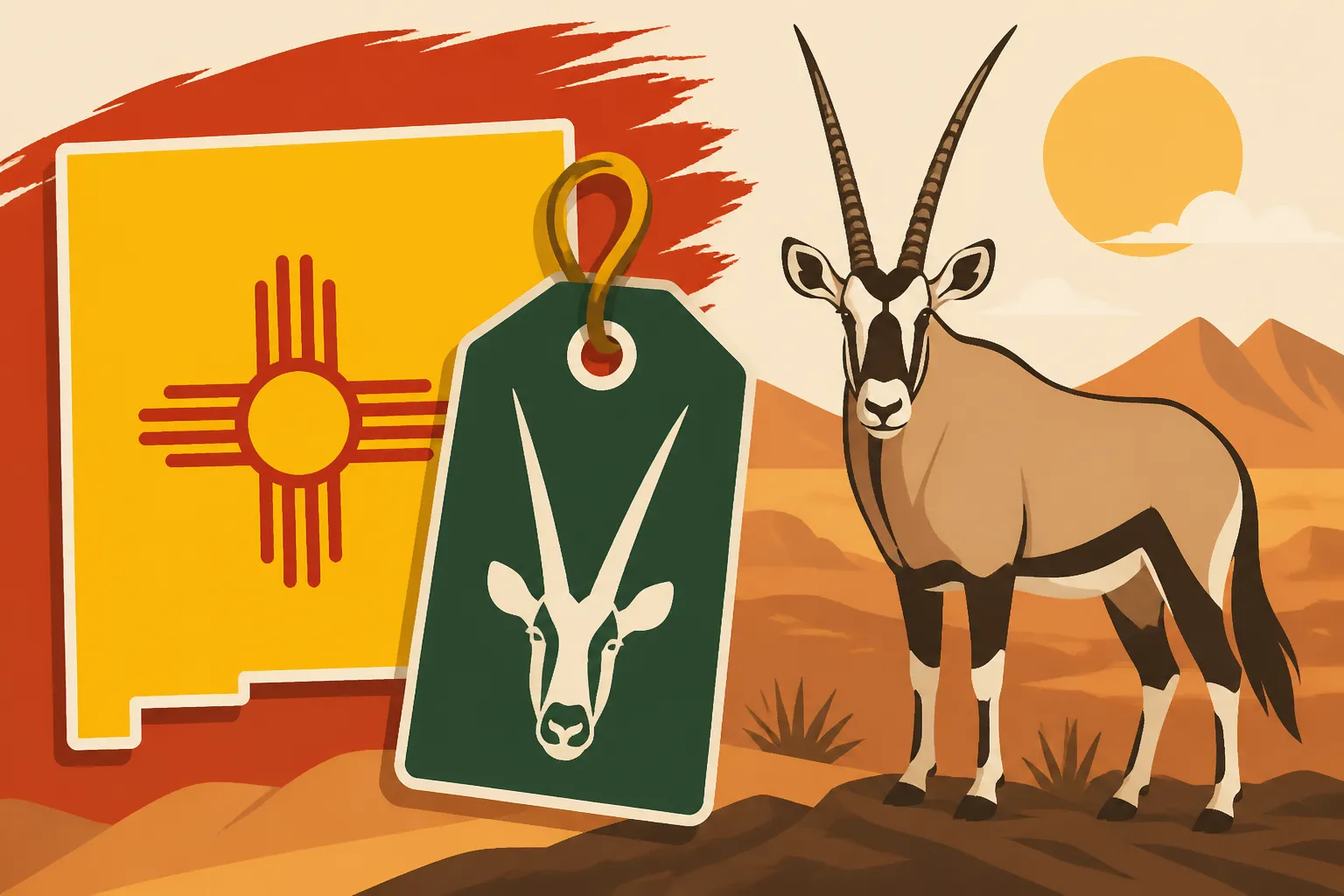
For nonresidents, an oryx tag is one of the more expensive big game tags available in New Mexico, and for good reason. Oryx are an exotic species, managed under a unique program, and the hunting opportunities are relatively limited. The actual cost of a nonresident oryx tag, once you've successfully drawn it, is substantial. Currently, a nonresident oryx tag runs approximately $1,623. This is the fee you pay after you've been notified that your application was successful, and it's on top of your Game Hunting License and the initial application fee. It's crucial to budget for this amount, as the notification often comes with a short window to pay the full tag fee. Missing this payment deadline can result in forfeiture of your drawn tag, which would be a heartbreaking end to your hunting dreams and a waste of your previous investments. It’s also worth noting that this price is subject to change, as we've seen with recent legislative actions affecting fees across the state. Indeed, A Nonresident New Mexico Oryx Tag Runs $1,623, making it a significant investment.
Mandatory Add-Ons: HMAV and Habitat Stamp
Just when you think you’ve covered all the bases, New Mexico adds a couple more mandatory items to your shopping list: the Habitat Management and Access Validation (HMAV) and the Habitat Stamp. These aren’t just bureaucratic hurdles; they are vital contributions to wildlife conservation and access programs throughout the state, ensuring hunters continue to have places to pursue game.
The HMAV is a required purchase for anyone wishing to hunt, fish, or trap in New Mexico, including nonresidents. This validation helps fund projects that improve wildlife habitat and enhance public access to hunting and fishing grounds. It’s a relatively small fee, typically around $4, but it’s absolutely non-negotiable. You can learn more about The New Mexico HMAV Validation Explained to understand its purpose.
Then there's the Habitat Stamp. This stamp is specifically required if you plan to hunt or fish on federal lands in New Mexico, which includes vast stretches of national forests and Bureau of Land Management (BLM) acreage. Given that many oryx hunts, particularly off-range and even some within the White Sands complex, occur on federal or accessible lands, this stamp is almost certainly a necessity for your nonresident oryx hunt. The Habitat Stamp also carries a modest cost, generally around $5, and it too contributes directly to habitat improvement projects on these crucial public lands. Together, the HMAV and Habitat Stamp are essential components of your total cost, ensuring that you're legal to hunt and helping to preserve the lands you enjoy. For a complete understanding of these requirements, check out The HMAV and Habitat Stamp Every New Mexico Hunter Needs and The New Mexico Habitat Stamp for Federal Land.
The Full Financial Picture: Calculating Your Total Outlay
It's clear by now that the cost of a New Mexico nonresident oryx hunt isn't just one number; it's a layered set of fees. To really grasp the investment, we need to put all those individual pieces together and then consider the many other expenses that naturally come with any hunting trip, especially one that might involve significant travel and specialized gear.
Itemizing the Costs for a Nonresident Oryx Hunt
Let’s put it all into a clear, concise package so you can see the complete picture of the mandatory fees. This table breaks down the current typical costs for a nonresident successful in drawing an oryx tag. Keep in mind that these figures are subject to change based on legislative updates and departmental decisions, so always consult the latest New Mexico Department of Game and Fish (NMDGF) regulations before making final plans.
| Item | Typical Nonresident Cost | Notes |
|---|---|---|
| New Mexico Game Hunting License | $363 | Mandatory for all nonresident big game hunters. Non-refundable. |
| Oryx Application Fee (per species) | $10 – $20 (approx.) | Non-refundable fee charged when applying for the draw. |
| Oryx Tag Fee (if drawn) | $1,623 | The primary cost of the tag itself, paid only if you are successful in the draw. |
| Habitat Management & Access Validation (HMAV) | $4 | Mandatory for all hunters, anglers, and trappers. Funds habitat and access projects. |
| Habitat Stamp | $5 | Required for hunting or fishing on federal lands in New Mexico. |
| Estimated Total Mandatory Fees | ~$2,005 – $2,015 | This represents the minimum mandatory outlay if you successfully draw an oryx tag. Does not include other hunting trip expenses. |
As you can see, the base cost for the licenses and tags alone pushes you well over the $2,000 mark. It’s a significant investment, to be sure. It's also worth understanding that these fee structures, particularly for nonresidents, have been subject to recent changes. For instance, Senate Bill 5 Raised New Mexico Fees for the First Time in 20 Years, bringing some of these costs to their current levels. This legislative action was designed to provide additional funding for wildlife management, habitat projects, and law enforcement, all of which ultimately benefit the resource and hunting opportunities.
Beyond the Tag: Travel, Gear, and Logistics
While the tag cost is the core financial commitment, any seasoned hunter knows that the real cost of a hunt extends far beyond the paper in your wallet. Especially for a nonresident traveling to New Mexico for a unique hunt like oryx, the logistical expenses can easily rival or even exceed the tag price itself.
Consider your travel. Are you driving across multiple states? Fuel costs, especially for a truck pulling a trailer, can be substantial. If you're flying into Albuquerque International Sunport (ABQ) or El Paso International Airport (ELP), you'll have airfare, baggage fees (especially for firearms or bows), and then the cost of a rental vehicle to get you to your hunting unit, which could be hundreds of miles away. Lodging is another factor. Are you camping, staying in a hotel, or booking an Airbnb? Even a frugal camp setup involves costs for food, water, and propane. Food for a week-long hunt can add up quickly, particularly if you're not meticulous about meal planning.
Then there’s gear. While most hunters already have their basic rifle or bow, optic, and clothing, an oryx hunt in New Mexico might require specialized items. The desert environment can be brutal on gear, so durable boots, appropriate layering for extreme temperature swings, and plenty of water carrying capacity are essential. If you’re planning a serious spot-and-stalk approach, high-quality optics are non-negotiable. A good spotting scope, like those offered by brands such as Vortex or Swarovski, can make or break your ability to find and judge oryx at long distances in vast, open country. You might also consider hiring a guide, which is a whole other level of expense but can drastically improve your odds of success, especially on a once-in-a-lifetime hunt. Professional guides often provide transportation within the unit, meals, and extensive knowledge of oryx behavior and habitat. All these considerations factor into the true All-In Cost of a New Mexico Elk Hunt and, by extension, an oryx hunt.
Strategies for Navigating the Oryx Draw as a Nonresident
Drawing a nonresident oryx tag in New Mexico is notoriously difficult, but not impossible. Understanding the draw dynamics and exploring alternative pathways can significantly impact your financial outlay and your chances of success. It's not just about what it costs, but how you maximize your investment.
The Draw Odds and What They Mean for Your Wallet
Let’s be honest: the draw odds for a nonresident oryx tag are incredibly tough. New Mexico allocates a very small percentage of its tags to nonresidents, typically around 6%. When you combine this with the sheer number of applicants from across the country vying for a limited number of unique and highly desirable tags, you're looking at single-digit percentage odds, often even less than 1%. This reality means that year after year, many nonresident hunters apply, pay their Game Hunting License fee and application fees, and come up empty-handed.
This is where the "no preference point" system truly impacts your wallet. Unlike states where your accumulated points give you a better chance over time, in New Mexico, every application is a fresh roll of the dice. You could apply for ten years, spend hundreds on application fees, and still have the same low odds as a first-time applicant. It's a significant gamble, and it means you need to be prepared for the likelihood of not drawing. This isn't meant to discourage, but to ground expectations in reality. Tools like GoHunt's Insider service can be incredibly valuable here, as they provide up-to-date draw odds and statistics, allowing you to make informed decisions about which hunt codes to apply for. They break down historical data, helping you understand the real chances for any given unit and season. Knowing Why New Mexico Draw Odds Do Not Improve With Time is key to managing your expectations and budget. Before you apply, take the time to research Checking New Mexico Draw Odds Before You Apply to give yourself the best possible chance within the existing framework.
Exploring Off-Range and EPLUS Options
If the draw odds for White Sands Oryx tags feel too daunting or you're looking for an alternative route, New Mexico does offer other avenues for hunting oryx, which come with different financial implications. These options can sometimes be more expensive upfront but bypass the uncertain draw.
One such option is off-range oryx hunts. While the White Sands Missile Range (WSMR) is the most famous location for oryx, established herds have also expanded to other areas of the state. These "off-range" hunts are typically found in units surrounding the missile range, like portions of Units 19, 20, and 28. While still challenging to draw, the application pool and specific draw odds might differ, sometimes offering a slightly better, albeit still difficult, chance. The tag cost itself for an off-range hunt is generally the same as the WSMR tags, but the logistics and terrain can vary significantly. Understanding Off-Range Oryx Hunts in New Mexico can open up different strategic application opportunities.
Another significant pathway is through EPLUS authorizations. EPLUS is New Mexico's landowner tag program, which allows landowners who qualify to receive elk authorizations (and sometimes other species, though less common for oryx) that they can then sell to hunters. While primarily known for elk, some outfitters or landowners might have access to oryx opportunities through this system, particularly for ranches bordering or having connections to established oryx ranges. These tags bypass the public draw entirely, meaning if you purchase an EPLUS authorization, you are guaranteed a tag. However, this convenience comes at a premium. The cost of an EPLUS tag from a landowner or outfitter can be substantially higher than a publicly drawn tag, often ranging from several thousand dollars up to five figures, depending on the quality of the hunt and the services included. It's an option for those with the budget who prioritize a guaranteed tag over the uncertainty of the draw. It’s a very different system from the public draw, as detailed in How EPLUS Puts New Mexico Elk Tags in Landowner Hands.
Understanding the Unique New Mexico Oryx Hunt
Beyond the dollars and cents, it’s important to remember why so many hunters are willing to invest so much in a New Mexico oryx tag. This isn’t just another big game hunt; it’s an experience steeped in unique challenges, incredible landscapes, and the pursuit of an animal that feels truly out of place in the American Southwest.
Why Oryx Hunts Are So Sought After
The draw of the New Mexico oryx hunt is undeniable. First, there's the animal itself: the gemsbok, or oryx. With their striking black and white markings and long, rapier-like horns that can exceed 30 inches, they are visually stunning and unlike any other big game animal in North America. They are incredibly tough, resilient, and intelligent, making them a formidable challenge for any hunter. The idea of hunting an African plains game animal in the high deserts of New Mexico is a bucket-list experience for many. The meat is also highly regarded, often described as lean and delicious, making it a prized trophy in the freezer as well as on the wall. For many, it's the ultimate combination of an exotic hunting experience without needing to travel halfway across the world to Africa. The sheer uniqueness of Oryx Is New Mexico's Strangest Big Game Animal explains why it captures the imagination of so many hunters.
The challenging landscape adds another layer to the appeal. Hunting oryx often means navigating vast, open desert plains, rolling hills, and the rugged, unforgiving terrain of the White Sands Missile Range. It demands physical fitness, keen glassing skills, and precise shooting ability, often at extended ranges. The hunt pushes hunters to their limits and offers a profound sense of accomplishment when successful.
Hunt Timing and Military Operations
One of the most distinctive and sometimes frustrating aspects of hunting oryx, particularly on the White Sands Missile Range, is the direct influence of military operations. Unlike a typical deer or elk season with fixed dates, oryx hunts on the WSMR are tightly controlled by the U.S. Army and the NMDGF. While hunt dates are published in the annual regulations, these dates are always contingent on the military's operational schedule.
It's a very real possibility that your hard-won oryx hunt could be shortened, delayed, or even canceled due to missile tests or other military activities on the range. Hunters are notified as soon as possible, but these situations are unpredictable and can throw a major wrench into travel plans and other arrangements. Imagine spending thousands of dollars, planning meticulously, taking time off work, and traveling across the country, only to have your hunt cut short after just one day due to an unexpected test. It’s a gut punch, and it highlights the unique challenges and risks associated with these hunts. This risk is something every applicant needs to understand and accept before committing to the draw and the associated costs. While NMDGF works closely with the military to minimize disruptions, hunter safety and military necessity always take precedence. The regulations explicitly detail Why a White Sands Hunt Can Be Cut Short, making it clear that this is an inherent part of the experience. Furthermore, understanding How an Oryx Hunt Actually Runs on the missile range, including specific entry and exit procedures, vehicle requirements, and safety briefings, is paramount to a successful and compliant hunt.
Disclaimer
Please note that hunting regulations, license fees, and season dates are subject to change. Always consult the official New Mexico Department of Game and Fish website and the current year's hunting proclamation for the most accurate and up-to-date information before planning your hunt. This guide is for informational purposes only and does not constitute legal advice.