How Aoudad Reached New Mexico Canyon Country
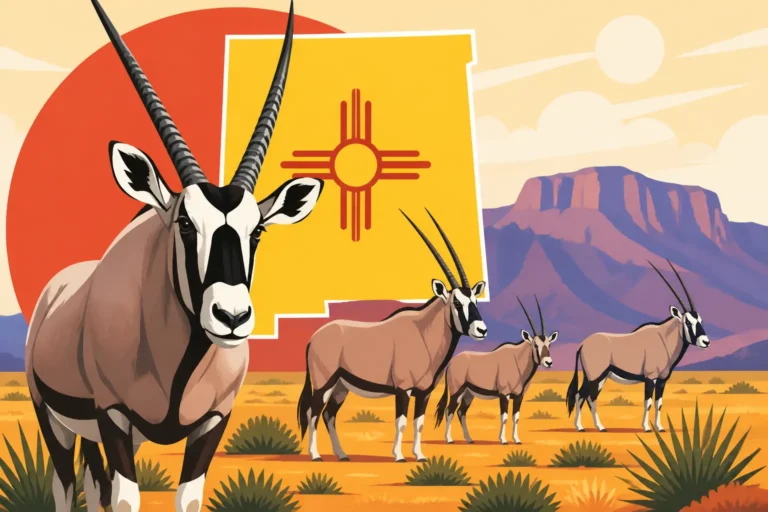
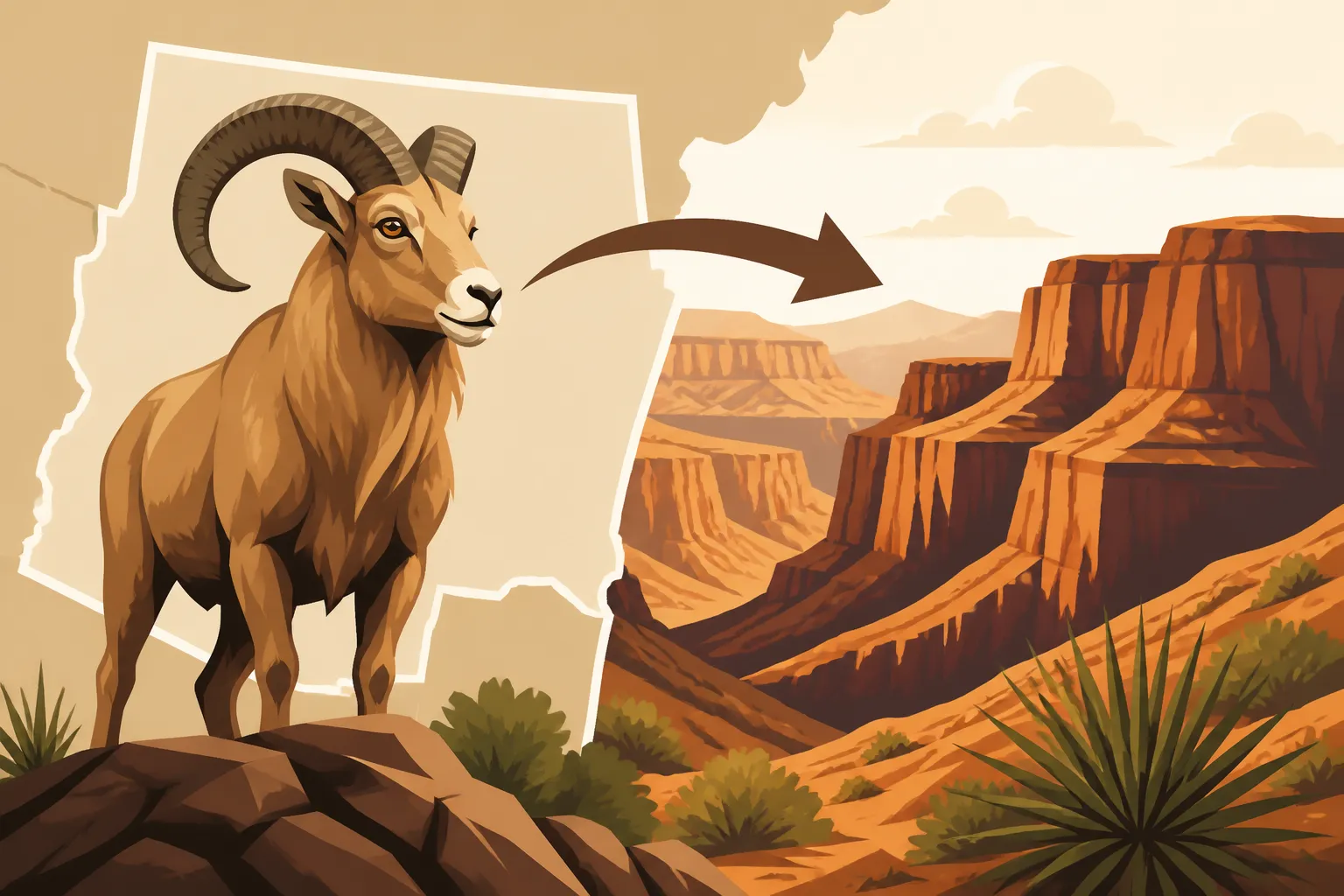
If you've spent any time exploring the rugged, broken country of New Mexico, particularly in the southern and central parts of the state, you've likely heard tales of an animal that seems almost out of place: the aoudad, more commonly known as the Barbary sheep. These magnificent, shaggy-necked creatures look like something from a far-off continent, and indeed they are. Their presence here isn't a natural phenomenon; it's the result of a deliberate, and remarkably successful, transplant effort. This guide will take you through the fascinating journey of how these tenacious desert dwellers made their way from the arid mountains of North Africa to become one of New Mexico's most challenging and sought-after big game animals.
A Desert Transplant with a Purpose: Why Aoudad Came to New Mexico
The idea of introducing an exotic species for hunting opportunities might seem unusual today, but in the mid-20th century, it was a relatively common practice, especially in areas with available habitat that wasn't being fully utilized by native species. New Mexico's rough, dry, and often inaccessible canyon country presented a unique opportunity, and the Barbary sheep proved to be the perfect candidate.
Origins in North Africa and Early Introductions
The Barbary sheep (Ammotragus lervia) are native to the rocky, arid mountains and semi-desert regions of North Africa, stretching from Morocco across to Egypt and Sudan. They are incredibly tough animals, perfectly adapted to extreme heat, cold, and scarcity of water and forage. Their distinctive shaggy mane, which covers their throat, chest, and front legs, provides protection and camouflage in their native habitat. These adaptations made them an ideal candidate for similar environments elsewhere.
The first documented introductions of Barbary sheep to the United States occurred in the early 1900s, primarily for zoological parks. However, by the mid-1900s, wildlife agencies in states like New Mexico began considering them for free-ranging populations to diversify hunting opportunities. New Mexico's landscape, with its vast expanses of challenging, low-fertility terrain, closely mirrored the aoudad's ancestral home. The thought was that these hardy animals could thrive where native big game struggled, providing a new challenge for hunters and an economic boost for rural areas.
Filling an Ecological Niche in New Mexico
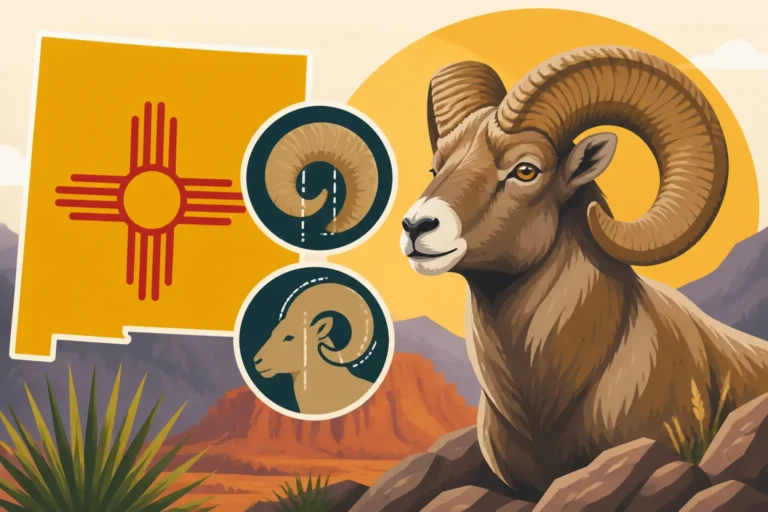
One of the primary motivations behind introducing Barbary sheep was to fill an perceived ecological niche. At the time, native bighorn sheep populations were severely depleted in many areas due to disease, overhunting, and habitat loss. While efforts were underway to restore bighorns, their recovery was slow and challenging. The Barbary sheep, being extremely resilient and adaptable, were seen as an animal that could occupy similar rugged, cliff-dwelling habitats without directly competing with native species for limited resources.
The canyon country of New Mexico, particularly in the south-central and southeastern regions, offered plenty of inaccessible cliffs, rimrock, and sparse vegetation—conditions that Barbary sheep would thrive in. They are masters of climbing and navigating treacherous terrain, often feeding on plants that other ungulates ignore. This meant they could effectively utilize vast tracts of land that were otherwise unproductive for traditional game animals, transforming barren expanses into valuable hunting grounds. The initial introductions were carefully planned to ensure they would not disrupt existing ecosystems, focusing on units where their presence would complement, rather than conflict with, native wildlife populations. This strategic approach laid the groundwork for their successful establishment and spread across the state.
From Release Pens to Rocky Rims: How Aoudad Spread Across New Mexico
The story of the Barbary sheep in New Mexico isn't just about initial releases; it's about their remarkable ability to adapt and expand their range, quickly transforming small populations into thriving herds across some of the state's most challenging landscapes.
Key Release Sites and Initial Expansion
New Mexico's Barbary sheep story truly began in the late 1940s and early 1950s. The first significant release occurred in 1950, when a small group of Barbary sheep were introduced into the Canadian River Canyon in northeastern New Mexico, near what is now the Ute Lake State Park. This remote, rugged area offered the perfect blend of escape terrain and sparse vegetation. Subsequent releases followed in other suitable regions, including the Largo Canyon in northwestern New Mexico and the Guadalupe Mountains in the southeastern corner of the state, near the Texas border.
These initial populations, though small, took hold with surprising vigor. The Barbary sheep quickly demonstrated their ability to survive and reproduce in the harsh New Mexico environment. Their natural predator defenses, combined with their ability to subsist on a wide variety of desert vegetation and go for extended periods without surface water, contributed to their rapid success. Within a few decades, what began as experimental releases had blossomed into self-sustaining, free-ranging herds that were expanding their territory. Hunters looking to learn more about how these herds spread and where they primarily reside can often find valuable data on platforms like GoHunt, which compiles historical harvest statistics and unit information, helping to illuminate the animal's journey across the landscape.
Adapting to the Arid New Mexico Landscape
The Barbary sheep's success in New Mexico is a testament to their incredible adaptability. They don't just survive in arid canyon country; they truly thrive. Their physical attributes, evolved over millennia in North Africa, proved perfectly suited to New Mexico's Chihuahuan and Sonoran Desert environments. Their broad hooves provide excellent traction on steep, rocky slopes, allowing them to navigate terrain that few other animals can access. This gives them a distinct advantage, providing escape routes from predators and opening up food sources unreachable by other grazers.
Furthermore, Barbary sheep are remarkably efficient at conserving water. They can obtain much of their moisture from the vegetation they consume, including tough desert plants like cacti and succulents. This allows them to inhabit areas far from permanent water sources, a critical adaptation in a state like New Mexico, where water can be scarce. Their ability to regulate body temperature in extreme heat and grow a dense winter coat for cold desert nights also played a crucial role. This resilience allowed them to establish populations in various mountain ranges and canyon systems, from the Guadalupe Mountains to the more isolated ranges across the state, creating unique hunting opportunities for those willing to venture into their challenging domain. You can learn more about Barbary Sheep in New Mexico Canyon Country and the terrain they inhabit.
The Current Landscape: Where Aoudad Thrive Today
Today, Barbary sheep are firmly established across large portions of New Mexico, offering unique and challenging hunting experiences. Their populations have grown significantly since their initial introduction, a testament to their hardiness and the suitability of the habitat.
Identifying Prime Aoudad Habitat
If you're looking for Barbary sheep in New Mexico, you need to think steep, rocky, and often remote. They absolutely love broken rimrock, deep canyons, and mountainous terrain with sheer cliffs and sparse vegetation. You'll find them ranging from the southeastern corner of the state, in areas like the Guadalupe Mountains and the rough country around Carlsbad, up through the central mountains and even into some northern canyon systems.
Think about areas that are difficult for humans to access—that's usually where the Aoudad will be. They use the vertical terrain for safety, bedding on ledges where they can see danger approaching from below and above. Their diet is incredibly varied, including grasses, forbs, shrubs, and even cactus, which means they can find sustenance in places other species wouldn't dream of. When you're planning a hunt, don't just look at public land boundaries; use mapping tools to identify extreme topographic changes, steep cliffs, and isolated mesas. This is where you'll start to uncover their preferred hideouts. Platforms like GoHunt provide detailed topographical maps and unit data that can be instrumental in identifying these prime aoudad haunts.
Understanding Population Dynamics and Management
The success of the Barbary sheep introduction has led to robust populations, but like any game species, their numbers are carefully monitored and managed by the New Mexico Department of Game and Fish. Their populations are generally stable or growing in many areas, which allows for consistent hunting opportunities. However, hunters should be aware that Barbary sheep management often focuses on maintaining healthy herds while also considering potential impacts on native species, particularly desert bighorn sheep in shared habitats.
Hunting seasons for Barbary sheep are typically long, and tags are usually available over the counter or through a draw, depending on the unit and hunt type. Unlike some other big game species, the draw odds for Barbary sheep can sometimes be more favorable, especially in certain units or for specific hunt periods. Understanding these population dynamics and how they influence tag availability is crucial for anyone hoping to pursue these animals. New Mexico Barbary Sheep Draw Odds can fluctuate year to year, so staying informed is key. The goal of management is to provide sustainable hunting while ensuring the long-term health of the Barbary sheep and the ecosystems they inhabit.
Here's a quick overview of key facts regarding Barbary sheep introduction in New Mexico:
| Feature | Details |
|---|---|
| Origin | North Africa (Barbary Coast) |
| First Introductions | Mid-1900s (e.g., Canadian River Canyon, 1950) |
| Primary Goal | Create new big game hunting opportunities, fill ecological niche |
| Key Adaptations | Excellent climbers, water-efficient, diverse diet, camouflage |
| Preferred Habitat | Rugged, arid canyon country, rimrock, steep mountains, sparse vegetation |
| Current Status | Well-established, thriving populations across suitable regions |
| Management Focus | Sustainable hunting, herd health, consideration of native species |
Hunting Aoudad in Their Adopted Home
Hunting Barbary sheep in New Mexico is often described as one of the most physically demanding and rewarding hunts the state has to offer. These animals embody the spirit of the wild, calling hunters to push their limits in pursuit.
The Challenge of the Hunt
If you're thinking about hunting Barbary sheep, prepare for a challenge unlike almost any other. These animals live in some of the most unforgiving terrain in New Mexico. We're talking about incredibly steep, rocky, and often cactus-covered slopes where every step is a test of balance and endurance. They have incredible eyesight and can be surprisingly wary, making a successful stalk incredibly difficult. A Barbary sheep hunt often involves significant elevation changes, long distances covered on foot, and hours spent glassing seemingly barren mountainsides. It’s not uncommon to spot an animal miles away, only to spend half a day trying to close the distance through broken terrain.
The weather can also be a major factor, with extreme temperature swings from scorching desert heat to freezing nights. Hunters need to be in peak physical condition and come equipped with appropriate gear, including sturdy boots, plenty of water, and reliable optics for glassing. The mental toughness required to keep pushing when your legs are burning and your lungs are screaming is just as important as your shooting skills. It’s a true test of grit and determination. For a deep dive into how to pursue these animals, you'll want to review Spot and Stalk Tactics for Barbary Sheep before you hit the field.
Researching Your Aoudad Adventure
Before you even think about lacing up your boots, thorough research is non-negotiable for a Barbary sheep hunt. Understanding the unit you plan to hunt is paramount, as terrain, access, and population densities can vary widely. You'll want to spend time studying topographical maps, looking for those tell-tale cliffs, drainages, and remote benches where aoudad are known to frequent. This is where tools like GoHunt become invaluable. Their detailed maps, satellite imagery, and hunt planning features can help you e-scout potential hunting areas, identify access points, and even find water sources that might concentrate animals.
Beyond mapping, research involves diving into the New Mexico Department of Game and Fish regulations. Understanding the specific New Mexico Hunt Codes and How to Read Them for Barbary sheep, the season dates, bag limits, and any special restrictions is critical. You'll also want to look at harvest reports and draw statistics if you're applying for a draw tag. Talking to other hunters who have experience with Barbary sheep can also provide invaluable insights into their behavior, preferred habitats, and effective hunting strategies. A well-researched plan can significantly increase your chances of success and, more importantly, ensure a safe and ethical hunt in New Mexico's stunning, yet demanding, canyon country.
Disclaimer
This article is for general informational purposes only and does not constitute professional advice. Laws, prices and regulations vary by location and change over time. Consult a qualified professional for guidance on your specific situation.