Why Bear Has an Earlier Deadline
It's incredibly frustrating when you're trying to plan your hunting season, meticulously marking down application deadlines, only to discover that one species plays by a completely different set of rules. For many hunters eyeing New Mexico, the bear application deadline often catches them off guard, closing months before the general big game draw. This guide aims to clear up that confusion, diving deep into why bear applications operate on an accelerated timeline and how you can avoid missing out on a coveted New Mexico bear tag.
The Curious Case of New Mexico's Early Bear Application Deadline
Most hunters become familiar with the rhythms of application season, and here in New Mexico, there's a pretty standard drumbeat for the majority of our beloved big game species. So, when one animal decides to march to the beat of its own drum, it can throw even the most organized planner for a loop.
Setting the Stage: General Application Timelines
For seasoned and aspiring hunters alike, the big dance for drawing tags in New Mexico typically revolves around a significant March deadline. This is when you're usually submitting your applications for elk, deer, pronghorn, oryx, and the various bighorn sheep hunts. It's a critical time of year, demanding careful consideration of units, hunt codes, and group applications. You’re often juggling multiple species, comparing draw odds using resources like GoHunt, and making strategic choices about your first, second, and third options. It’s a process that demands attention, but at least the primary deadline is relatively consistent across most species, giving you a solid window to get your ducks in a row. For more on this, you can look into The March Deadline for New Mexico Applications.
Why Bear Stands Apart
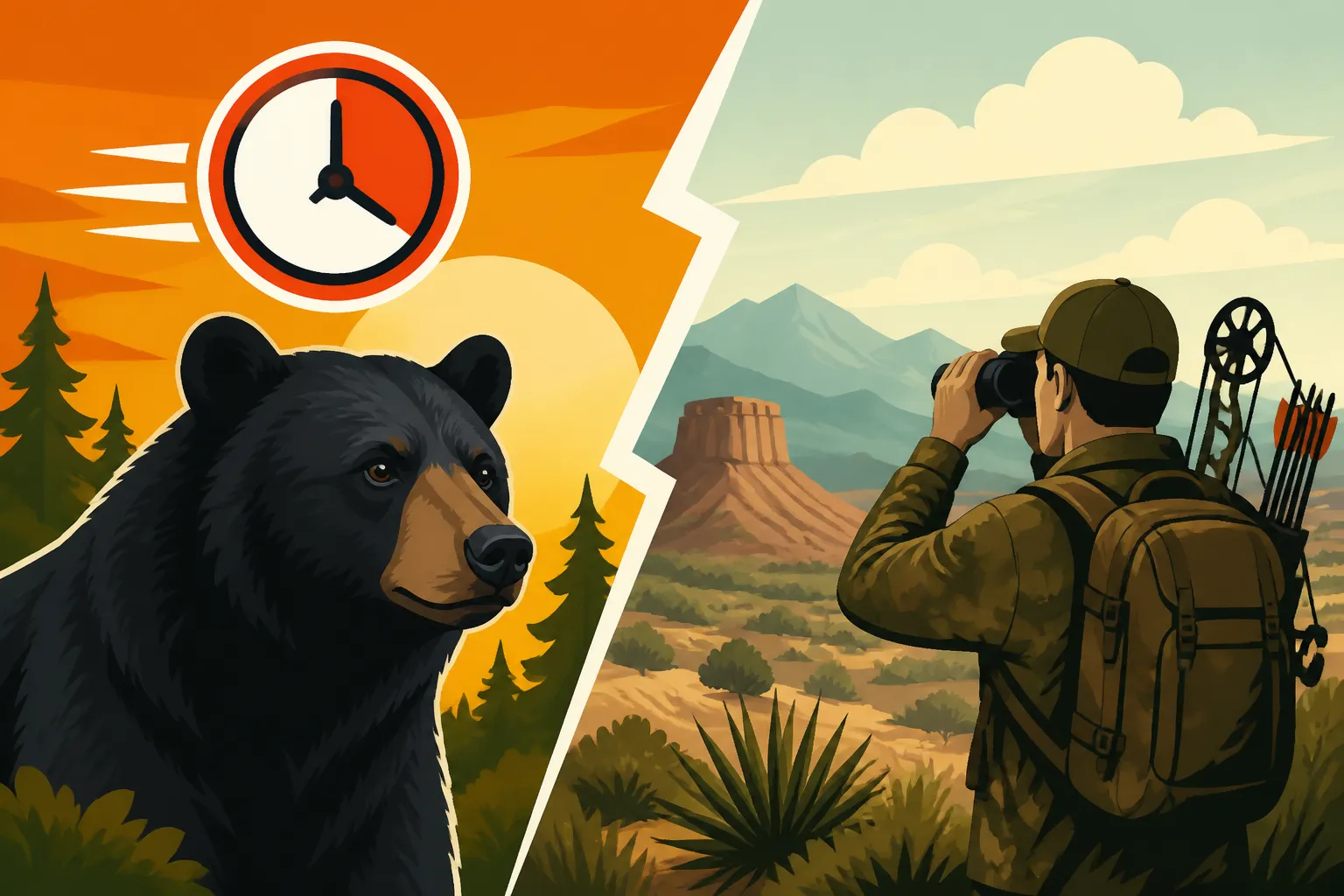
But then there's the bear. For some reason, the New Mexico Department of Game and Fish (NMDGF) has a different idea when it comes to managing black bear applications. Instead of aligning with the March deadline, bear applications consistently close significantly earlier, often in February. This deviation from the norm is a common source of head-scratching and, unfortunately, missed opportunities for hunters who aren't clued in. Imagine spending weeks researching an elk unit, only to realize too late that your chance at a bear tag vanished a month prior. It's a critical piece of information that can slip through the cracks, leading to a year of disappointment when you could have been planning a thrilling bear hunt in the high country.
Deep Dive into Bear Management Strategies
The early application deadline for black bears isn't an arbitrary decision designed to trip up hunters. Instead, it's rooted deeply in the NMDGF's sophisticated approach to wildlife management, particularly for species like bears that require more careful monitoring and adaptive strategies.
Population Dynamics and Sustainable Harvest
Black bears, unlike some other big game animals, have different population dynamics that necessitate a more cautious management approach. They generally have a lower reproductive rate, meaning they don't bounce back from population declines as quickly as, say, mule deer. Sows often don't have their first cubs until they are several years old, and then typically only breed every other year, or sometimes even every three years, producing small litters. This slower rate of reproduction makes bear populations more sensitive to overharvest.
The NMDGF's primary goal is to ensure the long-term sustainability and health of the bear population across the state. To do this, they rely on extensive research, population estimates, and harvest data. An early application deadline allows wildlife managers crucial time to analyze the previous year's harvest, assess current population health, and project sustainable harvest quotas for the upcoming season with greater accuracy. This proactive approach helps prevent overharvesting and maintains a robust bear population for future generations of hunters and wildlife enthusiasts.
Harvest Quotas and Adaptive Management
New Mexico employs a quota-based management system for black bears (and cougars), which is a key reason for the early application deadline. Unlike elk or deer tags, which are often limited by the total number of licenses issued, bear licenses often come with statewide and sometimes unit-specific harvest limits. These quotas specify the maximum number of bears that can be harvested from a given area or throughout the state before the season is officially closed.
Setting these quotas is a complex process. It involves reviewing everything from den surveys and nuisance bear complaints to historical harvest data and habitat conditions. By closing the application period early, typically in February, the NMDGF gains vital time to finalize these quotas before the spring bear seasons even begin. This allows them to issue tags with a clear understanding of the allowable harvest, preventing situations where tags are issued only to have seasons close abruptly shortly after opening due to unforeseen circumstances or rapid quota fulfillment. Understanding How New Mexico Bear Harvest Limits Close a Zone is crucial for any bear hunter. This adaptive management style is essential for a species like the bear, where rapid closures are a distinct possibility to protect the population.
Mitigating Conflict with Other Big Game Seasons
Another practical reason for the early bear deadline and staggered seasons is to mitigate potential conflicts and manage hunter pressure effectively across different species. New Mexico's bear seasons can vary widely, with some hunts opening as early as spring, others in the fall, and specific early archery bear hunts overlapping with the initial phases of elk and deer seasons.
If all applications, including bear, were due at the same time in March, it could create logistical challenges for both the NMDGF and hunters. By having the bear application process conclude earlier, it allows the department to process those applications, issue tags, and finalize regulations for bear seasons well in advance. This means that when the March deadline for other big game arrives, the focus can shift entirely to those species without the added complexity of simultaneously managing a quota-sensitive bear draw. For hunters, it means they can prioritize their bear application, get it out of the way, and then concentrate on their elk or deer strategy without having to rush their bear choices. This helps in better allocating tags and ensures that hunter density is managed more efficiently across different hunts and units.
Crucial Considerations for Bear Hunters
Navigating the New Mexico draw for any species requires diligence, but the unique timeline for bear applications adds an extra layer of complexity. Ignoring this can lead to significant disappointment.
The Critical February Deadline: Don't Miss It
This is perhaps the single most important takeaway for anyone hoping to hunt bears in New Mexico. The bear application deadline is typically in February, often around the second or third Wednesday of the month. This is months before the general big game application deadline in March. If you miss it, you're simply out of luck for the entire year – there are no second chances, no leftover tags for bear after the draw, and no exceptions made. The heartbreak of realizing you missed the window for a promising hunt is a feeling no hunter wants to experience.
To avoid this, make it a habit to mark this earlier deadline on your calendar well in advance. Set digital reminders, pin a note to your fridge, or better yet, utilize online hunting resources. Tools like GoHunt's application reminders or their calendar features are invaluable for keeping track of these staggered deadlines across different states and species. They can send you timely notifications, ensuring that even if the exact date shifts slightly year to year, you'll be prompted to get your application submitted. Confirming When New Mexico Bear Applications Close should be one of your first steps when planning your season.
Planning Your Multi-Species Application Strategy
The early bear deadline has a direct impact on your overall application strategy, especially if you plan to hunt multiple species. It essentially means you have two distinct application windows to manage. Your bear application will be the first one you tackle, requiring you to have your unit choices and hunt codes squared away well before you even start seriously considering your elk or deer options.
This can be a blessing in disguise. By getting your bear application submitted early, you free up mental space and time to focus solely on the more numerous and often more complex elk and deer draws that follow in March. Some hunters choose to apply for bear as a primary focus, knowing the odds can be tougher for trophy units, or they use it as a secondary, opportunistic tag to accompany an early archery elk hunt. Whichever your approach, recognize that the bear application isn't just another item on the March checklist; it's a completely separate, earlier event that requires its own dedicated planning.
Essential Licenses and Fees
Just like any other big game species, applying for a New Mexico bear tag requires a few foundational elements. First, you'll need to purchase a Game Hunting License. This is your fundamental permit to hunt any big game in the state. For non-residents, this can be a significant upfront cost, but it's non-negotiable for drawing a tag. You can learn more about The Nonresident New Mexico Game Hunting License here. Additionally, if you plan to hunt on federal lands, which many bear hunters do, you'll also need a Habitat Management & Access Validation (HMAV) stamp, and possibly a Habitat Stamp. These funds go directly towards maintaining and improving habitat and access for hunters. For details, refer to The New Mexico HMAV Validation Explained.
Beyond these foundational licenses, there's an application fee for the bear draw itself. This fee is typically per species and is generally non-refundable, regardless of whether you draw a tag or not. It covers the administrative costs associated with processing your application. Make sure you budget for these costs, as they are an essential part of the application process. Check out What New Mexico Charges Per Species Application for specific figures.
Navigating the Regulations and Staying Informed
Understanding why the bear deadline is early is one thing; successfully navigating the process and staying compliant with regulations is another. New Mexico's hunting rules are dynamic, and staying on top of them is paramount for any ethical hunter.
Where to Find the Most Current Information
The official source for all New Mexico hunting regulations is the New Mexico Department of Game and Fish (NMDGF) website. They publish an annual "Rules & Information Booklet" that is an indispensable resource. This booklet details all season dates, bag limits, application deadlines, legal weapon requirements, and any special regulations that apply to specific units or species. It's not enough to skim it; you need to read it thoroughly every year, as regulations can and do change. Hunting forums and online communities can offer valuable insights and shared experiences, but they should never be considered a substitute for the official NMDGF documents. Prioritize Reading the New Mexico Rules and Info Booklet to ensure you're always working with the most up-to-date information.
Understanding Harvest Limits and Season Closures
One of the most critical aspects of bear hunting in New Mexico, directly linked to the early application deadline, is the system of harvest quotas and dynamic season closures. Bear seasons are typically set with a maximum number of bears that can be harvested within a specific unit or statewide. Once this quota is met, the season for that particular zone or for the entire state will close immediately, regardless of the published end date.
This means that even if you draw a bear tag and the season is listed as running for several weeks, it could be closed with little notice if hunters are successful early. As a bear hunter, you have a responsibility to check the NMDGF website or call their dedicated hotline daily while you are hunting. This isn't just a recommendation; it's a requirement to ensure you don't accidentally harvest an animal after the season has legally closed. This real-time management reflects the NMDGF's commitment to protecting the bear population, and it's why the early application and quota setting are so vital. Familiarize yourself with New Mexico Bear Season Dates but always remember to check for closures.
General Bear Hunting Regulations
Beyond the unique application deadline and quota system, bear hunting in New Mexico also has other specific regulations that hunters must understand. These include legal methods of take, rules regarding baiting, and requirements for reporting a harvest. For instance, New Mexico has specific rules about baiting for bears, and it's essential to know these before you plan your hunt. While some states allow it, New Mexico's regulations are quite strict. A quick review of Baiting Rules That Apply to New Mexico Bears will ensure you’re on the right side of the law. Always confirm the legality of your chosen hunting method and any ethical considerations, especially when dealing with a species as intelligent and resilient as the black bear.
To help visualize the difference in application deadlines, here's a quick comparison of typical dates:
| Species Category | Application Deadline (Typical) | Key Management Reason |
|---|---|---|
| Bear, Cougar | Mid-February | Quota-based management, population dynamics, early season starts |
| Elk, Deer, Oryx, Pronghorn, Bighorn, Ibex, Barbary Sheep | Mid-March | General draw, large populations, varied season dates |
Disclaimer
Please remember that hunting regulations, dates, and fees are subject to change annually. Always consult the most current official New Mexico Department of Game and Fish (NMDGF) Rules & Information Booklet and website before making any plans or submitting applications. The information provided here is for general guidance and educational purposes only.