Unit-Wide Against Ranch-Only New Mexico EPLUS Tags
Navigating the world of New Mexico hunting tags can feel like deciphering an ancient scroll, especially when you start looking beyond the general draw. One area that often causes a lot of head-scratching is the EPLUS program and the distinction between "unit-wide" and "ranch-only" tags. It's a critical difference that can completely shape your hunting experience, your strategy, and even your budget. This guide is here to untangle that confusion, explain precisely what each type of EPLUS tag entails, and help you decide which one might be the right fit for your next adventure.
Understanding New Mexico's EPLUS Program: Laying the Groundwork
Before we dive into the specifics of unit-wide versus ranch-only, it's essential to grasp the fundamental concept of the New Mexico EPLUS program. It's not just another tag; it's a unique system designed to engage private landowners in wildlife management and provide additional hunting opportunities. Many hunters, especially those new to New Mexico, might feel like this system adds an unnecessary layer of complexity, but understanding its roots can clarify why it works the way it does.
What EPLUS is and Why it Exists
EPLUS stands for "Elk Private Lands Use System." While it primarily deals with elk, the concept extends to other species sometimes. In a nutshell, the New Mexico Department of Game and Fish (NMDGF) grants elk hunting authorizations (often referred to as "tags") directly to private landowners. The core idea behind EPLUS is to encourage landowners to manage their property in ways that benefit elk, reduce depredation on agricultural lands, and provide quality habitat. Think of it as a partnership where landowners contribute to conservation and, in return, receive permits that they can use themselves or sell to hunters.
For many years, private landowners felt the burden of large elk herds on their property, particularly regarding crop damage or competition with livestock, without feeling adequately compensated or having much say in management. The EPLUS system attempts to address this by incentivizing them to be part of the solution. This is a crucial piece of understanding How EPLUS Puts New Mexico Elk Tags in Landowner Hands. Without this system, many landowners might be less inclined to tolerate elk on their property or manage it for wildlife, potentially pushing animals onto less accessible public lands or reducing overall herd health.
How EPLUS Authorizations are Issued to Landowners
The NMDGF issues EPLUS authorizations based on several factors, including the amount of private land a landowner owns within a specific Game Management Unit (GMU), the quality of habitat on that land, and the number of elk that utilize it. It’s not a free-for-all; there’s a rigorous application process where landowners must demonstrate their eligibility and commitment to elk management. These authorizations are generally given as a specific number of cow, either-sex, or bull tags for a particular hunt unit.
Once a landowner receives these authorizations, they have the flexibility to use them in various ways. They can keep them for themselves, give them to friends or family, or, most commonly, sell them to hunters directly or through an outfitter. This is where the commercial aspect comes in, creating an avenue for hunters who might not want to rely solely on the public land draw, or who are looking for a more controlled hunting experience. Essentially, the landowner becomes the conduit for the tag, offering a parallel path to getting a coveted New Mexico elk tag outside of the traditional draw.
The Role of Landowners and Outfitters
Landowners are at the heart of the EPLUS system, as they are the direct recipients of these authorizations. However, many landowners aren't in the business of marketing hunts directly to the public. This is where outfitters often step in. An outfitter might lease hunting rights from a landowner, essentially buying their EPLUS authorizations, and then package them as fully guided or semi-guided hunts. This creates a more streamlined process for hunters looking to secure an EPLUS tag and a hunting experience all in one.
It's common to see both landowners and outfitters advertising EPLUS tags, sometimes with different inclusions. A landowner might just sell you the "authorization" itself, expecting you to handle all logistics. An outfitter, on the other hand, will typically sell a package deal that includes the EPLUS authorization, guide services, meals, lodging, and potentially even field dressing and packing out. This distinction is vital when considering the overall cost and what you're actually getting for your money. When you're looking to acquire one of these, platforms like GoHunt often list available EPLUS tags from various sources, making the search a bit easier.
Unit-Wide EPLUS Tags: The Wider Opportunity
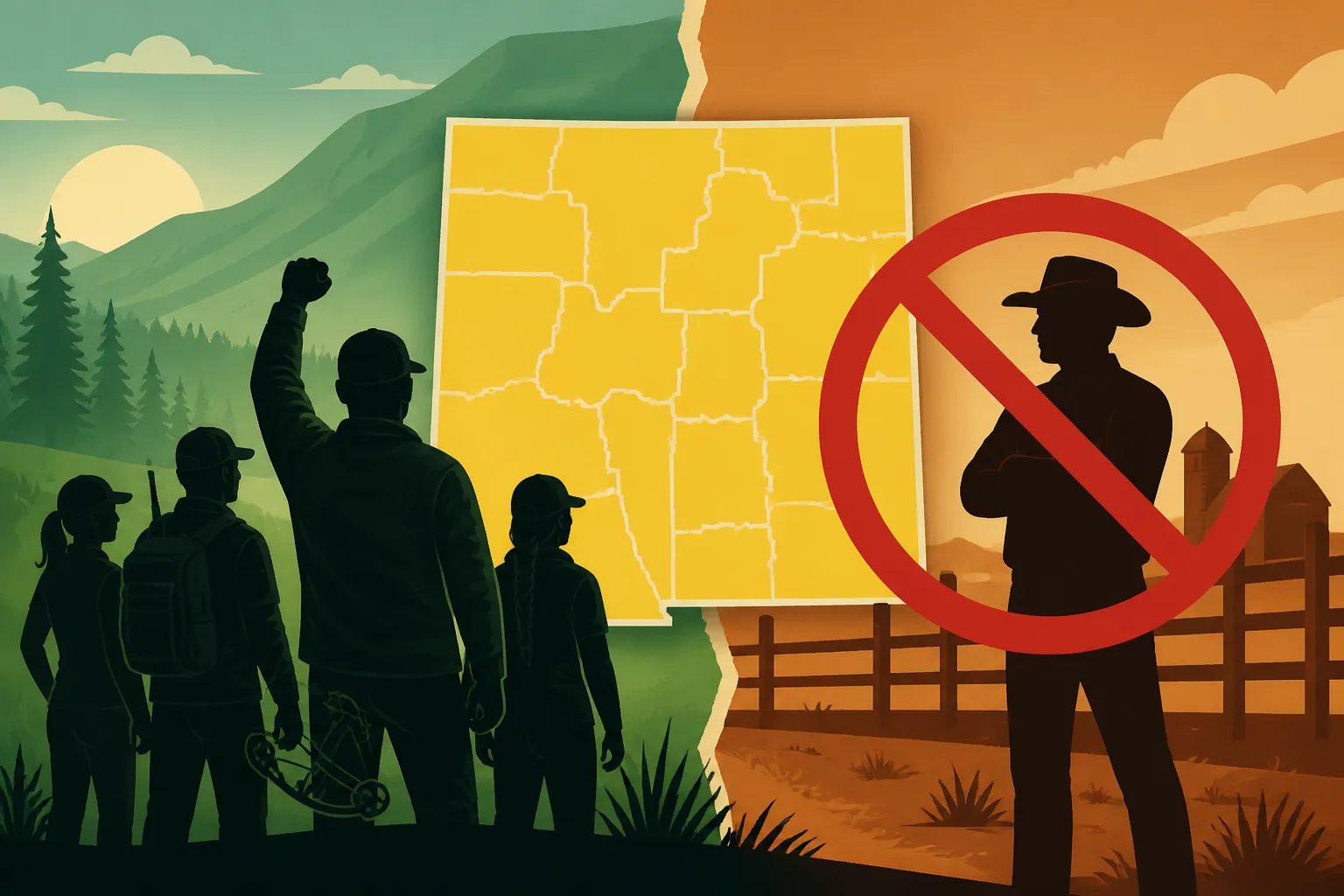
When you hear "unit-wide" in the context of EPLUS, it refers to an authorization that allows the hunter to pursue elk anywhere within the designated Game Management Unit (GMU) where the tag was issued. This is a game-changer for many, offering a blend of private access and public land opportunity.
Defining Unit-Wide EPLUS Tags
A unit-wide EPLUS tag grants the hunter the right to hunt for elk on the private land associated with the EPLUS authorization as well as any public land within that same hunt unit. This means if a landowner in Unit 16A has a unit-wide EPLUS bull tag, and you buy it, you can hunt that private property, but you can also go into the vast stretches of the Gila National Forest within Unit 16A. It’s a significantly broader scope than a ranch-only tag and unlocks a lot more country.
This flexibility is incredibly appealing, especially in units known for excellent public land hunting. It essentially gives you two bites at the apple: the controlled environment of the private ranch and the expansive, wild challenge of the public domain. It’s important to clarify the exact unit when purchasing, as Reading a New Mexico Hunt Code Before You Apply will show you how specific these designations can be.
Advantages of Unit-Wide Tags
The primary advantage of a unit-wide EPLUS tag is flexibility and increased hunting ground. You're not confined to the boundaries of a single ranch. If the elk aren't on the private property, or if you simply prefer the challenge and solitude of public land, you have that option. This is especially valuable in units with significant public land acreage, like many of the Gila units. A hunter with a unit-wide tag can scout both private and public parcels, adapting their strategy based on elk movement, pressure, and personal preference.
Another huge benefit is the potential for public land access with a guaranteed tag. For many hunters, the New Mexico public land draw is tough, with low odds for desirable units and seasons. A unit-wide EPLUS tag bypasses the public land draw for that specific animal (e.g., bull elk) and hunt period. This means you get a guaranteed tag to hunt public land, which is a massive draw for out-of-state hunters or those frustrated by years of unsuccessful draws. It truly opens up opportunities that might otherwise be unavailable. This is why many ask, Do EPLUS Tags Bypass the New Mexico Draw? – the answer for the animal and season on the tag is yes.
Finally, unit-wide tags can offer a safety net. If conditions on the private ranch aren't ideal – maybe it's too dry, or elk pressure is high – you have the vastness of the unit's public land to explore. This versatility can dramatically increase your chances of success by not putting all your eggs in one basket.
Challenges and Considerations for Unit-Wide Tags
With great flexibility comes greater responsibility and often a higher price tag. Unit-wide EPLUS tags are generally more expensive than their ranch-only counterparts because they offer significantly more opportunity and access. You're paying for that flexibility. What a New Mexico EPLUS Authorization Costs can vary wildly based on the unit, species, and whether it's bull or cow.
Another consideration is that even with a unit-wide tag, you still need to do your homework on the public land. Just because you can hunt public land doesn't mean it's easy or that elk are abundant there. You'll still need to put in the time scouting, understanding elk patterns, and dealing with potential hunting pressure from other public land hunters. This means familiarizing yourself with Reading a Land Ownership Layer Correctly to ensure you're always on legal ground. It's not a magic bullet for effortless public land hunting; it's an opportunity that still requires effort.
Lastly, availability can be a challenge. Because of their desirability, unit-wide EPLUS tags are often scarcer and get scooped up quickly, especially for prime units and seasons. You'll need to be proactive in your search, often reaching out to outfitters and landowners well in advance, sometimes a year or more out.
Ranch-Only EPLUS Tags: The Focused Experience
In contrast to the expansive nature of unit-wide tags, "ranch-only" EPLUS tags offer a more confined, but often highly managed, hunting experience. These tags are strictly tied to specific private property.
Defining Ranch-Only EPLUS Tags
A ranch-only EPLUS tag means exactly what it sounds like: the hunting authorization is valid only on the private property for which the EPLUS allocation was granted. You cannot legally take an animal off that specific ranch with this type of tag. If you purchase a ranch-only tag for the "Lazy Y Ranch" in Unit 34, your hunting activities must be confined to the boundaries of the Lazy Y Ranch.
This distinction is critically important for legal compliance. Venturing onto adjacent public land or another private property, even if you see elk there, would be considered trespassing and hunting without a valid tag for that location. Always carry proof of your tag and permission to hunt the specific ranch.
Advantages of Ranch-Only Tags
One of the biggest advantages of ranch-only tags is the controlled hunting environment. Private ranches often have less hunting pressure than public land, leading to more relaxed animals and potentially better opportunities. Landowners or outfitters managing these properties often implement specific management practices to enhance habitat and grow quality animals, which can translate to a higher chance of success for hunters.
Ranch-only hunts, especially when guided, often come with a higher success rate due to this controlled environment and the intensive knowledge of the guides. You're paying for a more tailored experience where the animals are often patterned, and the land is managed with hunting in mind. For hunters seeking a comfortable camp, delicious meals, and an experienced guide to lead the way, a ranch-only hunt with an outfitter can be ideal. Many of these experiences are structured and detailed, sometimes including all the amenities. For more on what these packages might include, consider looking into What a New Mexico EPLUS Guided Hunt Costs.
Another benefit is logistical simplicity. When hunting on a ranch, many of the variables and unknowns of public land hunting are removed. Access points are clear, boundaries are known, and often, guides handle game retrieval and processing logistics. This can be a huge relief for hunters who prefer to focus solely on the hunt itself without worrying about complex navigation, finding water, or unexpected crowds.
Limitations and Trade-offs for Ranch-Only Tags
The most significant limitation of a ranch-only EPLUS tag is the restricted movement. You are literally confined to the ranch boundaries. If elk migration patterns shift due to weather, feed, or pressure, and the animals leave the ranch, you might be out of luck unless they return. This can be frustrating, especially if you've invested heavily in the tag and the hunt package.
While often offering a high success rate, ranch-only hunts can come with a higher price tag than just a unit-wide tag, particularly if it's a fully guided, all-inclusive experience. You're paying for the convenience, the management, and often, the expertise of the outfitter. For those on a tighter budget, this might be a prohibitive factor. Also, while you're bypassing the draw, these still represent a significant investment. For more details on what's involved, researching Buying a New Mexico EPLUS Elk Authorization can be helpful.
There's also the element of reliance on the specific ranch and outfitter. Your entire hunt experience hinges on the quality of the ranch's management and the outfitter's abilities. Vetting your outfitter and asking detailed questions about the ranch's elk patterns, typical success rates, and what happens if elk aren't present on the property is absolutely critical before you book.
Making Your Choice: Unit-Wide vs. Ranch-Only
Deciding between a unit-wide and a ranch-only EPLUS tag boils down to understanding your personal hunting style, budget, and desired experience. Both offer incredible opportunities in New Mexico, but they cater to different types of hunters.
Factors to Consider
- Budget: Unit-wide tags, while offering more freedom, can be pricey. Ranch-only tags, especially guided ones, can quickly escalate in cost due to services, lodging, and amenities. Be honest with yourself about what you're willing and able to spend.
- Hunting Style: Are you a DIY hunter who loves the challenge of navigating vast public lands, or do you prefer a more structured, guided experience with creature comforts? A unit-wide tag gives you the option to do both; a ranch-only tag steers you towards the latter.
- Experience Level: New hunters might benefit from the guided, controlled environment of a ranch-only hunt, where they can learn the ropes without the added complexities of public land navigation. Experienced public land hunters might appreciate the guaranteed tag a unit-wide option offers while still allowing them to apply their skills in familiar terrain.
- Species and Unit: Some units are predominantly private land, making a unit-wide tag less impactful for public access. Other units, like the Gila, are dominated by public land, making the unit-wide option very attractive. Consider the specific unit and species you're targeting.
How to Research and Acquire These Tags
Research is paramount. Start by identifying the units and seasons that interest you. Then, look for landowners and outfitters who have EPLUS allocations in those areas. Websites like GoHunt often aggregate information on tag availability and can be a valuable resource for finding opportunities. They often have filters that allow you to search specifically for unit-wide or ranch-only tags.
When you find a potential tag, ask a ton of questions:
- Is it unit-wide or ranch-only? Get this in writing.
- What is included in the price? Just the authorization, or a full hunt package?
- What are the dates of the hunt?
- What are the terms for payment, cancellation, and refunds?
- Can you speak with past clients?
- What are the typical success rates for that specific tag or ranch?
- If it's ranch-only, what's the backup plan if elk aren't on the property?
- If it's unit-wide, what public lands does the landowner/outfitter recommend?
Securing these tags often involves a contract and a deposit, sometimes well in advance of the season. Ensure you understand all terms before committing. This isn't like buying a tag over the counter; it's a significant investment that requires diligence.
The Legalities and Logistics
Regardless of whether you choose unit-wide or ranch-only, ensure all paperwork is in order. You'll need your New Mexico game hunting license, the EPLUS authorization from the NMDGF (provided by the landowner or outfitter), and potentially a signed agreement from the landowner/outfitter outlining the terms of your hunt. Always carry these documents with you in the field.
For ranch-only hunts, verify the precise boundaries of the property with the landowner or outfitter and carry a GPS with a land ownership layer (like those found on apps such as onX Hunt) to ensure you stay on legal ground. For unit-wide tags, this GPS tool is even more critical as you transition between private and public land. Understanding How New Mexico EPLUS Authorizations Are Issued and What a New Mexico EPLUS Authorization Costs will help you grasp the full picture of the purchase and what to expect in terms of documentation.
Here's a quick comparison to help solidify the differences:
| Feature | Unit-Wide EPLUS Tag | Ranch-Only EPLUS Tag |
|---|---|---|
| Hunting Area | Private land + any public land in the unit | Only on designated private ranch property |
| Flexibility | High; adapt to conditions, hunt private or public | Low; confined to ranch boundaries |
| Access | Broader access, includes public land | Limited to specific private parcel |
| Cost (Tag) | Generally higher | Generally lower for the authorization itself |
| Cost (Hunt) | Can be DIY on public land (lower overall) | Often part of a guided package (higher overall) |
| Pressure | Can encounter public land hunters | Usually lower due to controlled access |
| Management | Benefits from landowner habitat work, public land diversity | Intensive ranch management often leads to quality |
| Best For | Experienced public land hunters, those seeking guaranteed access to public land, DIYers | Hunters seeking a controlled, managed, or guided experience, comfort, higher success potential |
Disclaimer
Always check the most current New Mexico Department of Game and Fish regulations before planning any hunt, as rules and seasons can change. This information is for general guidance only and should not replace official NMDGF publications or legal advice.