Any Legal Weapon Deer Seasons in New Mexico
Navigating the myriad of hunting regulations and season types in New Mexico can feel like trying to solve a Rubik's Cube blindfolded. Many hunters, especially those new to the state or trying for a new species, get bogged down by the specific weapon restrictions. This guide is here to untangle the complexities of "Any Legal Weapon" deer seasons, helping you understand what they are, when they happen, and how to successfully prepare for them in the Land of Enchantment.
What "Any Legal Weapon" Actually Means
When you see "Any Legal Weapon" (ALW) listed for a deer hunt in New Mexico, it’s a big sigh of relief for many hunters. Unlike the more restrictive archery-only or muzzleloader-only seasons, ALW hunts open up a broad spectrum of firearms and traditional weapons, giving you the flexibility to choose what you’re most comfortable and proficient with. This is the classic deer hunt most people picture: a rifle, good optics, and plenty of ground to cover.
However, "any legal weapon" doesn't mean anything goes. There are still very specific regulations governing what constitutes a legal weapon for big game in New Mexico. For rifles, you're generally looking at centerfire firearms, with minimum caliber requirements to ensure an ethical harvest. For instance, you can’t show up with a .22LR for mule deer, no matter how good a shot you are. Shotguns are permitted, often with slugs, and handguns have their own caliber minimums. Even archery equipment is fair game during an ALW hunt, allowing archers to participate if they prefer. It’s about having options, but always within the bounds of ethical hunting and NMDGF regulations. This flexibility is a huge draw for hunters who might not own specialized primitive equipment or prefer the range and power of a modern rifle for longer shots, especially in the vast, open landscapes New Mexico often presents.
Comparing ALW to Primitive or Archery Seasons
The contrast between Any Legal Weapon seasons and their more restrictive counterparts—primitive weapons or archery-only hunts—is significant, fundamentally altering the hunting experience and strategy. Primitive weapons hunts, which include muzzleloaders and sometimes traditional bows (depending on the specific hunt code), are designed to offer a different challenge. These seasons often require hunters to get much closer to their quarry due to limited range and single-shot capabilities, demanding a higher degree of stealth and tracking skill. They push hunters to connect with a more historical form of hunting, where every step and every decision carries more weight.
Archery-only seasons, particularly those for deer, are an entirely different beast. These are typically held earlier in the fall, often capitalizing on early rutting behavior or predictable patterns before heavy pressure sets in. The challenge here is immense, requiring intimate knowledge of deer movement, terrain, and advanced stalking techniques to close the distance to within bow range, which can be as little as 30-50 yards. This is a game of patience, precision, and minimizing human presence. In contrast, ALW seasons, by allowing rifles, often shift the emphasis from extreme close-range stealth to long-range spotting and precise shooting. While stalking is still crucial, the acceptable engagement distance is significantly extended, making the hunt accessible to a wider range of skill sets and physical capabilities. It's not necessarily "easier," but it certainly changes the dynamics and typically results in higher success rates due to the expanded effective range of modern firearms.
Common Misconceptions and Rule Clarifications
It's easy to fall into traps of misunderstanding when it comes to hunting regulations, especially with a term like "Any Legal Weapon." One of the biggest misconceptions is that it implies a free-for-all, where any firearm you own is automatically legal. This is simply not the case. New Mexico, like all states, has minimum caliber requirements for big game. For deer, a centerfire rifle cartridge must be at least .22 caliber and produce a minimum of 800 foot-pounds of energy at 100 yards. This effectively rules out many popular varmint cartridges like the .223 Remington for big game, a fact that often surprises new hunters. Always double-check the current year's NMDGF regulations booklet; don't just rely on hearsay or what was legal in another state.
Another common point of confusion revolves around scopes and magnification. While some states restrict scopes on muzzleloaders or during certain primitive hunts, ALW seasons generally allow any legal optic on a legal firearm. This means you can use your high-magnification rifle scope to its full potential, a significant advantage in the expansive landscapes of New Mexico, where long-range glassing and shooting opportunities are common. However, it's vital to remember that suppressors are legal for hunting in New Mexico, but fully automatic firearms are absolutely not. Furthermore, some units might have specific restrictions or prohibitions on certain types of weapons or ammunition due to local ordinances or land management regulations, even within an ALW season. Always consult the specific hunt code and unit information thoroughly to avoid any violations. When in doubt, call the NMDGF directly.
Navigating the Calendar: When These Seasons Occur
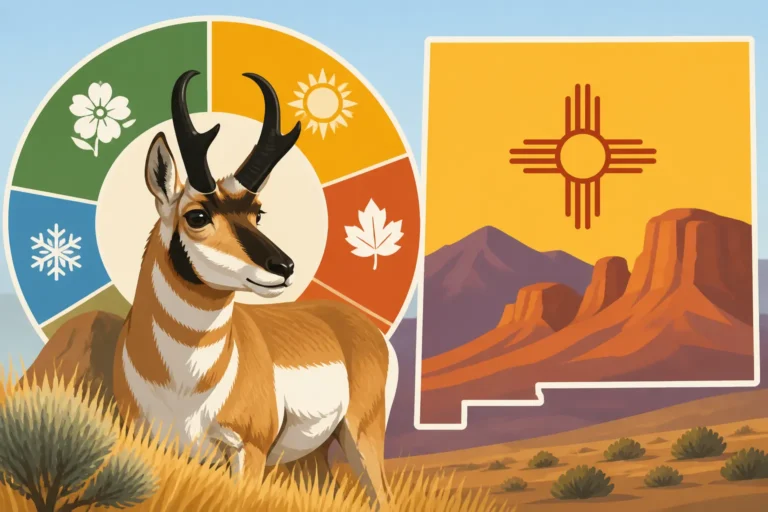
New Mexico’s "Any Legal Weapon" deer seasons are typically found in the late fall, running from October through December, with some variations depending on the unit and species (mule deer or Coues deer). Unlike the earlier archery windows, these hunts usually occur when the weather has cooled, often bringing with it a greater chance of snow in the higher elevations. This timing is strategic, aligning with key biological phases for deer, most notably the rut. These later seasons often provide some of the best opportunities for hunters seeking a mature buck, as deer activity increases significantly during the breeding season.
However, the specific timing can vary wildly by unit. Some units might have a single, week-long ALW hunt in late October, while others might offer multiple shorter windows stretching into November or even early December. This staggered approach is designed to distribute hunting pressure and manage specific herd objectives across the state’s incredibly diverse terrain. It also means you need to be meticulous when checking the draw supplement; a unit you're interested in might have an ALW season that falls outside your availability, or a later season might coincide perfectly with the peak of the rut, offering a distinct advantage. Understanding these nuances is crucial for strategic application and planning your hunt.
Geographical Influences on Season Timing
The vast and varied landscape of New Mexico plays a huge role in how and when "Any Legal Weapon" deer seasons are scheduled. You see distinct differences between the high, ponderosa-laden mountains of the north and the arid, broken desert country of the south. In the northern units, like those within the Carson National Forest or along the Sangre de Cristo range, deer seasons tend to be earlier in the fall, often in late October or early November. This timing aims to capitalize on deer still at higher elevations before heavy snow pushes them down into wintering grounds. The challenge here often involves Hunting New Mexico From 4,000 Feet to 10,000, navigating rugged terrain and potentially rapidly changing weather conditions.
Conversely, in the southern desert units, where Coues deer and desert mule deer roam, ALW seasons can stretch later into November and December, and sometimes even January in specific units. These later seasons often coincide with cooler temperatures, making the hunt more comfortable and potentially increasing deer activity as they become less nocturnal. The desert rut also typically occurs later than in the high country. For instance, you might find prime mule deer opportunities in the central mountain ranges in November, while a hunt for Coues deer in the "bootheel" region might be a late December or early January affair. These geographical variations mean that understanding the specific unit you're applying for is paramount; what works for a hunt near Chama won't necessarily apply to one near Lordsburg.
The Impact of Rut Timing on Success
The timing of the deer rut is arguably the single most important factor influencing success rates during an "Any Legal Weapon" deer season. For mule deer in New Mexico, the rut generally kicks into high gear from mid-November through early December, though this can fluctuate a bit depending on elevation and local conditions. During this period, bucks become significantly more active, abandoning their secretive, reclusive habits in search of does. This increased movement makes them more visible and vulnerable, often leading to better hunting opportunities. Bucks that were almost impossible to find just a few weeks prior might suddenly be spotted chasing does in open areas, throwing caution to the wind.
For Coues deer in the southern part of the state, their rut tends to peak later, often from late December through mid-January. This is why many southern Coues hunts are scheduled during this colder window. Hunting during the rut requires a slightly different strategy. Instead of focusing solely on food sources or bedding areas, hunters often shift their attention to doe groups, knowing that bucks will inevitably come looking for them. Glassing large areas from a vantage point becomes incredibly effective, as you can pick out moving deer that might otherwise remain hidden. While a non-rut hunt tests your tracking and still-hunting prowess, a rut hunt often becomes a test of patience, observation, and quick decision-making, as prime opportunities can materialize and disappear in an instant.
Key Units for Any Legal Weapon Deer Hunting
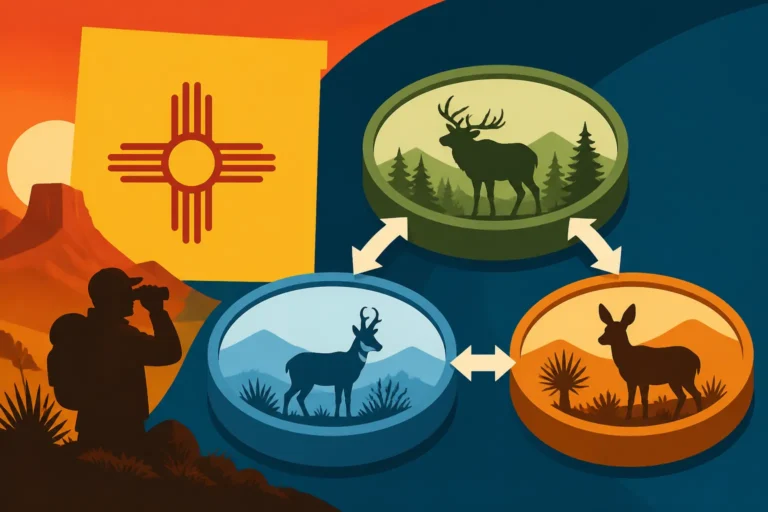
New Mexico offers a diverse range of units for Any Legal Weapon deer hunts, each presenting its own challenges and rewards depending on whether you're after mule deer, Coues deer, or even a chance at both. When evaluating units, it's crucial to look at public land access, historical success rates, and the type of terrain you're comfortable hunting. Websites like GoHunt provide excellent tools for researching draw odds and unit characteristics, helping you make informed decisions. Many hunters focus on the high country for trophy mule deer, while others cherish the unique challenge of hunting Coues in the desert.
Some of the most sought-after units are found in the central and northern mountain ranges. For example, units like 17, 34, and 36 in the Lincoln National Forest or units in the Gila region (though primarily primitive for deer, some ALW opportunities exist nearby or historically) are renowned for producing quality mule deer. These areas typically involve rugged terrain, significant elevation changes, and require physical conditioning and proper gear. On the flip side, units in the southern part of the state, such as 23, 24, and 27, are prime Coues deer country. These hunts are often characterized by vast, open desert landscapes punctuated by smaller mountain ranges and require intense glassing. Understanding the specific characteristics of each unit, including potential winter ranges and migratory paths, is vital for success.
Northern High Country Units for Mule Deer
When most hunters think of trophy mule deer in New Mexico, their minds often drift to the high country units. These are the rugged, pine- and aspen-covered mountains that define much of the northern and central parts of the state. Units like 34, which encompasses parts of the Lincoln National Forest, are legendary for their mule deer potential, offering significant public land access. Other units like 44, 45, and parts of the Carson National Forest in the north can also be prime territory. These units typically feature higher elevations, often ranging from 7,000 to over 10,000 feet, providing the cooler temperatures and diverse forage that mature mule deer thrive on.
Hunting these areas during an Any Legal Weapon season means being prepared for anything. You might encounter early season snow, sudden afternoon thunderstorms, or crisp, clear mornings. The terrain is often steep, requiring good physical conditioning and durable Choosing Boots for Rocky Desert Ground. Bucks in these areas tend to be more spread out but can often be found in secluded basins, dark timber pockets, or along the edges of burns where new growth provides abundant food. Access is often via forest service roads, but getting deep into the prime hunting grounds usually requires a good amount of foot travel. Successful hunters in these units often rely heavily on glassing from high vantage points, meticulously picking apart distant hillsides and canyon bottoms for the tell-tale signs of a mule deer.
Southern Desert Units for Mule Deer and Coues
Shift your focus southward, and you'll find a completely different deer hunting experience in New Mexico's desert units. These areas, characterized by expansive mesquite flats, Chihuahuan desert scrub, and isolated mountain ranges, are home to both desert mule deer and the elusive Coues deer. Units such as 23, 24, 27, and 26 (depending on the hunt code) are classic desert hunting grounds. While the landscape is starker and less forgiving than the high country, it holds its own unique beauty and challenge. Desert mule deer here tend to have lighter body weights and often sport impressive antlers, adapted to their harsh environment. Coues deer, often called the "grey ghost of the desert," are smaller-bodied but incredibly wily, providing an intense spot-and-stalk challenge.
Hunting these southern units during an ALW season often means focusing on water sources, especially during drier years, and diligently glassing vast expanses. The cover is sparse, forcing deer to rely on canyons, washes, and the shadows of mesquite for concealment. The rut for both species tends to be later here, pushing seasons into late November, December, and sometimes even January. This can be an advantage, as the cooler weather makes hunting more tolerable and deer activity can increase. The gear list changes, too; while good boots are still essential, you might prioritize lighter clothing for daytime heat, even in winter, and a reliable spotter and tripod for long-range observation becomes indispensable. Understanding Finding Water in New Mexico's Dry Country is a significant key to locating deer in these arid environments.
Units with Overlapping Species Potential
While most hunters target either mule deer or Coues deer specifically, some unique units in New Mexico offer the tantalizing possibility of encountering both, depending on the specific hunt boundary and elevation changes within the unit. These transitional zones can be incredibly exciting for the adventurous hunter, though it often requires a deeper understanding of the local terrain and how each species utilizes it. Typically, you'll find these overlap zones where higher elevation "islands" of mountains meet the surrounding desert floor.
In these overlapping units, a hunter might start their day glassing high ridges for mule deer in classic timbered habitat, and then descend into lower, more arid foothills or canyons to search for Coues deer. It's a challenging proposition, as you're effectively hunting two different species with potentially different behaviors and preferred habitats within the same tag. Units along the fringe of the Gila National Forest and its surrounding desert, or units in central New Mexico that transition from mountain ranges to expansive plains, might offer these dual opportunities. It's important to clarify the legalities of harvesting either species on your specific tag; generally, a deer tag allows for any legal deer, but confirming the species found in that unit is always wise. The key to success in these areas lies in thorough e-scouting, often utilizing tools from GoHunt to identify suitable habitat for both species, and then being incredibly adaptable once in the field.
Strategic Considerations for Success
Success in any New Mexico deer hunt, especially during an "Any Legal Weapon" season, hinges on more than just drawing a tag. It demands meticulous planning, adaptability, and a deep understanding of deer behavior and terrain. These hunts are often physically demanding, whether you're navigating steep mountain ascents or covering miles of broken desert. One of the primary frustrations for many hunters is feeling unprepared for the sheer scale of the landscape or the unexpected challenges that arise. However, by focusing on a few key strategic considerations, you can significantly tip the odds in your favor and turn potential frustrations into triumphs.
From dedicated preseason scouting to understanding how hunting pressure influences deer movement, every aspect plays a role. It's not just about having the right rifle; it's about knowing where to use it, when to be patient, and when to push. These strategies apply whether you're after a monster mule deer or a wily Coues buck. They are the backbone of a rewarding hunting experience in New Mexico, ensuring that you're not just hoping for luck, but actively working towards a successful harvest.
Scouting Before the Hunt
Effective scouting is the bedrock of a successful Any Legal Weapon deer hunt in New Mexico. You wouldn't embark on a major road trip without a map, and you shouldn't step into a new hunting unit without thoroughly scouting it. This process can be divided into two main phases: e-scouting and boots-on-the-ground scouting. E-scouting, using satellite imagery and mapping software like onX Hunt or those offered by GoHunt, allows you to become intimately familiar with a unit's topography, access points, water sources, and potential bedding and feeding areas long before you ever set foot there. Look for north-facing slopes with timber for bedding, south-facing slopes for early morning sun, and any natural funnels or saddles that deer might use to travel between them.
Once you have a few promising spots identified, boots-on-the-ground scouting is invaluable. If possible, visit the unit a few weeks or even months before your hunt. Look for fresh tracks, rub lines, scrapes, and feeding sign. Set up trail cameras in promising areas, though be aware of Trail Camera Rules on New Mexico Public Land. Pay attention to areas where deer are holding during different times of the day. This direct observation helps confirm your e-scouting findings and reveals subtle details that satellite images can't capture, such as prevailing wind patterns in canyons or the actual density of cover. The more time you invest in scouting, the less time you'll spend guessing during your actual hunt.
Hunting Pressure and How to Avoid It
Hunting pressure is a pervasive reality, especially in accessible public land units during Any Legal Weapon seasons, and it can significantly impact deer behavior and your success. When deer are constantly pushed by other hunters, they quickly become nocturnal, move to thicker cover, or completely vacate popular areas. The key to mitigating the effects of pressure is often to anticipate it and go where others aren't willing or able to go. This doesn't necessarily mean finding completely unhunted ground, but rather understanding common access points and working away from them.
One strategy is to identify areas that require significant physical effort to reach. These could be deep canyons, steep ridgelines, or remote pockets of public land that are landlocked or require a long walk. Most hunters will stick to within a mile or two of a road or ATV trail; pushing further can often put you into less disturbed habitat. Another tactic is to hunt mid-week if your schedule allows, as weekend pressure is almost always higher. Furthermore, consider hunting during less "prime" times of day, like midday, when many hunters are taking a break. Deer often use these lulls in activity to move. By being thoughtful about your entry and exit points, hunting deeper, and adapting to observed pressure, you can find pockets of unpressured deer even in popular units. Remember, deer will try to evade hunters, so think like a deer and anticipate their escape routes.
Adaptive Tactics for Different Terrain and Weather
New Mexico's diverse terrain and unpredictable weather demand a highly adaptable hunting strategy during Any Legal Weapon deer seasons. What works in the high, timbered mountains in October might be completely ineffective in the desert foothills in December. The ability to pivot your tactics based on conditions is a hallmark of a successful hunter. For example, in the northern mountains, if an early snowstorm hits, deer may concentrate in lower elevation wintering grounds or seek shelter in dense timber. Your strategy might shift from glassing open parks to still-hunting through thick stands of ponderosa.
In the desert, extreme heat can make deer almost entirely nocturnal. In such cases, focusing your efforts on dawn and dusk, particularly around limited water sources, becomes critical. If a cold front moves in, deer activity can pick up dramatically, making spot-and-stalk tactics more effective throughout the day. Wind is another massive factor; in deep canyons, Reading Wind in a Deep Gila Canyon is essential to prevent your scent from spooking game. Using terrain features to your advantage, whether it's the broken ground of the desert or the draws and benches of the mountains, is also vital for closing distance. Always have a backup plan, stay informed about weather forecasts, and be ready to change your approach based on what the animals and the environment are telling you.
Application and Draw: Getting Your Tag
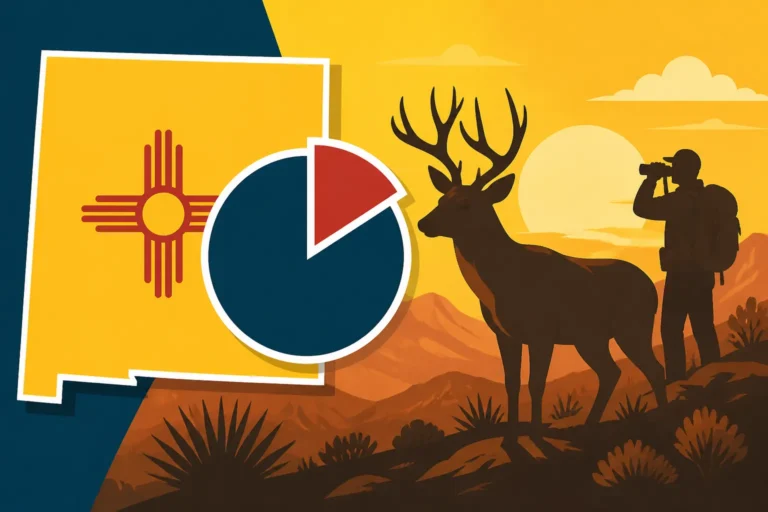
Securing an Any Legal Weapon deer tag in New Mexico generally involves navigating the state's lottery draw system. Unlike some states that offer over-the-counter tags for specific deer seasons, most desirable ALW deer hunts in New Mexico are quota hunts, meaning a limited number of tags are allocated through a random draw. This means you can't just walk into a store and buy one; you have to apply and hope your name is selected. This can be a source of frustration for many, especially non-residents who face steeper odds due to the state's allocation system which reserves 84% of tags for residents, 10% for outfitters (which non-residents can apply with), and only 6% for unguided non-residents.
The application period is a critical window, typically opening in January and closing in mid-March. Missing this deadline means missing out on the draw entirely. Therefore, careful planning and attention to detail are paramount. This involves understanding the application process, choosing your hunt codes wisely, and potentially considering strategies to improve your chances, such as applying with a reputable outfitter or looking into leftover license opportunities.
Understanding the Draw System for ALW Deer
New Mexico's draw system is somewhat unique because it doesn't utilize a preference point or bonus point system for species like deer. This means that every applicant, regardless of how many times they've applied unsuccessfully in the past, has an equal chance of drawing a tag each year. This can be both a blessing and a curse. While it gives first-time applicants the same odds as seasoned veterans, it also means there's no accumulated advantage for persistent applicants. Your success or failure truly comes down to luck of the draw. You can read more about How New Mexico Draw Odds Work Without Points in another one of our posts.
When applying, you typically get to list several hunt choices in order of preference. It's crucial to understand that if you draw your first choice, your application process ends there. If you don't draw your first choice, your application moves on to your second choice, and so forth. However, it's widely known that your best chance is almost always with your first choice, as very few tags are drawn on second or third choices for popular hunts. This makes strategic ordering of your choices vital; don't waste a high-demand first choice on a unit you don't truly desire, but also don't put an extremely low-odds hunt as your only option if you're determined to hunt this year. Websites like GoHunt offer valuable draw odds data that can help inform your decision-making process.
Maximizing Your Chances with Application Choices
Given New Mexico's draw system without preference points, maximizing your chances of drawing an Any Legal Weapon deer tag comes down to making intelligent application choices. The single most important factor is understanding the draw odds for each hunt code. You can find these statistics on the NMDGF website or through third-party services like GoHunt, which often present the data in a more user-friendly format. High-demand units with excellent trophy potential will naturally have much lower draw odds (e.g., 1-2% for non-residents, sometimes even single digits for residents). If you prioritize simply getting a tag, you might look for units with higher draw odds, even if the trophy potential is slightly lower.
Beyond raw odds, consider stacking your choices strategically. Your first choice should ideally be your dream hunt—the unit and season you truly want, even if the odds are slim. For your second and third choices, consider hunts with slightly higher odds, or in units that might be less popular but still offer a good hunting experience. Don't be afraid to consider a cow elk tag or a less glamorous deer unit if your primary goal is just to get out and hunt. Also, research any specific weapon restrictions within those "Any Legal Weapon" hunts; sometimes, a particular unit might have an ALW hunt that excludes certain firearms for a unique reason. The application process itself is usually online, and it's imperative to get your application submitted before The March Deadline for New Mexico Applications. A common mistake is waiting until the last minute and running into technical difficulties, so plan to submit your application well in advance.
Leftover Licenses and Over-the-Counter Options
While most desirable "Any Legal Weapon" deer tags are allocated through the primary draw, New Mexico does offer opportunities for leftover licenses and, in very specific cases, some over-the-counter (OTC) options, primarily for private land or less popular hunts. Leftover licenses become available after the main draw is complete, usually in late spring or early summer. These are tags for hunts that did not fill during the draw, often due to being undersubscribed or having unique restrictions. The sale of these licenses is typically first-come, first-served online, and they can sell out incredibly fast, sometimes within minutes.
These leftover opportunities are often a lifeline for hunters who didn't draw in the main lottery or decided to hunt last minute. They might include ALW deer tags in less-pressured units, or for specific season dates that are less popular. While these typically won't be the trophy units with 1% draw odds, they can still offer excellent hunting. It pays to be vigilant and monitor the NMDGF website closely after draw results are announced. As for true over-the-counter tags for public land, they are exceedingly rare for big game deer in New Mexico's ALW seasons. Most OTC opportunities are usually for private land licenses, where a landowner has received an allocation of tags that they can sell directly to hunters. These private land tags often come at a premium but guarantee a hunt if you're willing to pay the price and secure access. Always double-check the specific regulations annually, as rules can change.
Gear and Preparation for Any Legal Weapon Hunts
Preparing for an Any Legal Weapon deer hunt in New Mexico isn't just about packing a rifle; it's about assembling a comprehensive kit that can withstand the diverse environments and challenges the state throws at you. From the bitter cold of high-elevation November mornings to the scorching sun of a desert December afternoon, your gear needs to be as adaptable as your hunting strategy. This also includes preparing your body and mind for the rigors of the hunt. Many hunters underestimate the physical demands, leading to fatigue, missed opportunities, and even unsafe situations.
Having the right equipment, knowing how to use it proficiently, and being in the proper physical condition are just as vital as your chosen hunt unit or the sharpness of your hunting instincts. It's about building confidence in your setup, from your optics to your footwear, so that when the moment of truth arrives, you're not second-guessing your tools or your ability to perform.
Choosing the Right Rifle and Optics
For an Any Legal Weapon deer hunt, your rifle and optics are paramount. Given the potential for long shots across New Mexico's expansive landscapes, accuracy, reliability, and appropriate ballistics are key. While many calibers will ethically take a mule deer or Coues, some perform better than others, particularly when factoring in wind and distance. Popular choices include the .308 Winchester, .270 Winchester, 6.5 Creedmoor, and .30-06 Springfield. These offer a good balance of power, trajectory, and manageable recoil. For more open country, cartridges with flatter trajectories might be preferred. It's not just the caliber, but the specific bullet choice that matters; use a bullet designed for big game hunting that will expand reliably.
Your optics are equally critical. A high-quality rifle scope with sufficient magnification (e.g., 3-9x, 4-12x, or even 4-16x) is essential for precise shot placement at varying distances. Ensure your scope is zeroed properly for your typical engagement range, which might mean a Rifle Zero Distance for Canyon Country of 200 yards or more, depending on the terrain. Beyond your rifle scope, a good pair of binoculars (10×42 or 12×50 are popular) and often a spotting scope with a sturdy tripod are indispensable for thoroughly glassing vast landscapes, especially when hunting Coues deer or in open mule deer country. These tools allow you to find deer without spooking them, saving countless miles of walking.
Essential Hunting Gear for New Mexico Terrain
Beyond your weapon and optics, a comprehensive gear list is crucial for comfort, safety, and success in New Mexico's varied hunting terrain. Your clothing system needs to be adaptable for significant temperature swings; layering is key. Start with moisture-wicking base layers, add insulating mid-layers, and top it off with a windproof and waterproof outer shell. Even in the desert, nights and early mornings can be freezing, while daytime temperatures can soar.
Footwear is another non-negotiable item. You'll be covering a lot of ground, often over rocky, uneven, or steep terrain. High-quality, broken-in hunting boots with good ankle support are vital to prevent injury and ensure comfort. A reliable backpack capable of carrying water, food, extra layers, first-aid supplies, and potentially meat is essential. Don't skimp on navigation tools; a GPS device or a smartphone with reliable mapping apps (like onX Hunt) is necessary, especially when Reading a New Mexico Unit Boundary Before You Apply and staying on public land. Other essentials include a sharp knife, game bags, headlamp, fire starter, emergency shelter, and plenty of water, particularly for desert hunts where Water You Must Carry on a Desert Day Hunt can be surprisingly significant.
Physical Fitness and Mental Toughness
It's easy to focus on gear and strategy, but often overlooked is the personal preparation required for an Any Legal Weapon deer hunt in New Mexico: physical fitness and mental toughness. Whether you're chasing mule deer in the steep mountains of the Gila or stalking Coues in the vast, broken country of the southwest, these hunts are physically demanding. You'll likely be hiking miles each day, often at elevation, carrying a heavy pack. A lack of physical conditioning can quickly lead to fatigue, reducing your ability to make good decisions, cover ground, or even make an ethical shot when the opportunity arises.
Start preparing months in advance with a routine that includes cardio, strength training (especially for your legs and core), and hiking with a weighted pack. Simulate the demands of your hunt as closely as possible. But it's not just physical; mental toughness is equally vital. Hunting in New Mexico can be a grind. You might spend days seeing little to no game, battling weather, or facing setbacks. The ability to remain positive, persistent, and focused when things get tough is what separates successful hunters from those who give up. This means pushing through discomfort, staying alert even after long hours, and maintaining a positive attitude despite frustrations. The wild places of New Mexico reward those who are truly ready for the challenge, both body and mind.
Disclaimer
Please remember that hunting regulations, season dates, and unit boundaries can change annually. Always consult the most current New Mexico Department of Game and Fish (NMDGF) Rules and Information Booklet before planning and embarking on any hunt. This guide is for informational purposes only and should not be considered a substitute for official NMDGF regulations.