New Mexico Cougar Harvest Limits by Zone
Few things are as frustrating as planning a hunt, spending countless hours scouting, and then realizing you're not entirely sure about the specific rules for the zone you're in, especially when it comes to elusive predators like cougars. New Mexico’s cougar management is built around harvest limits that vary significantly by zone, designed to maintain healthy populations while offering hunting opportunities. This guide will walk you through the nuances of these zone-specific limits, helping you understand how they work and what you need to do to stay legal and ethical in your pursuit.
The Dynamic Nature of New Mexico Cougar Harvest Limits
Hunting cougars in New Mexico isn't just about finding tracks or calling in a big tom; it's also about understanding a very specific and dynamic regulatory framework. Unlike some big game species where limits might be a simple "one per season," cougars often have a more nuanced approach tied directly to localized population management. This system ensures that harvest levels are sustainable for the long term, adapting to various factors like habitat health, prey availability, and past harvest success. It's a testament to responsible wildlife management, but it places a significant responsibility on the hunter to stay informed.
Why Zone-Specific Limits Are Crucial
Imagine the vast, diverse landscapes of New Mexico – from the high peaks of the Sangre de Cristos down to the scrublands of the Bootheel. Predator populations, including cougars, don't exist uniformly across these areas. A healthy cougar population in one mountain range might be entirely different from a more stressed population in a desert unit. That's why a blanket statewide limit simply wouldn't work for effective management. Zone-specific limits allow the New Mexico Department of Game and Fish (NMDGF) to tailor management strategies to the ecological realities of each area. This targeted approach helps prevent overharvest in sensitive regions while still allowing opportunities where populations are robust. It's a delicate balance, and hunter compliance is absolutely essential to its success. Without these limits, a population could quickly decline in certain areas, leading to reduced hunting opportunities for everyone in the future.
How Harvest Zones are Established
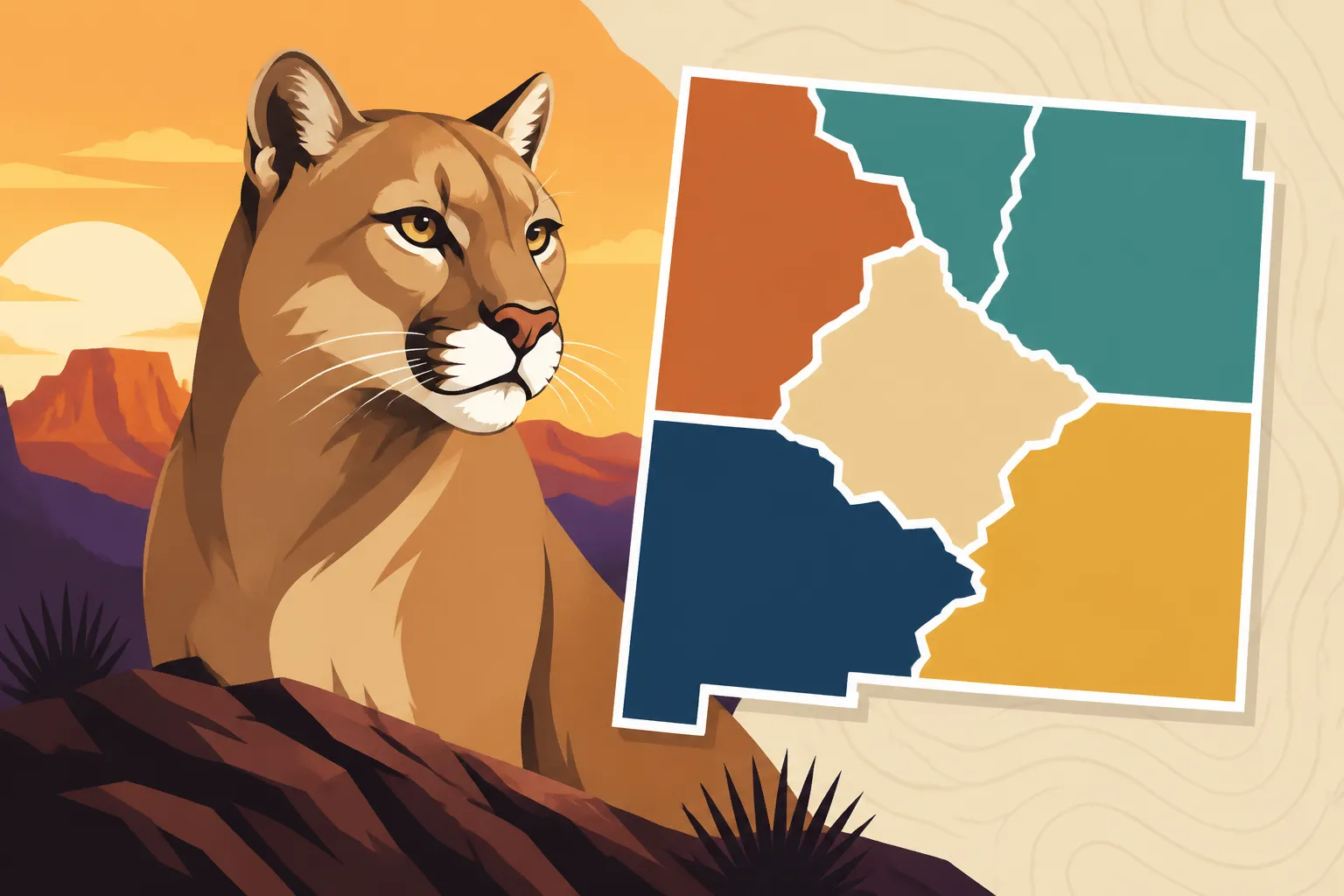
The NMDGF doesn't just draw lines on a map arbitrarily. These cougar management zones are typically established based on comprehensive biological data, including population surveys, historical harvest data, and habitat assessments. They often align with existing game management units or logical geographic features that define distinct cougar populations. The idea is to create units that reflect actual cougar distribution and density, allowing for a more precise management strategy. Once these zones are defined, specific harvest quotas are set for each, often differentiating between total cougars and female cougars. Females are a critical component of any population's reproductive capacity, so their harvest is often more tightly controlled to ensure future breeding success. Understanding these boundaries is critical; tools like those offered by Using onX Layers for New Mexico Public Land can be incredibly helpful in overlaying zone boundaries on your maps as you scout or hunt.
Navigating New Mexico's Cougar Management Zones
Once you grasp why zones exist, the next step is figuring out how to navigate them in practice. This involves not just knowing the initial limits but also actively monitoring the harvest progress throughout the season. Many a hunter has been caught off guard by a zone closing unexpectedly early because the female quota was met sooner than anticipated. It’s a real bummer when that happens, but it’s part of protecting the resource.
Understanding Quotas: Total vs. Female Limits
New Mexico cougar harvest limits usually come in two forms: a total overall quota for a specific zone and a sub-quota for female cougars. For example, a zone might have a total limit of 10 cougars, but within that, only 3 can be females. The reasoning is straightforward: female cougars are the reproductive engine of the population. Taking too many females can have a disproportionately negative impact on future generations. This dual-quota system helps ensure the long-term health of the cougar population by protecting its breeding core. As hunters, this means not only identifying a legal cougar but also being able to accurately determine its sex, often under challenging field conditions. This is where experience, good optics, and patience really come into play. Always be absolutely certain of the sex before you make the decision to harvest, especially if the female quota is close to being met.
Monitoring Zone Closures in Real-Time
This is perhaps the most critical, and often most stressful, aspect of cougar hunting in New Mexico. Because limits are set by zone and often include a female sub-quota, zones can and do close throughout the season without prior notice once their respective limits are reached. This isn't like a set season end date; it's a dynamic system. Hunters are responsible for checking the NMDGF website or calling the department's dedicated hotline before heading out and during their hunt to ensure their chosen zone is still open. Imagine driving hours to a remote trailhead, only to discover upon arrival (or worse, after harvesting) that the zone closed the day before. It happens, and it's a lesson you only want to learn once. Many experienced hunters make checking the status an absolute ritual, often multiple times a day if they are deep in a zone where the limits are tight. Tools like GoHunt can sometimes provide alerts or direct access to these updated numbers, but always cross-reference with the official NMDGF source. You can find detailed information about monitoring these limits in the annual proclamation or by visiting the NMDGF website, often under "Harvest Reporting" or "Current Conditions." For further details on season structures, you might find New Mexico Cougar Season and Zone Limits helpful.
Example: How Harvest Limits Might Be Structured
While specific numbers are dynamic and change each season based on NMDGF biological data, the structure of cougar harvest limits by zone generally follows a predictable pattern. The table below illustrates a hypothetical example of what you might encounter when reviewing the official New Mexico hunting proclamation. Remember, these are illustrative examples only, and you absolutely must consult the current year's NMDGF big game rules and information booklet for precise, up-to-date figures before planning your hunt. The actual harvest zones are typically aligned with the established Game Management Units (GMUs) to simplify regulation and tracking.
| Zone (Example GMUs) | Total Harvest Limit (Illustrative) | Female Sub-Quota (Illustrative) | Monitoring Type | Notes |
|---|---|---|---|---|
| Northern Mountains (e.g., Units 4, 5A, 6A) | 12 cougars | 4 female cougars | Real-Time Monitoring | Zone closes immediately when either limit is reached. |
| Central Highlands (e.g., Units 17, 21) | 8 cougars | 3 female cougars | Real-Time Monitoring | High priority on protecting breeding females. |
| Southwest Wilderness (e.g., Units 15, 16) | 15 cougars | 5 female cougars | Real-Time Monitoring | Remote access may make real-time updates critical. Why Unit 15 Is a Primitive Weapons Unit often has strong cougar populations. |
| Southeast Deserts (e.g., Units 28, 30) | 6 cougars | 2 female cougars | Real-Time Monitoring | Lower density populations often lead to tighter limits. |
Again, this table is purely for demonstrating the type of information you'd find. The key takeaway is that each zone has distinct numbers, and the NMDGF actively monitors these limits, closing zones as soon as a quota is met. Always refer to the most recent official sources for current regulations. You can find out Where the Current New Mexico Regulations Are Posted and learn more by Reading the New Mexico Rules and Info Booklet.
Essential Information for the Cougar Hunter
So, you’ve got a handle on the zones and quotas. Great! But what does this mean for you, boots on the ground? Beyond just checking the harvest status, there are several practical considerations that are paramount for a successful and legal cougar hunt in New Mexico. This isn't a species you just stumble into; it requires dedication, specific tactics, and a deep respect for the animal and the rules.
Reporting Your Harvest
This is non-negotiable and incredibly important for New Mexico’s cougar management. If you are fortunate enough to harvest a cougar, you are required to report it to the NMDGF within a specific timeframe, usually within 24 hours. This isn't just a formality; it's how the department tracks harvest progress against the established quotas. Your timely report directly contributes to accurate management and helps ensure that other hunters aren't mistakenly hunting in a closed zone. The reporting process typically involves contacting the NMDGF directly via phone or online portal, and you'll receive a confirmation number. After the initial report, there are usually further requirements, such as physically presenting the carcass for inspection and mandatory pelt tagging. These additional steps allow biologists to collect valuable data on age, sex, and health of the harvested animal. Failing to report or tag properly can lead to serious legal consequences, so make sure you understand the New Mexico Cougar Pelt Tagging Requirements fully before you head afield.
Understanding Season Dates and Methods
While the harvest limits by zone are dynamic, there are also fixed season dates that dictate when cougar hunting is permitted. These seasons vary depending on the method of take, such as archery, rifle, or the use of hounds. New Mexico permits the use of hounds for cougar hunting, which is a specialized and highly effective method, but it comes with its own set of rules and ethical considerations. If you're planning on Hunting New Mexico Cougars Behind Hounds, be prepared for a physically demanding experience and make sure you're familiar with all associated regulations. Regardless of your chosen method, always confirm the specific season dates for your unit in the official proclamation. Combining this knowledge with the real-time harvest limits ensures you're hunting during an open season and in an open zone. Remember that even within open seasons, certain restrictions like baiting are generally not allowed for big game, so always double-check Baiting and Trail Camera Rules in New Mexico if you have any questions.
Gear and Tactics for Success within Limits
Cougar hunting is not for the faint of heart. These animals are incredibly secretive and inhabit some of New Mexico's most rugged terrain, from dense timber to vast, broken desert country. Your gear needs to be up to the task. This includes durable, comfortable boots for covering miles, high-quality optics for spotting subtle sign, and a reliable rifle or bow. If you're going after cougars without hounds, it often involves extensive tracking, calling, or even setting up over a fresh kill. Success often hinges on your ability to read tracks, understand cougar behavior, and be incredibly patient. For those considering hound hunting, it demands a different set of skills, including excellent physical conditioning to keep up with the dogs across unforgiving landscapes. Given the real-time closure potential, having satellite communication devices like a Garmin inReach or similar is a smart move, allowing you to check zone status even in areas without cell service. This could save you a wasted trip or, worse, a legal infraction.
Resources and Responsible Hunting Practices
Being a responsible cougar hunter in New Mexico extends beyond just knowing the rules; it's about actively engaging with the resources available and practicing ethical behavior in the field. The NMDGF works hard to provide the information you need, but it's up to you to utilize it effectively.
Official NMDGF Resources
Your absolute best source for current and accurate information on cougar harvest limits, zone closures, and all related regulations is the New Mexico Department of Game and Fish itself. Their website is typically updated regularly, and they often provide dedicated phone numbers for harvest reporting and status checks. It cannot be stressed enough: always, always consult the official NMDGF annual proclamation and any in-season updates. Relying on outdated information, hearsay, or unverified online sources can lead to severe disappointment or legal trouble. Before every hunt, make it a habit to check the NMDGF website, specifically looking for the "Current Harvest Quotas" or "Cougar Management" sections. This due diligence is a critical component of ethical hunting and helps manage the resource effectively for everyone.
Utilizing Mapping and E-Scouting Tools
In today's age, technology is an indispensable ally for hunters. Mapping applications like those from OnX Hunt, BaseMap, or even Google Earth, combined with real-time data from NMDGF, can significantly enhance your ability to hunt legally and successfully. You can download public land layers, identify game management unit boundaries, and often overlay special zone boundaries. This allows you to plan your hunt meticulously, ensuring you are always within the correct zone and aware of its limits. Before you even set foot in the field, E-Scouting a New Mexico Unit Before the Season can help you visualize the terrain, potential travel corridors for cougars, and identify remote areas where pressure might be lower. Knowing your unit boundaries and understanding the surrounding landscape is especially crucial when navigating dynamically closing zones. Integrating these tools into your pre-hunt planning can save you time, effort, and potential headaches.
The Role of Hunter Education and Ethics
Ultimately, successful and responsible cougar hunting is built on a foundation of solid hunter education and unwavering ethics. Understanding the complex management system for cougars reflects a deeper respect for wildlife and the hunting tradition. If you're new to hunting in New Mexico or haven't taken a course in a while, refreshing your knowledge with a hunter education course can be invaluable. The New Mexico Hunter Education Requirement ensures a baseline of safety and responsibility, but ethical considerations go much further. This includes making quick, clean kills, retrieving all harvested animals, and respecting private property boundaries. For cougar hunting specifically, understanding the ecological role of predators and supporting sound management practices is paramount. The NMDGF manages a variety of predators, including Black Bear and Cougar Across New Mexico, and your participation in the harvest reporting system is crucial to their overall conservation efforts.
Disclaimer
This article is for general informational purposes only and does not constitute professional advice. Laws, prices and regulations vary by location and change over time. Consult a qualified professional for guidance on your specific situation.