Why Unit 15 Is Called the Finest in the Gila
For many hunters dreaming of chasing elk and deer in the Land of Enchantment, the name "Unit 15" in New Mexico often comes up, spoken with a mixture of reverence and longing. But what exactly makes this particular corner of the Gila National Forest so legendary? This guide aims to pull back the curtain and explore why Unit 15 has earned its reputation as one of the finest big game units in New Mexico, attracting hunters from across the country.
The Unique Terrains and Ecosystems of Unit 15
Unit 15 isn't just another patch of wilderness; it's a tapestry woven from diverse habitats, each contributing to an ecosystem that consistently supports thriving populations of big game. This intricate natural design is a primary reason for its revered status among hunters.
Diverse Habitats Supporting Thriving Wildlife
Step into Unit 15, and you'll immediately notice the incredible variety in its landscape. You've got towering stands of Ponderosa pine, their needles carpeting the forest floor, giving way to shimmering aspen groves in higher elevations that blaze with color in the fall. Then there are the deep, rocky canyons carved by ancient waterways, contrasted with expansive, grassy parks and meadows perfect for grazing. This patchwork quilt of environments isn't just beautiful; it's a biological powerhouse. Elk and mule deer find everything they need here: the thick timber offers crucial bedding and security cover, while the open parks and riparian areas provide abundant forage. The variety means that animals can move between different microclimates and food sources throughout the year, making them incredibly adaptable and resilient. This rich habitat diversity is a critical factor in Why New Mexico's Gila Grows Big Bulls, creating the perfect conditions for animals to grow to impressive sizes.
What's more, the varied terrain offers different advantages depending on the season. During early archery hunts, elk might be found bugling in the cooler, timbered canyons, while later rifle seasons could see them moving to sunnier slopes or deep into the ponderosa. This ecological complexity demands that hunters be versatile and skilled in reading the landscape, constantly adapting their approach to what the environment and the animals are telling them. It's not a monoculture; it's a dynamic, living system that truly puts the "wild" back in wilderness hunting.
Water Sources and Their Importance
In the arid West, water is life, and Unit 15 is exceptionally blessed in this regard. While many New Mexico units suffer from unreliable water sources, leading to scattered game and challenging hunts, Unit 15 boasts a network of consistent rivers, perennial streams, springs, and seeps. The San Francisco River and Tularosa River, along with numerous smaller tributaries, crisscross the unit, providing vital hydration for all wildlife.
During the scorching early seasons, when temperatures can soar, these reliable water sources become magnetic hubs for elk and deer. Animals will travel considerable distances to drink, creating predictable patterns that astute hunters can key into. Knowing where these crucial water points are, and understanding how game animals use them, is paramount to success. It's not just about drinking; these riparian corridors also provide lush vegetation that remains green longer, offering a consistent food source even when the uplands dry out. Hunters who dedicate time to scouting water sources, whether through on-the-ground recon or detailed e-scouting with tools like GoHunt, often gain a significant advantage. This consistent access to water contributes directly to the health and vitality of the herds, allowing animals to thrive and reach their full potential, year after year.
Game Quality and Historical Significance
Unit 15 isn't just known for its quantity of game; it's particularly celebrated for the quality of animals it produces. This reputation is built on a foundation of excellent genetics, stringent management practices, and a history of yielding truly exceptional trophies.
A Legacy of Trophy Bulls and Bucks
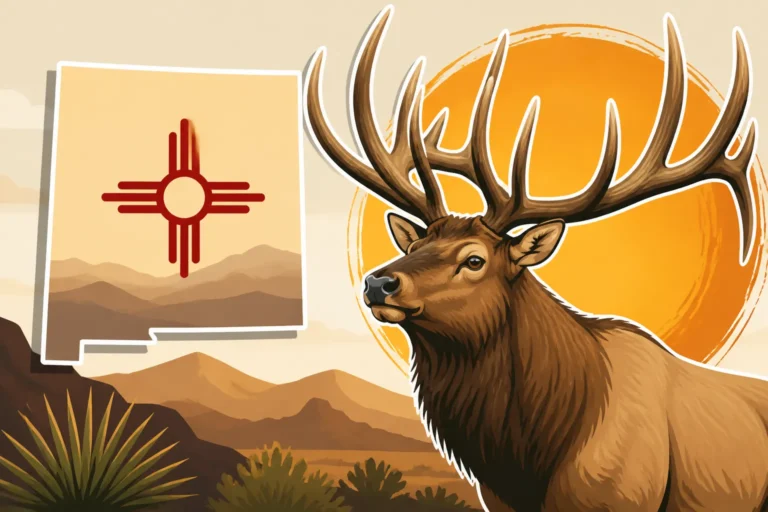
The stories of massive bull elk and heavy-antlered mule deer bucks coming out of Unit 15 are not just campfire tales; they're well-documented facts that contribute to the unit's legendary status. This unit has a long and proud history of producing mature, trophy-class animals, making it a dream destination for many a hunter. The genetic potential within the Gila's elk and deer populations is already strong, but in Unit 15, that potential is often realized due to favorable conditions and smart management. Animals here have the chance to grow old, to put on those extra inches of antler, and to reach their peak physical maturity. This isn't a unit where every hunter sees a Boone and Crockett contender, but the potential is undeniably there in a way that few other public land units can match.
The excitement of drawing a Unit 15 tag isn't just about the hunt itself; it's about the tangible possibility of encountering a truly magnificent animal. Hunters who invest their time and effort into understanding the unit's unique challenges and opportunities often find that the reward lives up to the hype. It's a place where dedicated scouting, whether through digital tools or boots on the ground, can truly pay off, as detailed in E-Scouting a New Mexico Unit Before the Season. The prospect of seeing a genuinely old, wise bull or a majestic mule deer buck in its prime is what drives many to apply for this coveted unit, year after year.
Management Strategies That Foster Quality
Behind Unit 15's reputation for quality lies a strategic approach to game management, particularly its designation as a primitive weapons unit. This is a critical distinction, as detailed in Primitive Weapons Hunting in New Mexico's Unit 15 and What Makes a Weapon Primitive Under the Rules. By limiting hunting to muzzleloaders, archery equipment, and other traditional methods, the New Mexico Department of Game and Fish intentionally reduces overall hunter pressure and influences animal behavior. Primitive weapons hunts typically have lower harvest rates compared to "any legal weapon" seasons, which in turn allows more animals to survive each season and reach older age classes. This, quite simply, equals bigger antlers and more mature animals.
Furthermore, the unit’s overall tag allocation contributes to this management goal. Like all New Mexico hunts, tags are distributed through pools: The 84 Percent Resident Allocation in New Mexico, The 10 Percent New Mexico Outfitter Pool, and The 6 Percent New Mexico Nonresident Allocation. While these allocations define who gets tags, the number of tags issued for Unit 15 is often conservative, ensuring that the elk and deer populations remain healthy and continue to produce exceptional trophies. This combination of limited weaponry and controlled tag numbers creates an environment where quality is prioritized, setting Unit 15 apart as a prime destination for hunters seeking a truly challenging and potentially rewarding experience.
Access Challenges and Their Benefits
One of the defining characteristics of Unit 15, and a major contributor to its status, is its inherent difficulty of access. What might seem like a drawback to some is, in fact, a significant advantage for those willing to embrace the challenge.
Wilderness and Roadless Areas
A substantial portion of Unit 15 falls within designated wilderness and expansive roadless areas. This means no motorized vehicles beyond the main access points, no mountain bikes, and often, limited or unmaintained trails. For many hunters, this sounds daunting, but it’s precisely what preserves the unit’s pristine nature and allows game animals to thrive undisturbed. Animals in these remote areas are less pressured, more likely to follow natural patterns, and often grow larger simply because they encounter fewer humans. The wilderness designation acts as a natural filter, ensuring that only the most dedicated and physically prepared hunters venture deep into its core.
The payoff for this effort is immense: true solitude, untouched landscapes, and animals that haven't been constantly harassed. However, it demands a high level of self-sufficiency. You need to be prepared for multi-day pack trips, carrying everything you need on your back or with the help of horses. Skills like backcountry navigation, survival, and emergency preparedness become paramount. It's in these remote stretches that you truly connect with the wild, far from the sounds of civilization. For those who embrace it, the effort of Packing an Elk Out of the Gila Alone or preparing for the physical demands like Altitude Preparation for a Gila Elk Hunt becomes an integral part of the experience, deeply enriching the hunt itself.
Navigating the Terrain and Regulations
Beyond the lack of roads, the terrain of Unit 15 itself presents considerable navigational challenges. You’re often dealing with steep, broken canyons, dense stands of timber, and high-desert mesas. The elevation changes can be dramatic, demanding excellent physical conditioning and robust gear. Reading a topographical map and understanding contour lines becomes not just a skill, but a necessity. Relying on advanced mapping applications like those offered by GoHunt becomes invaluable for identifying trails, water sources, and potential bedding areas. These tools, paired with a solid understanding of the land, help you make sense of the vast, intricate landscape.
Moreover, hunting in a unit with specific designations like "primitive weapons" means understanding a different set of rules. This includes caliber restrictions, projectile types, and even rules about optics on muzzleloaders. Before you even apply for a tag, you need to thoroughly familiarize yourself with Reading a New Mexico Hunt Code Before You Apply and the specific regulations for Unit 15. The effort required to understand and respect these nuances is part of what preserves the integrity and quality of hunting in this remarkable unit. It’s a place that asks more of you, but in return, offers an unparalleled hunting experience.
What a Unit 15 Hunt Really Entails
Drawing a Unit 15 tag isn't just winning a lottery; it's earning an invitation to a truly unique and demanding hunting experience. This isn't a casual affair; it’s an undertaking that requires significant preparation, mental toughness, and a genuine love for the wilderness.
The Commitment Required
A Unit 15 hunt is not something you decide on a whim. It demands a serious commitment that begins long before you even step foot in the unit. First, there's the physical preparation. Whether you’re a resident or non-resident, the Gila’s rugged topography and high elevations will test your endurance. Training for sustained hiking with a heavy pack, often through steep and broken terrain, is crucial. This means dedicated workouts, long hikes, and getting your body ready for the demands of hunting at elevation. Many hunters spend months, even a year or more, getting into shape specifically for a Gila hunt.
Beyond physical fitness, there's the time commitment for research and scouting. Even with the best digital tools, understanding the nuances of such a vast wilderness takes effort. This might involve multiple scouting trips, pouring over maps, and studying historical game movements. Then, during the actual hunt, you need to be prepared for multi-day excursions away from any amenities, often packing in all your supplies and camping in remote areas. This level of planning and sustained effort weeds out the less determined, ensuring that those who do hunt Unit 15 are deeply invested in the experience. The challenge isn't just part of the allure; it's a fundamental aspect that contributes to the unit's ability to consistently produce top-tier results.
The Potential Rewards
Despite the demanding nature, the rewards of a successful Unit 15 hunt are immeasurable. Imagine slipping through ancient Ponderosa forests, the quiet broken only by the crunch of pine needles underfoot, and then hearing the guttural challenge of a bull elk echo through a canyon. Or spotting a magnificent mule deer buck, wise and elusive, in a remote basin that few ever reach. This is the essence of a Unit 15 hunt—an opportunity to pursue truly wild, mature animals in one of the most breathtaking and challenging landscapes in the American West.
The solitude and beauty of the Gila Wilderness are experiences in themselves. Away from roads and crowds, you’re immersed in nature, connected to the land in a profound way. And should you be fortunate enough to harvest an animal, the sense of accomplishment is unlike any other. It’s not just about the trophy; it’s about proving your mettle against a formidable environment and outsmarting an animal in its natural domain. The memories forged on a Unit 15 hunt, whether successful in harvest or not, will last a lifetime, solidifying its reputation as the finest in the Gila.
To further illustrate the unique aspects of Unit 15, here's a comparative overview:
| Feature | Unit 15 (Primitive Weapons) | Typical Gila Unit (Any Legal Weapon) |
|---|---|---|
| Weapon Restriction | Archery, Muzzleloader (specific calibers), Crossbow (specific rules) | Archery, Muzzleloader, Rifle, Shotgun (with slugs), Crossbow |
| Hunter Pressure | Generally Lower due to primitive weapon rules and access | Varies, but often higher, especially during rifle seasons |
| Access Difficulty | High (significant wilderness/roadless areas, requires packing in) | Moderate to High (some road access, but also rugged backcountry) |
| Game Quality Potential | Very High (more mature animals due to lower pressure) | High (but fewer older age-class animals due to higher harvest rates) |
| Physical Demands | Very High (extensive hiking, packing heavy loads, elevation) | High (rugged terrain, elevation, but may have closer road access points) |
| Typical Hunt Duration | Often multi-day backcountry trips | Can range from day trips to multi-day hunts |
| Solitude | High | Moderate to High (less in areas with road access) |
Disclaimer
This article is for general informational purposes only and does not constitute professional advice. Laws, prices and regulations vary by location and change over time. Consult a qualified professional for guidance on your specific situation.