Do EPLUS Tags Bypass the New Mexico Draw?
Navigating New Mexico's hunting landscape can feel like deciphering an ancient map, especially when you're trying to figure out how to get your hands on a coveted tag. Many hunters, frustrated by the low odds in the public draw, look for alternative paths to pursue big game, and the EPLUS system often comes up in conversation. If you've ever wondered if EPLUS tags offer a way to bypass the grueling New Mexico draw, you're not alone in seeking clarity on this unique program. This guide will walk you through exactly what EPLUS tags are, how they function, and if they truly provide an "end-run" around the traditional draw system.
Understanding New Mexico's EPLUS System: What It Is and How It Works
Let's cut right to it: yes, EPLUS tags do bypass the public draw system in New Mexico, but not in the way you might initially imagine. They don't give you a shortcut into the public draw; instead, they represent an entirely separate allocation of hunting authorizations. The frustration of applying year after year, throwing your hat in the ring for a chance at a public land tag in New Mexico, is a feeling many of us know all too well. The New Mexico Game and Fish Department recognizes the critical role private landowners play in habitat conservation and wildlife management, especially for species like elk that frequently cross between private and public lands.
The EPLUS program, which stands for Elk Private Land Use System, was specifically created to incentivize private landowners to manage their property for elk habitat. In return for their efforts, landowners receive a certain number of elk authorizations (tags) that they can then sell or distribute. These authorizations are additional to the tags allocated through the public draw and the outfitter draw. Think of it as a parallel universe of elk tags. While the public draw for elk tags in New Mexico is a lottery where luck is the primary factor, securing an EPLUS tag is a transactional process – you're purchasing it directly from a landowner or an outfitter who has acquired them. This means you don't submit an application through the Game and Fish draw portal for an EPLUS tag; you arrange the purchase directly.
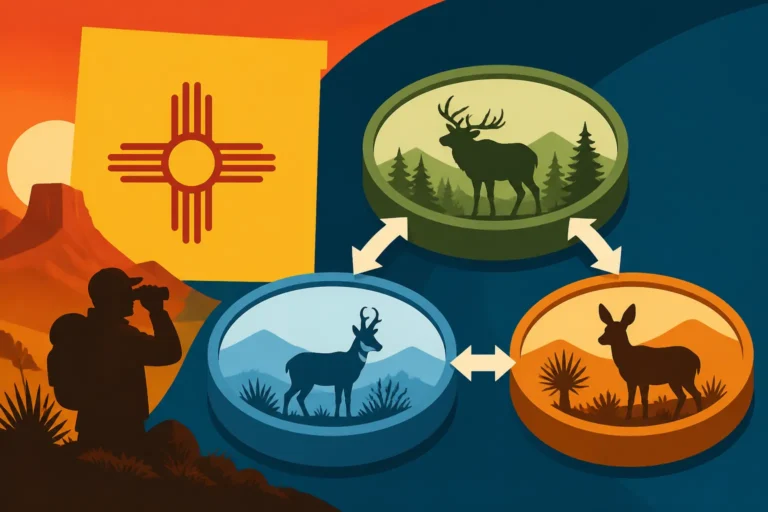
This system is quite distinct from the standard process outlined in guides like New Mexico Splits Every Hunt 84, 10 and 6 Percent, which details the typical allocation pools for public land hunters and outfitters. The EPLUS system operates outside those percentages, creating a completely different avenue for hunters to secure a tag. It’s a way for the state to acknowledge and support private land stewardship while also providing more hunting opportunities. For many, particularly non-residents or those with limited time who can't afford to wait years to draw, EPLUS can be a game-changer, offering a guaranteed tag in exchange for a higher financial investment. Websites like GoHunt often feature discussions and sometimes even listings related to EPLUS tags, helping hunters understand these unique opportunities.
The Mechanics of Acquiring an EPLUS Authorization
So, if you're not applying through the traditional draw, how exactly do you get one of these EPLUS authorizations? It’s a process that involves direct engagement with landowners or registered outfitters. The EPLUS system relies on landowners to apply for and receive these authorizations based on the amount of elk habitat they manage on their private property.
Landowner Applications and Tag Distribution
First and foremost, it starts with the landowners. They submit an application to the New Mexico Department of Game and Fish, detailing their property, its size, the elk numbers it supports, and their habitat management practices. Based on these factors, and usually tied to a specific game management unit, the department issues a certain number of EPLUS authorizations to the landowner. These aren't just arbitrary handouts; they're calculated to ensure sustainable harvest and align with the state's overall wildlife management goals.
Once a landowner has these authorizations, they have a few options: they can use them themselves, give them to family or friends, or, most commonly, sell them. This is where hunters come in. The tags become available through direct sales or via outfitters who have agreements with landowners. When you're looking into New Mexico EPLUS Authorizations Work, you'll see that the landowner is essentially acting as an intermediary, making these tags available outside the general draw. The beauty of this system, from a hunter's perspective, is the predictability. You pay for the tag, and it's yours. No more crossing your fingers for draw results that often lead to disappointment.
Buying Direct from Landowners or Through Outfitters
Acquiring an EPLUS tag typically happens in one of two ways:
- Direct from the Landowner: Some landowners advertise their EPLUS tags directly, often through their own websites, hunting forums, or local connections. This can sometimes offer a slightly lower price point, as you're cutting out the outfitter's commission. However, it also means you're often responsible for all the hunt logistics yourself – scouting, guiding, camp setup, and game retrieval.
- Through a Licensed Outfitter: Many New Mexico outfitters secure EPLUS authorizations from landowners and then package them as part of a guided or semi-guided hunt. This is a very common route, especially for hunters coming from out of state or those unfamiliar with the terrain. Outfitters usually have established relationships with landowners, access to prime private land, and can even offer access to adjacent public lands. While this option is typically more expensive due to the included services, it provides a comprehensive hunting experience. You might be interested in reading about Questions to Ask a New Mexico Outfitter to ensure you choose a reputable guide if this is your chosen path. Outfitters who secure EPLUS tags often provide services ranging from basic camp support to fully guided, all-inclusive hunts. When exploring opportunities, resources like GoHunt often provide forums or outfitter directories where you can find leads on EPLUS tag availability and reputable outfitters.
Unit-Wide vs. Ranch-Only EPLUS Tags
It's crucial to understand the distinction between unit-wide and ranch-only EPLUS authorizations, as this significantly impacts where you can hunt.
- Ranch-Only Authorizations: These tags restrict you to hunting only on the specific private land property for which the EPLUS authorization was issued. You cannot hunt adjacent public land with a ranch-only tag, even if the elk regularly cross property lines. This is a vital detail, as mistakenly hunting public land with a ranch-only tag can lead to serious legal trouble.
- Unit-Wide Authorizations: These are the more flexible and generally more sought-after EPLUS tags. A unit-wide EPLUS authorization allows you to hunt on the private land where the tag originated and on any open public land within the specified game management unit during the legal season dates. This greatly expands your hunting opportunities and flexibility, making it a much more desirable option for many. When considering Buying a New Mexico EPLUS Elk Authorization, always clarify whether the tag is ranch-only or unit-wide. The price often reflects this flexibility, with unit-wide tags typically commanding a higher premium.
The cost of EPLUS tags varies wildly depending on the unit, the quality of the elk, whether it's unit-wide or ranch-only, and the outfitter's services (if applicable). Prices can range from a few thousand dollars for a ranch-only cow tag to well over $10,000 for a prime unit-wide bull tag with a full-service outfitter. This financial commitment is a significant factor in deciding if EPLUS is the right path for you.
Comparing EPLUS Tags to the Public Land Draw
Now that we understand how EPLUS tags work, let's stack them up against the traditional public land draw. Many hunters struggle with the agonizing wait and low odds of the draw, often wondering if there’s a better way. The EPLUS system certainly offers a different experience, with its own set of pros and cons.
Draw Odds vs. Guaranteed Purchase
The most glaring difference is the certainty of obtaining a tag.
- Public Draw: This is a lottery system. While first-time applicants generally have the same odds as someone who has applied for years (New Mexico does not use a preference point system), the reality is that for popular units and species, the odds can be incredibly low – sometimes less than 1-2%. You might apply for a decade and never draw your dream tag. This can be incredibly disheartening, especially when you've put in the time for E-Scouting a New Mexico Unit Before the Season and physical preparation.
- EPLUS Tags: These offer a guaranteed tag. Once you've agreed on a price and completed the purchase with a landowner or outfitter, the tag is yours. There's no waiting, no hoping, just a confirmed authorization to hunt. This certainty allows for far more reliable planning, especially for hunters traveling long distances or with limited vacation time.
Access Implications: Private vs. Public Land
The type of land you can access is another major differentiator.
- Public Draw: A public draw tag grants you access to all legal public hunting lands within the specified game management unit. This includes vast expanses of National Forest, BLM lands, and State Trust Lands (provided you have the necessary A New Mexico License Is Your State Trust Land Easement). This can mean incredible solitude and the challenge of true DIY backcountry hunting, exploring areas like the Gila National Forest. However, it also means navigating public pressure, finding game on often heavily hunted land, and dealing with challenging terrain.
- EPLUS Tags: As discussed, this depends on whether it's ranch-only or unit-wide. A unit-wide EPLUS tag offers the best of both worlds, allowing access to the private ranch and adjacent public lands. This can be a huge advantage, as private lands often act as sanctuaries, holding significant numbers of elk that then spill over onto public ground. Ranch-only tags, while guaranteed, limit your movement to a specific private property. This can be fantastic if the property has excellent habitat and holds game, but restrictive if the elk patterns shift or the property is small.
Cost Comparison
Here's where the rubber truly meets the road for many hunters.
- Public Draw: The cost involves a non-refundable application fee (typically under $10 for elk) and, if successful, the cost of the actual license and tag (e.g., a nonresident bull elk tag might be around $550-700, plus an annual game hunting license, HMAV, and Habitat Stamp). These costs are relatively low, making it an attractive option for budget-conscious hunters. However, factoring in years of unsuccessful application fees can add up.
- EPLUS Tags: This is a significantly higher financial investment. The price of an EPLUS tag alone, before any outfitter services, can range from $2,000 to $10,000 or more, depending on the unit, species, and tag type (cow/bull, ranch-only/unit-wide). If you add a guided hunt, the total cost can easily reach $10,000-$20,000 or even higher. This price reflects the guaranteed tag, the private land access, and often the higher success rates associated with hunting managed private ground. This is a major consideration, and why it's often seen as an option for those who prioritize a guaranteed hunt and success over cost savings.
Hunt Experience Differences
The actual hunting experience can also differ substantially.
- Public Draw (DIY): This is the quintessential Western hunt for many – rugged, challenging, and deeply rewarding. You're responsible for everything: scouting, navigation, calling, packing out game, and dealing with unexpected challenges. It often means a physically demanding hunt in vast wilderness areas like the Gila National Forest as New Mexico Elk Country. The success is entirely your own, making the harvest incredibly meaningful.
- EPLUS (Guided): While you can purchase an EPLUS tag and do a DIY hunt on private land, many EPLUS hunters opt for guided services. This means comfortable camps, prepared meals, experienced guides who know the land and the elk patterns, and help with game retrieval. The focus can shift more towards the hunt itself and less on the logistics. It can be a highly successful and comfortable experience, often leading to better shot opportunities. For hunters who are less experienced, have physical limitations, or simply want a higher chance of success, this can be an ideal route.
Here's a quick comparison table:
| Feature | New Mexico Public Draw | New Mexico EPLUS Tag |
|---|---|---|
| Tag Acquisition | Lottery system (low odds) | Direct purchase (guaranteed tag) |
| Cost (Tag Only) | Low (application fee + tag fee) | High (market price, often thousands) |
| Land Access | All open public land in unit | Private land (Ranch-Only) OR Private + Public land in unit (Unit-Wide) |
| Outfitter Requirement | Optional | Optional, but common for services |
| Planning Certainty | Low (dependent on draw success) | High (guaranteed tag) |
| Hunt Experience | Often DIY, challenging, high effort | Can be DIY or fully guided, higher success potential, more amenities |
| Primary Driver | Luck and persistence | Financial investment and market availability |
Deciding If an EPLUS Tag Is Right for Your Hunt
So, after all this information, how do you decide if an EPLUS tag is the right path for your New Mexico hunting adventure? It truly boils down to your personal priorities, budget, and hunting style.
When an EPLUS Tag Makes Sense
An EPLUS tag might be your best option if:
- You prioritize a guaranteed hunt: If you're tired of applying year after year without success, or if you have limited vacation time and need to plan a hunt far in advance with certainty, the guaranteed nature of an EPLUS tag is a huge draw. No more checking Where New Mexico Posts Draw Results with bated breath.
- You have a higher budget: The financial investment for an EPLUS tag is substantial. If you have the means and are willing to pay for a higher chance of success and/or a guided experience, EPLUS opens up fantastic opportunities.
- You seek a higher success rate: Landowners and outfitters managing EPLUS properties often have intimate knowledge of elk patterns, food sources, and bedding areas. This, combined with less hunting pressure on private ground, can lead to significantly higher success rates than public land hunts.
- You want access to prime private land: Some of the best elk country in New Mexico is on private ranches. An EPLUS tag can get you access to these otherwise unreachable areas, often bordering prime public lands, creating unique hunting scenarios.
- You prefer a less physically demanding hunt (often with a guide): While New Mexico hunting is always challenging, a guided EPLUS hunt can often be tailored to your physical abilities, with less emphasis on extreme backcountry packing and more focus on strategic hunting from vehicles or ATVs on private roads. This can be a boon for hunters who are Preparing Physically for a High Elevation Hunt but want some logistical support.
What Kind of Hunter Benefits Most
Typically, non-resident hunters, those with limited time off, hunters seeking a high-quality trophy bull, or those who prefer a guided experience benefit most from the EPLUS system. It bypasses the uncertainty of the draw and provides a direct route to a hunting opportunity. Furthermore, for hunters interested in specific units known for their trophy quality, an EPLUS tag might be the only realistic way to get a tag without waiting many years.
Financial Considerations and Expectations
Before committing to an EPLUS tag, have a clear understanding of the total cost involved. This includes the tag itself, any outfitter fees, travel, lodging, meat processing, and taxidermy. Don't forget to factor in the required annual New Mexico Game Hunting License, Habitat Stamp, and Habitat Management and Access Validation (HMAV), which are mandatory for all hunters, regardless of how you acquire your tag. Be sure to clarify with the landowner or outfitter exactly what is included in their price and what additional costs you can expect.
Also, manage your expectations. While EPLUS tags often lead to higher success rates, hunting is still hunting. There are no guarantees of a harvest, even on a guided hunt on private land. The weather, elk behavior, and a myriad of other factors can always impact the outcome. However, with an EPLUS tag, you are virtually guaranteed the opportunity to hunt for the species and weapon type you desire in a specific unit, which is something the public draw simply cannot promise. Understanding How EPLUS Puts New Mexico Elk Tags in Landowner Hands will help you appreciate the value proposition, and why this system exists as a powerful alternative for many passionate hunters.
Disclaimer
Please remember that hunting regulations, fees, and seasons can change. Always consult the most current New Mexico Department of Game and Fish official regulations before planning any hunt. This information is for general guidance only and should not replace official sources.