Snake Awareness on a September Archery Hunt
Stepping into the New Mexico high country or desert in September for an archery hunt is an exhilarating experience, filled with the promise of bugling elk or stealthy mule deer. However, it also brings a significant, often underestimated, challenge: snakes. With early fall weather creating prime conditions for both hunters and reptiles, understanding how to navigate snake country safely is paramount. This guide will help you prepare for and respond to potential snake encounters, ensuring your hunt remains focused on the quarry, not unexpected dangers.
The Unique Risks of September Archery in New Mexico
September is a transitional month in New Mexico, offering some of the most beautiful weather for hunting, but also some of the most active snake conditions. Bowhunters, by the very nature of their pursuit, often find themselves in close proximity to where snakes thrive, quietly moving through dense cover or near crucial water sources.
Active Snakes in Cooling Temperatures
While many think of snakes as purely summer creatures, September in New Mexico is often still quite warm, especially in the lower elevations and throughout the southern desert units. Days can easily reach the 80s or 90s, with evenings cooling off considerably. These moderate temperatures are often ideal for snakes. They're not baking in the extreme summer heat, which pushes them into strictly nocturnal activity, nor are they preparing for full hibernation. Instead, they’re often most active during the day, particularly in the mornings and late afternoons as the sun warms rocks and open areas, and they might even be out at night during warmer spells. This means that whether you're making an early morning stalk or heading back to camp as dusk settles, you need to be constantly aware. Consider how this impacts your overall Heat Management on an Early Season Hunt, where managing your own body temperature and staying hydrated is critical, but so is understanding the ambient conditions that influence wildlife, including snakes.
Bowhunting Tactics and Increased Vulnerability
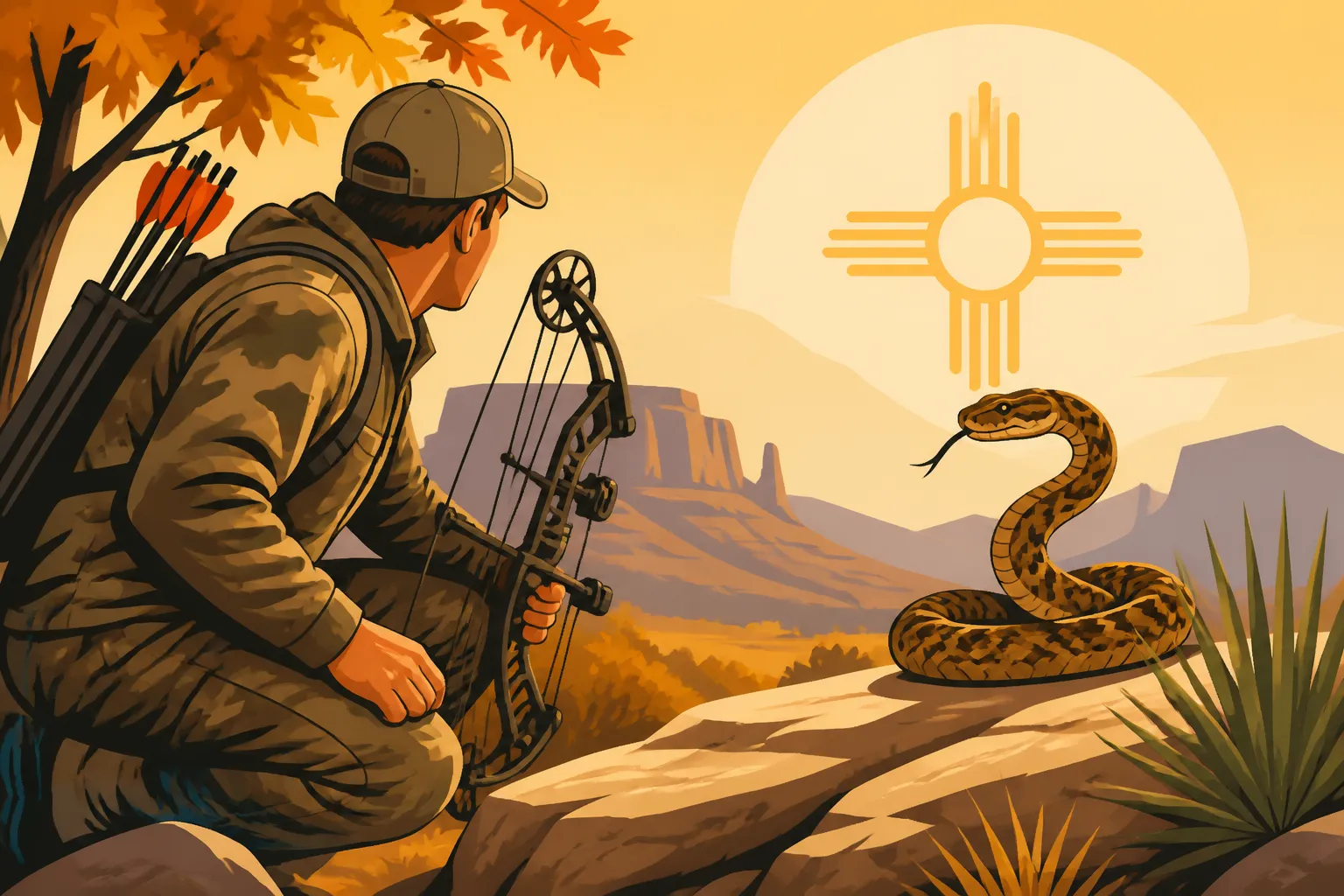
Archery hunting demands stealth, quiet movement, and often, being off the beaten path. Unlike rifle hunters who might cover ground more quickly or stay to open areas, bowhunters are frequently slipping through thick timber, pushing through dense oak brush, or navigating rocky washes and canyons. These are precisely the environments where snakes love to hide. They might be coiled under a fallen log, camouflaged perfectly in dry leaves, or tucked into a rock crevice. The focus required to stalk an animal, watching for subtle signs or listening for faint sounds, can sometimes pull your attention from the ground immediately in front of you. When you’re intently focused on trying to get within range of a Bugling Bulls Through New Mexico's Mid-September Rut, it’s easy to inadvertently step too close to a hidden snake. The quiet approach of an archer, devoid of the heavier footfalls or louder movements of a rifle hunter, means a snake might not detect your presence until you are right on top of it.
Concentrated Activity Near Water Sources
As summer gives way to fall in New Mexico, many smaller water sources begin to dry up, especially in arid regions. This natural process leads to a concentration of both big game and predators around the remaining reliable water. Animals like mule deer and elk will gravitate towards these life-sustaining spots, and where there's prey, there are often predators—including snakes. Rattlesnakes, in particular, will often stage near these crucial water holes, waiting for rodents, birds, or even larger game to come in for a drink. A bowhunter trying to capitalize on this pattern by Finding Water in New Mexico's Dry Country and setting up an ambush or still-hunting quietly around a stock tank or seep needs to be exceptionally vigilant. Before you settle into your spot or move through thick vegetation surrounding a seep, take extra time to scan the ground around any water source. The same tactic of sitting water that might yield a shot at a deer or antelope in the desert could also put you in close quarters with a thirsty or hunting snake.
Knowing Your Adversaries: Venomous Snakes of New Mexico
Before you hit the field for New Mexico's First and Second Archery Deer Seasons, it’s not enough to just know snakes exist; you need to know which ones pose a threat, what they look like, and where you're most likely to encounter them. New Mexico is home to several species of venomous snakes, but for hunters, rattlesnakes are by far the primary concern.
The Rattlesnake Family: Key Species and Habitats
New Mexico boasts a diverse array of rattlesnakes, and while their patterns and sizes vary, their distinct rattle and triangular head are common denominators. The most widespread and commonly encountered include:
- Western Diamondback Rattlesnake (Crotalus atrox): This is perhaps the most iconic and common rattlesnake in the southern and western parts of the state, especially in desert scrub, rocky foothills, and riparian areas. They are large, powerfully built snakes with distinct diamond patterns on their backs and alternating black and white bands on their tails, just above the rattle. They are highly venomous and should be given a wide berth.
- Prairie Rattlesnake (Crotalus viridis): Found in the grasslands, prairies, and open woodlands across the eastern and northern halves of New Mexico, these snakes are generally smaller than diamondbacks but are still a significant threat. Their coloration tends to be greenish-gray, olive, or brown with darker blotches. You might encounter them when Glassing Benches and Parks for Elk in more open country or working through ponderosa pine forests.
- Mojave Rattlesnake (Crotalus scutulatus): Predominantly found in the southwestern desert regions, particularly the Chihuahuan and Sonoran deserts. This species is often feared due to its neurotoxic venom, which can cause severe neurological symptoms in addition to tissue damage. They are similar in appearance to the Western Diamondback but often have more muted patterns and their tail bands usually feature white bands that are narrower than the black ones.
- Black-tailed Rattlesnake (Crotalus molossus): True to its name, this species has a distinctive black tail, contrasting with its generally gray, olive, or yellowish body. They prefer rocky, mountainous terrain and canyons, making them a potential encounter when hunting higher elevations or traversing steep, broken ground.
- Rock Rattlesnake (Crotalus lepidus): A smaller, more slender rattlesnake, typically found in rocky, mountainous areas across the western part of the state. They are often beautifully patterned with gray, pink, or bluish hues that blend perfectly with granite and limestone. Their excellent camouflage makes them particularly hard to spot.
- Massasauga (Sistrurus catenatus): A smaller, less common rattlesnake, usually found in grasslands and wetlands in the eastern plains of New Mexico. While smaller, its bite is still medically significant.
While New Mexico also has a few other venomous snakes like the Arizona coral snake, these are very reclusive, small-mouthed, and rarely pose a threat to humans in a hunting context. Rattlesnakes are your primary concern.
Recognizing the Threat: Identification Tips
Being able to quickly identify a venomous snake, particularly a rattlesnake, can save you precious seconds in a critical situation. While variation exists, here are some general cues:
- Head Shape: Most venomous snakes in New Mexico (rattlesnakes) have a distinctly triangular, broad head that is noticeably wider than their neck. Non-venomous snakes typically have a narrower head that blends more smoothly into their body.
- Pupils: Venomous snakes often have vertical, elliptical pupils (like a cat's eye), while most non-venomous snakes have round pupils. However, this isn't always reliable, especially from a distance or in low light, and it’s certainly not something you want to get close enough to verify!
- Rattle: The most obvious sign for rattlesnakes. While juveniles might have a small button or not rattle at all, and adults might not always rattle before striking, it’s a definitive indicator. If you hear it, you know what you’re dealing with.
- Heat Pits: Rattlesnakes possess loreal pits—small indentations between their eyes and nostrils—that are heat-sensing organs. Again, not something you'd see from a safe distance, but it’s a characteristic.
- Thick Body: Rattlesnakes tend to have a thick, heavy body compared to many slender non-venomous species.
A quick reference table for New Mexico's primary venomous snakes:
| Species | Typical Habitat | Key Identifying Features | Venom Type (Primary) |
|---|---|---|---|
| Western Diamondback | Desert, rocky foothills, riparian zones | Large, diamond patterns, black & white tail bands | Hemotoxic |
| Prairie Rattlesnake | Grasslands, prairies, open woodlands | Muted blotches, greenish-gray/olive/brown body | Hemotoxic |
| Mojave Rattlesnake | Southwestern deserts | Similar to Diamondback, narrower white tail bands, muted pattern | Neurotoxic & Hemotoxic |
| Black-tailed Rattlesnake | Rocky mountains, canyons | Distinct black tail, gray/olive/yellow body | Hemotoxic |
| Rock Rattlesnake | Rocky, mountainous areas | Small, slender, camouflaged patterns (gray, pink, blue) | Hemotoxic |
| Massasauga | Eastern plains, grasslands, wetlands | Small, stocky, dark blotches on gray/brown body, smaller rattle | Hemotoxic |
Dispelling Myths About Snake Behavior
Many misconceptions about snakes can actually increase risk. For instance, the idea that a rattlesnake will always rattle before striking is simply not true. While they often do, especially if they feel threatened and have a chance to warn you, a snake might strike silently if it feels suddenly cornered or surprised. You could step directly on one, and its first reaction might be a defensive strike, not a warning rattle.
Another myth is that snakes are inherently aggressive. In reality, most snakes would much rather escape than engage. Bites usually occur when a snake feels threatened, is stepped on, or someone attempts to handle or harass it. Give them space, and they'll usually move on. Also, the notion that baby snakes are more dangerous because they can't control their venom is largely unsubstantiated. While a juvenile snake's bite is still dangerous, an adult can deliver a larger volume of venom. Focus on respecting all snakes, regardless of size, as potentially dangerous.
Essential Prevention Strategies for Bowhunters
The best snakebite treatment is prevention. By adopting a few key habits and using the right gear, you can drastically reduce your risk of an encounter and ensure a safer hunting experience in New Mexico's diverse terrain. When planning your hunt, whether you're using a tool like GoHunt to e-scout new areas or physically Scouting New Mexico State Trust Land Fourteen Days Out, always keep snake awareness in mind.
Gear Up for Protection: Boots, Gaiters, and More
Your choice of footwear and leg protection is perhaps the single most important preventative measure. A significant percentage of snakebites occur on the lower leg and foot.
- Snake Boots: High-quality snake boots are designed with puncture-resistant materials, often extending up to the calf or knee. Brands like LaCrosse and Rocky offer excellent options. While they might be a bit heavier than standard hiking boots, the peace of mind they provide is invaluable. When you’re Choosing Boots for Rocky Desert Ground, prioritize snake protection alongside comfort and traction.
- Snake Gaiters: If you prefer your existing comfortable hiking boots, investing in snake gaiters is a smart move. These are independent pieces of protective gear that strap around your lower legs, offering similar puncture resistance. Make sure they fit snugly without impeding your movement, and that they cover from the top of your boot to just below your knee.
- Thick Pants: Even with snake boots or gaiters, wearing thick denim, canvas, or brush pants adds another layer of defense. While not entirely snake-proof, they can offer some resistance against a glancing strike and help prevent scratches from thick brush.
Remember, no gear is 100% foolproof, but these items significantly reduce the risk of venom penetrating your skin.
Vigilance on the Trail and in Camp
Constant awareness is your most potent weapon against snake encounters. This applies whether you're actively hunting or just making camp.
- Watch Your Step: Always look where you are placing your feet. Before stepping over logs, rocks, or into dense brush, pause and scan the other side. Snakes often seek shelter in such places. When crossing washes or dry creek beds, be extra cautious, as these are common travel corridors and hiding spots for snakes.
- Use a Trekking Pole or Stick: A trekking pole, shooting stick, or even a sturdy branch can be used to probe dense brush, rustle leaves, or tap ahead of you on the trail. This can alert a hidden snake to your presence, giving it a chance to move away before you get too close. It’s also useful for moving fallen branches or scanning under ledges.
- Look Before You Sit or Reach: Never sit down on a log, rock, or against a tree without first thoroughly checking the area. The same goes for reaching into dark crevices, under rocks, or into thick bushes to retrieve an arrow or clear a path. Snakes love these cool, sheltered spots.
- Camp Safety: When setting up camp, especially in rocky or brushy areas, try to clear a perimeter. Check sleeping bags, tents, and gear before use. Zip up your tent completely, always. Keep food sealed to avoid attracting rodents, which in turn attract snakes. If you’re sleeping under the stars, pick an open area, not next to logs or large rocks, and use a ground cloth. Always shake out your boots, hat, and jacket before putting them on in the morning—a snake might have found a cozy spot inside.
Smart Scouting and Route Planning
Before you even leave your vehicle, thoughtful planning can minimize your snake risk. Using mapping tools like GoHunt, which often includes layers for terrain, water sources, and vegetation, is an excellent first step in E-Scouting a New Mexico Unit Before the Season.
- Analyze Terrain: Pay attention to the types of habitat you’ll be moving through. Areas with abundant rock piles, heavy brush, or thick riparian zones are higher risk. While you can't always avoid these, knowing they're high-risk areas allows you to increase your vigilance. Conversely, open, well-traveled trails or exposed ridges tend to have fewer surprise encounters.
- Water Source Assessment: Identify known water sources on your map. These are crucial for game, but also for snakes. Plan your approach to these areas with extra caution. Instead of walking directly into a thick, brushy approach to a tank, try to find a more open, visible route, even if it adds a few extra yards. When you’re considering how much Water You Must Carry on a Desert Day Hunt, remember that water sources are natural snake magnets, making them high-alert zones.
- Timing Your Movement: During very hot days in September, snakes are often most active during the cooler parts of the day – early morning and late evening. During the heat of midday, they'll seek shade and shelter. If possible, plan your movements to avoid pushing through dense, high-risk cover during peak snake activity times. Instead, use midday for glassing from open vantage points or resting in a safer, cleared area.
What to Do When a Snake Bite Occurs: Emergency Response
Despite all preventative measures, a snake bite can still happen. Knowing exactly what to do in the immediate aftermath can be critical for minimizing harm and ensuring the best possible outcome. Panic is your biggest enemy here; a calm, informed response is paramount.
Immediate First Aid: The Critical Do's and Don'ts
The moments immediately following a snake bite are crucial. Here’s a breakdown of what you should and should not do:
DO:
- Stay Calm: This is easier said than done, but panic increases heart rate, which can spread venom more quickly. Reassure the victim (if it's not you) and try to keep them still.
- Move Away from the Snake: Ensure there's no further threat from the snake. Don't try to catch or kill it; identification is secondary to immediate care.
- Remove Constricting Items: Take off rings, watches, tight clothing, or anything that could constrict swelling around the bite area. Swelling will begin rapidly.
- Immobilize the Limb: Keep the bitten limb as still as possible and position it at or below heart level. This helps slow the spread of venom. If possible, create a loose splint.
- Clean the Wound: Gently clean the bite area with soap and water if available. Do NOT scrub vigorously. Cover it with a clean, dry dressing.
- Note the Time: Record the exact time of the bite. This information is vital for medical professionals to track the progression of symptoms and administer antivenom effectively.
DON'T:
- Do NOT Cut and Suck: This old cowboy movie trope is ineffective and can introduce infection, making the situation worse.
- Do NOT Apply a Tourniquet: Tourniquets restrict blood flow entirely and can lead to severe tissue damage, amputation, or even be fatal.
- Do NOT Apply Ice or Heat: Neither is beneficial and can cause further tissue damage.
- Do NOT Try to Catch the Snake: Your priority is safety and seeking medical help. Describing the snake's appearance (color, pattern, size, rattle presence) is usually sufficient for medical staff.
- Do NOT Drink Alcohol or Take Painkillers: These can interfere with blood clotting or mask symptoms, complicating medical treatment.
- Do NOT Use a "Snakebite Kit" with Suction Devices: These kits are widely considered ineffective and may cause more harm than good by damaging tissue.
Rapid Evacuation and Professional Medical Care
The most important step after a snake bite is to get to a medical facility as quickly and safely as possible. Antivenom is the only effective treatment for venomous snakebites, and it must be administered by trained medical personnel.
- Call for Help Immediately: If you have cell service, call 911 (or your local emergency number) immediately. Explain your situation, your location (using GPS coordinates from your phone or a device like a Garmin inReach or Zoleo is crucial, especially in remote New Mexico units), and the victim's symptoms. This allows emergency responders to begin planning your extraction and prepare for your arrival at a hospital. When Hunting New Mexico From 4,000 Feet to 10,000, cell service can be spotty, so having a satellite communication device is a lifesaver.
- Safe Transportation: If emergency services can reach you, let them handle the evacuation. If not, and you must self-evacuate, do so as calmly and quickly as possible without causing further exertion to the victim. Drive safely; getting into a car accident on the way to the hospital only compounds the problem.
- Recognize Symptoms: Be aware of common snakebite symptoms, which can include immediate pain, swelling, bruising, and blistering around the bite site. Nausea, vomiting, dizziness, weakness, and a metallic taste in the mouth can also occur. With neurotoxic venoms (like the Mojave), tingling, muscle twitching, and difficulty speaking or seeing might be present. Monitoring these symptoms will help medical staff.
- Antivenom Administration: Antivenom works by neutralizing the venom in the body. The sooner it's administered, the more effective it typically is at preventing severe tissue damage and systemic effects. Delaying treatment significantly increases the risk of complications.
Debunking Common Snakebite Cures
The internet is rife with misinformation, and snakebite remedies are no exception. It’s crucial to understand that many purported cures not only don’t work but can actively harm you. This includes:
- Electrical Shock: There is absolutely no scientific evidence that applying electrical shocks or stun gun charges to a snakebite is effective. In fact, it can cause severe burns and tissue damage.
- Herbal Remedies or Poultices: While some plants have medicinal properties, none have been proven to counteract snake venom. Relying on them delays real treatment and can introduce infection.
- Drinking Alcohol/Coffee: These substances can alter your physiology, affecting blood pressure and circulation, which can complicate the situation or even accelerate venom distribution.
- "Hot Rock" Treatments: Placing heated rocks or other hot objects on a bite is another dangerous, unproven method that will cause burns and tissue damage without helping with the venom.
The bottom line is simple: if you or someone in your hunting party is bitten by a venomous snake, your immediate and singular focus should be on getting to a medical professional for antivenom as quickly as humanly possible. All other "remedies" are distractions that put lives at risk. Be smart, be prepared, and stay safe out there.
Disclaimer
Please remember that this article provides general information and recommendations. Hunting regulations, wildlife behavior, and emergency protocols can change. Always consult the official New Mexico Department of Game and Fish regulations, seek professional medical advice for emergencies, and consider taking a wilderness first aid course before heading into the backcountry.