Is Night Hunting Legal for Coyotes Out West?
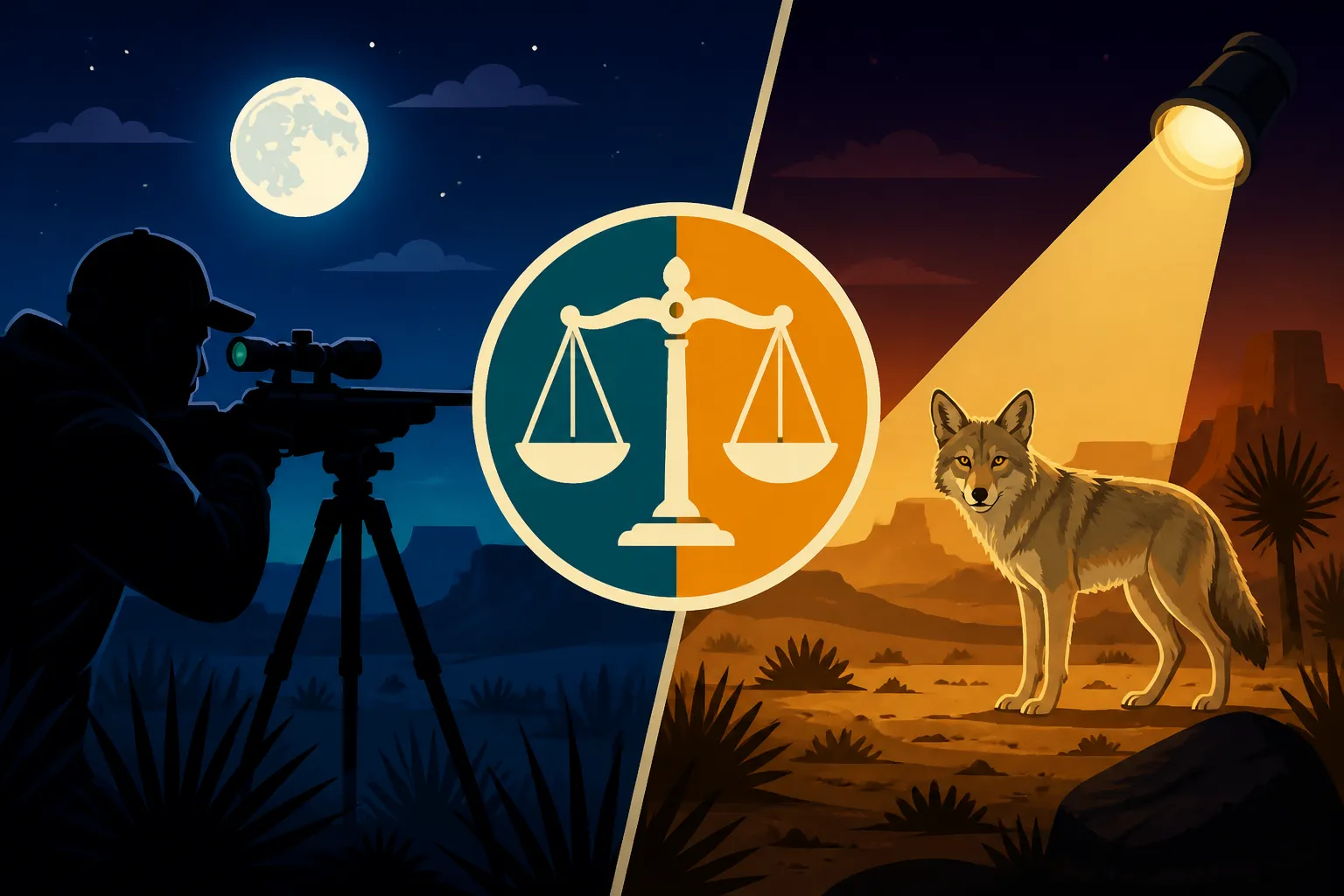
There's nothing quite like the allure of predator hunting, especially when you think about the quiet mystery of the night. For many of us who chase coyotes, the idea of heading out after dark, when these wily canids are often most active, is incredibly appealing. However, the question of whether it's actually legal to hunt coyotes at night, particularly here in the vast landscapes of New Mexico and other Western states, is a common one, and it's easy to get confused by conflicting information. This guide is here to clear up that confusion, diving deep into the regulations, ethical considerations, and practicalities of night hunting for coyotes across the West.
Understanding New Mexico's Predator Hunting Regulations
When it comes to hunting in New Mexico, it's crucial to understand that not all species are treated equally under the law. Big game animals like elk, deer, and oryx have very strict seasons, bag limits, and method-of-take regulations. Coyotes, on the other hand, fall into a different category: they're typically classified as unprotected furbearers or varmints. This distinction makes a huge difference in how and when you can hunt them.
New Mexico generally has very liberal regulations for hunting coyotes, which is a common approach in many Western states where coyotes can be abundant and can impact livestock and other wildlife populations. Because they aren't considered game animals in the traditional sense, many of the restrictions that apply to deer or elk simply don't apply to them. This often includes longer seasons (often year-round) and more flexibility in hunting methods. However, "more liberal" doesn't mean "anything goes." There are still important rules to follow, especially when the sun goes down.
Daytime vs. Nighttime Clarification
Let's cut right to the chase: is night hunting legal for coyotes in New Mexico? The answer is generally yes, with specific caveats. Unlike big game, which has strict legal shooting hours usually defined from one-half hour before sunrise to one-half hour after sunset, coyotes are often exempt from these time restrictions. This means you can pursue them after dark.
However, just because you can hunt them at night doesn't mean you can use any old method. New Mexico, like many states, places specific restrictions on the use of artificial light, night vision, and thermal imaging when hunting, even for coyotes. Generally, the use of artificial light (like a spotlight or headlamp) to locate or illuminate big game is strictly prohibited. For coyotes and other non-game species, the rules are often different. In New Mexico, you are allowed to use artificial light to take coyotes. This is a critical distinction and one that many hunters from other states might find surprising.
It's important to remember that this permission usually comes with the understanding that you are only targeting coyotes or other legal varmints. Accidentally illuminating a deer or elk with your spotlight during a coyote hunt, especially if it leads to an attempt to harvest, could land you in serious trouble. Always be sure of your target and what's beyond it, regardless of the time of day.
Electronic Calls and Light Use
Now that we've established that night hunting for coyotes with artificial light is generally permissible in New Mexico, let's talk about the tools of the trade. Electronic calls are incredibly effective for coyotes, day or night, and their use for predator hunting is widely accepted. In New Mexico, using electronic calls for coyotes and other predators is completely legal. If you're looking for guidance on "Electronic Calls for Predators and Varmint Hunting," that's a great topic to explore further.
When it comes to lights, hunters often opt for specialized red or green lights. These colors are believed to be less alarming to coyotes, allowing you to get closer or keep them in your illuminated field of view for longer periods. White lights, while effective, can sometimes spook coyotes more readily.
In addition to traditional spotlights, the advancements in night vision and thermal imaging technology have revolutionized predator hunting. In New Mexico, the use of night vision and thermal optics for hunting coyotes is also legal. This technology, once reserved for military applications, is now readily available to the public and can be incredibly effective for spotting and identifying coyotes in pitch-black conditions. However, with such powerful tools comes a greater responsibility to ensure target identification and ethical shots. There's a big difference between a coyote and a domestic dog or even a bobcat, and the clarity offered by these optics demands careful consideration before pulling the trigger.
It's always a smart move to double-check the latest rules directly from the New Mexico Department of Game and Fish (NMDGF) website or their annual hunting proclamation. These regulations can change, and staying current is your responsibility. You might find it helpful to consult resources like GoHunt, which often compile state-specific regulations and offer mapping tools to help you navigate public lands.
Navigating Regional Differences Across the West
While New Mexico offers a relatively straightforward "yes" to night hunting coyotes with lights, the "Out West" part of your question is where things get a bit more complex. The Western United States is a vast and diverse region, and hunting regulations, especially for predators and furbearers, can vary significantly from state to state. What's perfectly legal in one state could land you a hefty fine or even jail time in another.
State-Specific Nuances
Let's look at a few examples of how other Western states approach night hunting for coyotes:
- Arizona: Often considered quite liberal, Arizona generally allows night hunting for coyotes using artificial light and night vision/thermal optics, similar to New Mexico. However, restrictions might apply on certain game management units or during specific times of the year, especially near populated areas.
- Texas: Known for its vast hunting opportunities, Texas is generally very permissive when it comes to predator control. Night hunting for coyotes and other nuisance animals is common and often encouraged, especially on private land. Thermal and night vision are widely used and legal.
- Colorado: This state tends to be a bit more restrictive. While coyotes are considered furbearers and can be hunted year-round, the use of artificial light to hunt wildlife, including coyotes, is generally prohibited. There are exceptions for certain nuisance animals under very specific permits, but for general recreational coyote hunting, it's typically a no-go after dark with lights. Night vision and thermal might have different regulations, so it's critical to check.
- Utah: Utah generally prohibits the use of artificial light to take any protected wildlife, but coyotes often fall into the "unprotected" category. However, using artificial light specifically for coyotes often requires a specific permit or can be done under certain conditions, such as within a certain distance from private property. Thermal and night vision legality also needs to be confirmed annually.
As you can see, there's no blanket answer for "the West." Each state has its own unique set of rules, often influenced by population density, agricultural concerns, and specific wildlife management philosophies. Before planning any hunt across state lines, always, always consult that state's official game and fish regulations.
Federal Lands and Local Ordinances
Adding another layer of complexity are federal lands and local ordinances. Even if your state allows night hunting for coyotes, you need to know if the specific land you plan to hunt on permits it.
- Bureau of Land Management (BLM) and National Forest Service (NFS) Lands: These vast tracts of public land, which are abundant in New Mexico and other Western states, generally defer to state hunting regulations. However, specific forest or BLM districts can implement their own restrictions. For example, some may have fire restrictions that prohibit any open flames or even certain types of lights during dry seasons. They might also have travel restrictions, such as "Motorized Travel Rules on New Mexico Public Land," which could impact how you access areas at night. It's not uncommon to find areas with specific rules regarding the discharge of firearms at night, even if the state allows it.
- State Trust Lands: In New Mexico, your hunting license acts as an easement for access to State Trust Land. However, these lands are often managed differently than federal lands, and specific rules regarding off-road travel, camping, or night activities might apply. Understanding "New Mexico State Trust Land Access Rules" is crucial.
- Local Ordinances: Never forget that counties or municipalities can have their own rules regarding firearm discharge, noise, and general outdoor activity, especially near towns or residential areas. What's legal far out in the desert might be illegal just a few miles down the road if you're too close to a development.
Using mapping tools like those offered by GoHunt can be incredibly helpful for identifying land ownership boundaries and avoiding accidental trespass or violations of local rules. Always pay attention to signage on public land, and if in doubt, contact the managing agency directly.
Essential Gear and Ethical Considerations for Night Hunting
Assuming you're in a location where night hunting coyotes is legal, proper preparation and ethical conduct are paramount. Night hunting introduces additional challenges and responsibilities compared to hunting during daylight hours.
Lights, Optics, and Safety
Your gear choices are critical for a successful and safe night hunt.
- Weapon Choice: While not strictly regulated by time of day, consider your rifle or shotgun for night hunting. A reliable firearm that you're proficient with is essential. Many coyote hunters prefer flatter-shooting calibers like .223 Remington or .22-250 Remington.
- Lighting: As discussed, red or green lights are popular. Many dedicated predator lights are adjustable for beam width and intensity. A good headlamp for navigating trails and setting up is also indispensable.
- Night Vision/Thermal: If your budget allows, these technologies are game-changers. Thermal optics detect heat signatures, allowing you to spot animals that would be invisible to the naked eye, even in complete darkness or through light cover. Night vision amplifies ambient light, making a dark scene visible. Both require practice to use effectively for target identification and shot placement.
- Rangefinder: Critically important for accurate shooting, especially at night when distances can be deceptive.
- Shooting Sticks or Bipod: Stability is key. At night, you're often relying solely on artificial light or optics, and a steady rest is vital for ethical shots.
- Safety First: This cannot be stressed enough. At night, confirming your target and the background beyond it is exponentially harder.
- Positive Identification: Never, ever shoot at just a pair of eyes or a heat signature. You must visually confirm it is a coyote (or other legal target) and not a domestic animal, another hunter, or even a protected species. Use binoculars, your rifle scope, or thermal/night vision for identification.
- Backdrop Awareness: Understand your bullet's trajectory and what lies behind your target. In the dark, a ridge might be further away than it appears, or there might be an unseen road or dwelling.
- Communication: If hunting with a partner, establish clear communication protocols. Know where each other is at all times.
- First Aid and Emergency Gear: Always carry a well-stocked first-aid kit, a fully charged cell phone (though cell service can be spotty in many Western hunting areas), and perhaps a satellite communication device like a Garmin inReach, especially if you're in remote areas.
Respecting Landowners and Public Perception
This is a huge one. Even where legal, night hunting can sometimes create friction with landowners or the non-hunting public, particularly if done carelessly.
- Private Land Boundaries: If you're near private land, make sure you know exactly where the boundary lines are. Accidentally shining a light onto someone's property, or worse, shooting towards it, is a quick way to generate a complaint and give all hunters a bad name. Tools like GoHunt can help you visualize these boundaries clearly. Remember, you need "Written Permission Requirements in New Mexico" to hunt private land, day or night.
- Noise Considerations: Electronic calls and gunshots at night can be disturbing to those living nearby. Try to choose locations away from residences.
- Ethical Hunting: Always strive for quick, clean kills. Wounded animals at night are even harder to track and recover.
- Public Image: Be a responsible ambassador for hunting. If you're approached by law enforcement or a curious citizen, be polite, explain what you're doing (within legal parameters), and demonstrate that you're operating safely and legally. The perception of hunting can be significantly influenced by individual actions.
Planning Your Night Hunt in New Mexico
Now that we've covered the legal landscape and ethical considerations, let's talk about actually planning a night hunt for coyotes here in New Mexico.
Checking the Current Regulations
I'll say it again: always check the most current New Mexico Department of Game and Fish regulations. While the general framework for coyotes tends to be stable, specific rules, particularly concerning method of take or special management areas, can change. The NMDGF website is the authoritative source. You can usually find the most up-to-date information under their small game, furbearer, or general hunting regulations sections. They even have resources on "Where the Current New Mexico Regulations Are Posted".
Recommended Units and Areas
New Mexico offers vast stretches of public land ideal for coyote hunting.
- BLM Lands: The Bureau of Land Management (BLM) administers millions of acres in New Mexico, much of which is open to hunting and often less restricted than National Forest lands. This is where you'll find a lot of the high-desert and open plains country that coyotes thrive in. These areas are excellent for night hunting as they often offer good visibility and less dense cover. Check out "BLM Ground Carries Most of New Mexico's Open Access" for more details.
- State Trust Lands: With your valid New Mexico hunting license and Habitat Management and Access Validation (HMAV), you have access to State Trust Lands. These lands can be excellent, but be sure to understand the access rules, as they can sometimes have more specific regulations on vehicle use or camping. You can find maps and information on "New Mexico State Trust Land Fourteen Days Out" which also explains scouting access.
- National Forests: While National Forests like the Gila, Carson, or Lincoln National Forests offer more timbered environments, coyotes are still present. Just be mindful of terrain and cover at night, as visibility can be more limited, and you'll want to avoid areas with high concentrations of big game if you're specifically targeting coyotes.
When choosing a unit, look for areas with good road access (or at least accessible two-track roads), ample public land, and away from dense population centers. Coyote sign like tracks, scat, and howls can give you clues to their presence. Consider the wind direction; approaching from downwind is crucial whether it's day or night.
Here's a quick comparison of night hunting regulations for coyotes in a few Western states:
| State | Coyote Status | Night Hunting Legal? | Artificial Light Legal? | Night Vision/Thermal Legal? | Key Restrictions/Notes |
|---|---|---|---|---|---|
| New Mexico | Unprotected Varmint | Yes | Yes | Yes | Standard hunting license required. |
| Arizona | Unprotected Predator | Yes | Yes | Yes | Check for specific unit restrictions. |
| Texas | Unprotected Furbearer | Yes | Yes | Yes | Highly permissive, especially on private land. |
| Colorado | Furbearer | No | Generally No | Check current regulations | General prohibition on artificial light for hunting. |
| Utah | Unprotected Predator | Yes | Often with Permit/Conditions | Check current regulations | Specific rules for light use, permits may be needed. |
| Idaho | Unprotected Predator | Yes | Yes | Yes | Check local ordinances, generally very liberal. |
Disclaimer: This table provides a general overview and is not a substitute for checking current, official state regulations directly from the respective game and fish departments.
Night hunting for coyotes in New Mexico and many parts of the West can be an incredibly exciting and effective way to pursue these intelligent predators. Just remember that with the cover of darkness comes a heightened responsibility to know the rules, use proper equipment, and prioritize safety and ethics above all else. Happy hunting, and stay safe out there!
Disclaimer
Please note that hunting regulations are subject to change. The information provided in this article is for general guidance only. Always consult the most current regulations published by the New Mexico Department of Game and Fish and any relevant federal or local agencies before planning or engaging in any hunting activities. It is your responsibility to understand and comply with all applicable laws.