Does Hunter Education Include a Field Day?
The world of hunter education can feel like a labyrinth, especially when you're trying to figure out the exact requirements for getting your certification. Many folks wonder if they'll need to dedicate an entire weekend to an in-person field day, on top of any online coursework. This guide will walk you through the specifics of New Mexico's hunter education program, clarifying what a "field day" really means here and how to best prepare for your hunting journey.
The New Mexico Hunter Education Landscape
Navigating the path to becoming a certified hunter in New Mexico can seem a little different from what you might hear from friends in other states. New Mexico has streamlined its hunter education process over the years, aiming to provide accessible, yet thorough, instruction to new hunters. Understanding the structure of these courses is key to knowing what to expect, especially regarding practical, hands-on components.
Online vs. In-Person Courses
New Mexico offers flexibility in how you can complete your hunter education. For many busy adults and even some tech-savvy youth, the online course option has become incredibly popular. It allows you to learn at your own pace, fitting modules into your schedule whenever it works best. This is a huge convenience for those juggling work, family, and other commitments, which, let's be honest, is most of us! You can find detailed information on How Long the Online Hunter Education Course Takes right here.
However, a traditional in-person classroom course is also available. These are typically offered by volunteer instructors through the New Mexico Department of Game and Fish (NMDGF) in various communities across the state. While they require a commitment to a fixed schedule, they offer the invaluable benefit of direct interaction with experienced hunters and hands-on practice with equipment and scenarios you might not get from a screen. For some, sitting in a classroom, being able to ask questions directly, and learning alongside other aspiring hunters is the best way to absorb the information.
What an In-Person Course Entails
If you opt for the full in-person classroom course in New Mexico, it’s a comprehensive experience. These courses are designed to cover all the essential aspects of hunter safety, ethics, wildlife conservation, and firearm handling. You'll spend time learning about everything from basic marksmanship and shot placement to survival skills and the regulations specific to our state.
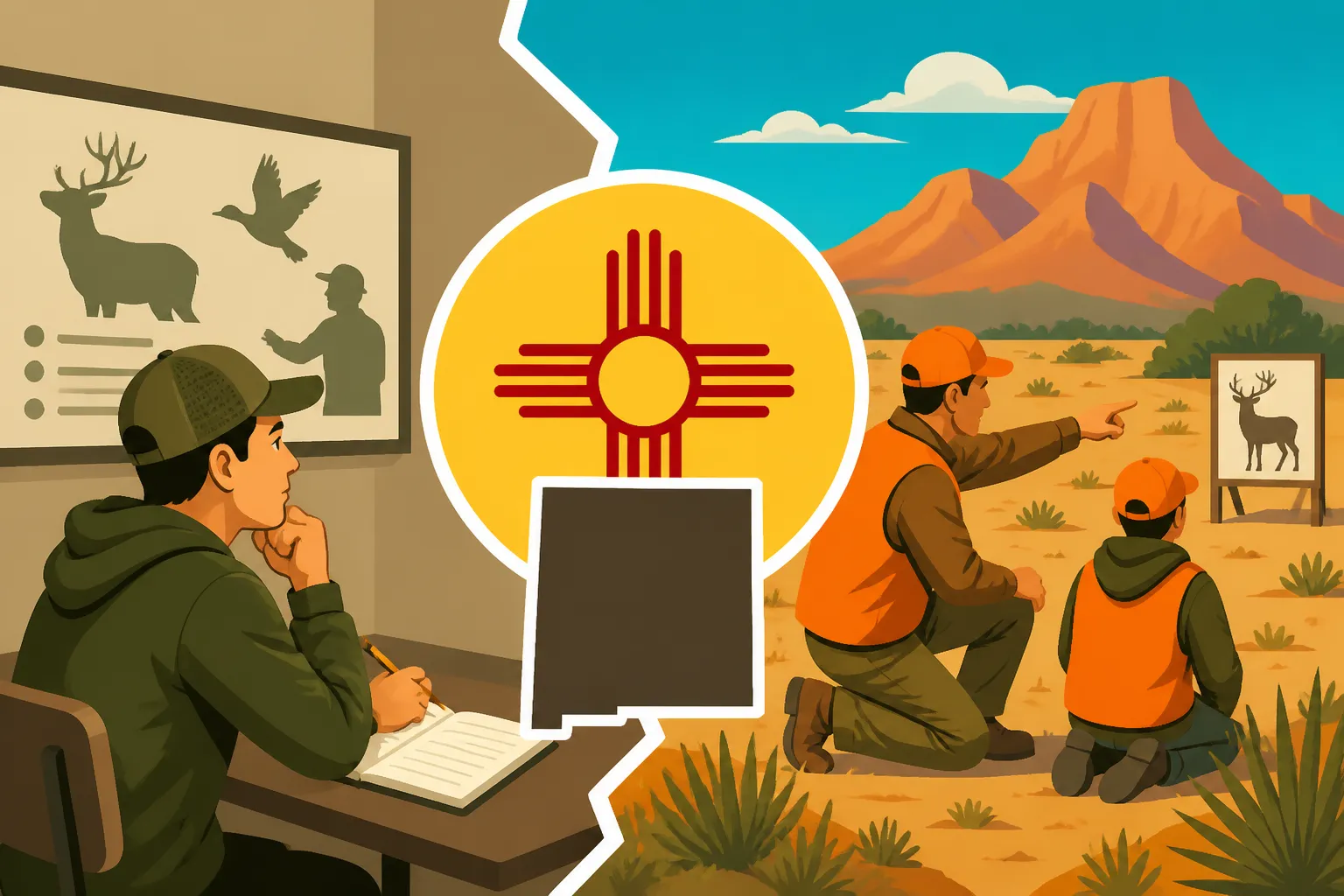
A significant part of these in-person courses is indeed practical, hands-on instruction. While not always called a separate "field day," these courses integrate shooting range time, demonstrations of proper firearm handling, discussions on tree stand safety, and often practical exercises in blood trailing or basic navigation. So, while it might not be a distinct "field day" you sign up for separately, the in-person course does include a substantial practical component built right into its curriculum, giving you that vital real-world exposure to safe hunting practices.
Understanding the Field Day Component
Now, let's get down to the brass tacks: does New Mexico's hunter education include a field day? The short answer for those completing the online course is: Yes, but it's often rolled into a single, comprehensive "practical exam" session, not always a multi-day "field day" as some other states might define it.
The "Field Day" for Online Graduates
For anyone who completes their hunter education online in New Mexico, the process isn't finished until you attend an in-person practical skills session, which many refer to as the "field day." This isn't just a simple test; it's a critical opportunity for certified instructors to observe your understanding and application of safe firearm handling, ethical decision-making, and responsible hunting practices.
Think of it this way: the online course provides the theory, the facts, and the foundational knowledge. The in-person practical session is where you demonstrate you can actually do what you've learned, safely and effectively. It's usually a one-day event, typically lasting several hours, focusing on hands-on activities. You’ll be required to show proficiency in areas like safe firearm carry, proper shooting stances, and perhaps even navigating a simulated hunting scenario. This ensures that every certified hunter has not only absorbed the information but can also apply it in a real-world context, minimizing risks for themselves and others in the field. This important step helps to fulfill The New Mexico Hunter Education Requirement for all new hunters.
Skills Covered During Practical Sessions
During these crucial practical sessions, whether as part of an in-person course or as the culminating event for online students, you’ll dive into a variety of skills. It's not just about shooting a gun, though that's certainly a part of it. Instructors want to see that you understand the fundamental rules that keep everyone safe.
Here’s a snapshot of what you might encounter:
- Firearm Handling: This is paramount. You'll demonstrate how to safely load, unload, carry, and store various types of firearms. This includes knowing the different zones of fire, how to cross obstacles safely, and handling a firearm in a group setting.
- Shooting Proficiency: Often, there’s a live-fire exercise where you’ll shoot a .22 rifle or a shotgun at targets. The goal isn't to be an expert marksman, but to demonstrate basic accuracy and, more importantly, consistent safe gun handling on the range.
- Tree Stand Safety: If applicable, you might learn about proper setup and use of tree stands, including the critical importance of a full-body harness and lifeline.
- Survival and First Aid Basics: Instructors might cover essential items for a hunting pack, how to signal for help, or basic first aid for common hunting injuries.
- Field Ethics and Conservation: Discussions might revolve around wildlife identification, shot placement for quick, humane harvests, and understanding the role of hunters in conservation. This is where topics like Water Sources and Ethics in Desert Hunting often come up, emphasizing responsible behavior in challenging environments.
These practical skills are what truly prepare you for the realities of hunting. It's one thing to read about muzzle control in a textbook; it's another to actually demonstrate it under the watchful eye of an experienced instructor.
Here's a quick comparison of the two primary ways to get your New Mexico Hunter Education certification:
| Course Type | Delivery Method | Field Day Requirement | Practical Skills Integration | Cost (Approx.) |
|---|---|---|---|---|
| Online Course | Web-based, self-paced | Yes, requires a separate, in-person practical exam | Dedicated 1-day session after online coursework | Varies by provider (e.g., $29-$49) |
| In-Person Course | Classroom instruction | Integrated into the curriculum | Hands-on activities throughout the multi-day course | Typically free through NMDGF |
Mentored Youth and Hunter Education Alternatives
New Mexico recognizes that not everyone comes to hunting through the same channels, and it has progressive programs in place to support new hunters, especially youth. These alternatives ensure that while safety remains paramount, there are different pathways to certification and getting started in the field.
The Mentored Youth Pathway
One of the most encouraging programs in New Mexico is the Mentored Youth Hunter Program. This program allows young, aspiring hunters to gain valuable in-field experience under the direct supervision of an experienced adult hunter before they've completed their formal hunter education course. This is a fantastic way to introduce kids to the outdoors and the responsibilities of hunting in a controlled, supportive environment.
A mentored youth can hunt for two years before needing to complete their hunter education. This means they can get out in the field and learn from a seasoned mentor, seeing firsthand how to track, stalk, and safely handle a firearm, all while building a passion for the sport. There are specific rules regarding Age Limits Inside the Mentored Youth Program and what Which Species a Mentored Youth May Hunt in New Mexico, so it's crucial to understand these guidelines fully. The mentor, of course, must be certified and carry a special mentor number from NMDGF, which involves its own set of requirements, as detailed in What a Mentor Number Requires in New Mexico. This program is an invaluable stepping stone for many young hunters, offering practical experience that complements formal education.
Exemptions to the Hunter Education Rule
While hunter education is a critical step for most new hunters, New Mexico does have a few exemptions to the general requirement. It's worth noting these, as they might apply to certain individuals.
For instance, individuals who were born on or before January 1, 1959, are typically exempt from the hunter education requirement. This recognizes that many seasoned hunters from earlier generations learned their skills and ethics directly in the field. Additionally, certain active-duty military personnel or veterans who possess valid proof of honorable discharge might also be exempt, given their extensive training in firearm safety. Always check the current NMDGF regulations or call them directly if you believe you qualify for an exemption, as rules can sometimes change or have specific criteria. You can find more details on Who Is Exempt From Hunter Education to see if these apply to your situation.
Preparing for Your Certification
Getting your hunter education certification is a significant milestone, but it's just the beginning of a lifelong journey in hunting and outdoor stewardship. Preparation, both for the course and for the field, is key to success and enjoyment.
What to Expect on Test Day
Whether you're taking a final exam after an online course or concluding an in-person class, the "test day" is your opportunity to demonstrate what you've learned. For online graduates, this day combines the written test with the practical skills assessment. You'll likely encounter a multiple-choice exam covering all the core topics from the curriculum: firearm safety, wildlife identification, conservation principles, and New Mexico regulations. Don't stress too much – if you've paid attention during your online modules or in-class lessons, you'll be well-prepared.
The practical portion, as mentioned, is where you'll get hands-on. Instructors aren't looking for perfection, but rather a clear understanding and consistent application of safe habits. Listen carefully to instructions, always keep your muzzle pointed in a safe direction, and treat every firearm as if it's loaded. Confidence comes from practice, so if you have access to a safe place to handle an unloaded firearm before your session, it can definitely help calm those nerves. Remember, the instructors want you to succeed and will guide you through the process, making sure you understand the 'why' behind every safety rule.
Beyond the Classroom: Continued Learning
Passing your hunter education course is a fantastic achievement, but true mastery in hunting comes from continuous learning and experience. The certification is your license to learn, not a declaration that you know everything. The outdoors is a dynamic environment, and there's always something new to discover.
Many experienced hunters continue to refine their skills through consistent practice, mentorship, and staying updated on new regulations. Consider spending time at a shooting range regularly to maintain marksmanship. Learn how to Read a New Mexico Hunt Code Before You Apply to ensure you're always legal and ethical. Don't be afraid to ask questions of more experienced hunters you meet in the field or at local sporting goods stores. Resources like GoHunt can be invaluable for e-scouting new units and staying on top of draw odds and unit information. They offer robust mapping tools that help you understand terrain, water sources, and public land boundaries, which is crucial for any hunter. Additionally, developing your physical fitness, as you would for something like Physical Conditioning for a Gila Hunt, is a form of continued learning that directly impacts your safety and success. Hunting is a journey, and every season brings new challenges and opportunities to grow. Keep that curiosity alive, and you'll find endless rewards in the pursuit. Building a Practice Routine Before Opener is also crucial, not just for shooting, but for all the skills you might need.
Disclaimer
Please be aware that hunting regulations, license requirements, and educational program details can change. Always consult the most current New Mexico Department of Game and Fish regulations and official resources before planning any hunting activities. This article is intended for informational purposes only and does not constitute legal advice.