Who Is Exempt From Hunter Education
It's incredibly frustrating when you're just trying to get out into New Mexico's stunning wild spaces, perhaps chase a mule deer or a pronghorn, and you hit a bureaucratic wall trying to figure out if you even need to take a hunter education course. The rules can feel like a tangled mess, especially when you think you might qualify for an exemption. This guide is here to untangle that knot, laying out exactly who is exempt from hunter education in New Mexico, so you can focus on preparing for your next hunt rather than navigating confusing regulations.
Why Hunter Education Remains Important, Even With Exemptions
Even if you find yourself falling into one of the exempt categories, it's worth taking a moment to appreciate why hunter education exists in the first place. These courses aren't just arbitrary hoops to jump through; they're foundational to safe, ethical, and responsible hunting. While an exemption means you're legally cleared to hunt, it doesn't diminish the value of the knowledge and skills these courses impart.
Safety First, Always
The primary goal of hunter education is to reduce hunting accidents. This isn't just about handling a firearm or bow safely in the field, though that's a huge part of it. It’s also about understanding safe zones of fire, proper shot placement to ensure a quick, humane harvest, and how to carry a loaded weapon in various terrains. Think about traversing steep, rocky canyons in the Gila National Forest or navigating dense ponderosa timber in the Jemez; a lapse in safety awareness can have dire consequences, not just for you but for your hunting partners and other recreationists. Even for seasoned hunters, a refresher on safety principles is never a bad idea, especially as new equipment and tactics emerge.
Instilling Ethical Hunting Practices
Beyond pure safety, hunter education cultivates a strong ethical foundation. This involves understanding fair chase principles, respecting wildlife, and appreciating the role of hunters in conservation. It covers things like proper field dressing and meat care, which are crucial, especially on an early season hunt when temperatures can soar in the New Mexico desert. Knowing how to quickly and efficiently process an animal minimizes spoilage and maximizes the use of your harvest. These courses also touch on the importance of knowing your target and what's beyond it, avoiding situations that could lead to mistaken identity or unsafe shots.
Understanding Complex Regulations
Let's be honest, New Mexico's hunting regulations can be a beast to decipher. From legal shooting hours to blaze orange requirements, and even specific rules for Baiting and Trail Camera Rules in New Mexico, there's a lot to keep straight. Hunter education courses break down these complex rules into understandable segments, ensuring you know your responsibilities as a hunter. This knowledge is your best defense against inadvertently violating a regulation, which could lead to fines or even losing your hunting privileges. Even if you've hunted for years, staying current is key, and the basic principles taught in hunter education provide an excellent framework for understanding new or updated rules. It’s why resources like GoHunt often point hunters to the official regulations as their ultimate source of truth, emphasizing that even experienced hunters need to review them annually.
Who Is Exempt from Hunter Education in New Mexico
Now, for the core question: who actually gets a pass on the hunter education requirement in the Land of Enchantment? New Mexico understands that not everyone needs to start from square one, especially if they've already demonstrated competency or fall into specific categories. However, these exemptions come with their own set of responsibilities and caveats.
Experienced Hunters Certified Elsewhere
One of the most common exemptions is for individuals who have already completed a hunter education course in another state or country. If you've been certified elsewhere, New Mexico will generally recognize that certification. This is a huge relief for folks who move to New Mexico from other hunting states or for non-residents planning a hunt here.
To qualify for this exemption, you'll need to provide proof of your prior hunter education certification. This usually means presenting your physical hunter education card or a certificate issued by a state or provincial wildlife agency. The key here is proof. Simply stating you took a course won't cut it. The New Mexico Department of Game and Fish (NMDGF) typically accepts certifications from any state, province, or country that has a hunter education program recognized by the International Hunter Education Association (IHEA). So, if you've got that card tucked away in your wallet, you're likely good to go. This makes planning a New Mexico hunt much smoother, especially when you're busy coordinating logistics like drawing a tag or figuring out How to Hunt Oryx on a New Mexico White Sands Tag.
Active Military Personnel and Veterans
New Mexico also extends exemptions to those who serve or have served our country. This is a common and appreciated gesture in many states. Specifically, active members of the U.S. Armed Forces, as well as veterans who have been honorably discharged, are generally exempt from the hunter education requirement.
This exemption recognizes the extensive training and discipline inherent in military service, much of which involves firearms proficiency and safety. To claim this exemption, active military personnel usually need to present their military ID, while veterans will need to provide proof of honorable discharge, such as a DD-214 form. This makes it easier for service members and veterans to participate in New Mexico's rich hunting traditions, whether they're pursuing elk in the Gila or focusing on Mule Deer Across New Mexico's High Country and Desert. It's a small way to say thank you for their service while ensuring they can enjoy the outdoors.
The New Mexico Mentored Youth Program
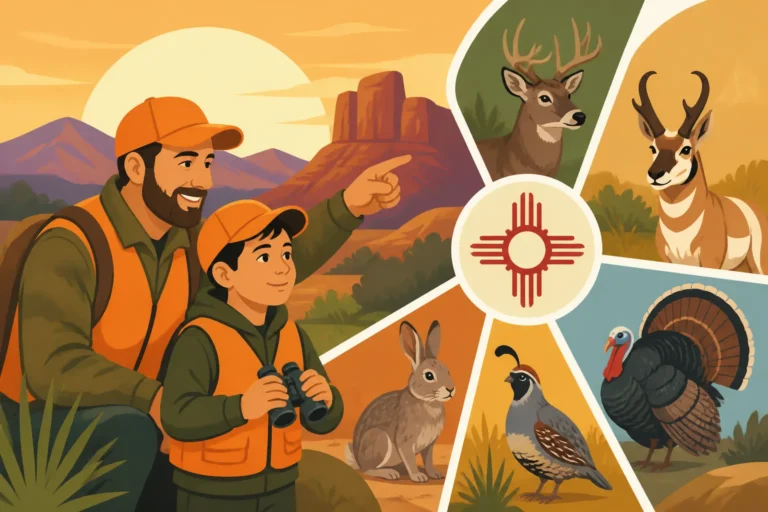
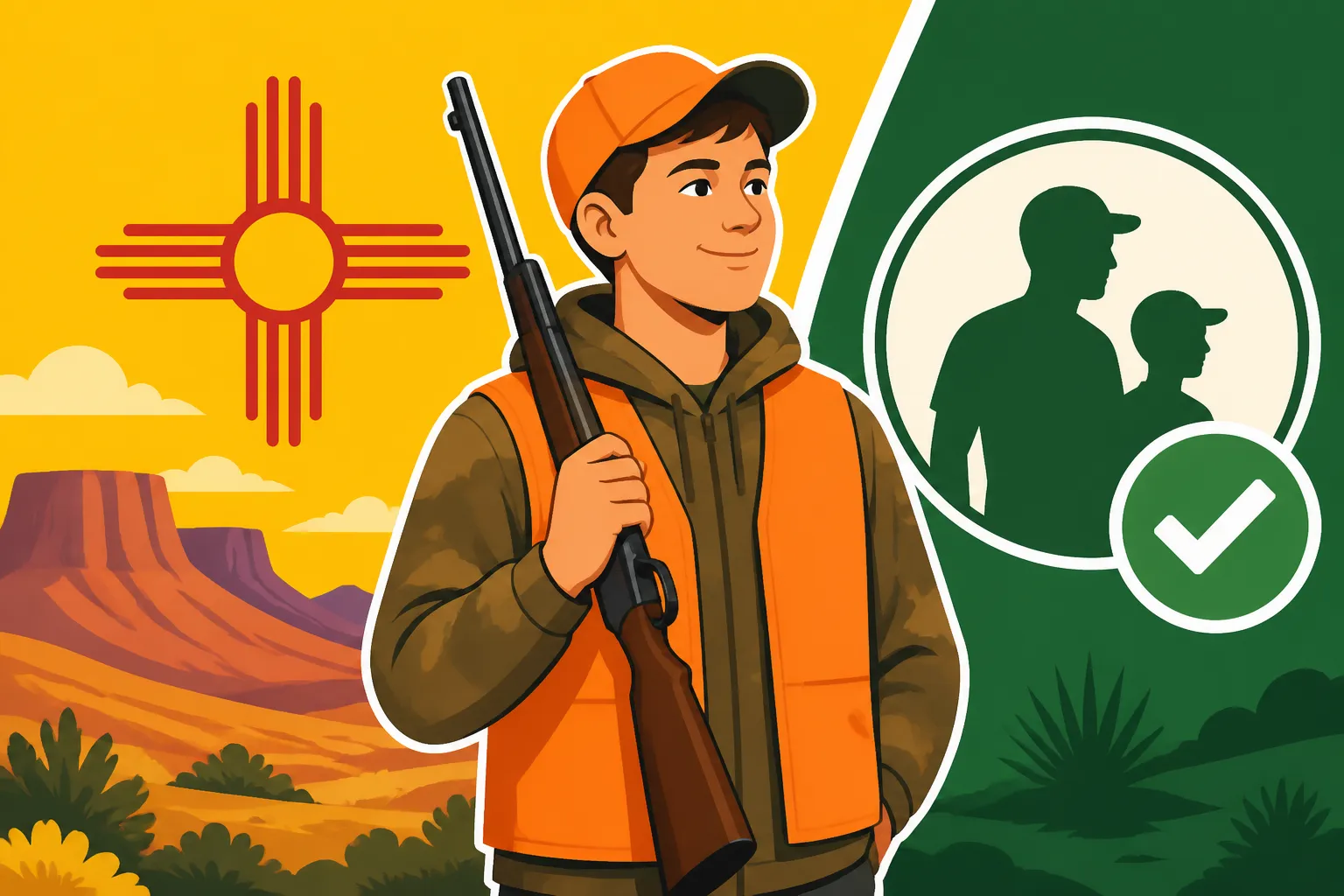
Perhaps the most significant and frequently utilized exemption pathway in New Mexico is the Mentored Youth Hunter Program. This program is a fantastic initiative designed to introduce young, aspiring hunters to the sport under the direct supervision of an experienced adult mentor, before they've completed hunter education. It's a hands-on learning experience that many believe is the best way to truly learn the ropes.
The New Mexico Mentored Youth Program Explained allows youth to hunt for two years under a mentor before they are required to complete their own hunter education certification. This isn't just a free pass; it's a structured pathway designed for real-world learning.
Here's a quick look at the core exemptions and what's generally required:
| Exemption Category | General Requirements | Notes |
|---|---|---|
| Out-of-State Certification | Valid hunter education card/certificate from another state/country | Program must be IHEA-recognized. |
| Active Military | Current military ID | Applies to U.S. Armed Forces. |
| Honorably Discharged Veteran | DD-214 or other proof of honorable discharge | |
| Mentored Youth | Registered mentor, youth within age limits, direct supervision | Specific rules apply; limited to two license years before certification. |
Understanding the New Mexico Mentored Youth Program
The Mentored Youth program is a cornerstone of new hunter recruitment in New Mexico, allowing kids to get into the field and experience hunting firsthand. It acknowledges that sometimes, the best classroom is the actual hunting grounds, with an experienced guide by their side.
Age Specifics and Direct Supervision
The program is open to youth of varying ages, but the rules change slightly depending on how old the young hunter is. For example, What Mentored Youth Under Ten May Hunt differs from What Mentored Youth Over Ten May Hunt. Regardless of age, the most critical component is direct supervision. This isn't optional; the mentor must be within arm's reach and able to take control of the firearm or bow at any moment. This ensures immediate safety oversight and allows for real-time coaching on everything from ethical shot selection to reading animal behavior. Imagine a young hunter on their first pronghorn hunt on the eastern plains; having a mentor right there to guide their approach and shot decision is invaluable.
The mentor needs to have a valid New Mexico hunting license and be at least 18 years old. They also need to possess a valid hunter education certification themselves or be exempt from it. It's important to note that a mentor cannot supervise more than two mentored youth hunters at one time. This low ratio is designed to maximize safety and provide ample individual attention, making the learning experience truly effective.
The Two-Year Window
The exemption through the Mentored Youth Program isn't forever. It's a specific, limited window to allow youth to try hunting before committing to the full hunter education course. How Long Mentored Youth Status Lasts is explicitly defined as two consecutive license years. During this time, the mentored youth can purchase specific licenses and tags without having their own hunter education certification. This allows them to participate in real hunts, experience the thrill of the chase, and understand the responsibilities involved.
However, once those two license years are up, the youth must complete an approved hunter education course to continue hunting independently. What Happens When the Two Years End is simple: they must get certified. This structured approach encourages participation while ensuring that all adult hunters eventually possess a comprehensive understanding of hunting safety and ethics. It’s a great way to foster a love for hunting early on. If they're using a platform like GoHunt to explore hunt opportunities, they'll need to ensure their certification is in order after that two-year period.
Mentor Responsibilities and Requirements
Becoming a mentor is a significant role, and New Mexico doesn't take it lightly. Beyond direct supervision, a mentor has several crucial responsibilities. They are accountable for the mentored youth's actions while hunting, meaning they must ensure the youth adheres to all hunting laws and regulations. This includes everything from proper tagging procedures to understanding Legal Shooting Hours and Blaze Orange in New Mexico.
To be a mentor, you need to obtain a mentor number from the NMDGF. This is a straightforward process, but it's essential for tracking participation and ensuring accountability. The requirements for Getting a Mentor Number From New Mexico are designed to make sure the mentor understands their obligations. This entire program is built on the premise that responsible, experienced hunters will pass on their knowledge and respect for the tradition to the next generation, fostering a lasting legacy of conservation.
Important Considerations After an Exemption
Just because you're exempt from hunter education doesn't mean your responsibilities end there. There are still a few critical things to keep in mind to ensure you're always hunting legally and safely in New Mexico.
Always Carry Proof of Exemption
Whether you're relying on a prior state's certification, your military status, or acting as a mentored youth, you must carry proof of your exemption while hunting. Game wardens in the field are obligated to check for proper licensing and certifications, and not having your proof handy can lead to unnecessary delays, citations, or even a ruined hunt. For out-of-state certifications, keep your hunter education card with your New Mexico hunting license. For military exemptions, a valid ID is crucial. For mentored youth, the mentor's number and the youth's documentation will be key. Always treat this documentation with the same importance as your hunting license and tags.
Staying Up-to-Date on Regulations
An exemption from hunter education doesn't exempt you from knowing and following all current New Mexico hunting regulations. Wildlife laws can change, sometimes annually, and it's every hunter's responsibility to stay informed. A hunter education course provides a great baseline, but the specific details for each season and species are found in the annual New Mexico Hunting Rules & Info Booklet. Getting into the habit of Reading the New Mexico Rules and Info Booklet cover-to-cover before each season is paramount, especially if you plan on Applying for Multiple Species in One Year. Websites like GoHunt often have summaries, but always double-check with the official NMDGF document.
For example, rules regarding crossbow legality, Minimum Bow Draw Weight for Big Game, or specific restrictions like Are Expandable Broadheads Legal? might be updated. It’s not enough to rely on what you learned years ago; you need to know the current rules. This applies to everyone, regardless of experience level or exemption status.
Considering Hunter Education Anyway
Even if you're exempt, there's a strong argument to be made for taking a New Mexico hunter education course anyway. The course often covers New Mexico-specific laws, wildlife management practices, and local nuances that might not have been part of an out-of-state certification. For instance, understanding the specific terrain and challenges of hunting New Mexico From 4,000 Feet to 10,000 or the specific identification of New Mexico's various deer species like mule deer and Coues Deer in New Mexico's Southern Ranges can be incredibly beneficial.
Furthermore, these courses provide a fantastic networking opportunity, connecting you with other hunters and NMDGF staff. You might learn about local hunting opportunities, conservation efforts, or even find new hunting buddies. Plus, if you're ever considering becoming a mentor yourself, having a current New Mexico hunter education certificate will be a requirement. Think of it as investing in your hunting future and deepening your connection to the sport in the state you love to hunt. There's really no downside to being overly prepared and knowledgeable.
Disclaimer
Please remember that hunting regulations can change. While this guide provides a comprehensive overview of hunter education exemptions in New Mexico, it is crucial to always consult the most current New Mexico Department of Game and Fish hunting proclamation or rules and information booklet for the definitive and most up-to-date regulations. This guide is for informational purposes only and should not be considered legal advice.