Which Units Run a December Muzzleloader Hunt
Figuring out the exact dates and units for New Mexico's deer seasons can feel like deciphering an ancient map, especially when you're dreaming of a crisp December muzzleloader hunt. Many hunters assume muzzleloader seasons are confined to the early fall, but there are indeed unique opportunities that extend into the colder months. This guide is here to untangle that complexity, showing you precisely which units offer those coveted late-season muzzleloader possibilities and how to prepare for them.
Decoding New Mexico's December Muzzleloader Opportunities
New Mexico's hunting seasons are incredibly diverse, offering everything from early archery hunts in the high country to late-season rifle opportunities in the desert. Muzzleloader seasons often hold a special appeal, bridging the gap between archery and modern firearm hunts, demanding a unique skill set and patience. However, when you start looking for December muzzleloader hunts, things can get a little nuanced. It's not always a standalone "muzzleloader only" season like some of the earlier ones; often, December hunts where muzzleloaders are legal are actually "Muzzleloader or Bow" seasons, or even part of broader "Any Legal Weapon" dates.
The allure of a December muzzleloader hunt is undeniable. You're often hunting during or just after the peak of the deer rut in many southern units, and the colder weather can concentrate deer, making them more visible. Plus, the landscape takes on a stark, beautiful quality that's entirely different from an early fall hunt. It’s a chance to experience the solitude of the desert or mountain foothills when many other seasons have already closed. Before you dive deep into planning, it’s critical to understand the specific regulations surrounding Muzzleloader Caliber Minimums for Elk and other species, and crucially, to know What Makes a Weapon Primitive Under the Rules so your gear is compliant.
The Nuance of Late-Season Muzzleloader Tags
When you pour over the New Mexico Department of Game and Fish (NMDGF) rules and regulations booklet, you'll notice that dedicated "muzzleloader only" deer hunts are most prevalent in October and November. These are often structured to take advantage of specific periods, like pre-rut activity. However, for those looking to extend their season, certain units in the southern part of the state offer "Muzzleloader or Bow" hunts that run into December. These are primarily focused on desert mule deer and Coues deer, species that often have later rutting periods compared to their northern counterparts.
These combined "Muzzleloader or Bow" seasons mean that while you can absolutely use your muzzleloader, you'll also be sharing the field with bowhunters. This isn't necessarily a disadvantage, but it's something to be aware of when considering hunting pressure and preferred tactics. The key is to closely examine the hunt code for each unit you're interested in, as Reading a New Mexico Hunt Code Before You Apply is the only way to truly understand the weapon restrictions and dates. The later timing of these hunts also means you're often encountering deer that have already been pressured during earlier archery or rifle seasons, demanding a more strategic approach.
Why December Muzzleloader Hunts Are Unique
Hunting in December brings a host of unique challenges and rewards. The weather can be highly unpredictable, swinging from mild, sunny days to bitter cold with snow, even in the desert. This dictates everything from your layering system to the type of optics you'll carry. The deer themselves are often in their winter patterns, seeking out sun-drenched slopes, thermal cover, and reliable food sources. Their movements can be more predictable, but they are also acutely aware of danger.
Unlike the Gila's high country elk seasons or even northern mule deer hunts, these December deer hunts in New Mexico tend to occur at lower elevations. This means you’re less likely to be contending with extreme altitude sickness, but you’ll certainly need to plan for Water You Must Carry on a Desert Day Hunt if you're not in an area with reliable natural sources. It’s a completely different landscape and experience, requiring different preparation than, say, Hunting New Mexico From 4,000 Feet to 10,000 in a high-elevation unit. The quiet nature of muzzleloading combined with the quieter landscape of late fall can make for an incredibly immersive experience.
Prime Units for a Late-Season Muzzleloader Deer Hunt
While New Mexico offers many deer hunting opportunities, specific units in the southern part of the state are the ones to focus on for December muzzleloader action. These units are typically home to desert mule deer or Coues deer, both species well-adapted to the arid environments and generally having a later rut.
Southern Desert Units to Target
For the 2023-2024 hunting season (and often reflective of typical patterns), several southern units featured "Muzzleloader or Bow" deer hunts that extended into early December. These include:
- Units 19, 21, 23: Located in the south-central and southeastern parts of the state, these units are classic desert mule deer country. Think vast expanses of creosote, mesquite, and cholla, interspersed with rocky hills and occasional isolated mountain ranges. Deer here often concentrate around arroyos, draws, and any available water sources. These units can be incredibly challenging due to the open terrain and the deer's natural wariness, but they hold mature bucks for those willing to put in the work.
- Units 27, 28, 30: Further west in the southern part of the state, these units also offer December "Muzzleloader or Bow" deer hunts. Unit 27, for example, is well-known for both desert mule deer and some opportunities for Coues deer, especially in its more mountainous pockets. Units 28 and 30 feature diverse terrain, from rolling hills to steeper climbs, providing habitat for robust populations. These areas demand extensive glassing and patient stalking.
It's crucial to always check the most current NMDGF regulations booklet for the exact dates and weapon restrictions for your specific hunt code each year. These dates can shift slightly, and new opportunities might arise. Resources like GoHunt's insider pages or detailed drawing odds reports can often provide unit-specific insights and help you track these changes, making it easier to plan your application or over-the-counter license purchase.
Characteristics of These Late-Season Units
Hunting in these southern New Mexico units in December requires a different mindset than, say, a hunt in the timbered Gila.
- Terrain: Expect primarily arid or semi-arid landscapes. This means lots of open ground, broken by draws, arroyos, and isolated mountains or volcanic cones. Cover is often sparse, making spotting and stalking a primary tactic. Understanding the nuances of Desert Mule Deer in the Southern Units will be key to finding success here. For those units with Coues deer, you'll often be focusing on the brushier, rugged mountain foothills, where the little "gray ghost" can disappear in an instant.
- Weather: While it's December, the southern New Mexico desert can still see mild daytime temperatures, but nights will be cold, often dipping below freezing. Snow is less common than in northern units, but certainly possible, especially at higher elevations within these units. Wind can be a significant factor, making long-range shooting challenging for a muzzleloader and affecting thermals, particularly when Playing Thermals on a Canyon Stalk.
- Game Behavior: By December, the mule deer rut in many southern units can be in full swing or just winding down. Bucks are often more visible as they search for does, but they can also be exhausted and extremely cautious. Understanding When the Mule Deer Rut Actually Starts in these specific southern areas is crucial for timing your hunt. For Coues deer, their rut often peaks later in December or January, making these late hunts particularly exciting. They will still be seeking out prime browse and protected bedding areas.
Here's a quick overview of some potential December muzzleloader units (always verify with current regulations):
| Unit | Primary Deer Species | Typical December Hunt Dates | General Terrain | Key Considerations |
|---|---|---|---|---|
| 19 | Desert Mule Deer | Early-Mid December | Arid, open flats, mesquite draws, rocky hills | Extensive glassing, long-range scouting, water sources are critical. |
| 21 | Desert Mule Deer | Early-Mid December | Rolling desert hills, sparse vegetation, volcanic features | Patience for stalking, utilizing broken terrain for cover. |
| 23 | Desert Mule Deer | Early-Mid December | Varied desert, including some higher elevation "sky island" ranges | Can find both open country and more timbered areas. |
| 27 | Desert Mule Deer / Coues Deer | Early-Mid December | Rugged mountains, foothills, desert flats | Strong potential for both species, requires physical conditioning for higher elevations. |
| 28 | Desert Mule Deer | Early-Mid December | Chihuahuan Desert, scattered mountains and draws | Focused on finding traditional wintering grounds or rutting activity. |
| 30 | Desert Mule Deer | Early-Mid December | Wide-open plains with scattered hills, agricultural fringes | Deer can be highly mobile; focus on travel corridors. |
Keep in mind that these are typically "Muzzleloader or Bow" seasons, meaning you’ll share the field with archery hunters.
Essential Preparations for a December Muzzleloader Experience
A December muzzleloader hunt is not just about showing up with your rifle; it's about meticulously preparing for the unique challenges of late-season conditions and the specific demands of the weapon. Being ready means thinking through your gear, understanding regulations, and getting yourself physically prepared.
Gear Up for Cold Weather and Muzzleloader Specifics
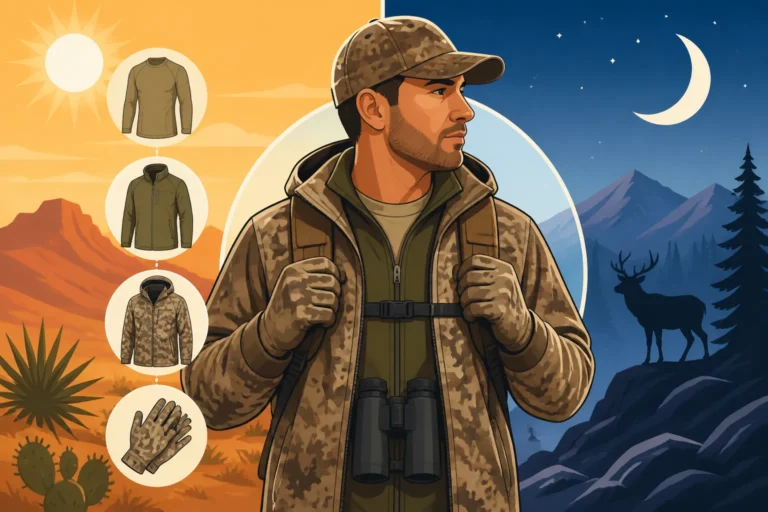
December weather in New Mexico, even in the southern desert, can range from pleasantly cool to bitterly cold, especially at dawn and dusk. Layering is non-negotiable. Start with good base layers that wick moisture, add insulating layers like fleece or down, and top it off with a windproof and water-resistant outer shell. Don't forget a warm hat, gloves, and quality hiking boots suitable for rocky, uneven terrain.
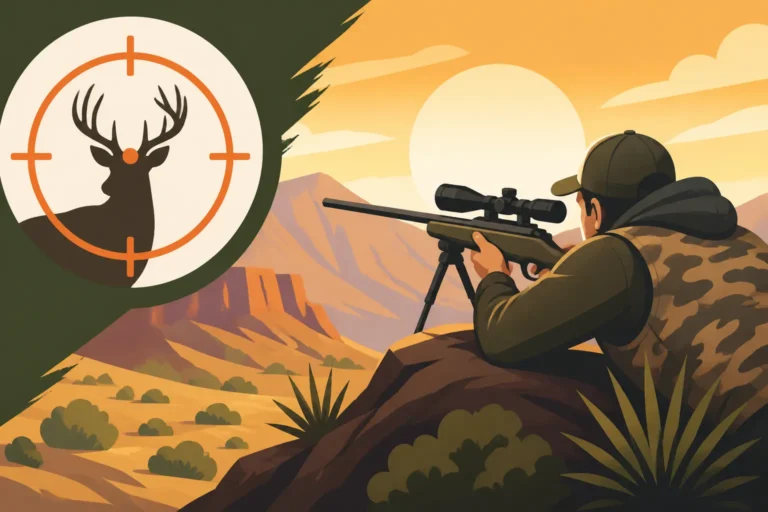
For your muzzleloader, ensure it's sighted in precisely. Cold weather can affect powder burn and bullet flight, so confirm your zero at the ranges you expect to shoot. How far a muzzleloader needs to be zeroed is often a point of debate, but for late season deer, knowing your ballistic drops out to 150-200 yards is usually sufficient, as most muzzleloader shots are closer. Pack extra caps or primers, and ensure your powder is kept dry and stable. A good quality cleaning kit and tools for disassembling your muzzleloader in the field are also crucial, especially if moisture becomes an issue.
Navigating Regulations and Safety
New Mexico's hunting regulations are comprehensive, and understanding them is paramount. Even for muzzleloader hunts, Blaze Orange Requirements Through the Season might apply depending on the specific hunt code and unit. While many archery-only seasons do not require it, any season shared with muzzleloaders or modern firearms might. Always double-check the current rulebook.
Beyond blaze orange, be aware of legal shooting hours, which shift slightly throughout the season as the days shorten. You'll also need to ensure your muzzleloader meets all the state's definitions for primitive weapons, including caliber, ignition type, and projectile requirements. Any restrictions on optics, like scopes, for certain muzzleloader seasons should also be noted. The NMDGF website and the annual rules and information booklet are your best friends here.
Physical and Mental Conditioning
Even if you're not climbing the massive peaks of the Gila, hunting southern desert units in December still demands a decent level of physical fitness. You'll likely be covering many miles on foot, often across uneven, brushy, and rocky terrain. The "spot and stalk" nature of these hunts means you need to be able to move quietly and deliberately, sometimes for hours.
Mental grit is just as important. Late-season hunting can be tough; animals are often wary, and the weather can wear on you. Patience, persistence, and the ability to stay positive through long hours of glassing are crucial. Remember, the quiet simplicity of a muzzleloader hunt is part of its charm, but it also means you might only get one shot, so make it count. Consider spending some time on Preparing Physically for a High Elevation Hunt if your chosen desert unit has more substantial mountains, as these can still pose a challenge.
Strategic Approaches for December Muzzleloader Success
Hunting success, especially during a late-season muzzleloader hunt, boils down to understanding animal behavior, mastering scouting techniques, and employing effective in-field tactics. Deer in December are often more attuned to their surroundings, but their needs also become more pronounced, offering strategic advantages to the observant hunter.
Understanding Late-Season Deer Behavior
By December, deer are intensely focused on two things: breeding and survival. The rut, particularly for desert mule deer and Coues, might be peaking or just past its prime, meaning bucks are often more distracted and actively seeking does. This increased movement can make them more visible, especially in open country. Simultaneously, the onset of colder weather drives deer to seek out prime winter range—areas that offer thermal cover, ample food sources, and protection from the elements.
Look for south-facing slopes that catch the most sun, providing warmth in the mornings. Dense draws, canyon bottoms, or thick pockets of brush will offer cover from wind and predators. Pay close attention to food sources that are still available, such as specific browse, forbs, or even agricultural fields on the fringes of public land. Deer will often migrate to these lower elevation wintering grounds or concentrate in areas of reliable forage, making them easier to pattern once located. Remember that Water Sources and Ethics in Desert Hunting remain paramount, even in colder weather, as deer still need to drink.
Advanced Scouting and E-Scouting
Effective scouting is the backbone of any successful hunt, and it's even more critical for a December muzzleloader outing. With many other seasons closed, deer might be less pressured in certain areas, but they are still on high alert. Start with comprehensive e-scouting using tools like GoHunt's mapping features. Layer satellite imagery with public land boundaries, terrain features, and historical fire data to identify potential bedding areas, travel corridors, and feeding grounds. This is a great way to conduct E-Scouting a New Mexico Unit Before the Season, narrowing down vast areas to promising glassing points and access routes.
Once on the ground, focus on fresh sign. Look for tracks in soft soil, rub lines, and scrapes, paying attention to their freshness and direction. In December, deer often leave very visible trails as they move through sparse vegetation to feeding and bedding areas. Don't be afraid to put in miles before the season, hiking into areas you've identified via e-scouting. Patterning a Buck in the Weeks Before Opener can give you an invaluable advantage, helping you anticipate movements and set up for a shot.
Effective In-Field Hunting Tactics
Given the open nature of many southern New Mexico units, glassing is your most powerful tool. Set up on high points at first light and last light, using good quality binoculars and a spotting scope on a tripod. Methodically grid-glass all visible terrain, paying close attention to shadows, draws, and breaks in the landscape. Deer often blend in perfectly, so look for abnormal shapes, horizontal lines, or flickers of movement. Once you spot deer, take your time to evaluate the situation.
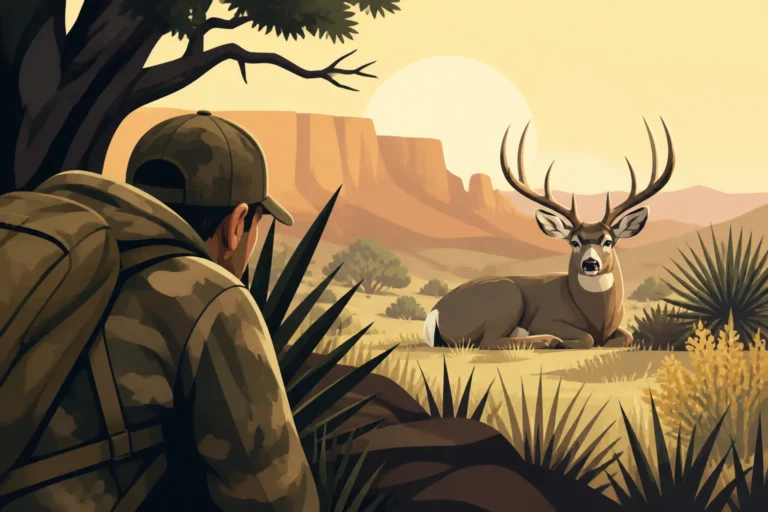
Spot and stalk will be your primary method once an animal is located. This requires immense patience and skill. Use the terrain to your advantage, staying below ridge lines, utilizing washes, and moving slowly and deliberately. Wind direction is critical; always keep it in your face or quartering. The quiet nature of a muzzleloader means you need to get closer than you might with a rifle, emphasizing the importance of a precise approach. Practice still hunting through promising areas, moving slowly, pausing often, and using your optics to scan ahead. Remember, success often comes down to who spots whom first.
A December muzzleloader hunt in New Mexico is a challenging but incredibly rewarding experience. By understanding the unique units, preparing thoroughly, and employing smart hunting strategies, you can significantly increase your chances of bringing home a late-season trophy.
Disclaimer
The information provided in this article is for general guidance and informational purposes only. Hunting regulations, season dates, and unit boundaries can change frequently. Always consult the most current New Mexico Department of Game and Fish (NMDGF) official regulations booklet and website before planning any hunt. It is the hunter's responsibility to know and comply with all applicable laws and regulations.