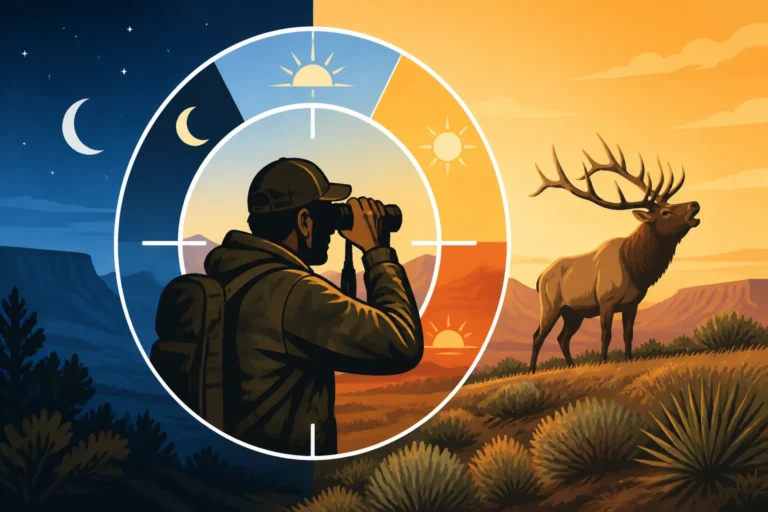
Why New Mexico Splits Its Archery Deer Season
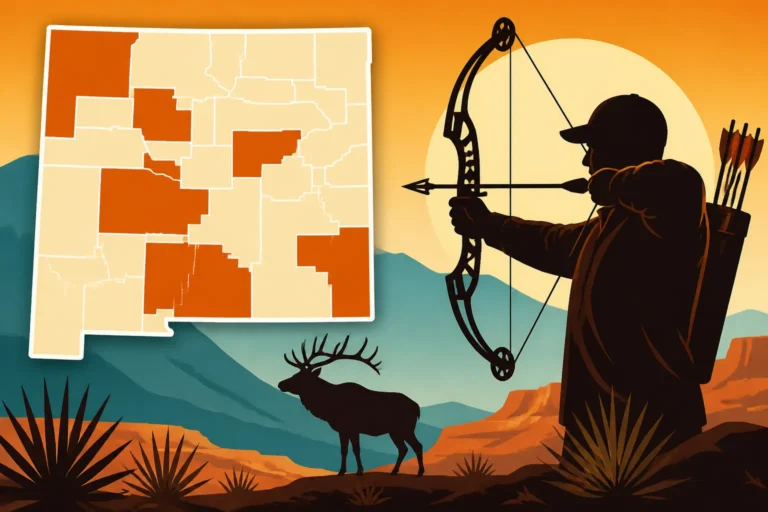
If you've spent any time looking at New Mexico's big game proclamation, particularly when it comes to mule deer, you've probably stared at the archery deer season dates, scratching your head over the two separate windows. It can be a real head-scratcher when other states often have one continuous archery season. This split isn't just a random decision by the New Mexico Department of Game and Fish (NMDGF); it's a thoughtful approach to managing both the deer population and the quality of the hunting experience. This comprehensive guide will unpack exactly why New Mexico operates with a bifurcated archery deer season and how it impacts your hunt planning.
The Distinct Structure of New Mexico's Archery Deer Seasons
New Mexico does things a little differently, and the split archery deer seasons are a prime example. Instead of one long, continuous stretch, the state carves out two distinct periods for bowhunters to pursue mule deer. This structure directly influences hunter strategy, deer behavior, and the overall experience in the field.
The First Archery Deer Season
Typically kicking off in early September, the first archery deer season aligns with a period when summer patterns are still very much in play. This early window is often characterized by hot, dry weather, especially in the desert units, though higher elevations might offer cooler mornings. Deer are still primarily focused on food and water sources, often grouped in bachelor herds or small family units.
Hunters during this time are often targeting predictable patterns. Bucks might still be somewhat relaxed from their summer routine, moving from bedding areas to feeding grounds, often around reliable water sources. The challenge here is the heat and the need for meticulous scouting to pinpoint these patterns before the season opens. You're less likely to find bucks actively cruising for does, as the rut is still a distant thought. Success in this season often comes down to patience, stealth, and a deep understanding of a buck's summer habits. For more on the specifics, check out our guide on When New Mexico's First Archery Deer Season Runs.
The Second Archery Deer Season
Following a brief closure, the second archery deer season usually opens in late September and can extend into early October. This period brings a significant shift in conditions and deer behavior. The weather generally starts to cool down, especially at night, and the days become shorter. Critically, this season pushes closer to the pre-rut and early rut phase, making deer behavior far more dynamic and less predictable than the early season.
During the second season, bucks begin to break out of their bachelor groups. They start to become more active, rubbing antlers, making scrapes, and generally expressing more territorial behavior as testosterone levels rise. This can lead to increased deer movement throughout the day, offering different hunting opportunities. Instead of just glassing feeding areas, hunters might focus on travel corridors, pinch points, and areas with fresh sign indicating increasing buck activity. The shift from summer patterns to pre-rut activity is a key differentiator between the two windows, as explored in detail in How the Two Archery Deer Seasons Differ. Understanding When the Second Archery Deer Season Runs is crucial for capitalizing on these changes.
Biological and Management Rationale for the Split
The NMDGF doesn't just arbitrarily divide the season; there are sound biological and wildlife management reasons behind this approach. It's a strategy designed to balance hunter opportunity with the health and long-term sustainability of the mule deer population.
Managing Hunter Pressure and Distribution
One of the primary drivers behind the split season is the effective management of hunter pressure. If New Mexico offered one continuous, lengthy archery season, it could lead to an overwhelming concentration of hunters in prime areas for an extended period. This increased pressure could make deer more nocturnal, push them into thicker cover, and generally reduce the quality of the hunting experience for everyone.
By splitting the season, the NMDGF disperses hunter effort. Some hunters prefer the predictability of the early season, focusing on summer patterns and water holes before the deer become more skittish. Others specifically target the later season, hoping to capitalize on increased buck movement associated with the pre-rut. This staggered approach helps distribute hunters across the landscape and throughout the overall season, reducing the cumulative impact on the deer. It's a way to ensure that while plenty of opportunities exist, no single period becomes too overcrowded, allowing deer some breathing room and maintaining a healthier population dynamic. This management technique also ties into broader principles of wildlife conservation, ensuring that mule deer can thrive even with significant hunting interest.
Minimizing Impact During Peak Rut
Perhaps the most critical biological reason for the split is to minimize disturbance during the absolute peak of the rut. While the second archery season might touch on the beginning of rutting activity, the intent is generally to avoid the most intense period of breeding. The NMDGF strives to allow bucks and does to complete the critical phases of their reproductive cycle with minimal human interference from hunting.
Hunting during the full-blown rut, while exciting, can place additional stress on deer during an already energy-intensive time. By scheduling a break between the two archery seasons and ensuring the archery windows don't overlap entirely with the peak of the rifle rut seasons, the department aims to promote successful breeding and ensure robust fawn crops in subsequent years. This strategic separation helps maintain herd health and genetic diversity. It's a balancing act: providing hunters with exciting opportunities without compromising the fundamental biological processes that sustain the species. This approach allows biologists to better track herd health and make informed decisions, much like how they monitor and respond to issues like How Chronic Wasting Disease Testing Works for overall herd management.
Tactical Advantages for Hunters Navigating the Split
While the split season might seem like an inconvenience at first glance, it actually presents unique tactical advantages for the prepared hunter. Each season offers a distinct set of challenges and opportunities that can be leveraged with the right approach.
Early Season Scouting and Adaptation
The first archery season, typically falling in early September, is often hot and dry. This means deer are highly reliant on consistent water sources and established feeding patterns. For the astute hunter, this predictability can be a huge advantage. Bucks are often still in their summer bachelor groups and haven't been pressured yet, making them more visible during daylight hours.
This early window allows for intensive pre-season scouting. Using tools like GoHunt's satellite imagery and terrain analysis, hunters can pinpoint potential bedding areas, travel corridors, and crucial water holes. With a clear understanding of a buck's routine, a hunter can set up an ambush or plan a careful stalk with a higher degree of confidence. The key is to adapt to the warm weather, focus on early morning and late evening movements, and be prepared to sit patiently. This detailed pre-season work can significantly improve your odds, as discussed in guides like E-Scouting a New Mexico Unit Before the Season and Patterning a Buck in the Weeks Before Opener.
Late Season Rut Strategies
The second archery season, usually running in late September and early October, shifts the dynamic significantly. As temperatures drop and daylight hours shorten, bucks become more agitated and active, driven by increasing testosterone and the impending rut. They start breaking out of their summer patterns and actively searching for does, leaving behind rubs and scrapes that weren't present a few weeks prior.
This shift opens up new hunting strategies. Instead of just focusing on food and water, hunters can now incorporate calling, rattling, and still-hunting through timbered areas where bucks might be cruising. The increased movement means more opportunities to encounter bucks throughout the day, not just during the dawn and dusk hours. It's a fantastic time to target those bigger, more reclusive bucks that might have been strictly nocturnal during the early season. Understanding the subtle signs of the pre-rut, such as fresh rubs on small trees or newly pawed scrapes, becomes paramount. While the full rut won't be in swing, the increased activity makes for an exciting, albeit often more challenging, hunt.
Planning Your Hunt Around the Split Seasons
Navigating New Mexico's unique split archery deer seasons requires careful planning, but it also offers flexibility that hunters in other states might not have. Choosing the right season for your hunting style and applying effectively can make all the difference.
Choosing Which Season to Apply For
Deciding whether to apply for the first or second archery deer season comes down to personal preference, hunting style, and often, the unit you're targeting.
- First Archery Season (Early September): If you're a hunter who enjoys meticulous scouting, patterning specific animals, and is prepared for potentially warm weather, this might be your window. Success often hinges on finding consistent food and water sources and setting up an ambush. It's a more methodical hunt, focusing on established routines. You'll need to be diligent about early season preparation, like scouting New Mexico State Trust Land Fourteen Days Out if your chosen unit includes it.
- Second Archery Season (Late September/Early October): If you thrive on active hunting, covering ground, and capitalizing on increased deer movement as they transition into the pre-rut, the second season might be more appealing. The cooler weather is a bonus, and the opportunity to use calling or rattling techniques can add an exciting dimension to the hunt.
Keep in mind that while you can apply for multiple choices on your draw application, you cannot hunt both archery deer seasons on the same deer license if you were to draw a single unit tag. The license dictates a specific season. However, if you are drawn for different units with different hunt codes, you might potentially experience both, but you are limited to one deer harvest per year with a valid license. This distinction is vital when considering Can You Hunt Both Archery Deer Seasons?.
Leveraging E-Scouting Tools like GoHunt
In today's hunting landscape, technology is an indispensable tool, especially when dealing with complex season structures like New Mexico's. E-scouting platforms, such as GoHunt, can provide a significant advantage in preparing for either archery season.
Before you even set foot in the field, you can utilize GoHunt's detailed maps, public land overlays, and historical data to analyze potential units. For the first archery season, this means identifying key water sources, agricultural fields, and shaded north-facing slopes where deer might bed during the heat of the day. For the second season, you might shift your focus to identifying prominent ridges, saddles, and dense timber patches that bucks might use as travel corridors when they start cruising for does.
GoHunt also provides valuable draw odds and harvest statistics, which can help you make an informed decision when applying for your desired season and unit. Understanding the terrain and access points from your computer or phone can save you countless hours of ineffective scouting and put you in a better position to succeed, no matter which archery window you choose.
Here's a quick comparison of the two New Mexico archery deer seasons:
| Feature | First Archery Deer Season | Second Archery Deer Season |
|---|---|---|
| Typical Dates | Early September (e.g., Sept 1-14) | Late September/Early October (e.g., Sept 21-Oct 4) |
| Deer Behavior | Summer patterns, bachelor groups, feeding | Pre-rut/early rut, increased activity, cruising |
| Weather | Often hot, dry, early monsoon potential | Cooler, more stable, shorter days |
| Strategy Focus | Water sources, food patterns, ambush, patience | Travel corridors, rubs, scrapes, calling |
| Hunter Pressure | Can be higher, particularly on opening days | Potentially lower, but unit dependent |
| Pros | Predictable patterns, less skittish deer | Increased deer movement, rutting behavior |
| Cons | Heat management, less deer movement | Shorter daylight, more unpredictable |
Remember, successful hunting in New Mexico, regardless of the season, requires a deep understanding of the regulations. Make sure to thoroughly read Reading a New Mexico Hunt Code Before You Apply to ensure you understand your specific tag's parameters. Additionally, be aware of requirements like The New Mexico Hunter Education Requirement and Legal Shooting Hours and Blaze Orange in New Mexico to ensure a safe and legal hunt.
Disclaimer
Please note that hunting regulations, dates, and requirements are subject to change by the New Mexico Department of Game and Fish. Always consult the official NMDGF Hunting Rules & Info booklet for the current year before planning any hunt. This article is intended for informational purposes only and should not be considered a substitute for official regulations.