Legal Shooting Hours and Blaze Orange in New Mexico
There’s nothing quite as deflating as being out in the New Mexico wilderness, finally having that perfect moment in your sights, only to realize you’re either outside legal shooting hours or, worse, not wearing the required blaze orange. It’s a frustrating scenario, born from confusion about the rules, and it can instantly derail a hunt you've invested so much time and effort into. This guide is here to untangle the complexities of New Mexico’s legal shooting hours and blaze orange requirements, ensuring you're always on the right side of the regulations and, most importantly, safe in the field.
Understanding New Mexico's Legal Shooting Hours for Big Game
When you’re out in the field, time is everything. Knowing exactly when you can legally take a shot is not just about compliance; it's about ethical hunting and respecting the game. New Mexico has specific rules, and they're designed to maximize fair chase while ensuring visibility and safety during those critical low-light periods.
The Standard Timeframe for Big Game
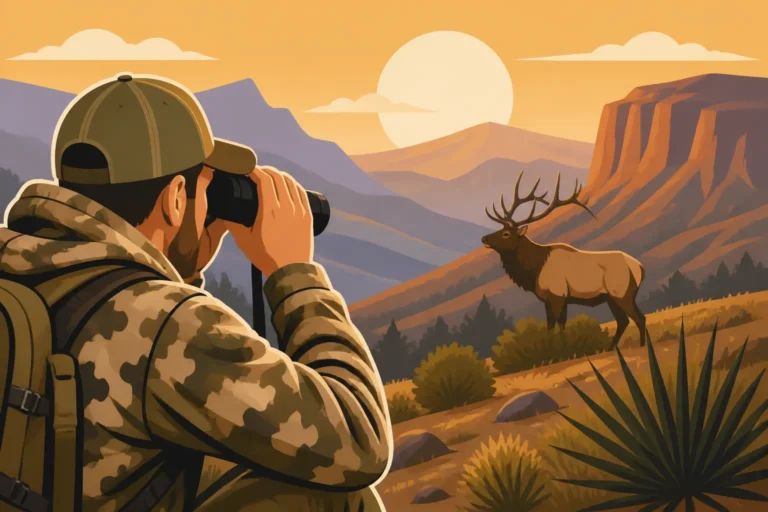
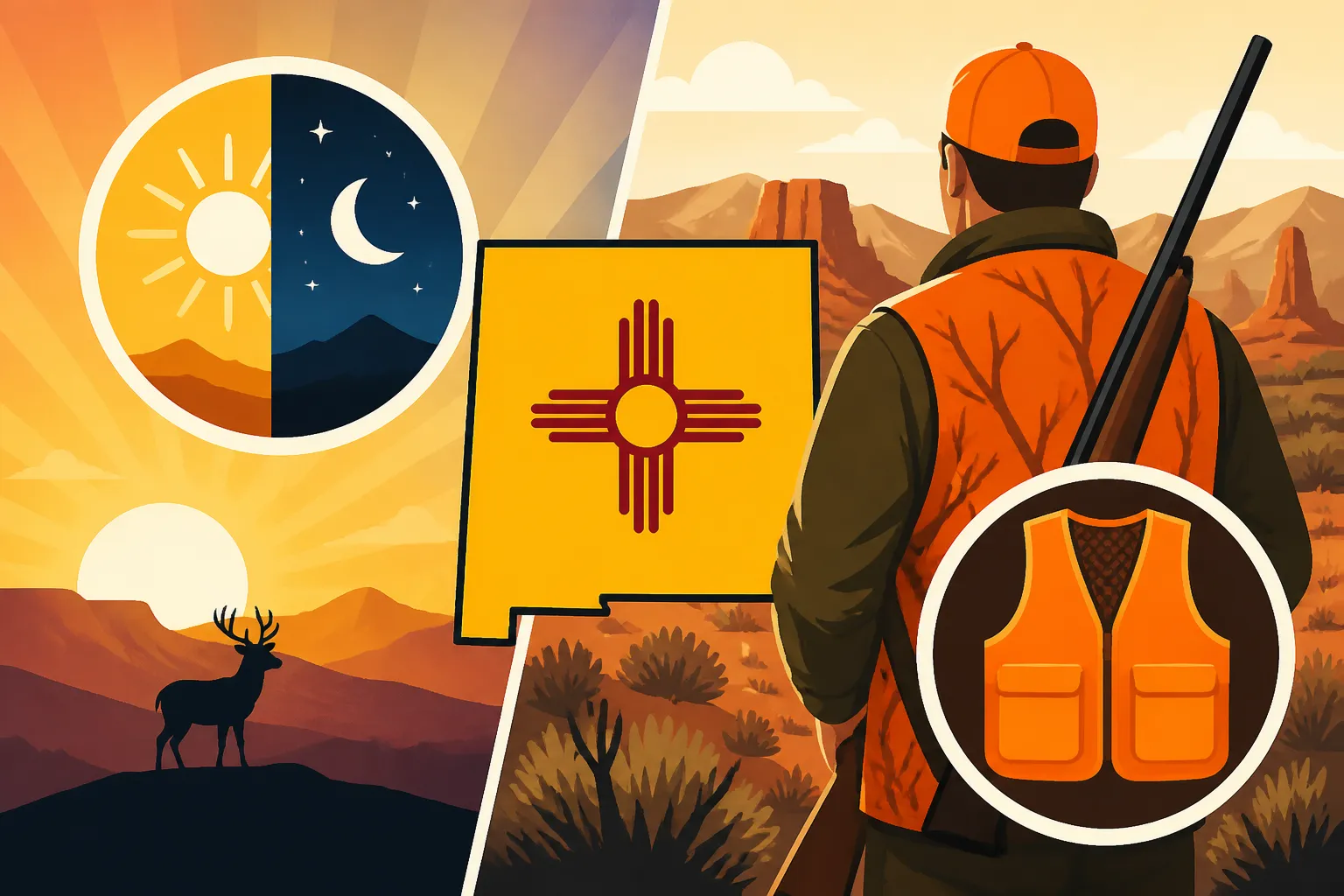
For most big game species in New Mexico, the legal shooting hours are pretty straightforward: one-half hour before sunrise to one-half hour after sunset. This applies to popular species like elk, mule deer, pronghorn, and even special tags like oryx and Barbary sheep. It’s a timeframe that acknowledges the natural activity patterns of these animals, often most active during the crepuscular hours of dawn and dusk, when light is still minimal but sufficient for a responsible shot. Think about those chilly mornings when you’re shivering in your stand, or those golden evenings as the shadows grow long – these are prime times, but they fall right on the edge of the legal window. Missing that exact cutoff can mean the difference between a legal harvest and a violation, so precision here is paramount. You really need to be paying attention to the clock and the sky, not just your surroundings.
How Shooting Hours Adjust with Sunrise and Sunset
The challenge, of course, is that sunrise and sunset times aren't static. They change daily, shifting with the seasons and your specific location within New Mexico. The legal shooting hours for big game adjust accordingly. This isn't like a fixed 6 AM to 6 PM window; it's a dynamic schedule tied directly to the astronomical events of the day. A hunt in early September will have vastly different sunrise and sunset times than a late November muzzleloader hunt, and the regulations for New Mexico Muzzleloader Deer Windows will reflect that. Most experienced hunters rely on local weather apps, hunting apps, or even dedicated GPS devices that provide precise sunrise and sunset data for their exact location. This isn't a "guesstimate" situation; it's about accurate timing. Knowing your exact location, down to the latitude and longitude, helps these tools give you the most accurate legal shooting times. It’s not just about the city you’re closest to; even a few miles can make a difference in when that half-hour mark officially begins or ends.
Exceptions and Specific Species Regulations
While the half-hour rule generally holds, there are always nuances. For instance, some game species, particularly certain predators or furbearers, might have different regulations, especially concerning night hunting. However, for big game, the rule is quite consistent across the board. It's vital to remember that these regulations are set forth in the current year's New Mexico Hunting Rules & Information booklet, which is your ultimate authority. Before you even head out, you should be diligently Reading a New Mexico Hunt Code Before You Apply and checking all the specific regulations for your particular hunt code, unit, and species. Small game and migratory birds often have their own unique shooting hour rules, which can vary widely, sometimes even opening at actual sunrise rather than half-hour prior. Always double-check your particular license and hunt details.
The Critical Role of Blaze Orange for Hunter Safety
Blaze orange isn't just a suggestion; it's a non-negotiable safety requirement for many New Mexico hunts. It serves one primary purpose: to make hunters highly visible to other hunters, reducing the risk of accidental shootings. In the vast landscapes of New Mexico, where visibility can range from dense timber to wide-open plains, standing out is a matter of life and death.
When Blaze Orange is Mandated for Big Game Hunting
New Mexico law is very clear about when blaze orange is required for big game hunters. Generally, if you're hunting big game with a firearm during any legal weapon or muzzleloader season, you must wear blaze orange. This includes all forms of modern rifle hunting, shotgun hunts, and even archery hunters who are hunting concurrently during a rifle season. For example, if you're out during one of the Any Legal Weapon Deer Seasons in New Mexico, blaze orange is absolutely mandatory. The intent is to ensure that in situations where high-powered firearms are present, every effort is made to identify other humans in the landscape. This extends to traversing public lands, retrieving game, or even scouting during a season where firearms are in use. It's a blanket rule designed for maximum safety.
Specific Requirements for Garment Type and Visibility
It's not enough to just throw on any orange item. New Mexico specifies the requirements for blaze orange clothing. Hunters must wear at least 244 square inches of solid blaze orange, which can be a vest, jacket, or another outer garment. This blaze orange must be visible from 360 degrees. What does this mean in practice? A blaze orange vest is a common choice because it provides coverage over your torso, front and back, and often wraps around enough to be seen from the sides. A blaze orange hat is also a popular addition, increasing visibility, especially if you're crouching or in dense brush. The key is "solid blaze orange" – camouflage patterns with orange accents usually don't cut it. The color needs to be bright, distinct, and unmistakable in any lighting condition, ensuring that other hunters see a human silhouette, not an animal. Imagine walking through a patch of junipers; that vibrant orange needs to scream "human" to anyone else in the vicinity.
The Important Distinction for Archery-Only Seasons
Here's where it gets a little tricky and often causes confusion: during designated archery-only seasons, blaze orange is generally not required for bowhunters. This includes seasons like the New Mexico Archery Deer Season Structure when only bows are permitted. The rationale is that bowhunting requires extremely close proximity to game, and the bright color would severely hinder a hunter’s ability to stalk within bow range. However, this exemption comes with a huge caveat. If an archery-only season overlaps with any firearm season (even a limited one like a youth-only or mobility-impaired hunt in the same unit), then blaze orange is required for all hunters in that unit, including archers. It’s always best to check your specific hunt code and unit regulations for any overlaps. When in doubt, wear the orange. It's a simple precaution that can save lives. Better to slightly reduce your concealment than risk an accident. This is where using a robust hunting app like GoHunt can be invaluable, as it often flags these overlap scenarios directly on your unit map, giving you real-time information on what’s happening in your area.
| Hunt Type | Shooting Hours | Blaze Orange Required? | Notes |
|---|---|---|---|
| Big Game Firearm (Rifle, Muzzleloader) | 1/2 Hour Before Sunrise to 1/2 Hour After Sunset | Yes, 244 sq. inches, 360-degree visibility | Applies to all "Any Legal Weapon" seasons. |
| Big Game Archery-Only | 1/2 Hour Before Sunrise to 1/2 Hour After Sunset | No | Exception: Required if any firearm hunt overlaps in the unit. |
| Small Game / Upland Birds | Varies by Species/Season | No, but highly recommended for safety. | Check specific regulations for exact times. |
| Predator Hunting (Daytime) | 1/2 Hour Before Sunrise to 1/2 Hour After Sunset | No, but recommended for visibility. | Night hunting for predators has different rules. |
Why These Regulations Are in Place
These rules aren't just arbitrary hoops to jump through; they're thoughtfully designed elements of wildlife management and public safety. Understanding the "why" behind them can make compliance feel less like a burden and more like a shared responsibility.
Enhancing Hunter Safety and Visibility
The primary reason for both shooting hours and blaze orange is safety. Think about those low-light conditions, especially in dense cover. Without blaze orange, it’s incredibly difficult to distinguish a human form from an animal, or even from a bush in the dappled light of dawn. The half-hour before sunrise and after sunset provides enough ambient light for positive target identification, but not so much that a hunter is mistaken for game. Accidents happen, and they are almost always preventable. By making hunters highly visible through blaze orange and limiting shooting to periods of reasonable visibility, the New Mexico Department of Game and Fish significantly reduces the risk of someone being mistaken for an animal. This is especially true in areas that might see higher hunting pressure, where multiple hunters could be in relatively close proximity. Even if you're hunting alone, it's good practice to prioritize safety, particularly when considering factors like Two-Way Radio Use Between Hunting Partners for communication or unexpected encounters.
Ethical Hunting Practices and Fair Chase
Beyond safety, these regulations uphold the principles of ethical hunting and fair chase. Shooting hours ensure that animals are hunted during periods when they can be seen and identified clearly, promoting clean kills and minimizing wounded game. Taking a shot in near darkness not only risks an unsafe situation but also significantly increases the chance of a poor shot placement, leading to a long, arduous tracking job, or worse, a lost animal. Blaze orange, while primarily a safety measure, also subtly reinforces the idea of responsible hunting – acknowledging that you are a human in the landscape, not trying to disappear entirely. Ethical hunters prioritize a quick, clean harvest, and these rules are designed to facilitate that by providing adequate light for target acquisition. The goal is to give the animal a fair chance while also ensuring the hunter can perform their duty responsibly.
Wildlife Management and Law Enforcement Considerations
From a wildlife management perspective, shooting hours help maintain a consistent and predictable hunting environment. This aids biologists in understanding animal behavior and population dynamics, as hunting pressure is concentrated during specific, regulated times. For law enforcement, these rules provide clear boundaries. Game wardens can more effectively monitor hunting activity and enforce regulations when the parameters are well-defined. It makes it easier to identify illegal activity, such as poaching, which often occurs under the cover of darkness. When hunters consistently follow these guidelines, it strengthens the reputation of the hunting community as a whole and allows the Department to focus on conservation efforts rather than constant enforcement issues. These regulations are a cornerstone of how the state manages its precious wildlife resources, ensuring sustainability for future generations.
Practical Application in the Field
Knowing the rules on paper is one thing, but applying them correctly when you're cold, tired, and focused on the hunt is another. Integrating these requirements seamlessly into your hunting routine is key to a successful and compliant outing.
Using Technology to Track Shooting Hours
Gone are the days of guessing based on a fading sky or relying solely on a watch set to a generic sunrise/sunset. Modern technology has made tracking legal shooting hours incredibly easy and accurate. Many hunting apps, like GoHunt, now integrate localized sunrise and sunset times directly into their mapping features. These apps use your precise GPS coordinates to calculate the exact half-hour windows for your specific location. This can be critical, as sunrise and sunset can vary by several minutes even across a large hunting unit. Before you head out, make it a habit to check these times daily on your chosen app. Better yet, set alarms on your phone or GPS device for 30 minutes before sunrise and 30 minutes after sunset, giving you a clear auditory cue. This removes all doubt and allows you to focus on the hunt without constantly checking your watch. It’s also wise to check for any New Mexico Legal Shooting Hours for Big Game updates, as minor adjustments can sometimes occur.
Dressing for Success and Safety
When it comes to blaze orange, think layering and strategic placement. For cooler weather, a lightweight blaze orange vest or jacket can be worn over your outer layers. In warmer, early season hunts, like those during Heat Management on an Early Season Hunt, you might opt for a lighter mesh vest to avoid overheating. The key is to ensure the 244 square inches are prominently displayed and visible from all angles. Don't forget a blaze orange hat! It might seem like a small detail, but it can significantly improve your visibility, especially in broken terrain where only the top of your head might be visible over a rise. Consider carrying an extra blaze orange vest in your pack for contingencies, like if your primary garment gets snagged or if you need to help a buddy who forgot theirs. It's a small item that could make a huge difference in an emergency.
Planning Your Hunt Around Legal Times
Your hunt plan should always factor in legal shooting hours. This means planning your approach to your hunting spot so you arrive well before legal shooting light begins, allowing time to settle in without disturbing game or making unnecessary noise. Similarly, plan your exit strategy to ensure you're done hunting and safely packed up before legal shooting light ends. It’s a good practice to use the last few minutes of legal light for observation, locating animals for the next morning, or planning your retrieve if you've harvested an animal. But the actual act of shooting must cease precisely at the legal cutoff. This discipline helps ensure you don't make rushed, unethical decisions in fading light. For example, if you're considering Hunting New Mexico From 4,000 Feet to 10,000, remember that elevation changes can subtly affect light perception and even weather, so planning around these legal windows is even more critical.
Penalties and Compliance
Ignoring or misunderstanding hunting regulations can lead to serious consequences. New Mexico takes these rules seriously, and wardens are diligent in their enforcement. A momentary lapse in judgment or a lack of knowledge is rarely an acceptable excuse.
Consequences of Non-Compliance
The penalties for violating shooting hour or blaze orange regulations can range from significant fines to the revocation of your hunting license. Depending on the severity of the offense, and whether it's a first-time violation or a repeat offense, you could face misdemeanor charges. Furthermore, if an incident occurs due to non-compliance (e.g., an accidental shooting where blaze orange was not worn), the legal ramifications could be far more severe, potentially including criminal charges. It's not just about the legal penalties; there's also the reputational damage to yourself and to the hunting community as a whole. Every hunter has a responsibility to be a steward of wildlife and uphold the highest ethical standards. Facing a citation for being out of compliance is a black mark that tarnishes that image and potentially impacts your ability to obtain licenses in the future, not just in New Mexico but in other states as well.
The Importance of Knowing Your Unit's Specifics
New Mexico's hunting regulations can be complex, with specific rules sometimes varying by game management unit or even sub-unit. For example, some units might have unique restrictions due to proximity to urban areas or specific wildlife management goals. It's your responsibility as a hunter to thoroughly read the official New Mexico Department of Game and Fish Rules & Information booklet for the current year. Don't rely on outdated information or hearsay from a buddy. Utilize resources like GoHunt, which often compile and present this information in an easily digestible format, cross-referencing it with maps. Pay close attention to your specific hunt code and the unit it applies to. For instance, the rules for New Mexico's First and Second Archery Deer Seasons might have subtle differences depending on the unit you draw. Before heading into the field, you should be able to articulate the shooting hours and blaze orange requirements for your exact hunt.
Blaze Orange and Shooting Hours for Other Species
While big game hunting often gets the most attention, New Mexico offers a wealth of opportunities for pursuing other species, each with its own set of rules regarding shooting hours and visibility.
Small Game and Bird Hunting Regulations
For small game, such as rabbits and squirrels, and for bird hunting, including quail, dove, and turkey, the blaze orange requirements are generally less stringent than for big game firearm seasons. Often, blaze orange is not required by law for these hunts. However, it's always a good idea to wear some form of highly visible clothing, especially if you're hunting in areas where other hunters might be present, or if your small game season overlaps with a big game firearm season. The more visible you are, the safer everyone is.
Shooting hours for small game and migratory birds also tend to vary more. For many upland birds, legal shooting hours might begin at actual sunrise and end at sunset, or have specific designated periods. Migratory birds like doves and waterfowl usually have federal regulations that dictate shooting hours, which New Mexico adopts. Always check the specific section of the game and fish regulations pertaining to the species you intend to hunt. These rules can be different from big game and can sometimes change year to year, especially for migratory species. It's important to consult the yearly regulations booklet or the GoHunt app for the most up-to-date information on things like New Mexico Quail Season Openers or waterfowl dates.
Predator Hunting at Night
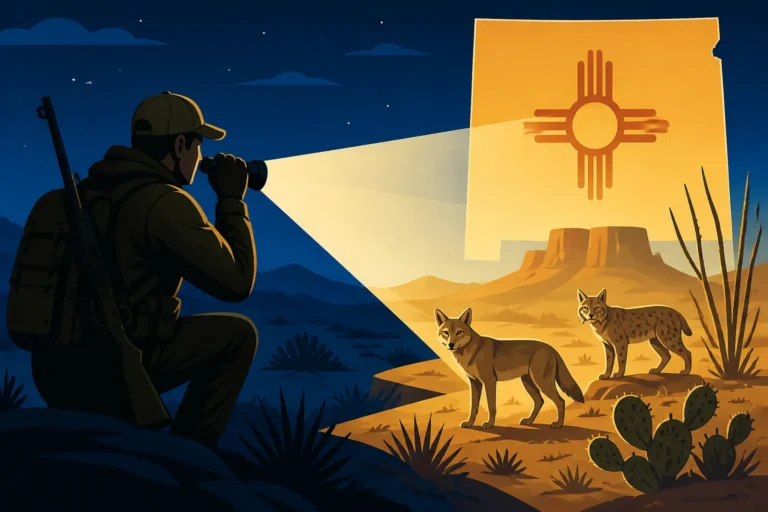
New Mexico allows night hunting for certain predators, such as coyotes and foxes, but this comes with a completely different set of rules and safety considerations. Obviously, blaze orange is not relevant when hunting under the cover of darkness. Instead, regulations focus on the use of artificial lights, electronic calls, and specific firearms. It's critical to understand that hunting big game, or even many small game species, at night is strictly prohibited and constitutes poaching. Predator night hunting is a specialized activity that requires intimate knowledge of the specific regulations, safety protocols for shooting in the dark, and often, specialized equipment. Never assume that just because you can hunt coyotes at night, you can do the same for bobcats or other furbearers without checking the specific rules. Always be mindful of ethical practices and ensure you're not disturbing other wildlife or private landowners.
Disclaimer
The information provided in this guide is intended for general informational purposes only and does not constitute legal advice. Hunting regulations in New Mexico are subject to change, and specific rules may vary by game unit, species, and season. It is the sole responsibility of the hunter to consult the official New Mexico Department of Game and Fish Rules & Information booklet for the current year and any relevant federal regulations before participating in any hunting activity. Failure to do so may result in legal penalties.