The New Mexico Mentored Youth Program Explained
Many aspiring young hunters and their families in New Mexico face a unique hurdle: the excitement of getting out into the field often clashes with the reality of age restrictions and mandatory hunter education courses. It can feel like a maze of rules standing between a child and their first hunting experience. This comprehensive guide is here to untangle the complexities of the New Mexico Mentored Youth Program, offering a clear path for young outdoors enthusiasts to safely and legally participate in hunting, long before they might otherwise be able to.
Understanding the New Mexico Mentored Youth Program's Purpose
The New Mexico Mentored Youth Program is a fantastic initiative designed to introduce younger generations to hunting in a safe, controlled, and educational environment. It’s built on the belief that the best way to learn is often through direct, hands-on experience under the watchful eye of an experienced mentor. This program really shines by allowing kids to get their boots dirty and learn the ropes in the field, rather than just waiting until they're old enough for a classroom.
Bridging the Gap for Young Hunters
Traditionally, new hunters, especially youth, had to wait until they were old enough to take and pass a hunter education course before they could purchase a hunting license and head afield. This meant that many eager youngsters might miss out on precious years of learning and bonding experiences with family mentors. The Mentored Youth Program bridges this gap by offering a structured pathway for supervised hunting without the immediate requirement of a full hunter education certification. It acknowledges that the passion for hunting often sparks at a young age, and providing an early, guided entry can foster a lifelong appreciation for wildlife and ethical outdoor practices. It’s about building a solid foundation, ensuring these kids develop safe habits and a deep respect for the animals they pursue.
The Philosophy Behind Mentorship
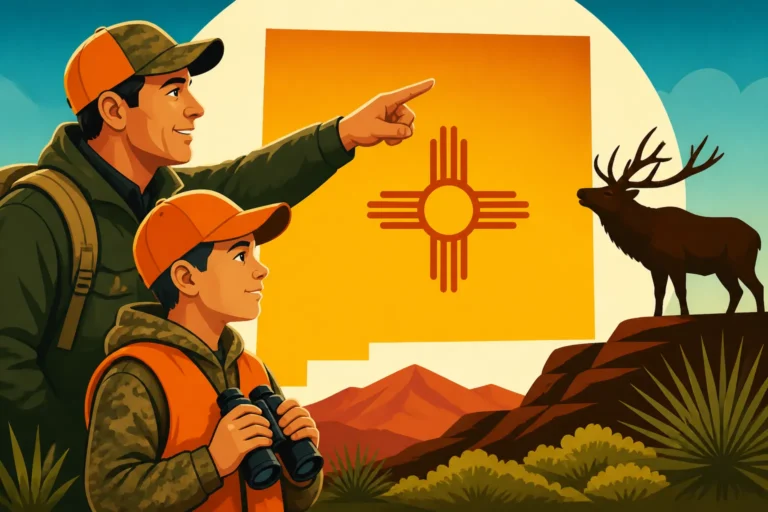
At its core, the program isn't just about getting a tag in hand earlier; it’s deeply rooted in the philosophy of mentorship. This isn't a "junior license" where a kid goes out on their own. Instead, it’s about an experienced, responsible adult actively teaching, supervising, and sharing their knowledge with a young, impressionable learner. Think of it like an apprenticeship in the woods, where every action, from identifying game to understanding scent and wind, is a teaching moment. This hands-on guidance cultivates a deep understanding of fair chase principles, wildlife conservation, and the sheer joy of being in nature. The mentor is the primary source of education, instilling not just shooting skills, but also the ethical compass that guides every responsible hunter.
Program Goals and Objectives
The New Mexico Department of Game and Fish established this program with several clear goals in mind. Firstly, it aims to recruit and retain new hunters, ensuring the future of conservation funding and participation in outdoor traditions. Secondly, and perhaps most importantly, it prioritizes safety. By mandating direct, one-on-one supervision by a certified mentor, the program significantly reduces the risks associated with inexperienced hunters. Finally, it seeks to instill a strong ethical framework. Young hunters are exposed to the full spectrum of hunting—from scouting to field dressing—under guidance, promoting responsible behavior and a deep respect for the animals and their habitat. It's about developing well-rounded, thoughtful hunters who understand their role in the ecosystem.
Who Qualifies as a Mentored Youth?
When considering the Mentored Youth Program, one of the first questions on every parent's mind is, "Does my child even qualify?" It’s important to understand the specific criteria set forth by the New Mexico Department of Game and Fish to ensure that your aspiring hunter fits within the program's guidelines. These rules are in place to ensure safety and effective learning.
Age Requirements and Exemptions
The New Mexico Mentored Youth Program is specifically designed for younger hunters. Generally, participants must be under the age of 18. However, the program offers flexibility within that range. For instance, New Mexico has specific rules regarding "Age Limits Inside the Mentored Youth Program," which detail how different age brackets can participate. Children as young as six years old can begin their mentored hunting journey. For those aged six to nine, they are restricted to hunting small game and turkey. This allows for a gradual introduction to hunting, focusing on simpler scenarios and less physically demanding pursuits, building confidence and basic skills before moving on to larger game. For youth aged ten through seventeen, the program expands significantly, allowing them to hunt big game, small game, and turkey. This broader eligibility opens up incredible opportunities, like pursuing elk in the Gila or mule deer in the northern mountains, alongside their mentor. This progressive structure is thoughtful, ensuring that kids are introduced to appropriate challenges for their age and developmental stage.
First-Time Hunter Mandate
A crucial aspect of the New Mexico Mentored Youth Program is that it's geared towards individuals who are genuinely new to hunting. This means that to qualify, a youth must be a "Why Mentored Youth Must Be First-Time Hunters." The intent here is clear: the program is not meant for seasoned young hunters who simply haven't completed their hunter education yet. It's for those who are just starting out, taking their first steps into the hunting world. This helps ensure that the educational aspect of the mentorship is truly beneficial and that the program serves its purpose of initiating new participants into the hunting community. If a youth has previously held a big game license and hunted independently in New Mexico or another state, they typically would not qualify for the mentored youth program; they would need to complete a hunter education course instead. It’s about fostering genuine newcomers, not bypassing standard requirements for those already experienced.
Species Mentored Youth May Hunt
The types of animals a mentored youth can pursue are dictated by their age, as outlined in the "Which Species a Mentored Youth May Hunt in New Mexico" guidelines. As mentioned, younger participants (ages 6-9) are limited to small game and turkey. This is a perfect way to introduce them to tracking, calling, and the thrill of the hunt without the added pressure or physical demands of big game. Imagine a crisp fall morning, sitting quietly with a young mentee, calling in turkeys – it’s an unforgettable experience. Once they turn ten, the world of big game opens up to them, provided they are accompanied by a licensed mentor. This includes species like elk, deer, pronghorn, and even exotic species like oryx, depending on the available tag. This progression ensures that as a child grows in capability and understanding, the opportunities within the program grow with them, always under the responsible eye of their mentor. It's important for mentors to consult the current New Mexico hunting regulations, which are updated annually, to confirm specific season dates and available units for each species.
Understanding the Mentor's Role and Responsibilities
Becoming a mentor in the New Mexico Mentored Youth Program isn't just about taking a kid hunting; it's about embracing a significant responsibility. You're not just a guide; you're an educator, a role model, and a safety officer, all rolled into one. The success and safety of the mentored youth largely depend on your adherence to the program's requirements and your commitment to ethical hunting.
Eligibility for Mentors
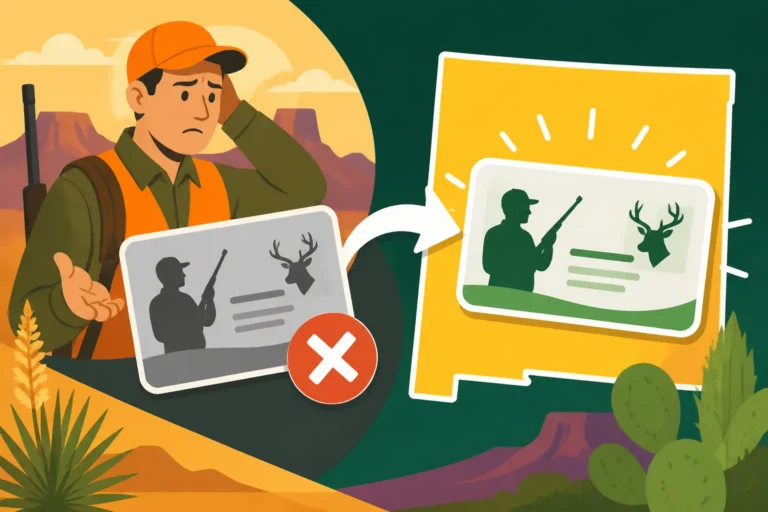
To be a mentor, you can't just be any adult hunter. The program has specific requirements to ensure that the youth are learning from experienced and responsible individuals. First and foremost, a mentor must be at least 18 years old and possess a valid New Mexico hunting license. Beyond that, and critically important, they must have successfully completed a New Mexico Hunter Education course, or an equivalent course from another state or province. This ensures the mentor themselves understands and practices safe firearm handling, ethical hunting, and game laws. It's the state's way of verifying that the person entrusted with teaching the next generation already has a solid foundation of knowledge and safety. Furthermore, mentors must not have any felony convictions or outstanding game violations. It's about trust and accountability, making sure those guiding our youth uphold the highest standards.
Obtaining a Mentor Number
Once you meet the basic eligibility criteria, the next step is to obtain your official mentor number from the New Mexico Department of Game and Fish. This isn't just a formality; it's a unique identifier that links you directly to the mentored youth you are supervising. The process for "What a Mentor Number Requires in New Mexico" is typically straightforward and can be completed online through the NMDGF licensing system or at a local vendor. You'll need to provide your hunter education certification details and confirm your eligibility. This number is then entered on the mentored youth's license application, formalizing the mentor-mentee relationship within the program. Think of it like a registration, acknowledging your commitment to the program's principles. It's a key part of the administrative framework that helps the department track participation and ensure compliance with safety guidelines.
Direct Supervision and Safety Requirements
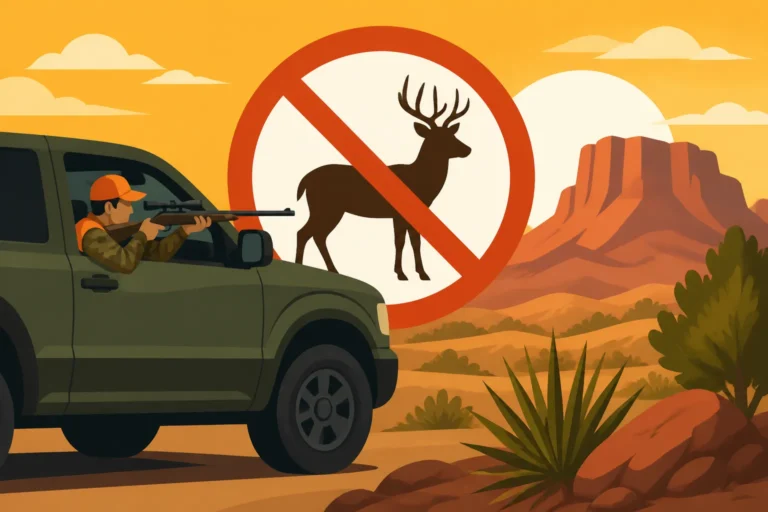
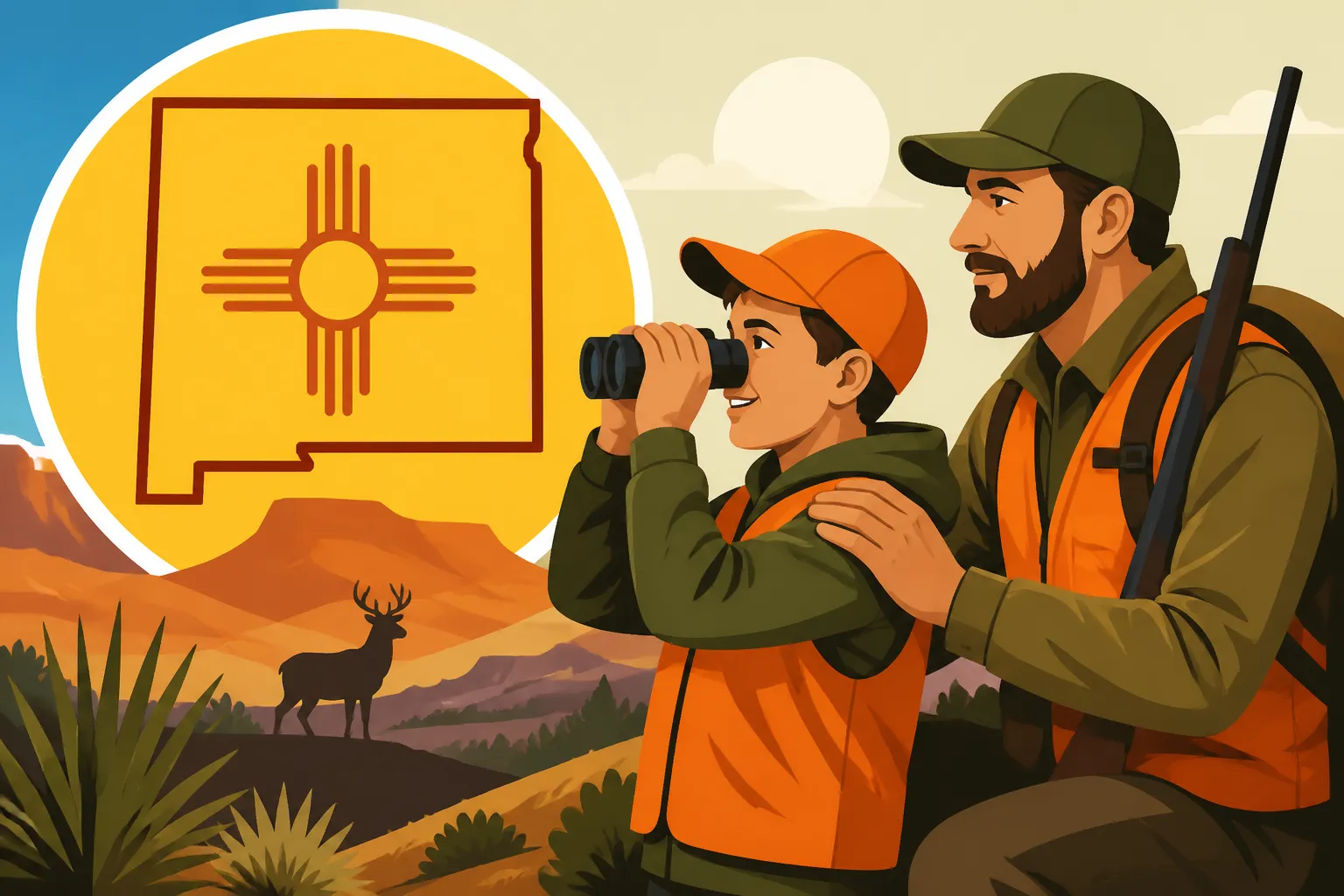
This is where the rubber meets the road. The program strictly mandates "direct, one-on-one supervision" of the mentored youth by the mentor while hunting. This isn't just being in the same general area; it means the mentor must be within "arm's reach" of the mentored youth, able to immediately take control of the weapon or intervene if necessary. For firearms, this means the mentor must be close enough to physically touch the youth’s firearm. For archery, the mentor must be immediately available to guide the shot or prevent an unsafe situation. The intent is clear: the mentor bears full responsibility for the safety and actions of the youth at all times in the field.
This direct supervision also extends to decision-making during the hunt. The mentor is expected to guide the youth on everything from identifying legal game, confirming the shot's safety, and even making the decision to shoot or pass. It's an intensive teaching period, emphasizing safe shooting zones, understanding the backdrop, and proper shot placement. Beyond the immediate hunting act, the mentor is also responsible for teaching proper field dressing, tagging, and retrieval of game, ensuring all legal requirements are met. It’s a huge responsibility, but an incredibly rewarding one, building foundational skills and a deep respect for the animal and the rules of the hunt.
The Benefits and Opportunities of the Program
The New Mexico Mentored Youth Program offers far more than just an early start to hunting; it provides a comprehensive foundation that can shape a young person's character, understanding of nature, and commitment to conservation. It’s an investment in their future as responsible outdoor citizens.
Early Access to Hunting Experiences
One of the most immediate and appealing benefits of the program is the opportunity for early access to the hunting field. Instead of waiting years to reach the age for a hunter education course, kids as young as six can start experiencing the thrill of the hunt. This means more time spent outdoors, more memorable experiences with family, and a faster track to developing crucial hunting skills. Imagine a ten-year-old on their first elk hunt in the Gila, feeling the crisp mountain air, learning to read tracks, and listening to bugling bulls—experiences that might otherwise be years away. This early exposure can instill a lifelong passion for hunting and outdoor recreation, fostering a deeper connection to nature at a critical developmental stage. It’s about creating those formative memories that truly hook someone on the outdoors. The program's structure means that children can participate in New Mexico's hunting seasons alongside their mentors, gaining invaluable practical experience. This includes participating in draw applications, learning about hunt codes (which can be complex, as described in "Reading a New Mexico Hunt Code Before You Apply"), and understanding the intricacies of securing a tag, even through resources like GoHunt, which helps hunters navigate draw odds and unit information.
Learning Ethical Hunting Practices
Beyond just pulling a trigger, the Mentored Youth Program places a heavy emphasis on ethical hunting practices. Under direct supervision, young hunters learn the importance of fair chase, respect for wildlife, and responsible game management from day one. They're taught about identifying legal game, understanding shot placement for a quick, humane harvest, and minimizing waste. This isn't something easily learned from a textbook; it requires practical application and guidance in the field. The mentor explicitly teaches about respecting private property boundaries, the significance of properly tagging an animal, and the responsibility that comes with taking a life. These lessons go far beyond hunting, instilling values of patience, self-reliance, and accountability that transfer to all aspects of life. It’s about raising not just hunters, but conservationists and stewards of the land, understanding that their actions have an impact.
Building a Foundation for Future Hunting
The experiences gained in the Mentored Youth Program lay a solid groundwork for a lifetime of hunting success. By having a mentor literally at their side, youth learn fundamental skills like tracking, reading terrain, understanding animal behavior, and the critical importance of patience. They witness firsthand the dedication required for scouting, the challenge of interpreting wind currents, and the satisfaction of a well-executed stalk. This hands-on learning accelerates their development far beyond what classroom instruction alone could provide. The program also highlights that "New Mexico Mentored Youth Can Hunt Two Years Before Certifying," giving them a significant window to gain practical knowledge and confidence before needing to complete formal hunter education. This extended period of guided experience means that when they do eventually complete their hunter education, they'll do so with a rich reservoir of practical understanding, making the classroom concepts resonate far more profoundly. They'll be prepared to become independent, responsible hunters, having already developed good habits and a deep appreciation for the pursuit. This foundational experience is invaluable, especially when considering more challenging hunts, such as "Hunting New Mexico From 4,000 Feet to 10,000," where diverse terrain and elevation require seasoned skills.
Navigating the Rules and Regulations
The Mentored Youth Program is a fantastic opportunity, but it operates within a clear framework of rules designed to ensure safety, ethical conduct, and compliance with state wildlife laws. As a mentor, understanding these regulations is paramount. Ignoring them can not only jeopardize the hunt but also put the youth at risk and lead to legal penalties.
Gear and Weapon Considerations
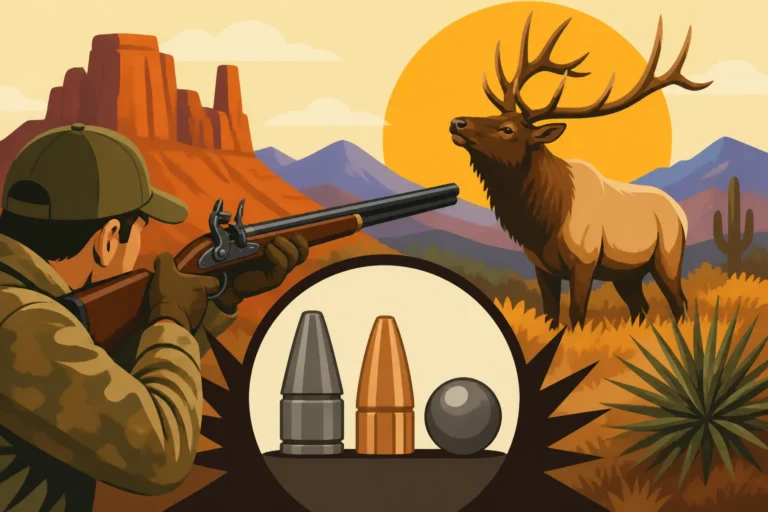
When it comes to weapons, the rules for mentored youth are generally the same as for any other licensed hunter, with the critical distinction of direct mentor supervision. This means that if you're hunting deer, for instance, the youth must use a rifle of an appropriate caliber, not smaller than .22 centerfire, or a bow with the minimum required draw weight for big game. "Minimum Bow Draw Weight for Big Game" is a crucial piece of information for archery hunts, as is understanding "Broadhead Requirements for Bowhunting." For muzzleloaders, similar caliber minimums apply, as detailed in "Muzzleloader Caliber Minimums for Elk."
However, it's not just about meeting the minimums; it's about what's appropriate for the youth. A mentor should carefully consider the size, weight, and recoil of any firearm used by a mentored youth. A smaller, lighter caliber with less recoil might be a better choice for a beginner, even if they could technically handle a larger one. The emphasis is always on safe handling and accurate shooting. Electronic calls, for example, are legal for certain species like coyotes but are often restricted for big game. It's the mentor's job to ensure the youth understands and uses legal and appropriate gear at all times, making every effort to ensure a clean, ethical harvest.
Legal Shooting Hours and Blaze Orange
These two regulations are non-negotiable for safety and compliance. New Mexico, like most states, has specific "Legal Shooting Hours and Blaze Orange in New Mexico" that must be strictly adhered to. Generally, legal shooting hours for big game run from one-half hour before sunrise to one-half hour after sunset. This ensures visibility for ethical shot placement and prevents hunting in conditions where game might not be clearly identifiable. As a mentor, you're responsible for knowing these times precisely and ensuring your youth understands why they are so important. Using an app or a watch with sunrise/sunset times is a must.
Blaze orange requirements are equally critical for hunter safety, especially when multiple hunters might be in the field. While archery hunts often have different rules, during any legal weapon or muzzleloader seasons, hunters are typically required to wear a certain amount of blaze orange visible from 360 degrees. This requirement usually applies to all hunters in the party, including the mentored youth and the mentor. It's a simple, effective way to ensure visibility and prevent accidents. Teaching the youth why blaze orange is necessary—and not just a rule—instills an important safety mindset from the start.
Tagging and Reporting Requirements
Successfully harvesting an animal is just one part of the hunting process; proper tagging and reporting are essential legal and ethical responsibilities. As soon as an animal is legally harvested, the mentored youth, with the direct assistance and supervision of their mentor, must immediately validate their tag. This means physically attaching the tag to the carcass as required by the regulations. The tag information, including date and time of kill, must be punched or marked accurately. This process is crucial for preventing illegal activity and ensuring proper game management.
Beyond the initial tagging, New Mexico has "Mandatory Reporting After a New Mexico Harvest" for big game species. This typically involves reporting the harvest online or by phone to the Department of Game and Fish within a specified timeframe (often 24-48 hours). The mentor is fully responsible for ensuring this reporting is completed accurately and promptly. This data is vital for wildlife biologists to manage populations effectively and set future hunting seasons. Teaching a youth the importance of these administrative steps reinforces their role as responsible participants in wildlife conservation. Using tools like GoHunt can help hunters stay organized with reporting requirements and deadlines, making the process smoother.
What Happens After the Mentored Youth Period?
The Mentored Youth Program is a temporary bridge, not a permanent solution. It's designed to give young hunters a head start, but the ultimate goal is for them to transition into fully certified, independent hunters. Understanding this transition is key for both the youth and their mentors.
Transitioning to Certified Hunter Status
The New Mexico Mentored Youth Program isn't meant to last forever. As the name implies, it's a "mentored" period, designed to impart essential skills and safety knowledge before a young hunter steps out on their own. "How Long Mentored Youth Status Lasts" is a common question, and generally, a youth can participate in the program for two hunting license years. This two-year window provides ample opportunity to gain practical experience across different seasons and species, ensuring they have a solid foundation before advancing. It's a generous amount of time to solidify safe habits, build confidence, and truly understand the nuances of hunting. Once this period concludes, or once they reach 18 years of age, they are no longer eligible to hunt under the mentored youth provisions.
Hunter Education Requirements
So, what happens when the two years are up, or when the youth turns 18? This is where formal hunter education comes into play. As detailed in "What Happens When the Two Years End," the mentored youth must successfully complete a state-approved hunter education course to continue hunting legally. This is a crucial step that every hunter must take at some point. The "The New Mexico Hunter Education Requirement" ensures that all hunters possess a comprehensive understanding of firearm safety, game laws, ethical behavior, and conservation principles. The course typically covers a wide range of topics, including firearm types, safe handling, shot placement, survival skills, and wildlife identification.
For a youth who has already participated in the Mentored Youth Program, this course will likely be a reinforcement of much of what they've already learned in the field, but it will also fill in any gaps in theoretical knowledge. They'll probably find the classroom and field day portions much easier, thanks to their hands-on experience. Options for completing the course often include online modules followed by a mandatory field day, or traditional in-person classes. Successfully passing this course means they can then purchase a standard hunting license and hunt independently, taking their place as fully certified members of the hunting community. It’s also good to know that if they ever lose their certification card, there’s a process for "Replacing a Hunter Education Card You Lost."
Continued Mentorship Beyond the Program
While the formal Mentored Youth Program has a time limit, the spirit of mentorship doesn't have to end. In fact, most experienced hunters would argue that true mentorship is a lifelong endeavor. Even after a young hunter earns their full hunter education certification and can hunt independently, the continued guidance and shared experiences of a mentor are invaluable. Think of it: they've gained a foundational understanding, but there's always more to learn. A mentor can continue to share advanced techniques, teach about specific units like those described in "Hunting New Mexico's Gila for Trophy Bulls," or offer advice on complex draw strategies using resources like GoHunt. This ongoing relationship fosters a deeper bond, encourages responsible hunting habits, and helps to perpetuate hunting traditions for generations to come. It’s about more than just rules; it’s about passing on a legacy, sharing wisdom, and enjoying the great outdoors together. The formal program concludes, but the informal, yet powerful, journey of shared knowledge and experience continues.
Comparing Mentored Youth Participation
To give you a clearer picture, here's a breakdown of the key aspects of the New Mexico Mentored Youth Program. This table provides a quick reference for eligibility, allowed activities, and the mentor's role, highlighting the specific requirements for different age groups within the program.
| Feature | Ages 6-9 (Mentored Youth) | Ages 10-17 (Mentored Youth) | Mentor Requirements |
|---|---|---|---|
| Hunter Ed Requirement | Exempt (must hunt with certified mentor) | Exempt (must hunt with certified mentor) | Must be Hunter Education Certified |
| Hunting License | Mentored Youth License Required | Mentored Youth License Required | Valid NM Hunting License Required |
| Species Allowed | Small Game, Turkey | All Big Game, Small Game, Turkey (with appropriate tags) | N/A |
| Supervision Level | Direct, "Arm's Reach" Supervision | Direct, "Arm's Reach" Supervision | Direct, "Arm's Reach" Supervision |
| Weapon Use | Age/size appropriate, mentor must be able to take control | Age/size appropriate, mentor must be able to take control | N/A |
| Duration of Status | Up to two consecutive license years or until 10 years old | Up to two consecutive license years or until 18 years old | N/A |
| Next Step After Program | Complete Hunter Education & obtain standard license | Complete Hunter Education & obtain standard license | N/A |
| Mentor Age | 18+ years old | 18+ years old | 18+ years old |
| Criminal History | N/A | N/A | No felony convictions or game violations |
| Mentor Number | N/A | N/A | Required (obtained from NMDGF) |
Disclaimer
Please remember that hunting regulations are subject to change. Always consult the most current New Mexico Department of Game and Fish Rules and Information Booklet or visit their official website before planning any hunting activity. This guide is intended for informational purposes only and does not supersede state regulations.