What Ranch Access Typically Costs
For many hunters dreaming of chasing elk, mule deer, or even the elusive oryx in New Mexico, the allure of private land is strong. Visions of unpressured animals, exclusive access, and well-managed herds often dance in their heads. But for those of us accustomed to navigating public land draws and chasing over-the-counter tags, the idea of paying for ranch access raises a big question: what does it actually cost? This guide will walk you through the typical financial landscape of private ranch hunting in New Mexico, helping you understand the investment involved.
Understanding New Mexico's Private Land Access Landscape
New Mexico is famous for its vast public lands, from the sprawling Gila National Forest to endless tracts of BLM ground. Yet, private ranch access remains a highly sought-after commodity for many hunters. It’s not just about avoiding crowds; it’s about a different kind of hunting experience altogether.
The Appeal of Private Land for Hunters
Let's be honest, public land hunting can be a real grind. You're constantly competing with other hunters, navigating ever-changing access rules, and often packing into areas miles from any road just to find some solitude. Private land, on the other hand, often promises a more controlled environment. Landowners frequently manage their properties specifically for wildlife, leading to healthier herds, potentially larger animals, and generally less pressure. Imagine not having to worry about someone else cutting off your stalk or beating you to your favorite glassing knob at dawn. This reduced competition and perceived higher success rates are huge draws, especially for those pursuing once-in-a-lifetime trophies or hunters with limited time in the field. The quality of the experience often outweighs the cost for many.
Types of Private Land Access Arrangements
When you're looking at private land, "access" isn't a one-size-fits-all concept. It comes in various flavors, each with its own cost structure and level of service. You might encounter simple trespass fee arrangements, where you pay for the right to hunt a specific animal for a set number of days. Then there are season leases, which grant you exclusive or semi-exclusive access to a ranch for an entire hunting season, or even year-round. Finally, many private ranches also operate as full-service outfitters, offering fully guided hunts where the access fee is just one component of a comprehensive package that includes guides, lodging, and meals. Understanding these different models is key to budgeting your New Mexico hunt. Each offers a distinct experience and price point. You’ll need to figure out what level of service and independence you’re truly looking for.
Factors Influencing Ranch Access Costs
The price tag on private land access in New Mexico isn't fixed; it's a dynamic figure influenced by a whole host of variables. First and foremost, the species you're pursuing plays a huge role. Elk hunts, especially for trophy bulls, almost always command a higher price than a mule deer hunt, and an oryx hunt on private ground can be in a league of its own. Trophy quality is another major factor; a ranch known for producing Boone and Crockett animals will naturally charge a premium.
The duration of the hunt matters, too – a three-day trespass fee will be less than a five-day guided hunt. What's included in the package can also sway the cost: does it come with lodging, meals, a guide, or are you just paying for the right to step on the property? The ranch's location in New Mexico also plays a part. A private ranch bordering a trophy unit in the Gila or a property known for its productive Eastern Plains pronghorn will likely have higher demand, and thus higher prices, than a less renowned area. Finally, the overall demand for private land hunting in a given year or for a particular species can drive prices up, so checking well in advance is always a good idea.
Breaking Down the Costs: Different Models and Price Shapes
Let’s dive into the specifics of how these different access models translate into actual costs. It’s important to remember that these are general descriptions of the shape of the cost; specific numbers will vary wildly from ranch to ranch and year to year. You'll always need to contact the landowner or outfitter directly for current pricing.
Day or Weekend Trespass Fees
This is often the most basic and generally the most affordable way to get on private ground. A trespass fee grants you permission to hunt a specific area for a set number of days, usually without a guide or any amenities like lodging or meals. Think of it like buying a temporary pass. These arrangements are common for species like mule deer or pronghorn in areas where public access might be limited, or for smaller game.
The cost for these types of access permits is typically on a per-day or per-hunt basis. For example, a landowner might offer a two-day antelope hunt for a set amount, or a daily rate for deer. What's crucial here is clarity: what exactly are you allowed to hunt? Is it a buck only, or an antlerless animal? What are the boundaries of your hunting area? Make sure you have a clear understanding of the rules and expectations before you commit. These fees usually cover just the right to be on the land, so you'll still be responsible for your own camp, food, and hunting strategy. It's a great option for hunters who are self-sufficient and just need a place to hunt away from the public pressure. For more on these types of agreements, you might find How Trespass Fee Arrangements Work helpful.
Season-Long or Annual Leases
Stepping up from day rates, season-long or annual leases offer a much more comprehensive and often exclusive experience. With a lease, you (or your group) gain the right to hunt a specific parcel of private land for the entire duration of a given hunting season, or even year-round. This means you can scout, set up stands, and often manage the property more actively for your hunting goals.
The financial commitment for leases is significantly higher than trespass fees. You're paying for prolonged, often exclusive, access. The cost will depend heavily on the size of the property, the species present, the trophy potential, and whether it’s an individual or group lease. For instance, a lease on a prime elk property in northern New Mexico could be a substantial investment. These leases often require a formal contract outlining access points, allowed activities (e.g., trail cameras, food plots, camping), and harvest rules. It’s a great option for hunting groups or individuals who want to invest in a long-term private land experience and have the flexibility to hunt multiple times throughout the season. These leases can offer a sense of ownership over your hunting area, but they come with a price that reflects that exclusivity and freedom. For those exploring this avenue, understanding Leasing Hunting Ground in New Mexico can provide more detail.
Private Ranch Guided Hunts (All-Inclusive)
At the pinnacle of private land hunting experiences are the fully guided, all-inclusive hunts offered by many New Mexico ranches. Here, the "access cost" is integrated into a complete package that includes not just permission to hunt the private land, but also professional guide services, comfortable lodging, delicious meals, and often even field dressing and caping of your animal.
These hunts represent the highest tier of expense, but they also offer the most hands-off, luxurious experience. The price shape for these hunts is generally a single, significant figure that covers almost everything from the moment you arrive until you depart. The specific cost will depend on the species (elk and bighorn sheep being among the most expensive), the length of the hunt (typically 3-7 days), the trophy potential of the ranch, and the outfitter's reputation. Many outfitters operate on private ground specifically because it allows them to offer a higher success rate and a more controlled hunt. While the upfront cost is considerable, it often eliminates many hidden expenses and logistical headaches, providing a seamless hunting adventure. If you're considering this option, you'll want to review resources like What a Guided New Mexico Elk Hunt Costs to get a sense of the investment.
Here's a simplified table comparing the typical cost shape and offerings:
| Access Type | Typical Cost Shape | Included Services (Typical) | Ideal For |
|---|---|---|---|
| Day/Weekend Trespass Fees | Lowest, per-day/per-hunt | Access to land | Self-sufficient hunters, specific small game, limited budget |
| Season-Long/Annual Lease | Moderate to High | Extended access, often exclusive | Groups, committed individuals, those wanting long-term property use |
| Private Ranch Guided Hunt | Highest, all-inclusive | Guide, lodging, meals, access, field care | Hunters seeking convenience, high success rates, trophy potential, full service |
What to Expect Beyond the Sticker Price
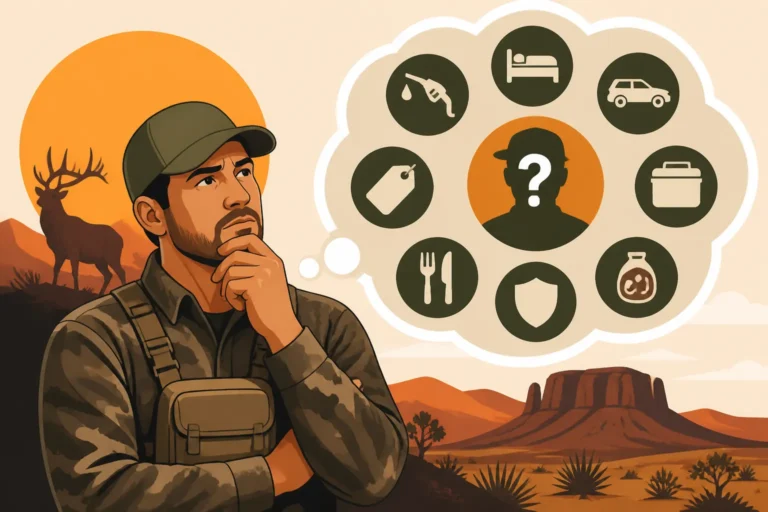
Just like any big purchase, the initial price you see for ranch access might not be the total cost. There are often other expenses that, while sometimes minor individually, can add up quickly. Being aware of these additional considerations is part of being a savvy hunter.
Additional Costs and Considerations
Even if a ranch access fee or guided hunt package seems all-inclusive, there are almost always a few extra items that will come out of your pocket. For starters, you'll still need to purchase your New Mexico hunting license and tag, which are separate from any ranch access fees. Depending on your chosen species and residency status, these can be significant. Then there are travel expenses: gas, flights, vehicle rental, and potentially hotels before or after your hunt.
If your access is just a trespass fee, you'll be on the hook for all your own lodging and meals. Even on guided hunts, tipping your guide and camp staff is customary and expected, and these gratuities can represent a significant percentage of the overall trip cost. Other potential costs include meat processing and packaging, shipping your harvested game home, and taxidermy services if you harvest a trophy. Some ranches might also have "trophy fees" if you shoot an animal above a certain size, so always clarify this upfront. Don't forget gear — bullets, broadheads, new boots, and optics all contribute to the overall investment in a successful hunt.
Finding Reputable Ranch Access Opportunities
So, how do you find these private land gems without just stumbling upon a "Hunting for Lease" sign? The internet has made things a lot easier, but vigilance is still key. Platforms like BookYourHunt and GoHunt often list private ranch opportunities, from simple trespass fees to fully guided experiences. These sites can act as a great starting point for seeing what's available and getting a general idea of pricing structures.
Beyond online platforms, local connections are invaluable. Talk to folks at your local sporting goods store, check classifieds in rural newspapers, or ask around at conservation banquets. Many reputable ranchers prefer to work through word-of-mouth or established relationships. Some may even have specific listings directly on their ranch websites. It's a bit like finding hidden treasure, and sometimes it takes some digging. Don't be afraid to cast a wide net and explore different avenues.
Negotiating and Verifying Your Agreement
Once you've found a potential ranch access opportunity, it’s critical to dot your i’s and cross your t’s. Never, ever enter into a private land agreement based solely on a handshake or a verbal promise. Always insist on a written contract or a clear, detailed email outlining every aspect of the agreement. This should include:
- The exact dates of access.
- The specific species and bag limits allowed.
- The boundaries of the hunting area.
- What services are included (e.g., guide, lodging, meals, transportation on the ranch).
- Any additional fees (e.g., trophy fees, guest fees).
- Cancellation and refund policies.
- Rules regarding non-hunting guests or companions.
- Emergency contact information.
This written agreement protects both you and the landowner. Before sending any money, take the time to verify the rancher's reputation. Ask for references from past hunters and actually follow up with them. Check for reviews online, though always take online reviews with a grain of salt. For any guided hunt arrangement, make sure the outfitter is properly licensed in New Mexico; you can typically verify this through the New Mexico Department of Game and Fish. Taking these steps can save you a lot of headache, disappointment, and potentially money in the long run. Remember that Written Permission Requirements in New Mexico are serious business, so make sure your agreement covers all legal bases.
Weighing the Value: Is Private Land Worth the Investment?
Deciding whether to pursue private land access often boils down to a personal calculation of cost versus perceived value. There are clear advantages and disadvantages to hunting private ground compared to public land.
Pros and Cons of Private Land Hunting
Let’s lay out the general trade-offs to help you decide.
| Aspect | Private Land Hunting | Public Land Hunting |
|---|---|---|
| Pros | – Reduced Pressure: Fewer hunters, often exclusive access. – Higher Success Rates: Ranches often manage for wildlife, leading to better opportunities. – Trophy Potential: Often produces larger, older animals due to selective harvest and management. – Convenience: Amenities like lodging, meals, guides often available. – Flexibility: Sometimes more flexible season dates or opportunities. – Predictability: More controlled environment, less uncertainty. |
– Cost-Effective: Often just the price of a license and tag. – Vast Acreage: Millions of acres available, like those discussed in New Mexico Holds Over 30 Million Acres of Public Hunting Land. – Challenge & Adventure: Rewarding experience of figuring out unpressured areas. – Accessibility: No permission needed beyond license/tag. – Variety: Diverse landscapes and species across multiple units (e.g., New Mexico's Gila National Forest for Elk Hunters). |
| Cons | – High Cost: Can be a significant financial investment. – Less Adventure: May feel less "wild" or challenging than a true DIY backcountry hunt. – Reliance on Outfitter/Landowner: Less independence if fully guided. – Limited Scope: Confined to specific property boundaries. – Ethical Concerns: Some hunters prefer the pure challenge of public land. |
– High Pressure: More competition from other hunters. – Lower Success Rates: Animals can be warier, harder to find. – Logistical Challenges: More self-reliance needed for scouting, packing, and camping. – Unpredictability: Weather, other hunters, and animal movements can be harder to predict. – Draw Odds: Many desirable hunts are tag-draw only, with tough odds (e.g., New Mexico Splits Every Hunt 84, 10 and 6 Percent). |
When to Consider Private Land vs. Public Land Hunting
The choice between private and public land hunting in New Mexico often comes down to your priorities, budget, and hunting style.
You should definitely consider private land if:
- Trophy Quality is a Top Priority: If you're specifically targeting a record-book animal and have the budget, a well-managed private ranch often offers the best chance.
- Time is Limited: If you only have a few days to hunt and want to maximize your odds without spending valuable time scouting new public areas or dealing with crowds, private access offers efficiency.
- You Value Comfort and Convenience: For hunters who appreciate a warm bed, hot meals, and expert guidance, an all-inclusive private ranch hunt is a fantastic option.
- You're Seeking a Specific Experience: Maybe it's a first-time hunt, or you're bringing a youth hunter, and you want a higher chance of success and a more controlled environment.
- You Have Trouble Drawing Tags: New Mexico's draw can be tough. Sometimes private land access, especially through programs like EPLUS, offers another pathway to hunt high-demand species like elk without relying solely on the public draw. For details on this, look into How New Mexico EPLUS Authorizations Work.
Conversely, public land is likely your best bet if:
- Budget is Your Primary Concern: Public land hunting, aside from licenses and tags, is largely free.
- You Cherish the DIY Challenge: For many, the true satisfaction comes from self-sufficiency, navigating the wilderness, and earning an animal on public ground.
- You Want to Explore Vast Landscapes: New Mexico's public lands offer incredible diversity, from high mountain timber to vast deserts, perfect for adventurers who love to range far and wide. You can explore topics like Hunting New Mexico From 4,000 Feet to 10,000 to get a sense of the terrain.
Making an Informed Decision
Ultimately, the "cost" of ranch access in New Mexico isn't just a dollar figure; it's an investment in a specific type of hunting experience. Take a good, honest look at your personal hunting goals, your financial comfort level, and the kind of adventure you're truly seeking. Are you chasing the thrill of discovery on public land, or the higher odds and comforts of a private ranch?
Don't rush the decision. Do your homework, ask detailed questions, and ensure you understand every aspect of any agreement before you commit. Whether you choose to pay for private access or grind it out on public land, New Mexico offers incredible hunting opportunities. Just make sure the choice aligns with what you want to get out of your time in the field. Reading the New Mexico Hunt Code, as detailed in Reading a New Mexico Hunt Code Before You Apply, is always a crucial first step, no matter where you plan to hunt.
Disclaimer
This article is for general informational purposes only and does not constitute professional advice. Laws, prices and regulations vary by location and change over time. Consult a qualified professional for guidance on your specific situation.