What a Guided New Mexico Mule Deer Hunt Costs
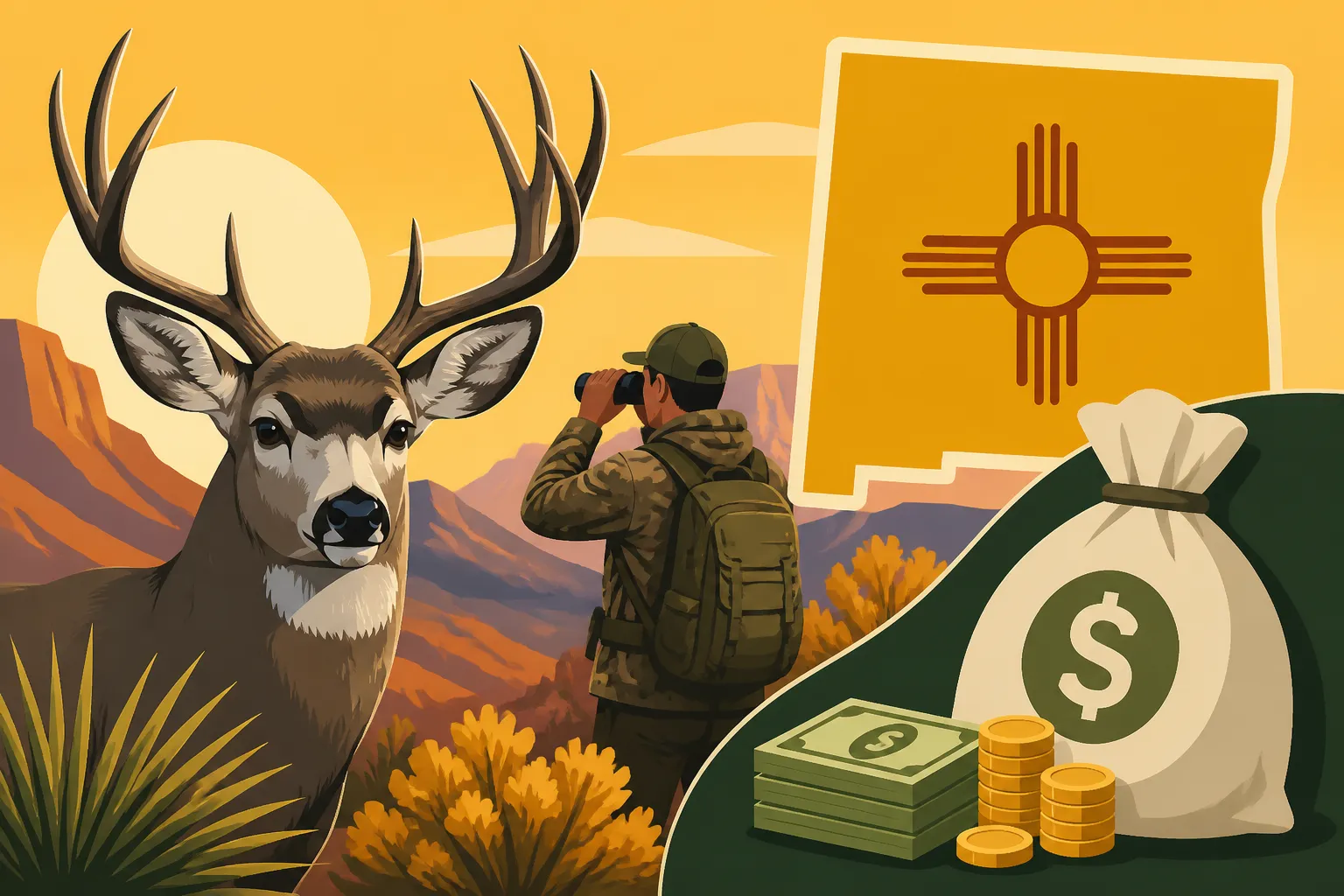
Thinking about a guided mule deer hunt in New Mexico can feel like peering into a murky financial abyss. You know you want the experience, but pinning down an actual number is often incredibly frustrating, with many outfitters keeping their pricing close to the vest until you've already invested a lot of time. This guide is here to pull back the curtain on the costs involved with a guided New Mexico mule deer hunt, helping you understand what to expect and what those numbers actually cover.
Understanding the Core Components of a Guided Mule Deer Hunt Price Tag
When you first look at guided hunt prices, it's easy to just see the big number and get sticker shock. But a guided hunt is a service, and like any service, that cost is broken down into various components that provide the experience you're seeking. For mule deer in New Mexico, these components are pretty standard, but the quality and extent of each can vary wildly, driving the final price up or down.
The Base Price: What It Usually Covers
The headline price you see from an outfitter for a guided New Mexico mule deer hunt typically covers the essential services that allow you to hunt. This almost always includes the professional guide services themselves—meaning a knowledgeable person who will lead you in the field, help you locate game, assist with judging animals, and provide invaluable expertise on the local terrain and animal behavior. This is crucial when you're pursuing a species like mule deer across diverse New Mexico landscapes, from high country timber to rugged desert.
Beyond the guide, this base price generally encompasses your lodging and meals during the hunt. This could range from comfortable lodge accommodations with hot showers and hearty, cooked meals to more rustic wall tents or even spike camps set up deep in the backcountry, where freeze-dried meals and sleeping bags are the norm. The length of the hunt, usually expressed in hunting days (e.g., 5-day hunt), is also factored into this base rate. It's important to remember that while the outfitter provides the camp and sustenance during the hunt, your travel to the designated meeting point or camp is almost universally your responsibility, not included in this base fee.
Factors That Inflate or Reduce the Cost
Several critical factors can significantly sway the cost of a guided New Mexico mule deer hunt. First and foremost is the reputation and trophy potential of the unit you'll be hunting. Units known for producing larger, older bucks—places that require more extensive scouting or boast superior habitat for Mule Deer Across New Mexico's High Country and Desert—will naturally command higher prices. A hunt in a prime unit like one known for its consistent mule deer production will typically cost more than a hunt in a unit with lower success rates or smaller average antler size.
The duration of your hunt also plays a huge role. A longer hunt (e.g., a 7-day hunt versus a 5-day hunt) means more days of guide services, lodging, and food, directly increasing the overall price. The style of hunting matters too; a physically demanding spot and stalk hunt in steep, broken terrain might be priced differently than hunting from a more accessible blind or stand, although mule deer hunts are predominantly active, spot-and-stalk endeavors. The hunter-to-guide ratio is another major driver: a 1-on-1 guided experience, where you have the guide's undivided attention, will always be more expensive than a 2-on-1 or even 3-on-1 arrangement. Finally, the time of year can influence costs, with hunts coinciding with the peak of the mule deer rut often priced at a premium due to higher success odds and increased demand.
Breaking Down the Additional Costs and Hidden Fees
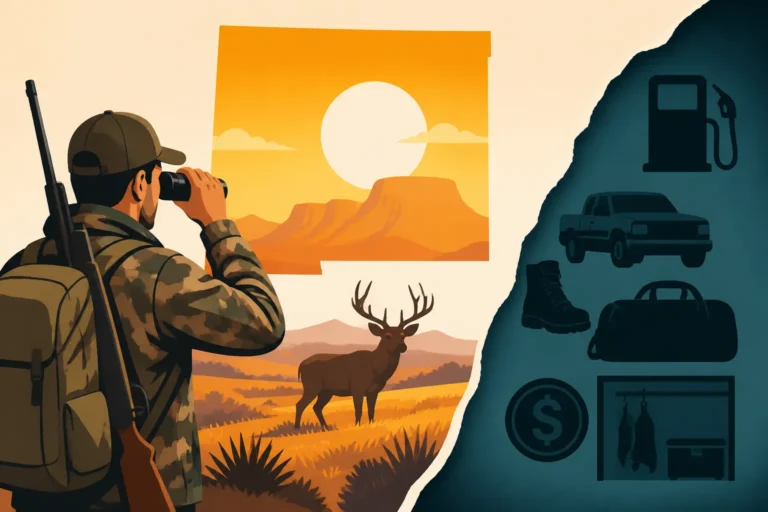
Many hunters, especially those new to guided trips, focus solely on the initial outfitter price. However, successfully completing a guided New Mexico mule deer hunt involves a host of other expenses that are almost never included in the outfitter's quoted price. Neglecting these can lead to significant financial surprises down the line, so it's wise to budget for them from the start.
Licenses, Tags, and Application Fees
Before you even step foot in New Mexico, you'll need to account for the costs associated with securing your hunting privileges. For non-residents, this typically involves purchasing a non-resident hunting license and then applying for a mule deer tag through the New Mexico draw system. There are application fees just to enter the draw, which are usually non-refundable, regardless of whether you draw a tag. If successful, you'll then be charged the actual tag fee.
These costs can add up quickly. For example, a non-resident game hunting license alone carries a significant fee, and then there's the specific mule deer tag fee on top of that. Outfitters typically provide guidance on how and when to apply, and sometimes even assist in the application process, but the fees themselves are always the hunter's responsibility. It's critical to understand these separate costs early in your planning. You can find more details on these expenditures in resources like New Mexico Application Fees Per Species and Nonresident New Mexico License Pricing. Understanding Reading a New Mexico Hunt Code Before You Apply will also be vital as you navigate the options.
Travel, Meat Processing, and Taxidermy
Once you've secured your tag, the journey to New Mexico (and back home) presents its own set of expenses. This includes airfare or fuel costs if driving, potentially a rental vehicle for getting to the outfitter's meeting point, and any pre- or post-hunt lodging in towns if your travel schedule requires it. New Mexico is a big state, and reaching some of its prime mule deer country can involve substantial travel.
Should you be successful and harvest a mule deer, you'll face the costs of meat processing. This involves butchering, packaging, and potentially freezing the meat, especially if you're traveling a long distance home. Shipping the meat can also be a considerable expense. If you're hoping to preserve your trophy, taxidermy services are another major consideration. Not only is the taxidermy itself a significant investment, but the cost of caping the animal appropriately in the field and then shipping the cape and antlers to your chosen taxidermist adds to the overall bill. Outfitters will often have local recommendations for processors and taxidermists, but these services are almost never included in the hunt package. Getting Meat Cooled on an Early Season Hunt in New Mexico's climate is a practical concern you'll need to consider.
Gratuities and Other Incidentals
A commonly overlooked but absolutely essential expense is tipping your guide and any other camp staff (cooks, wranglers, packers). Tipping is a standard practice in the hunting industry and is a way to show appreciation for their hard work, long hours, and expertise that directly contributed to your hunt's success and enjoyment. While not mandatory, it's highly expected. Many outfitters will provide guidance on appropriate gratuity percentages, often ranging from 15-20% of the hunt's base cost, or a flat daily rate per staff member. Always budget for this generously, as your guide often works tirelessly to make your hunt successful. You can explore this further in How Much to Tip a Hunting Guide.
Beyond tips, there are often smaller, unforeseen incidentals. This might include purchasing last-minute forgotten gear, paying for satellite communication services if you're in remote areas, or covering any personal items you might need during your stay. Always have a small contingency fund for these unexpected but common expenses to avoid any stress during your trip.
Navigating the Outfitter Landscape and Booking Strategies
Choosing the right outfitter for your New Mexico mule deer hunt is just as important as understanding the costs. There are many options out there, from high-end luxury operations to more rustic, backcountry experiences. Knowing how to vet an outfitter, understanding their contracts, and comparing different types of hunts will ensure you get the best value for your investment and a hunt experience that matches your expectations.
The Role of Outfitter Draw and EPLUS Tags
For New Mexico elk hunting, there's a specific "outfitter pool" that allocates 10% of tags to clients who have a signed contract with a registered New Mexico outfitter. While this system is explicitly defined for elk, mule deer tags are generally sought through the main draw process, whether you apply as an unguided hunter or with an outfitter's number attached to your application. This means for mule deer, applying with an outfitter doesn't necessarily grant you access to a separate pool of tags, but a good outfitter can certainly guide you through the draw process, help you select appropriate hunt codes, and leverage their experience with Why New Mexico Draw Odds Do Not Improve With Time to maximize your chances in the general draw.
Platforms like GoHunt can be incredibly valuable resources here. They provide detailed draw odds, application strategies, and unit breakdowns that can help you (and your chosen outfitter) make informed decisions about which hunt codes and units to apply for, increasing your chances of securing that coveted mule deer tag. For more on the outfitter pool, you can read The 10 Percent New Mexico Outfitter Pool, though remember its primary application is for elk.
Vetting an Outfitter and Understanding Contracts
Once you start narrowing down potential outfitters, thorough vetting is absolutely crucial. Don't be afraid to ask a lot of questions—reputable outfitters will appreciate your diligence. Inquire about their experience specifically with mule deer in the units you're interested in, their success rates (and what those rates are based on), references from past clients, and what a typical day of hunting looks like. A fantastic starting point for your queries can be found in Questions Worth Asking Before You Book.
Before committing, ensure you receive and thoroughly read a written contract. This document should clearly outline the hunt dates, services included, total cost, payment schedule, and, critically, the cancellation and refund policy. Understand what happens if you fail to draw a tag or if unforeseen circumstances force you to cancel. Outfitters often require a deposit upfront, with the remaining balance due closer to the hunt date. Reviewing resources like The New Mexico Guide-Client Contract You Must Sign and Deposits and Cancellation Terms in New Mexico will empower you during this process. Services like BookYourHunt can also be helpful, as they often feature verified outfitters with transparent reviews and listed services, making the comparison process a bit easier.
Comparing Hunt Packages: DIY vs. Guided vs. Semi-Guided
Deciding between a Do-It-Yourself (DIY), fully guided, or semi-guided hunt is perhaps the biggest decision influencing cost. A fully guided hunt, as discussed, is the most expensive but offers the highest level of service and convenience, minimizing the planning burden on you. This is ideal if you're unfamiliar with Hunting New Mexico From 4,000 Feet to 10,000 or simply want to maximize your hunting time without worrying about logistics.
A DIY hunt means you handle everything yourself: scouting, gear, food, lodging, and field dressing. This is typically the most budget-friendly option, but demands extensive research, planning, and often, significant physical conditioning. You're responsible for everything from understanding Where New Mexico Mule Deer Winter to packing out your game. Semi-guided hunts offer a middle ground: an outfitter might provide a camp, food, and some general guidance or suggestions, but you do the actual hunting on your own. This can significantly reduce costs while still providing some logistical support.
Here’s a quick comparison of what each type of hunt generally entails regarding costs and services:
| Hunt Type | Primary Cost Drivers | Included Services (Typically) | Key Considerations |
|---|---|---|---|
| Fully Guided | Outfitter fees, guide wages, lodging, meals | Guide, lodging, meals, field care, transportation to/from hunting areas | Highest cost, maximum convenience, expertise, often higher success rates |
| Semi-Guided | Reduced outfitter fees, camp services, some advice | Camp, some meals, area orientation, game retrieval (sometimes) | Mid-range cost, less hands-on guidance, requires more self-reliance |
| DIY | Licenses/tags, travel, gear, food, personal expenses | None (self-sufficient) | Lowest initial cost, highest effort, requires deep planning & experience |
Ultimately, the "cost" of a guided New Mexico mule deer hunt isn't just a number; it's an investment in an experience, a service, and often, an increased chance of success. By thoroughly understanding what goes into that price, you can make an informed decision that aligns with your budget and hunting aspirations.
Disclaimer
This article is for general informational purposes only and does not constitute professional advice. Laws, prices and regulations vary by location and change over time. Consult a qualified professional for guidance on your specific situation.