What a Fully Guided New Mexico Elk Hunt Includes
Trying to plan an elk hunt in New Mexico can feel like deciphering an ancient scroll, especially if you're coming from out of state or new to big game. The regulations, the draw process, and the sheer scale of the country can be genuinely overwhelming. If you've been dreaming of chasing bugling bulls through the Gila but dread the logistical nightmare, a fully guided hunt might be your answer. This guide will meticulously break down exactly what a fully guided New Mexico elk hunt typically includes, helping you understand the value and what to expect from such a significant investment.
Understanding the Core Package: What's Usually Covered
When you book a fully guided elk hunt in New Mexico, you’re not just paying for someone to point you at an elk. You're investing in an experience that aims to remove the vast majority of the stress and heavy lifting from your shoulders, allowing you to focus on the hunt itself. This often starts long before you ever set foot in New Mexico and extends well beyond the moment you pull the trigger.
Pre-Hunt Planning and Consultation
One of the biggest, yet often overlooked, benefits of a guided hunt is the extensive pre-hunt planning that goes on behind the scenes. A reputable New Mexico outfitter isn't just sitting by the phone waiting for your call; they're constantly scouting, monitoring herd movements, and staying abreast of habitat conditions. They'll have a deep understanding of the units they operate in, knowing everything from historical success rates to where the elk tend to move during different phases of the season. This knowledge is invaluable, especially in complex units like those found in the Gila National Forest.
Your outfitter will typically begin with detailed consultations, either by phone or email, to understand your expectations, physical capabilities, and hunting preferences. Are you looking for a trophy bull, or is meat in the freezer the priority? Do you prefer archery or rifle hunting? How many days can you commit? These conversations help them match you with the right hunt and prepare for your arrival. They'll also provide essential information like recommended gear lists, physical conditioning advice – which is critical if you're tackling high elevations – and details on what to expect from the terrain and weather. Remember, chasing elk in New Mexico is often an intense physical endeavor, and an outfitter will stress the importance of Physical Conditioning for a Gila Hunt.
Beyond the personal consultation, a good outfitter will guide you through the maze of the New Mexico draw application process. This is where many hunters, especially non-residents, can get lost. Outfitters often have specific strategies for applying in the special "outfitter pool," which can slightly change your draw odds. They will explain The New Mexico Outfitter Draw and Its Two-Day Rule and help ensure your application is filled out correctly and submitted on time for the critical March deadline. This administrative support alone is worth its weight in gold for many hunters.
In-Field Guide Services and Expertise
The heart of a fully guided hunt is, of course, the time spent in the field with your professional guide. This isn't just a friendly face; it's a seasoned expert who knows the land, the animals, and the hunting strategies required to be successful in New Mexico's diverse environments. Whether you're in the vast ponderosa forests of the Gila or the high-country timber of the Carson National Forest, your guide's local knowledge will be paramount.
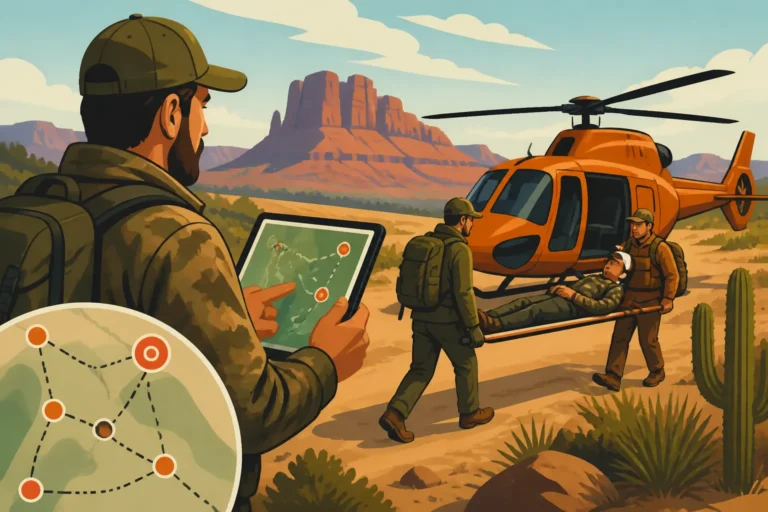
Your guide will lead the daily operations, from setting up optimal glassing positions at dawn to tracking fresh sign through dense timber. They'll interpret elk behavior, manage calling sequences during the rut – whether you're bugling or cow calling – and help you make critical decisions in the moment. They're responsible for getting you into position for a shot and ensuring your safety throughout the hunt. This includes navigating treacherous terrain, understanding weather patterns, and having emergency protocols in place, which is especially important in remote wilderness areas. When you're trying to figure out Reading a New Mexico Hunt Code Before You Apply, your guide is already thinking several steps ahead.
Furthermore, a professional guide will provide invaluable mentorship, especially for less experienced hunters. They'll teach you about ethics, shot placement, and fieldcraft that you might otherwise spend years trying to learn on your own. They're there to celebrate your successes and offer encouragement when the hunting gets tough. This personal instruction is a huge part of the educational experience that comes with a guided hunt, turning a potentially frustrating solo endeavor into a rich learning opportunity.
Camp Logistics and Accommodations
A fully guided hunt means someone else handles the camp. Imagine arriving after a long drive, or even a flight, to a comfortable, fully set-up camp. This convenience is a hallmark of the guided experience. Accommodations can vary widely depending on the outfitter and the terrain, ranging from established cabins or lodges at the edge of public land to comfortable wall tents deep in the backcountry.
For many New Mexico elk hunts, particularly those in wilderness areas like the Gila or Aldo Leopold, a tent camp is the norm. These aren't just pop-up tents; they're often large, heated wall tents with cots, cooking facilities, and even dedicated mess tents. The outfitter handles all the setup, breakdown, and maintenance of these camps, ensuring you have a warm, dry, and secure place to rest each night. This meticulous attention to detail allows you to conserve your energy for the hunt, rather than expending it on chores.
This also includes all the necessary camping equipment beyond just your personal sleeping bag and pad. From camp chairs and tables to lighting and heating, your outfitter will provide the infrastructure for a comfortable stay. When you're deep in the Gila, far from any road, having a well-run camp makes all the difference in maintaining morale and physical well-being. It’s part of the comprehensive service that allows you to focus solely on your pursuit of elk, knowing that the "home front" is completely managed.
Beyond the Basics: What Might Be Included or Extra
While the core services form the backbone of a guided hunt, many outfitters include additional comforts and services, while some may offer them as add-ons. It's crucial to clarify these details upfront to avoid any surprises later.
Meals, Drinks, and Camp Amenities
Almost universally, a fully guided New Mexico elk hunt will include all your meals and non-alcoholic beverages. And we're not talking about just freeze-dried backpacking meals (though those might make an appearance on spike camps). Most outfitters pride themselves on providing hearty, delicious, and plentiful food to fuel your physically demanding days. Expect things like hot breakfasts to start your morning, packed lunches for the field, and a hot, often gourmet, dinner back at camp.
This might include fresh coffee brewing before dawn, snacks for your pack, and plenty of water or sports drinks to keep you hydrated. Some outfitters even cater to dietary restrictions if informed in advance. The quality and variety of food can often be a distinguishing factor between outfitters, and it's certainly a perk that makes the camp experience more enjoyable. Being able to sit down to a warm meal after a long day of hiking steep canyons is a welcome luxury.
Beyond food and drink, other camp amenities might be provided. This could include a generator for charging electronics, a satellite phone for emergencies, or even a shower setup in more established camps. These aren't always standard, especially in truly remote spike camps, so it's a good Questions to Ask a New Mexico Outfitter before booking. These small comforts, however, can significantly improve the overall quality of your hunting experience, allowing you to stay refreshed and focused.
Transportation and Logistics During the Hunt
Getting to and from the hunting grounds, and moving around once you're there, is another major logistical hurdle that your outfitter will handle. This often begins with transport from a designated meeting point, such as a local airport in Albuquerque or El Paso, or a specific hotel or town near the hunting unit. This takes away the stress of navigating unfamiliar roads, especially if you're flying in from another state.
Once in the unit, transportation methods can vary wildly. For hunts in more accessible areas, this might involve comfortable 4×4 vehicles. However, many of New Mexico's premier elk hunting grounds are in remote wilderness areas, necessitating different modes of travel. This is where horses and mules become indispensable. If you're hunting deep in the Gila, your outfitter will often provide the horses to pack you and your gear into the backcountry. For an immersive wilderness hunt, horses are often the only practical way to cover the vast distances and navigate the rugged terrain. Gila Outfitters Sell Access to Country You Cannot Reach Alone is a true statement when it comes to covering miles in these roadless expanses.
Throughout the day, your guide will manage all in-field transportation, whether it's driving to different glassing points, riding horses to distant basins, or hiking in to approach a bugling bull. They handle the vehicle maintenance, the horse care, and all the intricacies of moving people and gear efficiently and safely, allowing you to concentrate on the hunt. This seamless logistics coordination is a major component of the value of a fully guided experience.
Field Care and Meat/Trophy Preparation
The moment an elk hits the ground, the real work begins, and a good outfitter includes comprehensive field care of your harvested animal. This is critically important for preserving the quality of the meat and the trophy. Your guide will be an expert in field dressing, caping, and quartering the animal efficiently, even in challenging conditions like warm weather or rugged terrain. They'll have the right tools and knowledge to handle a large animal quickly and cleanly.
After field dressing, the outfitter will manage the packing out of the meat and trophy from the kill site back to camp, and then ultimately out of the backcountry. This is physically demanding work, especially for an elk, and often involves pack strings of horses or mules. The thought of Packing an Elk Out of the Gila Alone is enough to make many hunters immediately consider a guided trip! Once back at a base camp or staging area, they will help prepare the meat for transport, often placing it in coolers with ice to begin the cooling process crucial for meat preservation.
For your trophy (antlers and hide), the outfitter will handle the initial caping and salting, ensuring it's properly cared for to prevent spoilage until it can be handed off to a taxidermist. They will also assist with logistics for shipping the meat and trophy to your home or to a local processor/taxidermist. While the actual processing or taxidermy fees are almost always extra, the outfitter's role in getting your harvest from the field to a state where it can be professionally handled is a vital part of their service.
The Outfitter Draw and Application Assistance
For many aspiring New Mexico elk hunters, especially non-residents, the draw process is a significant barrier. New Mexico doesn't use a preference point system, meaning everyone has relatively even odds each year, but navigating the application choices and understanding the specific draw pools can be tricky. This is where an outfitter truly shines, offering an advantage and peace of mind.
Navigating the New Mexico Outfitter Pool
New Mexico allocates tags through three distinct pools: a majority for residents, a smaller percentage for the general nonresident pool, and a specific allocation (typically 10%) reserved for nonresident hunters who contract with a New Mexico registered outfitter. This "outfitter pool" is a key reason many non-residents choose a guided hunt. While it doesn't guarantee a tag, applying through this pool can, in some cases, offer slightly better draw odds due to a smaller applicant pool compared to the general non-resident allocation.
Your outfitter will explain how this pool works, including the requirement for a signed guide-client contract before the application deadline. They'll also clarify the New Mexico's Two-Day Accompaniment Requirement, which states that a contracted outfitter or guide must physically accompany you in the field for at least two days of your hunt. This isn't just a loophole; it's a genuine commitment from the outfitter to guide you. Platforms like BookYourHunt can be a good starting point for researching outfitters, but directly contacting the outfitter is essential for understanding their specific application process and the nuances of the outfitter pool.
Understanding which units and hunt codes to apply for is also complex. An experienced outfitter will have insight into the current draw odds for various units and species. While they can't magically get you a tag, their advice on selecting hunt choices that align with your goals and the realities of the draw can significantly increase your chances. They’re not just selling a hunt; they’re selling access to their expertise in navigating the system. You can even check general draw odds on sites like GoHunt to cross-reference with your outfitter's advice, but always remember the outfitter pool is a separate consideration.
Assistance with Licensing and Draw Applications
The administrative side of hunting can be daunting, especially for out-of-state hunters. A fully guided New Mexico elk hunt usually includes extensive assistance with your license and draw application. This often starts with providing you with their outfitter registration number, which is required on your application when applying through the outfitter pool. They will walk you through the online application portal or provide detailed instructions on how to fill out the form correctly.
This assistance often extends to reminding you about the critical Booking Around New Mexico's March Deadline and ensuring all required fees are understood and paid. New Mexico has specific license fees, application fees per species, and then the full tag fee if you're successful in the draw. Your outfitter will help you keep track of these financial commitments and deadlines. For many, simply having an expert double-check their application before submission provides immense peace of mind, preventing costly errors that could lead to disqualification.
In the unfortunate event that you don't draw a tag, a reputable outfitter will have clear policies regarding refunds of deposit amounts or options to roll your deposit over to the following year's application. They might also discuss alternative options, such as purchasing a landowner tag (EPLUS authorization), which is another way to secure an elk tag outside of the draw, often facilitated through an outfitter. Understanding EPLUS Tags Are the Other Way Into New Mexico Elk is crucial, as it provides another avenue to hunt if the draw doesn't pan out.
Specialized Gear, Horses, and Wilderness Access
New Mexico's terrain can be incredibly rugged and vast, demanding specialized equipment and logistical prowess to hunt effectively. A fully guided hunt often includes the use of resources that would be prohibitively expensive or difficult for a DIY hunter to acquire.
Pack String and Horseback Operations
Many of New Mexico's most coveted elk hunts take place deep within designated wilderness areas, where motorized vehicle access is strictly prohibited. This is where a fully guided hunt truly distinguishes itself, offering access via horseback and pack string. For hunts in units like 15, 16A, or 16D in the Gila National Forest, horses and mules are not just a convenience; they are often a necessity for reaching prime elk habitat and packing out a harvested animal.
Your outfitter will provide the well-trained horses or mules for your daily travel to and from hunting areas, as well as for packing in camp supplies and packing out your game. This saves you from the immense physical effort of hiking many miles with a heavy pack each day, allowing you to conserve your energy for the hunt itself. For many hunters, the experience of riding into the backcountry on horseback is an integral and unforgettable part of a true Western hunting adventure. It's an opportunity to experience areas that are truly wild and untamed.
They will also handle all the care and management of these animals, from feeding and watering to saddling and unsaddling. This is a significant logistical undertaking that requires specialized knowledge and equipment, relieving you of a major responsibility. For instance, knowing how to properly care for horses in the deep canyons of the Gila is an acquired skill that takes years to master.
Specialized Equipment and Spotting Gear
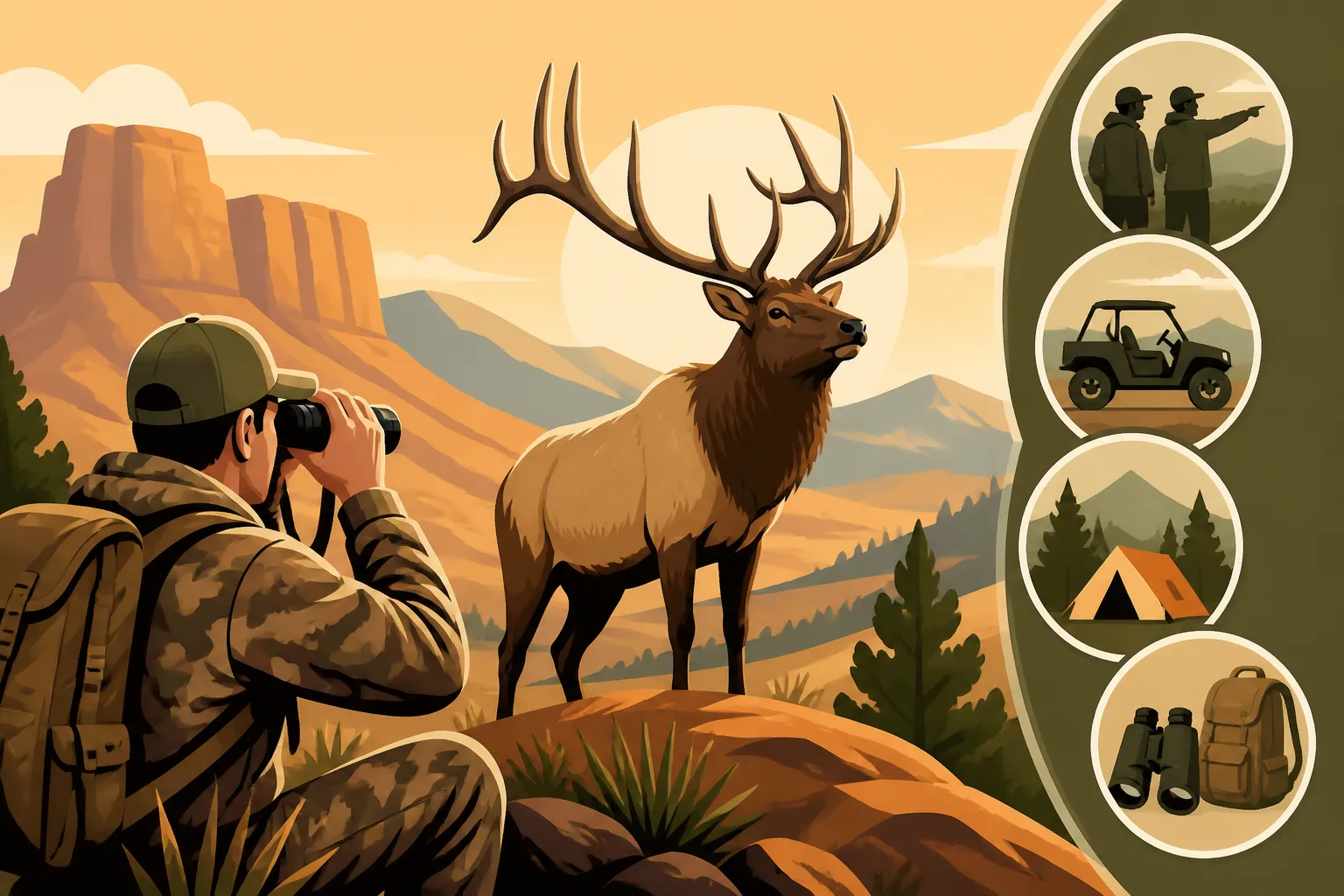
Beyond the general camp setup, a guided hunt often includes access to high-end, specialized hunting and scouting equipment that most individual hunters simply don't own. This commonly includes top-tier optics, such as powerful spotting scopes, high-magnification binoculars, and tripods for stable glassing. In New Mexico's vast, open landscapes, quality optics are not just an advantage; they are essential for locating and evaluating game from long distances.
Your guide will utilize their expertise with this equipment, often knowing exactly where to set up for optimal glassing in a basin or across a canyon. They might also carry advanced navigation tools, satellite communication devices for emergencies, and specialized tracking equipment. While you'll still need your personal hunting gear, weapon, and clothing, having your guide provide the heavy-duty, expensive scouting equipment is a huge benefit.
Consider the cost and weight of packing a 60x spotting scope, a sturdy tripod, and specialized rangefinders on a DIY hunt. Your outfitter brings these tools, along with the knowledge of how to effectively use them in the field. This can significantly enhance your ability to find and assess elk, making your hunt more efficient and increasing your chances of success.
Factors Influencing the Cost and Inclusions
The "fully guided" label can cover a wide spectrum of services and experiences, and the price will reflect these nuances. It's important to understand what drives these variations to choose the right hunt for you.
Hunt Duration, Location, and Animal Sought
The most significant factors influencing the cost and inclusions of a guided New Mexico elk hunt are the duration of the hunt, the specific unit or location, and the type of animal you're pursuing. A standard guided elk hunt typically runs between 5 to 7 full hunting days, but some outfitters may offer shorter or longer options. Naturally, more days in the field with a guide will translate to a higher cost.
The location also plays a massive role. Hunts in remote, trophy-producing units like certain Gila wilderness areas often command higher prices due to the increased logistical challenges (packing in with horses, extensive scouting), the demand for tags in those units, and the potential for a larger bull. Compare this to a hunt in a more accessible unit or one focused on cow elk, and you'll see a noticeable price difference. These logistical challenges are precisely why Gila Outfitters Sell Access to Country You Cannot Reach Alone.
Furthermore, the specific species and trophy aspirations impact cost. While this guide focuses on elk, a guided mule deer or oryx hunt will have different price points and inclusions based on the habitat, rarity of the tag, and hunting methods involved. Outfitters often specialize, and a premier elk outfitter in a top unit will have a premium price tag reflecting their success rates and expertise. It's helpful to review Guided New Mexico Hunt Price Ranges by Species to get a general idea.
Outfitter Reputation and Service Level
Just like in any service industry, the reputation and overall service level of an outfitter significantly influence what's included and the price. Established outfitters with a long track record of client satisfaction and consistent harvest success often command higher rates. They invest heavily in top-tier guides, well-maintained equipment, prime hunting leases (if applicable), and extensive scouting efforts. You are paying for their experience, their knowledge base, and their proven ability to deliver a quality hunting experience.
A premier outfitter might offer more luxurious camp accommodations, gourmet meals, a higher guide-to-hunter ratio (often 1×1 or 2×1, meaning one guide per hunter or one guide for two hunters), and more extensive pre- and post-hunt support. They often have dedicated staff to handle tasks like camp cooking, horse wrangling, and skinning, allowing the guides to focus purely on finding and pursuing elk. These higher-end services aim to maximize comfort and opportunity for the client.
Conversely, a newer or less established outfitter might offer more budget-friendly options, perhaps with a higher hunter-to-guide ratio or more rustic camp accommodations. While this can be a great way to get into a guided hunt at a lower price point, it's essential to thoroughly vet these outfitters by checking references, reading reviews, and asking detailed Questions to Ask a New Mexico Outfitter. Always ensure that even a more affordable option still adheres to all safety standards and ethical hunting practices. Remember that even with a guided hunt, there are things What Outfitter Prices Almost Never Include, so clarify everything beforehand.
Disclaimer
This article is for general informational purposes only and does not constitute professional advice. Laws, prices and regulations vary by location and change over time. Consult a qualified professional for guidance on your specific situation.