New Mexico Reserves Ten Percent of Every Hunt for Outfitter Clients
One of the biggest head-scratchers for anyone looking to hunt New Mexico, especially if you're coming from out of state, is trying to understand how the draw system works. Many hunters get incredibly frustrated when they learn that a significant chunk of the limited tags each year isn't even available to the general public in the main draw. This guide is going to peel back the layers on New Mexico's unique "outfitter pool," explaining exactly what it is, how it affects your chances, what you can expect if you choose to go this route, and how to navigate the process.
Understanding the New Mexico Outfitter Pool
So, you're dreaming of a New Mexico elk tag, or maybe a coveted mule deer hunt, and you start digging into the draw odds. Suddenly, you stumble upon this concept of an "outfitter pool," and it can feel like a curveball. What in the world is it, and why does it even exist? It's a system designed to encourage nonresident participation and to support the state's outfitting businesses, but for the average DIY hunter, it often feels like just another hurdle.
What is the New Mexico Outfitter Pool?
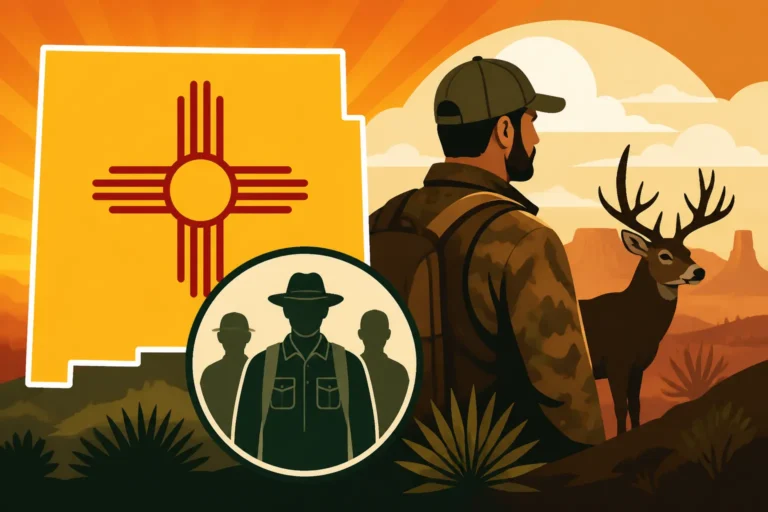
At its heart, the New Mexico outfitter pool is a specific allocation of big game hunting licenses set aside exclusively for hunters who apply with a New Mexico registered outfitter. It's not a secret club, but it certainly feels that way when you're first learning about it. Essentially, the state carves out a portion of the available tags for certain species and units, creating a separate draw. This means that if you apply as an unguided hunter, you're competing in one pool, and if you apply through a registered outfitter, you're competing in another. The numbers are significant, too. New Mexico Reserves Ten Percent of Every Hunt for Outfitter Clients, which is a considerable percentage of an already limited resource. This pool ensures that outfitters have tags available for their clients, providing them with a steady stream of business and, in theory, promoting tourism and economic activity in the state.
Why Does New Mexico Have an Outfitter Pool?
The reasoning behind the outfitter pool is multifaceted. On one hand, it's a way to support the local economy. Outfitting businesses provide jobs, contribute to local taxes, and bring in tourist dollars, especially from nonresident hunters who might not otherwise venture to New Mexico for a DIY hunt. By guaranteeing outfitters access to a certain number of tags, the state ensures these businesses remain viable. For nonresidents, hunting with an outfitter often simplifies logistics, provides expert guidance in unfamiliar terrain, and can significantly increase success rates, making New Mexico a more attractive destination. On the other hand, it's also a system that acknowledges the investment outfitters make in scouting, equipment, and staff. They're often on the ground year-round, tracking game movement and understanding patterns in ways that a hunter flying in for a week simply can't. The outfitter pool is a mechanism to value that professional input and access.
How it Compares to Other Draw Pools
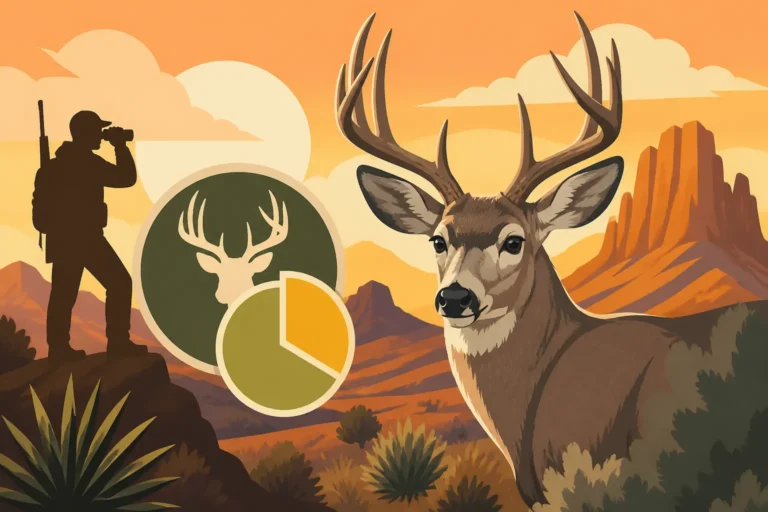
New Mexico's draw system divides tags into three distinct pools, which can be confusing if you're used to a simpler system. You've got the largest pool, the 84% resident pool, which is, as the name suggests, for residents of New Mexico. Then there's the 6% nonresident unguided pool, which is where most unguided nonresidents will apply. And finally, there's The 10 Percent New Mexico Outfitter Pool. This separation means that your chances of drawing a tag are directly influenced by which pool you choose to enter. If you're a nonresident, applying with an outfitter means you're competing against a smaller pool of applicants (other outfitter clients) for a smaller allocation of tags. It's not necessarily a golden ticket, and we'll dive deeper into the odds soon, but it's a completely different playing field than the general nonresident draw. It's crucial to understand How New Mexico's Three Allocation Pools Interact when you're putting in your application.
The Outfitter-Client Relationship and Requirements
So, you've decided the outfitter pool might be for you, or at least you want to explore the option. Great! But it's not as simple as just checking a box on the application. New Mexico has specific requirements for hunters applying through the outfitter pool, primarily revolving around the relationship you have with your chosen guide. These rules are in place to ensure legitimate engagement with the outfitting industry and to prevent abuse of the system.
The Mandatory Guide-Client Contract
This is non-negotiable. If you're applying in the outfitter pool, you must have a signed contract with a registered New Mexico outfitter. This isn't just a handshake agreement; it's a legal document. The contract formalizes your agreement with the outfitter, outlining the services they will provide, the cost, the dates of the hunt, and other important terms. You don't submit the contract with your application, but you must have it in place before you apply. The Game and Fish Department could ask for it, and it's your proof of a legitimate arrangement. This contract is also critical for your own protection, clarifying expectations and responsibilities for both parties. The New Mexico Guide-Client Contract Requirement is a fundamental part of the process, so make sure you understand every detail before signing on the dotted line.
The Two-Day Accompaniment Rule
Another key requirement for hunters in the outfitter pool is the "two-day accompaniment" rule. This means that if you draw a tag through the outfitter pool, your registered outfitter (or a registered guide working for that outfitter) must physically accompany you in the field for at least two days of your hunt. This isn't just about meeting a technicality; it's about ensuring that the outfitter is genuinely involved in your hunting experience. It reinforces the spirit of the outfitter pool, which is to provide guided services. These two days could be at the beginning of your hunt, spread throughout, or even at the end, depending on your agreement with the outfitter. But they are mandatory. It's important to discuss this with your outfitter to understand how they plan to fulfill this requirement. This rule is explicitly detailed in The New Mexico Outfitter Draw and Its Two-Day Rule.
What If the Outfitter Cannot Attend?
Life happens, and sometimes, even the best-laid plans go awry. What if your outfitter, for unforeseen circumstances like illness or an emergency, cannot personally fulfill the two-day accompaniment requirement? New Mexico rules do allow for a registered guide who is employed by the outfitter to step in and fulfill this obligation. The key is that it must be another registered guide, not just a friend or family member of the outfitter. This ensures that you still receive professional, licensed guidance in the field. However, it's always best to have a clear understanding with your outfitter upfront about their contingency plans. Communication is paramount here, both with your outfitter and, if necessary, with the Game and Fish Department to ensure you remain compliant with all regulations.
Does an Outfitter Really Improve Your Odds?
This is the million-dollar question for many hunters contemplating the New Mexico draw. We've talked about the separate pools, but what does that actually mean for your chances of drawing that dream tag? It's a complex topic, and there's a lot of misinformation out there. The short answer is: it can, but it's not a guarantee, and it depends heavily on the species and unit you're targeting.
Dispelling Myths vs. Reality
Let's clear the air. Applying with an outfitter is not a loophole to magically draw a tag with 100% certainty. It's not a "pay-to-play" system that bypasses all competition. The myth often circulating is that if you go with an outfitter, your tag is practically in the bag. The reality is that you are entering a different draw pool, and while that pool might have fewer applicants for the same number of tags (or a proportional number), it's still a draw. You are still subject to the luck of the draw, just like everyone else. However, because the nonresident outfitter pool (10%) is larger than the nonresident public pool (6%), and often has fewer applicants overall than the combined pools, your mathematical odds can, in some cases, be better. It's about playing the percentages within a specific framework. Does a New Mexico Outfitter Application Improve Odds? is a question worth researching carefully.
How Odds are Calculated in the Outfitter Pool
The New Mexico Game and Fish Department publishes draw odds each year, and you'll often see separate odds listed for the outfitter and unguided pools. When you look at these numbers, you might notice that for certain coveted hunts, the percentage chance of drawing can be significantly higher in the outfitter pool, especially for nonresident elk or quality mule deer tags. This isn't always because fewer people apply through outfitters, but because the 10% allocation is a fixed number of tags set aside. If that 10% is divided among fewer applicants than the 6% unguided pool, your individual chances improve. It's a simple math problem: more tags per applicant means better odds. Many hunters use resources like GoHunt or BookYourHunt to analyze these odds year over year, comparing the different pools and making strategic choices for their applications. They crunch the numbers, looking at how many applications went into each pool versus how many tags were issued, giving you a clearer picture of your chances.
Strategic Considerations for the Draw
Choosing to apply with an outfitter is a strategic decision that goes beyond just improving your odds. For nonresidents, it's often the most reliable way to gain access to the kind of hunt they're dreaming of, especially for species like elk in prime units like the Gila. The trade-off, of course, is the increased financial investment. However, for a hunter who values high-quality opportunities and a higher likelihood of drawing a tag, the outfitter pool can be a very attractive option. It's important to weigh the potential improvement in draw odds against the cost and the type of hunting experience you're seeking. For some, the guided experience itself is the primary draw, while for others, it's purely about maximizing their chances to get into a top-tier unit.
Costs Associated with a Guided New Mexico Hunt
Let's be blunt: guided hunts aren't cheap. If you're considering applying in the outfitter pool, you need to have a realistic understanding of the financial commitment involved. This isn't just the price of the tag itself, but the entire package that comes with professional guiding services. It's an investment, and like any investment, you want to know what you're getting for your money.
Average Costs for Different Species
The cost of a guided hunt in New Mexico can vary wildly depending on the species, the length of the hunt, the unit, and the outfitter's reputation. Elk hunts, especially trophy bull hunts in premier units, will command the highest prices. What a Guided New Mexico Elk Hunt Costs is typically in the range of several thousand dollars, and for top-tier experiences, it can climb even higher. Mule deer hunts are often a bit less but still a significant investment. Oryx, Barbary sheep, and Ibex hunts, which are often once-in-a-lifetime opportunities, also carry substantial price tags due to their rarity and the specialized knowledge required to hunt them successfully.
Here's a general idea of how costs might shape up, though these are approximations and will vary greatly:
| Species | Hunt Duration (Days) | Typical Price Range (USD) | Notes |
|---|---|---|---|
| Elk (Bull) | 5-7 | $5,000 – $15,000+ | Varies by unit quality, trophy potential, and outfitter prestige. |
| Elk (Cow) | 3-5 | $2,500 – $5,000 | Often combined with other hunts or offered as management hunts. |
| Mule Deer | 5-7 | $3,500 – $8,000+ | Depends on trophy class, unit, and hunt style (e.g., high country spot & stalk). |
| Oryx | 3 | $4,000 – $7,000+ | Highly sought-after tag, specialized hunt. |
| Barbary Sheep | 3-5 | $3,000 – $6,000 | Rugged terrain, often requires good physical condition. |
| Ibex | 5-7 | $8,000 – $15,000+ | Extremely challenging, remote, and physically demanding hunt. |
| Pronghorn | 3 | $2,500 – $4,500 | Fast-paced, open-country hunts. |
Note: These ranges do NOT include the cost of your actual tag, license fees, travel, or taxidermy. Always verify current pricing directly with outfitters.
What's Typically Included and Excluded
When you're looking at an outfitter's price sheet, it's crucial to understand what you're actually paying for. Most guided hunts typically include:
- Professional Guide Services: The core of the offering, with experienced guides leading you in the field.
- Accommodations: This can range from comfortable wall tents in a backcountry camp to a lodge or cabin.
- Meals: Usually three hearty meals a day, snacks, and non-alcoholic beverages.
- Field Transportation: Getting you to and from hunting areas, whether by truck, ATV, horses, or foot.
- Field Care of Game: Initial processing, caping, and packing out your animal to a predetermined location.
What's almost always excluded from the base price?
- Hunting License and Tag Fees: You are responsible for drawing and purchasing your own tags.
- Travel to/from the meeting point: Airfare, fuel, rental car.
- Taxidermy and Meat Processing/Shipping: Once the animal leaves the field, these costs are typically yours.
- Gratuities for Guides/Staff: A customary and expected part of the experience.
- Personal Hunting Gear: Optics, rifle/bow, clothing, sleeping bag, etc.
- Alcoholic Beverages: If you want them, you usually bring your own.
- Trophy Fees: Some outfitters charge an additional fee for harvesting an animal of a certain size or score, so be sure to ask about this upfront.
Always get a detailed list of inclusions and exclusions from any outfitter you're considering. There should be no surprises when it comes to the final bill.
Types of Guided Hunts and Services Offered
When you decide to go with an outfitter in New Mexico, you'll quickly realize that not all "guided hunts" are created equal. Outfitters offer a spectrum of services, from fully immersive, all-inclusive experiences to more budget-friendly options where you handle some of the logistics yourself. Understanding these distinctions is key to choosing the right hunt for your preferences, skill level, and budget.
Fully Guided Hunts
This is the quintessential guided experience. In a fully guided hunt, the outfitter takes care of virtually everything from the moment you arrive at a designated meeting point. They provide the guide, all meals, lodging (which could be a comfortable lodge, a rustic cabin, or a well-equipped tent camp), transportation in the field, and full assistance with locating, stalking, and packing out your game. This is the most expensive option, but it offers the highest level of service and convenience. For many nonresident hunters, especially those unfamiliar with New Mexico's vast and challenging terrain, a fully guided hunt provides peace of mind and significantly increases the chances of a successful and enjoyable trip. You literally just show up with your gear, and the outfitter handles the rest. This is often the case for high-demand areas like New Mexico's Gila National Forest for Elk Hunters.
Semi-Guided Hunts
A semi-guided hunt is a step down in service from a fully guided trip, and usually a step down in price. In this scenario, the outfitter might provide a camp (often a wall tent with cots), and perhaps even food, but the level of in-field guiding is reduced. The outfitter might show you areas to hunt, drop you off, and pick you up at the end of the day, but you're responsible for much of the actual hunting, tracking, and calling yourself. Sometimes, a semi-guided hunt means a guide will join you for a few days, then you're on your own. It's a good option for hunters who have some experience and prefer more independence but still want the logistical support of a base camp and local knowledge. You might be responsible for cooking your own meals or bringing more of your own gear.
Drop Camps
Drop camps are the most independent and typically the most budget-friendly option offered by outfitters. This service usually involves an outfitter packing you and your gear (and often a pre-set camp with tents, cots, and a cook stove) into a remote backcountry location, often via horses or mules, and then leaving you to hunt on your own. They'll then return at a pre-arranged time to pack you and your harvest back out. The outfitter provides the transportation to and from the remote area, and sometimes the camp equipment, but you are completely self-sufficient for the duration of the hunt. You bring all your own food, water purification, hunting gear, and are responsible for all hunting decisions and game care. This is an excellent option for experienced backcountry hunters who want to access remote areas without the expense and hassle of organizing their own pack animals. What a New Mexico Drop Camp Costs is significantly less than a fully guided hunt, but requires a higher level of self-reliance.
Specialized Hunts: Horseback and Pack String Outfitters
Many New Mexico outfitters, particularly those operating in wilderness areas like the Gila or Aldo Leopold Wilderness, specialize in horseback and pack string hunts. These hunts use horses or mules not just for packing gear but as the primary mode of transportation to access remote country. This allows hunters to cover vast distances, reach areas inaccessible by vehicles, and often provides a unique, traditional hunting experience. These can be fully guided or drop camp services. For hunters targeting elk in deep timber or high-elevation mule deer, the ability to utilize stock can be a game-changer for accessing prime habitat and, perhaps even more importantly, for packing out a heavy animal miles from the nearest road. Pack String Outfitters Working in New Mexico are invaluable for this rugged terrain.
Vetting and Booking Your New Mexico Outfitter
Choosing the right outfitter is arguably as important as drawing the tag itself. A great outfitter can make your hunt, and a poor one can break it, even if you draw a coveted tag. You're making a significant financial and time investment, so thorough vetting is absolutely essential. Don't rush this process; due diligence now can save you a world of disappointment later.
Key Questions to Ask a New Mexico Outfitter
Before you send any deposit, have a detailed conversation with prospective outfitters. Here are some critical questions to ask:
- What specific unit and dates are available? Make sure they align with the hunt code you plan to apply for.
- What's included in the price, and what's not? Get a clear, itemized list to avoid surprises.
- What is the maximum hunter-to-guide ratio? A lower ratio (e.g., 1:1 or 2:1) generally means more personalized attention.
- What are your typical success rates for the species and unit I'm interested in? Ask for harvest statistics, not just "opportunity" rates.
- Can you provide references from past clients for this specific hunt? This is non-negotiable. Talk to at least 3-5 references, asking about their experience, the guide's demeanor, camp conditions, and how game was handled.
- What kind of physical conditioning do you recommend? Especially for New Mexico's rugged terrain, this is important.
- What is your policy on wounded animals? A clear, ethical policy is crucial.
- How do you handle unforeseen circumstances (e.g., severe weather, equipment failure, military closures on White Sands)?
- What's your emergency plan in case of injury or other medical issues in the field?
- Are you licensed and insured in New Mexico? Always verify their current New Mexico outfitter license status with the state.
- How long have you been operating in this unit? Experience in the specific area is a huge plus.
- What is your cancellation and refund policy if I don't draw a tag, or if something else comes up? Reading the Cancellation and Refund Terms is vital before committing.
Red Flags When Booking a Guided Hunt
While most outfitters are reputable professionals, some red flags should prompt you to walk away:
- Vague or Evasive Answers: If an outfitter avoids direct questions, particularly about success rates, pricing, or references, that's a problem.
- No Written Contract: As mentioned, a written contract is required for the outfitter pool. No contract, no deal.
- Exaggerated Claims: Be wary of promises of guaranteed trophies or unrealistic success rates. Hunting is hunting, and nothing is guaranteed.
- Unsolicited Pressure to Book: High-pressure sales tactics are a bad sign. Reputable outfitters often have waiting lists, not aggressive sales pitches.
- Requiring Full Payment Upfront: Most outfitters require a deposit, but demanding full payment months in advance without clear protections for your money is a major red flag.
- Difficulty Getting References, or Only Glowing, Undetailed Ones: Real references will provide balanced feedback, not just effusive praise.
- Unlicensed or Uninsured: Never book with an outfitter who isn't properly licensed and insured in New Mexico. You can typically verify this through the New Mexico Department of Game and Fish website.
- No Clear Refund Policy for Unsuccessful Draw: Since you're applying in a draw, a reputable outfitter should have a policy for what happens if you don't draw your tag, whether it's a refund, a rollover to next year, or application to a different hunt.
Deposits, Cancellations, and Timelines
Most outfitters require a deposit to secure your hunt dates and to process your application in the outfitter pool. This deposit can range from 25% to 50% of the total hunt cost. Understand the terms regarding this deposit thoroughly.
Cancellation Policies: What happens if you need to cancel? What if the outfitter cancels? These terms should be clearly laid out in your contract. Pay particular attention to clauses regarding Refunds When You Fail to Draw in New Mexico. Some outfitters offer a full refund if you don't draw, others a partial refund, and some might roll your deposit over to the next year. This is a critical point of negotiation and understanding.
Booking Timelines: For popular species and prime units, outfitters often book out a year or more in advance. If you're targeting a high-demand elk or mule deer hunt, you might need to start your outfitter search well before New Mexico's March application deadline. Many hunters begin the process of Booking Around New Mexico's March Deadline to ensure they have an outfitter locked in if they plan to apply in that pool.
EPLUS Authorizations and Outfitters
Beyond the draw, there's another avenue to secure an elk tag in New Mexico, particularly attractive to those who want to bypass the draw uncertainty: EPLUS authorizations. These are essentially landowner tags, and outfitters often play a significant role in connecting hunters with these opportunities.
What are EPLUS Tags?
EPLUS stands for "Elk Private Land Use System." It's a program that provides private landowners who have qualifying elk habitat on their property with authorization numbers. These authorization numbers can then be converted into actual elk licenses (tags) by the New Mexico Department of Game and Fish. These EPLUS tags are separate from the public draw system, meaning you don't have to enter the draw and hope for luck. They are a direct path to an elk tag for a specific unit or ranch. Landowners can either use these authorizations for themselves, sell them directly to hunters, or work with outfitters to market and utilize them. How New Mexico EPLUS Authorizations Work is a system designed to give landowners a stake in elk management and to provide additional hunting opportunities.
How Outfitters Facilitate EPLUS Hunts
Outfitters are often key players in the EPLUS system. Many outfitters lease hunting rights from private landowners who receive EPLUS authorizations. This means the outfitter has exclusive access to hunt the landowner's property and offers guided hunts using these EPLUS tags.
The outfitter will often package the EPLUS authorization with their guided hunt service. So, instead of going through the draw, you buy a package from the outfitter that includes the EPLUS authorization (which you then convert into your tag) and the guided hunt itself. This is particularly appealing for nonresidents or hunters who want to hunt a specific unit without the uncertainty of the draw.
The advantages of buying an EPLUS hunt through an outfitter include:
- Guaranteed Tag: You secure a tag without having to go through the draw.
- Private Land Access: You often get to hunt on private ranches, which can offer lower hunting pressure and potentially higher quality animals.
- Expert Guidance: You still get the benefit of the outfitter's local knowledge and guiding services.
However, EPLUS hunts, especially for prime elk opportunities, are generally more expensive than a tag drawn through the public system combined with a standard guided hunt. This is because you're paying for the tag itself, which the landowner or outfitter has essentially purchased or secured, in addition to the guiding services. Buying a New Mexico EPLUS Elk Authorization is a significant financial commitment, but for many, the certainty of a tag and quality hunt justifies the cost.
Navigating Tribal Land Hunts with Outfitters
New Mexico is home to several Native American pueblos and tribes, many of which own vast tracts of land that hold incredible populations of big game. Hunting on tribal lands is a unique experience, governed by different rules, regulations, and often, a completely separate outfitting and permitting system than state lands. These hunts offer some of the most exclusive and high-quality opportunities in the state.
Separate Systems for Tribal Lands
It's critical to understand that tribal lands operate as sovereign nations within New Mexico. This means that hunting regulations, seasons, license requirements, and fees for places like the Jicarilla Apache Nation, Mescalero Apache Tribe, or Navajo Nation are entirely separate from those set by the New Mexico Department of Game and Fish. A state hunting license or state-issued tag does not grant you access to hunt on tribal lands. You will need to purchase permits and possibly use specific guides or outfitters directly from the tribe or a tribal-approved operator.
These tribal hunts are often renowned for their trophy quality and can offer some of the best chances for a truly exceptional animal, especially elk. The tribes manage their herds meticulously, often implementing very limited quotas and unique hunting opportunities. For example, Mescalero Apache Guided Elk Hunts are highly sought after and known for producing massive bulls.
Key Tribal Operators and What They Offer
Many tribes have their own wildlife and game departments that directly manage hunting operations and permits. They may run their own outfitting services or work with a select list of approved, licensed outfitters. When considering a tribal land hunt, you will almost always go through the tribal game department or their designated booking agent.
What you can expect from a tribal land hunt:
- High Success Rates: Due to careful management and often exclusive access, success rates on tribal lands can be remarkably high.
- Trophy Potential: Many tribal lands are managed for trophy quality, leading to excellent opportunities for mature animals.
- All-Inclusive Experience: Tribal hunts are almost always fully guided and all-inclusive, covering accommodations, meals, guides, and often, the permits themselves.
- Premium Pricing: Reflecting the exclusivity and quality, tribal land hunts are typically among the most expensive hunting opportunities in New Mexico. The prices often incorporate the cost of the tag/permit, which can be thousands of dollars on its own.
- Unique Cultural Experience: Beyond the hunt, you often get an opportunity to learn about and appreciate the rich cultural heritage of the tribe.
If you're interested in pursuing an elk, deer, or even bear hunt on tribal lands, your first step should be to contact the specific tribe's game and fish department or their designated hunting outfitters. Websites like BookYourHunt or GoHunt may sometimes list tribal land opportunities, but direct contact with the tribal authorities is always the most accurate and reliable approach. These opportunities bypass the state draw entirely, offering another route for hunters willing to invest in a premium, guaranteed experience.
Disclaimer
This article is for general informational purposes only and does not constitute professional advice. Laws, prices and regulations vary by location and change over time. Consult a qualified professional for guidance on your specific situation.