Desert Against High Country Unit Choices
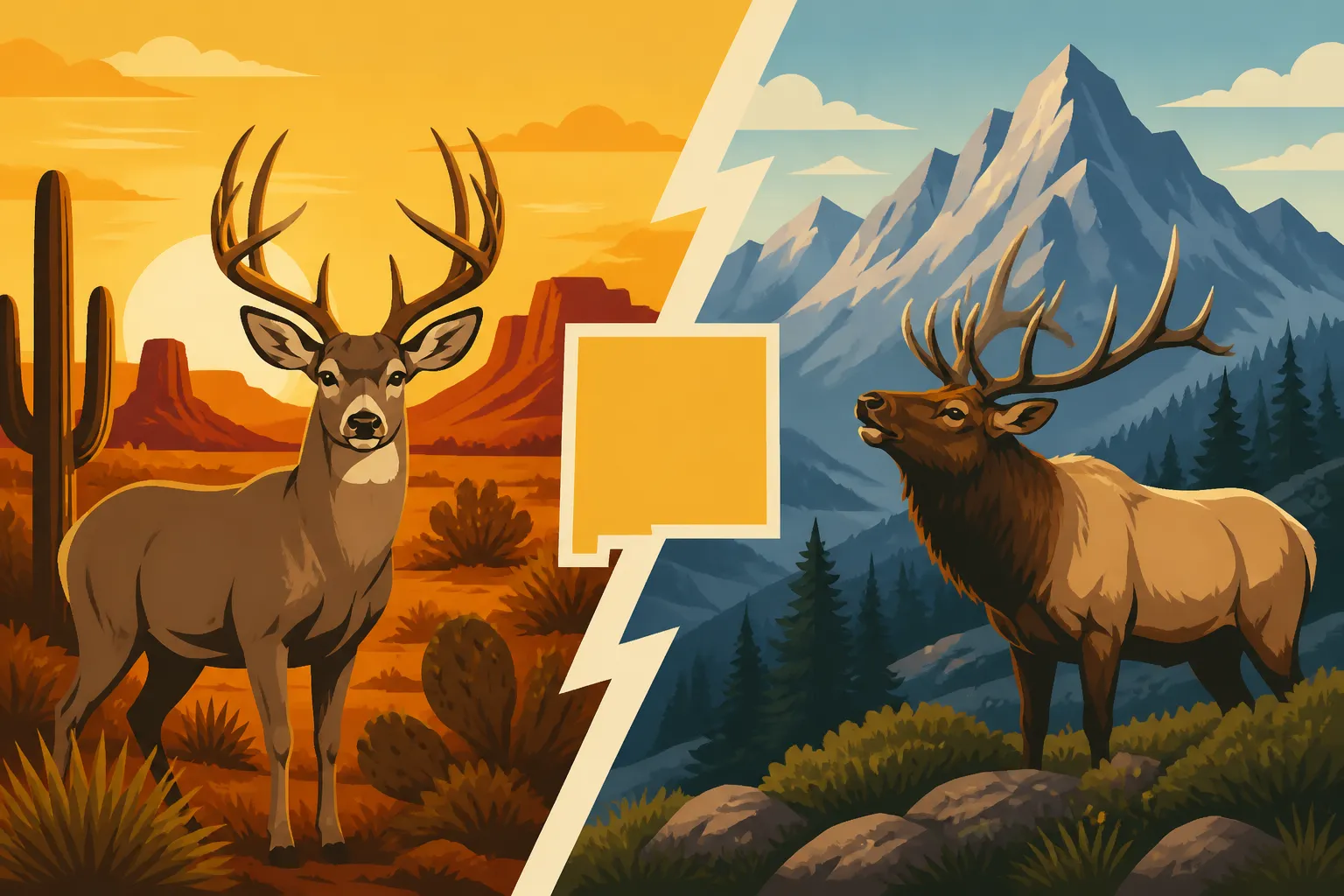
Oh, the age-old New Mexico hunting dilemma: are you a high-country adventurer, dreaming of alpine elk and steep timber, or does the vast, sun-drenched desert call to your soul, promising encounters with unique species like oryx and Coues deer? Choosing between New Mexico's high country and its desert units isn't just about picking a location; it's about understanding distinct landscapes, different physical demands, and entirely unique hunting experiences. This guide is here to help you navigate those differences, weigh your personal preferences and capabilities, and ultimately make the most informed decision for your next New Mexico big game hunt.
Understanding New Mexico's Diverse Landscapes
New Mexico is a land of incredible contrasts. You can find yourself gasping for air at 10,000 feet in the morning, watching an elk herd feed in a mountain meadow, and then, a few hours drive south, be sweating through your clothes in a sandy arroyo, glassing for desert mule deer. These aren't just subtle variations; they represent fundamentally different hunting environments, each with its own rhythm, challenges, and rewards.
The Allure of High Country Units
When most folks think of hunting New Mexico, especially for elk, their minds immediately go to the high country. We're talking about units tucked into vast national forests like the Gila, Carson, Santa Fe, and Cibola. These are places defined by towering ponderosa pines, dark timber pockets, aspen groves, and rugged canyons that seem to drop into eternity. The elevation can be brutal, with many hunting areas ranging from 7,000 feet all the way up to Hunting New Mexico From 4,000 Feet to 10,000. This is prime habitat for elk, but also for trophy mule deer, black bear, and in some specialized areas, Rocky Mountain bighorn sheep.
Hunting here means embracing steep climbs, navigating thick underbrush, and constantly playing the thermals. Strategies often involve intense glassing of open parks and distant slopes, followed by careful stalks through timber, or engaging in exhilarating calling sequences during the rut. Expect challenging physical demands, where every mile feels like two, and the weather can turn on a dime, dishing out sunshine, rain, or even snow in a single day. This is the kind of hunting that tests your lungs, your legs, and your resolve, but the rewards—a bugling bull echoing through the mountains, or a heavy-antlered mule deer ghosting through the aspens—are absolutely unforgettable. Remember to consider your Altitude Preparation for a Gila Elk Hunt if you're coming from lower elevations.
The Unique Challenges of Desert Units
On the flip side, New Mexico's desert units offer an experience that is equally rewarding but dramatically different. Picture the vast, wide-open country of the Chihuahuan Desert, the endless rolling plains, the scattered rimrock, juniper breaks, and thorny brush of the southern and eastern parts of the state. Here, you'll find incredible game animals perfectly adapted to this arid environment: the majestic oryx on White Sands Missile Range, the elusive Coues deer in the bootheel ranges, the cunning barbary sheep clinging to remote canyon walls, and robust herds of pronghorn and desert mule deer.
Desert hunting often becomes a game of extreme patience and long-range optics. Spot and stalk is the name of the game, with hunters spending hours behind their binoculars and spotting scopes, grid glassing vast landscapes. Water sources, even small ones like stock tanks, become critical focal points, especially during dry periods. The terrain, while not always as steep as the high country, can be deceptively rugged, with endless drainages, hidden arroyos, and sharp, volcanic rock that can chew up boots and shred tires. Heat is a major factor, particularly during early seasons, making Heat Management on an Early Season Hunt a crucial skill. The openness means animals often see you first, demanding meticulous approaches and precise shooting skills at extended ranges.
Factors to Consider When Making Your Choice
Deciding between the high country and the desert isn't something you should do on a whim. It requires a thoughtful assessment of your own capabilities, your hunting preferences, and what you truly want to get out of the experience. It’s not about one being inherently "better" than the other, but about finding the right fit for you.
Your Physical Condition and Experience
Let's be real: hunting in New Mexico, no matter where you go, is physically demanding. But the type of demand changes significantly between the high country and the desert.
High country hunts, especially for elk in places like the Gila, will test your cardiovascular fitness to its limits. You'll be climbing steep grades at elevations where the air is thin, often carrying a heavy pack. If you're not accustomed to hiking for miles with significant elevation gain, or if you have concerns about altitude, the high country can be a brutal wake-up call. Strong legs, good lung capacity, and mental fortitude are paramount. You'll also benefit from experience navigating dense timber and steep terrain, often far from roads or trails. This isn't a casual stroll; it's a marathon with a rifle or bow. For those who thrive on intense physical challenges and relish the feeling of earning every step, the mountains are an unparalleled adventure.
Desert hunts, while perhaps not as taxing on the lungs due to lower elevation, demand a different kind of endurance. You'll often be covering vast distances on foot, albeit usually flatter ground, over uneven, rocky, or sandy terrain, all while exposed to intense sun and often high temperatures. The challenge here is sustained walking, often carrying more water than you'd expect, and the ability to patiently glass for hours under a relentless sun. You need strong ankles for walking over broken ground and excellent hydration management. Experience with long-range shooting, precise spot and stalk techniques, and an understanding of how desert animals use sparse cover are huge advantages. If you enjoy wide-open spaces, meticulous glassing, and the thrill of a long, calculated stalk, the desert offers an exciting, albeit different, physical test.
Target Species and Hunting Methods
The animals you pursue are often the biggest determinant of whether you head to the mountains or the desert. New Mexico is unique in that it offers so many diverse big game opportunities.
If your heart is set on elk, particularly a screaming bull during the September rut, the high country is your obvious destination. Units in the Gila, Carson, or Santa Fe National Forests are famous for their elk populations, and the dense timber and varied terrain are perfect for calling, still hunting, and Glassing Benches and Parks for Elk. Mule deer can be found in both environments, but the largest bodied, heavy-antlered bucks often come from the higher elevations and more rugged terrain of the northern units. Bear and bighorn sheep are also predominantly high-country dwellers. So, if your dream hunt involves these species, focus your research and applications on the mountain units.
However, if you're looking for something truly unique, the desert is where New Mexico shines. Oryx, for example, are exclusively found in the desert, primarily around White Sands Missile Range and surrounding off-range areas. How an Oryx Hunt Actually Runs is a fascinating and challenging experience. Barbary sheep thrive in the rimrock and canyon country of the desert, requiring intense Spot and Stalk Tactics for Barbary Sheep in unforgiving terrain. Coues deer, known as the "grey ghosts of the desert," are found in the juniper-oak brush habitats of the southern units. And vast herds of pronghorn roam the eastern plains. When looking at your target species, be sure to consult the regulations and Reading a New Mexico Hunt Code Before You Apply to ensure the unit and season you are looking at aligns with your goals.
Season Dates and Expected Weather
Season timing and the associated weather patterns play a monumental role in unit selection. New Mexico's hunting seasons span from early August bow hunts into late December rifle seasons, and the conditions can vary wildly.
Early archery seasons, particularly in August and early September, can be brutally hot across all of New Mexico, but especially in the desert units. Temperatures in the low desert can easily push into the 90s and even 100s Fahrenheit, making hydration and Water You Must Carry on a Desert Day Hunt critical, and often pushing game to seek shade and water during midday. This can make for challenging, but potentially rewarding, sits over water sources. In the high country, early seasons might still see warm days, but evenings are cooler, and monsoon rains can bring relief and green up the landscape. However, these rains can also turn forest roads into muddy quagmires.
As seasons progress into late fall and early winter, the conditions flip. Desert units often become more pleasant, with cooler temperatures, though daytime sun can still be intense. The high country, however, can quickly become snow-bound, especially at higher elevations. This can make access difficult or impossible without specialized vehicles, but it also concentrates animals and makes tracking easier. Hunters must be prepared for extreme cold, high winds, and deep snow if pursuing late-season mountain hunts. Always check historical weather data for your chosen unit and season.
Navigating Access and Terrain
Access is often a make-or-break factor for hunters, and New Mexico’s varied landscapes present different access scenarios. Understanding how public and private lands intertwine, and how roads traverse them, is key to successful planning.
Public Land Access and Density
New Mexico boasts an impressive amount of public land, including over nine million acres of National Forest and vast tracts of Bureau of Land Management (BLM) ground. However, the type and density of public land can differ significantly between high country and desert units.
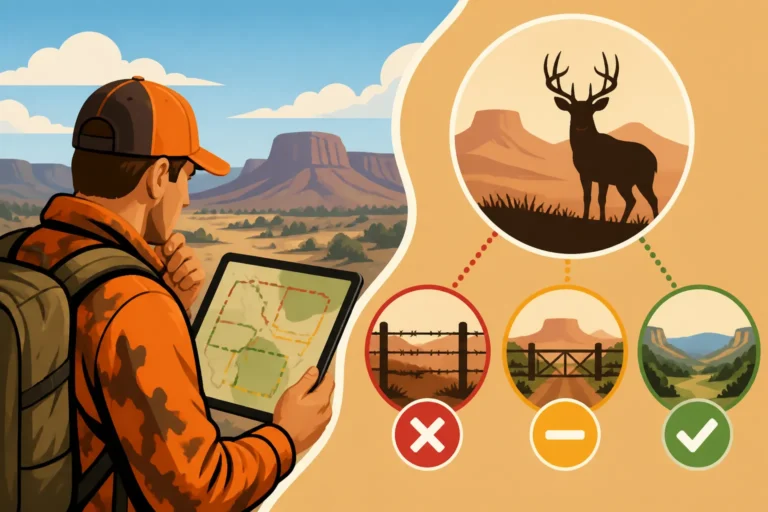
Generally, the high country units are dominated by National Forests. These areas often have extensive trail systems, designated campgrounds, and a mix of accessible roads and vast wilderness areas like the Gila Wilderness and Aldo Leopold Wilderness. While these are fantastic for hunters, they can also concentrate pressure in easily accessible spots. Deeper access often requires significant effort, like backpacking or using horses. Tools like onX Hunt are invaluable here for identifying public land boundaries, trails, and potential access points, helping you to truly understand Reading a Land Ownership Layer Correctly and avoid unintended trespass.
Desert units, especially in the southern and eastern parts of the state, tend to have a higher percentage of BLM ground, interspersed with large tracts of private ranch land and State Trust Land. BLM often offers more open, dispersed camping, but can have fewer established trails. The challenge here is often fragmented public land, requiring careful navigation to stay legal and reach prime areas. Again, a good mapping app like onX Hunt is absolutely essential for understanding the patchwork of ownership. Knowing How Much Public Land New Mexico Holds in your chosen unit can help you set realistic expectations for your hunt. Don't forget that your New Mexico hunting license acts as an easement for most State Trust Land, but rules vary, so always check.
Road Access and Wilderness Considerations
The infrastructure for accessing hunting grounds can greatly influence your choice. Some units offer extensive road networks, while others are predominantly wilderness.
In many high country units, particularly within National Forests, you'll find a decent network of forest roads. However, many of these are dirt or gravel, and subject to seasonal closures due to snow or wet conditions. Some roads may require high-clearance 4×4 vehicles. Furthermore, large portions of New Mexico’s high country fall within designated wilderness areas, where motorized travel is strictly prohibited. This means that if you're hunting deep in the Gila or Aldo Leopold Wilderness, your access will be on foot or horseback. This offers incredible solitude and potentially unpressured animals, but requires significantly more logistical planning and physical exertion. Knowing which areas are wilderness and planning accordingly is paramount.
Desert units often have a mix of county roads, oilfield roads, and ranch two-tracks. These roads can range from well-maintained gravel to barely-there trails that become impassable with even a small amount of rain. While you might not face the same snow closures as the mountains, heavy monsoon rains can quickly turn desert washes into raging rivers and make dirt roads impassable with mud. Some areas might have vast, open stretches accessible by vehicle, while others might require extensive hiking to get away from road hunters. Always check conditions before heading out, especially during or after any significant precipitation events.
Drawing Odds and Application Strategy
New Mexico is a draw state for most big game species, and your chances of success can vary wildly depending on the unit, species, and whether you apply as a resident or nonresident. This is where strategic thinking and research really pay off.
Comparing Draw Success Rates
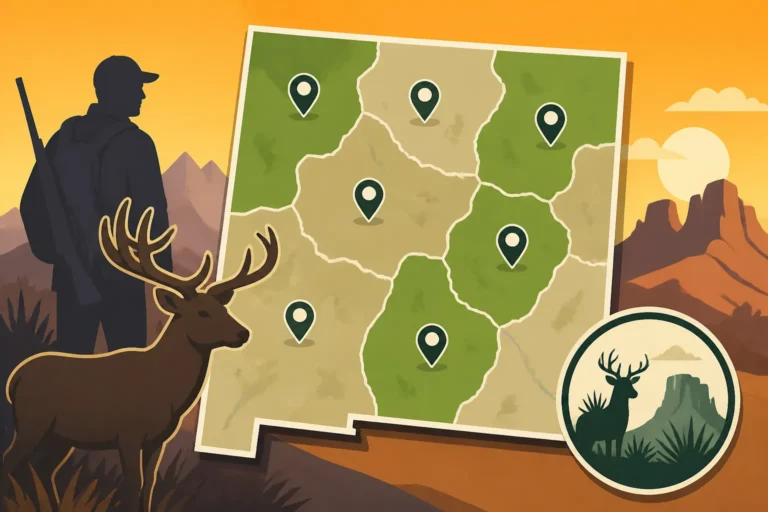
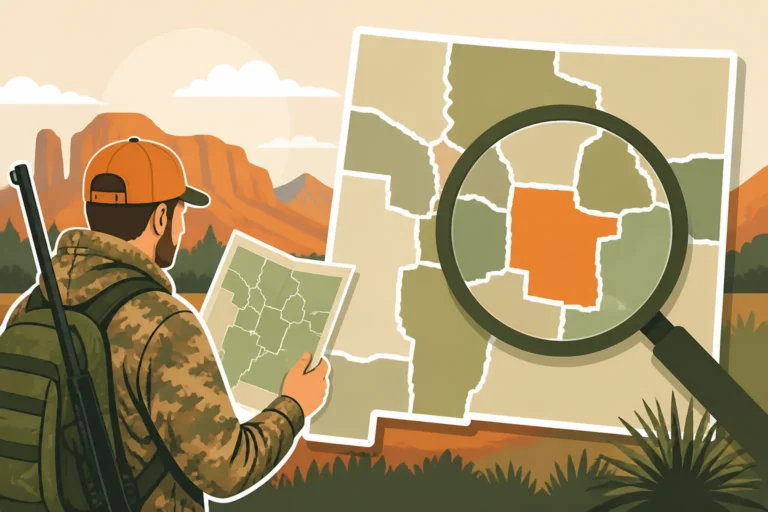
One of the biggest factors for hunters applying in New Mexico is understanding the draw odds. There's no point dreaming of a high country elk hunt if the unit you pick has 1% odds and you're new to the draw. Similarly, a desert oryx tag might seem like a long shot, but some off-range units can offer surprisingly better odds than the premier elk units. Resources like GoHunt are invaluable for delving into past draw statistics, allowing you to compare your chances across different units and species. This data can help you weigh the allure of a trophy unit against the higher likelihood of drawing a tag in a less-pressured, but still excellent, unit.
It's important to remember that New Mexico doesn't use a preference point system, meaning Why New Mexico Draw Odds Do Not Improve With Time. Every applicant, whether it's their first time or their tenth, starts on equal footing each year. This makes every application cycle a fresh chance, but also means there's no "building" towards a tag. You're either lucky, or you're not. So, researching Where New Mexico Lists Unit Harvest Statistics and draw success rates becomes your best tool for setting realistic expectations and strategizing your choices.
Strategic Choice Order
When you apply for the New Mexico draw, you typically get to list several choices. Your first choice is obviously where you want to hunt the most, but your second, third, and even fourth choices can be critical for actually drawing a tag. This is where comparing high country versus desert units really comes into play.
Many hunters dream of those coveted Gila elk tags, and those units will always be highly sought after and have tough odds. You might decide to put a prime high country elk unit as your first choice, knowing it's a long shot. But for your second or third choice, you might pivot to a desert unit, perhaps for a different species like barbary sheep or a less popular mule deer hunt. This strategy increases your overall chances of drawing a tag in New Mexico, even if it's not your dream hunt. Conversely, if you're exclusively interested in a specific desert species like oryx, you might prioritize several different oryx units as your choices. Understanding the draw mechanics and balancing your desires with realistic odds is the key to successfully navigating New Mexico's application process.
| Feature | High Country Units | Desert Units |
|---|---|---|
| Typical Elevation | 7,000 – 12,000+ feet | 3,000 – 7,000 feet |
| Dominant Terrain | Mountains, steep canyons, thick timber, meadows | Rolling hills, arroyos, rimrock, open plains, sparse brush |
| Key Species | Elk, Mule Deer, Bear, Bighorn Sheep | Oryx, Coues Deer, Barbary Sheep, Pronghorn, Desert Mule Deer |
| Primary Challenge | Altitude, steep climbs, dense cover, unpredictable weather | Heat, water scarcity, long visibility, rugged broken ground |
| Hunting Style | Calling, still hunting, glassing parks, tracking | Spot & stalk, long-range glassing, sitting water holes |
| Physical Demands | High cardiovascular fitness, leg strength | Sustained walking, endurance in heat, strong ankles |
| Best Optics | 10x binoculars, good spotting scope (lighter power) | 12-15x binoculars, powerful spotting scope (20-60x) |
| Primary Public Land | National Forests | BLM, State Trust Land |
| Mapping Tool Benefit | Trails, topo lines, wilderness boundaries (onX Hunt) | Land ownership, water sources, roads (onX Hunt) |
Ultimately, the choice between New Mexico's high country and desert units comes down to a deeply personal decision, influenced by your hunting goals, physical abilities, and what kind of adventure truly excites you. Do you long for the crisp, thin air and the challenge of mountain giants, or the vast, open spaces and unique inhabitants of the arid lands? Both offer incredible, challenging, and profoundly rewarding experiences that New Mexico is famous for. Take the time to honestly assess your capabilities, research the units thoroughly, and then commit to the adventure that calls to you most.
Disclaimer
This article is for general informational purposes only and does not constitute professional advice. Laws, prices and regulations vary by location and change over time. Consult a qualified professional for guidance on your specific situation.