Written Permission Requirements in New Mexico
One of the most anxiety-inducing moments for any hunter in New Mexico is looking at a map and realizing that the public land you want to access is completely surrounded by private ground. It’s a frustrating reality for many, where a perfectly legal tag can feel useless if you can't physically get to where the game lives without risking a trespass citation. This guide is all about demystifying the ins and outs of written permission, ensuring you understand exactly what you need to navigate New Mexico's complex land ownership confidently and legally, turning potential headaches into successful hunts.
Understanding New Mexico's Trespass Laws for Hunters
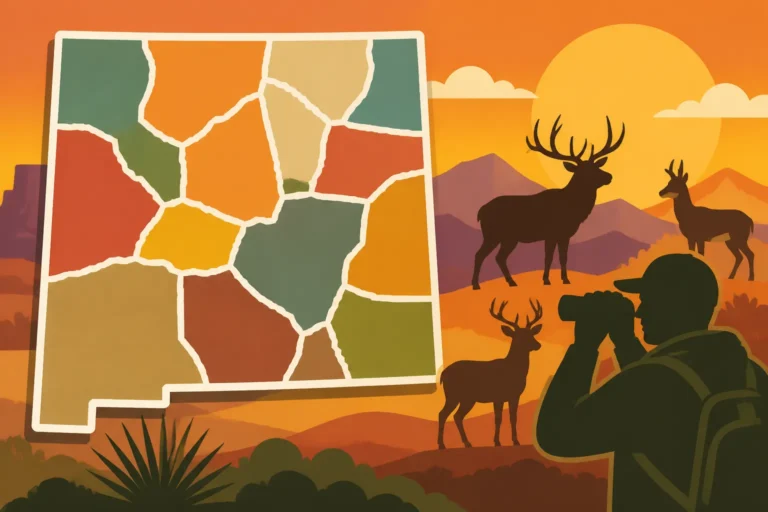
New Mexico's landscape is a beautiful, diverse mosaic of public and private lands, but this patchwork can create significant challenges for hunters trying to access prime areas. Understanding the specific legal requirements for crossing or hunting on private property is not just good practice; it's essential to avoid legal trouble, fines, and even losing your hunting privileges.
The Legal Framework: What "Written Permission" Means
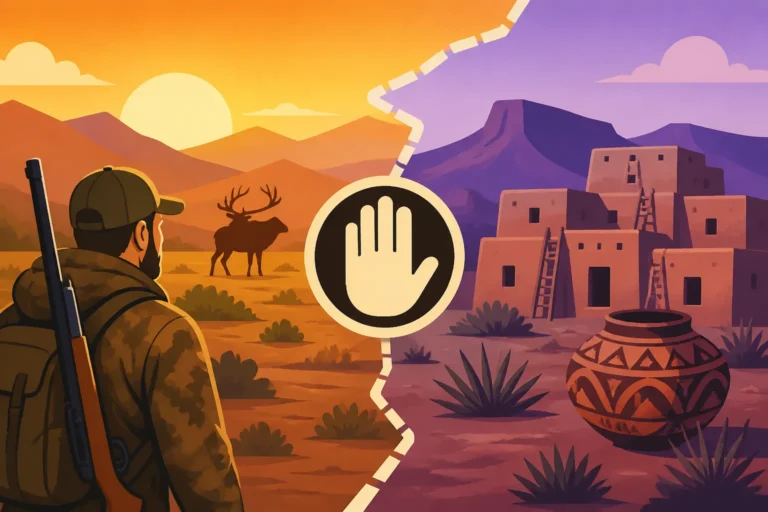
In New Mexico, the law is quite clear: you cannot hunt on private land or cross private land to access public land without explicit permission from the landowner. More often than not, this permission needs to be in writing. While a friendly nod or a verbal "sure, go ahead" might feel sufficient in the moment, it offers little to no legal protection if questions arise later. Imagine being deep in a canyon, having successfully harvested an elk, and then encountering a new ranch hand who disputes your verbal agreement with the owner – suddenly, you're in a very precarious position with a downed animal and a potential trespass charge.
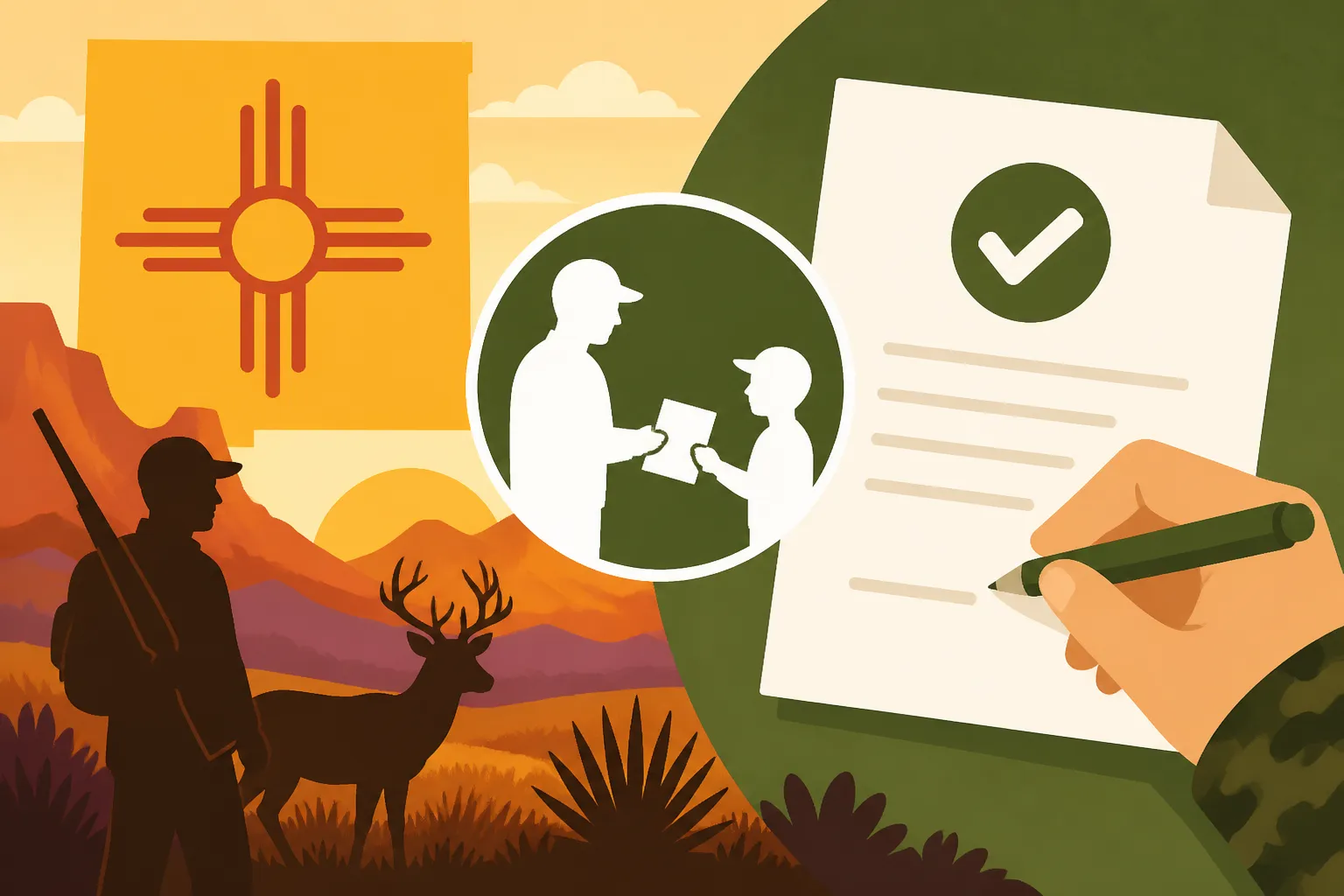
A written permission slip acts as your shield. It's a tangible document that proves you have the landowner's consent. This can take several forms: a signed and dated letter, an email exchange, or even a text message thread, though a formal, signed document is always the safest bet. It should clearly state who is allowed to be on the property, for what purpose (e.g., hunting mule deer), for what duration (specific dates), and which areas are accessible. Without this, you're essentially gambling with your hunt and your freedom. The legal system tends to favor documented evidence, and a verbal agreement can be notoriously difficult to prove in court, leaving you vulnerable even if you had the best intentions.
Identifying Private vs. Public Land Boundaries
One of the biggest culprits behind accidental trespass is simply not knowing exactly where you are. New Mexico's land ownership can be incredibly fractured, especially in areas with a history of Spanish land grants or homesteading. A fence line might seem like a clear boundary, but it might not align with legal property lines. You could be following what you believe is a public access road, only for it to veer onto private land without a single "No Trespassing" sign.
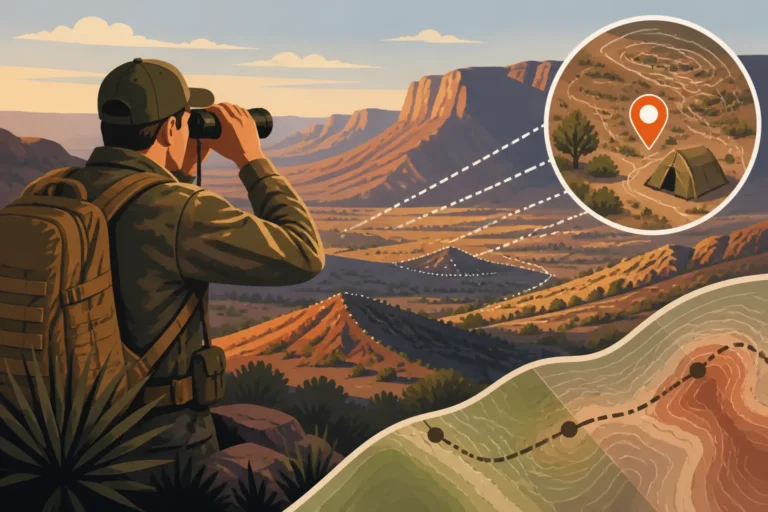
This is where modern technology becomes indispensable. Tools like onX Hunt are game-changers for identifying land ownership in real-time. By overlaying property boundaries, land manager names, and public/private designations directly onto a topographic map, you can see exactly where you stand. This digital clarity can save you from inadvertently crossing onto private property, even if it's just a small corner or a narrow strip. Relying solely on older paper maps or memory in complex areas is a recipe for trouble. Always cross-reference your location with a reliable mapping source. Remember, ignorance of the boundary is rarely an acceptable legal defense.
Consequences of Unlawful Trespass While Hunting
The repercussions of unlawful trespass in New Mexico can be severe and extend far beyond a simple slap on the wrist. First and foremost, you could face significant fines. These aren't just minor penalties; they can easily run into hundreds or even thousands of dollars, depending on the nature and severity of the trespass. For instance, if you're found hunting on private land without permission, the fines are often higher than simply walking across it.
Beyond financial penalties, there's the risk of losing your hunting license. A trespass conviction can lead to the suspension or revocation of your hunting privileges, not just in New Mexico but potentially in other states as well, thanks to interstate compacts. Imagine drawing that coveted elk tag after years of applying, only to have it invalidated because of a moment of carelessness. In some cases, especially if game is harvested illegally on private land, your equipment – including your rifle, bow, or vehicle – could be confiscated. And in the most serious situations, particularly repeat offenses or aggravated trespass, you could face criminal charges, including jail time. This is not a risk any hunter wants to take. Being meticulous about obtaining and carrying your written permission is a small price to pay for peace of mind and legal compliance.
Navigating Private In-Holdings and Landlocked Public Ground
New Mexico's land ownership patterns often present a frustrating challenge: public lands that are effectively inaccessible because they are completely surrounded by private property. This situation is commonly referred to as "landlocked public ground" or dealing with "private in-holdings." It means there's a good chance you drew a tag for a unit with abundant public land, but you might not be able to put a boot on it without a specific access plan.
The Challenge of Checkerboard Land Ownership
The reason for this complex "checkerboard" pattern of land ownership goes back generations. Historically, large tracts of land were granted to railroads, homesteaders, or state trusts, often in alternating sections. Over time, these sections were bought, sold, and subdivided, leading to the intricate mosaic we see today. Imagine trying to hunt a square-mile section of prime public BLM land, only to find that all four sides are bordered by private ranch property. You can see it on your map, you know it's public, but physically reaching it becomes an enormous hurdle.
This scenario is incredibly common in many western states, and New Mexico is no exception. It's not uncommon to find small, isolated parcels of National Forest or BLM land tucked away deep within private ranches. While legally it's public land, the lack of a public access easement means you cannot cross the surrounding private land to get there without explicit permission. This can be a major source of frustration for DIY hunters who have dedicated time and resources to scouting and drawing a tag, only to discover their chosen hunting grounds are practically off-limits. Understanding this reality early in your planning, often through detailed e-scouting, can save you a lot of grief. E-Scouting a New Mexico Unit Before the Season is a critical step here.
Corner Crossing: A Gray Area in New Mexico
"Corner crossing" refers to the act of stepping from one piece of public land, over a private property corner, to another piece of public land, without ever touching the private ground. It's a highly contentious issue that has seen legal battles unfold in other western states. The argument from some hunters is that if you never physically set foot on private property, you haven't trespassed. However, landowners often argue that crossing their airspace at the corner, or simply traversing the implied boundaries, constitutes trespass.
In New Mexico, the legal landscape regarding corner crossing is still somewhat ambiguous or untested in a definitive way that provides clear guidance for hunters. While some states have seen specific court rulings, New Mexico's position hasn't been as clearly defined. Because of this uncertainty and the high stakes involved (potential fines, loss of privileges, and legal fees), the general advice is to treat corner crossing with extreme caution. It's far safer to assume that any interaction with a private property corner, even if you try to hover over it, could be interpreted as trespass. Until there's clear legal precedent in New Mexico explicitly allowing it, avoid the temptation. It's simply not worth the risk.
Strategies for Gaining Access Through Private Parcels
So, if you've identified a promising piece of landlocked public ground, or need to cross a ranch to reach your hunting area, what are your options? The most effective strategy is proactive, respectful communication with the landowner. Don't wait until opening day to knock on their door. Start reaching out weeks, or even months, in advance. Many landowners are reasonable and understand the challenges hunters face, especially if approached respectfully.
Here are some tips:
- Early Contact: Use tools like onX Hunt to identify the landowner's name and then research how to contact them. A formal letter or a polite phone call is often better than a cold knock on the door.
- Be Respectful and Clear: Clearly state your intentions: you want to access public land, not hunt their private property (unless that's also part of the discussion). Explain your route and assure them you will leave no trace.
- Offer Assistance: Some ranchers might be more amenable if you offer to help with small tasks, like closing gates, checking fences, or reporting any issues you observe on their land. It builds goodwill.
- Be Flexible: They might have specific days or times they prefer you don't cross, or a specific route they want you to take. Be willing to work within their parameters.
- Trespass Fees: Don't be surprised if a landowner asks for a "trespass fee" to cross their property. This isn't uncommon and, if the fee is reasonable, it can be a perfectly legitimate way to gain legal access. Treat it as a necessary cost of your hunt.
- Look for Easements: In some cases, there might be historical easements or agreements for access to landlocked public parcels. New Mexico Game and Fish or the relevant land management agency (BLM, Forest Service) might have information on these. Crossing Private Ground to Reach New Mexico Public Land covers some of these scenarios.
Remember, a positive interaction can lead to future opportunities, not just for you but for other hunters. A bad interaction can close doors indefinitely.
The Nuances of Hunting on Private Land with Permission
Hunting on private land in New Mexico can offer incredible opportunities, often with less pressure and potentially higher success rates compared to heavily hunted public areas. However, securing and managing that access comes with its own set of responsibilities and important considerations. It’s not just about getting a "yes"; it’s about understanding the terms, fostering a relationship, and being an exemplary guest.
Specifics to Include in Your Written Permission
When a landowner grants you permission to hunt or cross their property, it's vital to get the details in writing. A simple, vague note won't cut it if there's a dispute or if another person (like a ranch manager or law enforcement officer) questions your presence. Think of this document as a mini-contract protecting both you and the landowner.
At a minimum, your written permission should include:
- The Landowner's Full Name and Contact Information: This verifies who granted the permission.
- Your Full Name and Contact Information: Identifies the authorized hunter.
- Specific Dates of Access: Clearly state the start and end dates. Avoid open-ended permission.
- Purpose of Access: Is it for scouting, hunting, retrieving game, or just crossing to public land? Specify the species you're allowed to hunt if it's a hunting permission.
- Defined Area: Describe the exact parcel or boundaries you're allowed to use. A hand-drawn map or a printout from onX Hunt with the permitted area highlighted and attached to the permission slip is incredibly helpful.
- Vehicle Access: Clarify if you can drive, and if so, on which roads or trails. This is often a point of contention.
- Any Special Conditions or Restrictions: Are there areas off-limits? Times of day you can't be there? Are campfires allowed? Can you bring guests?
- Signature of the Landowner (or authorized agent) and Date: This makes it a legal document.
Always carry this original, signed document with you while on the property. A clear, comprehensive permission slip prevents misunderstandings and ensures everyone is on the same page.
Building and Maintaining Landowner Relationships
Securing permission once is great, but building a lasting relationship with a landowner is even better. These relationships are often the key to consistent, quality hunting opportunities year after year. Hunters who treat private land and its owners with the utmost respect often find themselves welcomed back, while those who act entitled or irresponsible quickly lose access.
To foster positive relationships:
- Respect Their Property: Leave gates as you found them – if it was closed, close it; if it was open, leave it open. Don't damage fences, drive off established roads (unless permitted), or leave any trash. Pack out everything you pack in, and then some.
- Communicate Regularly: Touch base before and after your hunt. Let them know when you'll be on the property and when you've left. If you see something concerning (like a downed fence or unexpected livestock issues), report it.
- Offer Thanks: A sincere thank you goes a long way. Consider a small gift, like a gift card to a local store, or even some of the game meat if you're successful and they are amenable.
- Abide by Their Rules: If they say no campfires, no night hunting, or no ATV use, respect it, even if it differs from public land rules. Their property, their rules.
- Be a Good Steward: Help with brush clearing, fence repair, or other small tasks if offered. Showing you care about their land beyond just hunting it can create a powerful bond.
Being a good ambassador for hunters helps not only you but also the hunting community as a whole, making landowners more likely to grant permission to others in the future.
EPLUS Authorizations and Landowner Tags
Beyond direct written permission, New Mexico has specific programs that allow hunting on private lands through landowner authorizations. The most prominent example is the EPLUS program, which focuses primarily on elk. EPLUS stands for "Elk Private Land Use System," and it essentially allocates a certain number of elk authorizations to private landowners based on the elk habitat and use on their property.
Landowners can then either use these authorizations themselves, or more commonly, sell them to hunters. These EPLUS authorizations are distinct from simply getting written permission to trespass; they are actual elk tags that allow a hunter to pursue elk on specified private land (or sometimes unit-wide, depending on the authorization type). They bypass the public land draw system, offering another avenue for hunters to secure an elk tag.
When considering an EPLUS tag, understand that the cost typically covers the authorization itself, and often includes the services of an outfitter who guides on that private land. It's crucial to understand exactly what the authorization covers: Is it unit-wide or limited to a specific ranch? What dates are valid? Are there any additional fees? This is a commercial transaction, so a clear contract outlining all terms is essential. Buying a New Mexico EPLUS Tag From a Landowner is a deep dive into this process, which can be a fantastic way to access quality private land hunting without the uncertainty of the public draw. These tags ensure you have legal access and a valid license to hunt on the specified private property.
Public Land Access and State Trust Land Considerations
While the focus on written permission often centers around private property, it's equally important to understand access rules for different types of public land in New Mexico. Not all "public" land operates under the same access policies, and knowing the distinctions can prevent accidental violations and maximize your hunting opportunities.
New Mexico State Trust Land: Your License as Permission
New Mexico State Trust Land is a unique category. These lands are managed by the New Mexico State Land Office to generate revenue for public institutions, primarily schools. For hunters, this means there are specific rules that differ from federal lands like National Forests or BLM acreage. The good news is that a valid New Mexico hunting license acts as an easement for foot access onto State Trust Land during the legal hunting season for the species you are permitted to hunt. This is a huge benefit for New Mexico hunters.
However, "easement for foot access" is a key phrase. This generally means you cannot drive a vehicle onto State Trust Land unless a specific public road crosses it and is clearly marked as open for vehicle access. Furthermore, camping is typically not allowed on State Trust Land. You also need to be acutely aware of any private leases on State Trust Land, such as grazing leases, and respect the leaseholder's operations. While your license grants you the right to walk across it for hunting, it doesn't give you carte blanche to disrupt existing agricultural or other permitted activities. Always verify specific rules with the New Mexico State Land Office or Game and Fish Department, but know that your license is generally your permission for hunting access. A New Mexico License Is Your State Trust Land Easement provides more detail, and it's also worth noting that You May Scout New Mexico Trust Land 14 Days Before a Hunt under similar provisions.
Understanding BLM and National Forest Access
Bureau of Land Management (BLM) and National Forest lands are what most people envision when they think of "public land" in the West. These are vast tracts, often rugged and remote, managed for multiple uses, including hunting. Generally speaking, if you have a valid New Mexico hunting license and any required stamps (like the Habitat Management & Access Validation), you have the right to hunt on these federal lands during open seasons.
However, even on these generally open lands, there are critical caveats.
- Private In-holdings: As discussed, even a large block of National Forest can contain privately owned parcels within its boundaries. You still need written permission to cross these. Always consult a detailed land ownership map (like those found on onX Hunt) to identify and respect these boundaries.
- Road Closures and Travel Management: While much of BLM and National Forest land is accessible, motorized vehicle use is often restricted to designated roads and trails. Many roads are seasonally closed, especially at higher elevations due to snow, or during fire season. Driving off-road to retrieve game, even on public land, is usually illegal and can result in significant fines. Always check with the local Forest Service or BLM office for current travel management plans and road conditions. BLM Ground Carries Most of New Mexico's Open Access and Nine Million Acres of New Mexico National Forest highlight the extensive opportunities available on these lands.
Special Regulations for Specific Public Areas
New Mexico also boasts some truly iconic and unique public hunting areas that operate under distinct rules. These aren't your typical walk-on public lands and often require special draw tags or permits in addition to your general hunting license.
- Valle Vidal: Located in the Carson National Forest, the Valle Vidal is renowned for its trophy elk hunting. Access is strictly controlled, and hunting is only permitted for those who draw one of the highly coveted special tags. Even scouting has specific windows and rules. New Mexico's Valle Vidal and Its Special Rules explains the unique system here.
- Valles Caldera National Preserve: This stunning volcanic caldera is another area managed with specific hunting programs. Like the Valle Vidal, access is limited to those who draw special permits, and hunting is managed to maintain the ecosystem. You can't just show up with a regular elk tag and expect to hunt. Valles Caldera Preserve Hunts in New Mexico details the process.
- White Sands Missile Range (WSMR): Home to the unique Oryx hunt, WSMR is an active military installation. Hunting here requires drawing a special Oryx tag and adhering to very strict access protocols, including security clearances and specific dates. It's an incredible experience but requires meticulous planning and adherence to all military regulations.
- State Parks and Wildlife Management Areas (WMAs): While some state parks and WMAs allow hunting, they often have specific dates, access points, and regulations that differ from general public lands. Always check the New Mexico Department of Game and Fish regulations booklet for the specific area you intend to hunt.
In short, never assume that "public land" means open access without any specific requirements. Always do your homework for the specific unit and area you plan to hunt.
Technology as Your Ally: Mapping and Planning
In the age of digital information, trying to navigate New Mexico's complex land ownership and access rules without modern technology is like trying to find your way through the desert without water. It's possible, but why make it harder and riskier than it needs to be? Harnessing digital tools can transform your planning and execution, virtually eliminating accidental trespass and significantly improving your hunting efficiency.
Harnessing Digital Mapping for Land Ownership
The single most impactful tool for navigating land ownership in New Mexico, and indeed across the West, is a robust digital mapping application. Brands like onX Hunt have revolutionized how hunters understand the landscape. These apps provide an unparalleled level of detail right in the palm of your hand, whether you have cell service or not (if you download maps offline).
Here’s how they become your indispensable ally:
- Public/Private Land Layers: This is the core feature. With a quick glance, you can see color-coded boundaries identifying federal, state, private, and tribal lands. This instantly shows you where you're standing, which direction public land lies, and where those tricky private in-holdings are located.
- Land Manager Information: Not only does it show private land, but it often provides the name of the landowner. This is crucial for proactive outreach when you need to request written permission to cross or hunt.
- Topographic Maps and Satellite Imagery: Overlay these with property lines to understand the terrain, find potential access points, and identify natural boundaries. You can see fence lines, roads, and waterways, helping you plan your route precisely.
- GPS Tracking: Your phone's GPS pinpoints your exact location on the map, allowing you to track your movement and ensure you stay on public land or within your permitted private access area. You can drop waypoints, mark trails, and record your tracks.
- Offline Maps: The ability to download maps for areas without cell service is critical for remote New Mexico hunting, ensuring you always have your land ownership data and navigation tools.
By routinely checking your onX Hunt map, you can avoid the stress and legal risk of accidental trespass. It allows you to confidently move through the landscape, knowing exactly where you stand in relation to public and private boundaries.
Utilizing Online Resources for Planning
Beyond real-time mapping, a wealth of online resources can help you plan your New Mexico hunt, ensuring you're compliant with regulations and making informed decisions.
- New Mexico Department of Game and Fish (NMDGF) Website: This is your official source for the most current regulations, hunt codes, season dates, and general information. They often have maps and other resources for specific units. Don't rely on outdated information; regulations can change annually. Reading a New Mexico Hunt Code Before You Apply is essential knowledge for anyone applying for tags.
- GoHunt: For serious draw hunters, platforms like GoHunt provide invaluable data. They compile draw odds, harvest statistics, and unit information, helping you strategize your application. You can filter units by public land percentage, terrain, and previous success rates, giving you a comprehensive view of your options. While GoHunt can help you pick a unit, it's up to you to verify access once you've drawn a tag.
- US Forest Service and BLM Websites: For specific National Forests or BLM field offices, their websites offer detailed maps, road closure information, and travel management plans. Always check these closer to your hunt date, as conditions (like fire restrictions or snow closures) can change rapidly.
- Online Forums and Social Media Groups: While these aren't official sources, they can provide anecdotal insights into specific areas, access challenges, and landowner contact tips. Always take forum advice with a grain of salt, but it can sometimes point you in the right direction for further research.
By integrating these tools into your planning, from initial unit selection to on-the-ground navigation, you empower yourself with the knowledge needed to hunt legally and effectively in New Mexico. Reading a New Mexico Unit Boundary Before You Apply and E-Scouting a New Mexico Unit Before the Season are crucial first steps that benefit immensely from these digital resources.
Disclaimer
This article is for general informational purposes only and does not constitute professional advice. Laws, prices and regulations vary by location and change over time. Consult a qualified professional for guidance on your specific situation.