How Much Public Land New Mexico Holds
One of the biggest anxieties for any hunter, especially those of us new to a state, is figuring out where we can actually go to chase game. New Mexico, with its vast, open landscapes, can look like an endless opportunity on a map, but the reality of land ownership—who owns what and where you can legally step—is a maze. This guide is here to untangle that, diving deep into the different types of public land available for hunting across New Mexico, how to access them, and what to expect when you get there.
The Sheer Volume of Open Hunting Ground in New Mexico
When you first look at a map of New Mexico, the sheer scale of public land can be intimidating, but it's also incredibly exciting. This isn't a state where you're constantly fighting for every inch of access. Instead, it's a place where massive swaths of federal and state-owned acreage mean you have room to roam, to explore, and to truly get away from it all. But just how much are we talking about?
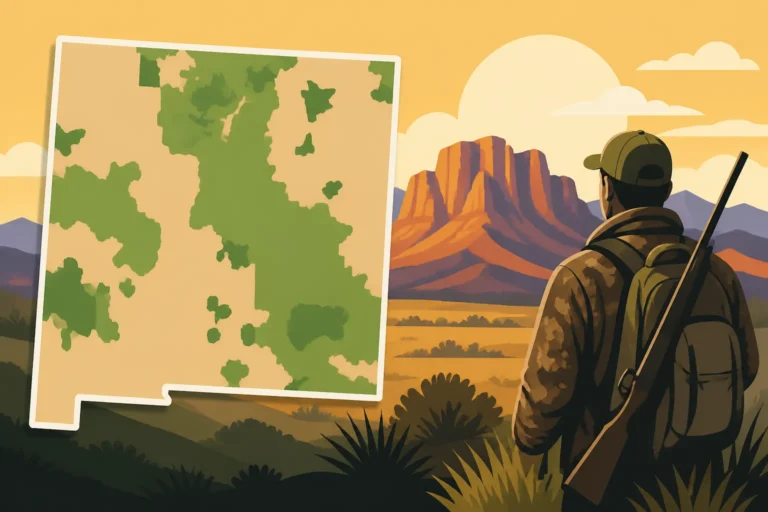
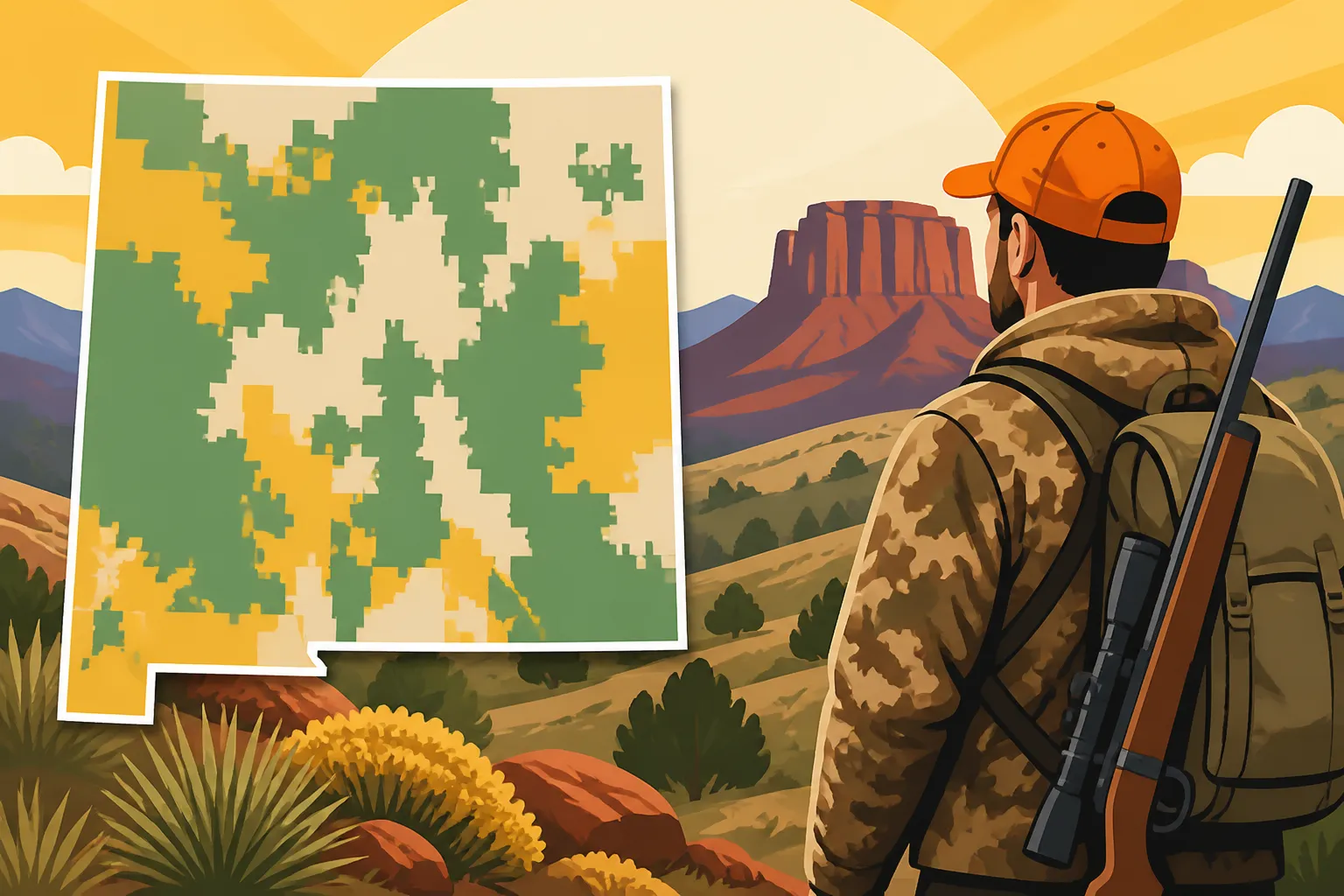
New Mexico boasts an impressive amount of public land, totaling over 30 million acres. That's a staggering figure, representing about 40% of the entire state. For context, that's more land than the entire state of Pennsylvania. This vast expanse is a mosaic of different land management agencies, each with its own rules, characteristics, and hunting opportunities. From the high mountain peaks of the Carson National Forest to the sprawling, brushy plains managed by the Bureau of Land Management (BLM), there’s a diverse range of habitats and terrain just waiting for you to explore. Understanding these different categories is the first step to unlocking some incredible hunting experiences.
Breaking Down the Public Land Pie
It's not all one big chunk, of course. This 30 million acres is distributed among several major players, primarily federal agencies, with a significant contribution from state-managed lands. This distribution is key because the rules for hunting, camping, and vehicle use can vary slightly depending on who owns the ground you're on. For instance, the Gila National Forest might have different road access policies than a remote section of BLM land in the southern desert. Getting a handle on these distinctions early on can save you a lot of headaches, and more importantly, keep you on the right side of the law.
When you're planning a hunt, whether it's for elk in the northern mountains or oryx on the missile range, understanding the dominant land type in your chosen unit is paramount. Tools like onX Hunt become absolutely indispensable here, as they allow you to visualize these boundaries with incredible precision, distinguishing between federal, state, private, and tribal lands at a glance. It's not just about knowing where you can hunt, but also where you can't and how to navigate the complex patchwork that often exists, especially near wilderness areas or private ranch boundaries.
Bureau of Land Management BLM Land Access
The Bureau of Land Management, or BLM, is arguably the unsung hero of public land hunting in New Mexico. While the National Forests often grab the headlines for their majestic elk country, BLM land truly offers the most widespread and open access across the state. It's often characterized by vast, undulating rangelands, mesas, canyons, and desert scrub, providing prime habitat for mule deer, pronghorn, oryx, and barbary sheep, among other species.
What makes BLM land so crucial is its sheer ubiquity. You'll find it peppered across almost every corner of New Mexico, often filling in the gaps between private ranches or adjacent to National Forests. This widespread distribution means that even if you're not hunting a designated wilderness area, you'll likely encounter plenty of BLM ground to explore. However, its scattered nature can also be its biggest challenge. It's rarely a continuous, easy-to-read block on a map, often appearing as a mosaic alongside state trust land and private holdings.
Navigating the Patchwork of BLM Ground
The reality of hunting BLM ground is that it's a true mixed bag. You might have thousands of acres of contiguous public access in one spot, while just down the road, it's a checkerboard of small BLM parcels interspersed with private land. This is where your mapping tools become your best friend. Without a reliable GPS app or detailed paper maps, you're essentially walking blind, risking inadvertent trespass.
I've spent countless hours meticulously pouring over maps, marking access points, and identifying potential landlocked parcels of public land that are technically open but require crossing private ground to reach. Crossing Private Ground to Reach New Mexico Public Land is a topic that can make or break a hunt, and it's especially relevant on BLM-dominated units. Always remember that merely having a hunting license doesn't grant you permission to cross private land, even if you can see public land on the other side. Always get written permission from the landowner, no matter how small the strip of private land you need to traverse. The vastness of BLM is its greatest asset, but its irregular distribution demands careful planning and respect for private property.
Typical Terrain and Game Species on BLM
The terrain on BLM land is incredibly diverse, mirroring New Mexico's varied ecosystems. In the southern part of the state, you'll find vast expanses of Chihuahuan Desert, characterized by creosote bush, mesquite, and ocotillo. Here, you'll be hunting desert mule deer, oryx, and pronghorn in country that demands excellent glassing skills and an understanding of how game uses sparse cover and water. Further north, or at higher elevations, BLM may transition into juniper and piñon pine forests, offering different challenges and species.
For example, large sections of Units 21, 23, 24, and 26 are dominated by BLM, offering significant opportunities for desert mule deer and oryx. These areas demand a different kind of preparation: serious attention to water sources, heat management, and tough footwear for rocky, cactus-strewn ground. Conversely, some of the more central and northern units, while known for their National Forest elk, also have considerable pockets of BLM that often hold resident deer herds or offer migration corridors. Understanding the specific habitat types within a BLM unit is crucial for anticipating game movement and finding those hidden honey holes.
National Forest Lands: The Mountain Hunter's Paradise
When most hunters dream of New Mexico, they often envision the majestic peaks and sprawling timber of the National Forests. These federal lands represent the lion's share of high-country, mountainous terrain in the state, offering prime habitat for elk, mule deer, and even bighorn sheep. New Mexico is home to several National Forests, each with its own character and hunting opportunities, totaling nearly 9 million acres.
The Gila National Forest, in particular, is legendary. It's a vast wilderness, larger than many states, and home to some of the most remote and rugged country you'll ever hunt. This is the land of deep canyons, towering ponderosas, and challenging elk hunts. But beyond the Gila, you have the Carson National Forest and Santa Fe National Forest in the north, known for their Sangre de Cristo and Jemez Mountain ranges, and the Cibola and Lincoln National Forests which offer diverse ecosystems from high-elevation timber to lower-lying pinyon-juniper breaks.
The Gila Wilderness and Its Challenges
The Gila National Forest encompasses the Gila Wilderness and Aldo Leopold Wilderness, two of the most significant wilderness areas in the lower 48. These are places where motorized travel is strictly prohibited, and access is typically on foot or horseback. For the adventurous hunter, this means truly wild, unpressured animals, but it also means immense physical challenges. Packing an elk out of the Gila can be a multi-day ordeal, even with a strong back and a good plan. Packing an Elk Out of the Gila Alone is a testament to the kind of commitment these areas demand.
The allure of the Gila for elk hunting is undeniable. Units like 15, 16A, 16D, and 17, which fall largely within the Gila National Forest boundaries, are famous for producing trophy bulls. But that fame comes with a price: competition for tags is fierce, and the hunting itself is demanding. You'll need to be in peak physical condition, proficient with your navigation tools, and prepared for rapidly changing weather conditions. The rewards, however, are often legendary.
Other National Forests and Their Offerings
Beyond the Gila, the Carson National Forest in northern New Mexico provides stunning high-country hunting, with elevations often exceeding 10,000 feet. It's excellent mule deer country, and also holds elk. The Santa Fe National Forest, bordering the Carson, offers similar opportunities in the Jemez and Sangre de Cristo mountains. These northern forests are characterized by dense timber, steep slopes, and often require adjusting to high altitudes. Altitude Preparation for a Gila Elk Hunt is a good read, but the principles apply equally to the northern forests.
Further south, the Cibola National Forest is broken into several distinct mountain ranges, including the Magdalenas, San Mateos, and Manzanos. It offers a mix of elk and deer hunting, with varied terrain. The Lincoln National Forest, home to the Sacramento Mountains, provides critical habitat for elk, mule deer, and even some black bear. Each of these National Forests presents a unique hunting experience, from the thick timber stalks to glassing open parks and benches. Utilizing topographic maps and satellite imagery, perhaps with a premium subscription to a service like GoHunt or onX Hunt, can help you identify prime hunting areas, potential water sources, and travel corridors well before you ever set foot on the ground.
New Mexico State Trust Land Access
Often overlooked by nonresident hunters, New Mexico State Trust Land represents a significant portion of public hunting access, adding millions of acres to the total available. Unlike federal lands managed by the BLM or Forest Service, State Trust Lands are managed by the New Mexico State Land Office with a primary mission to generate revenue for specific state institutions, primarily public schools. However, through an agreement with the New Mexico Department of Game and Fish, your valid hunting license often acts as your general access permit for hunting purposes.
This is a critical distinction that sometimes confuses new hunters. You don't usually need a separate "permit" in the traditional sense, but your current New Mexico hunting license serves as the necessary authorization. However, it's crucial to understand the specific rules associated with State Trust Land, as they can differ from federal lands. These rules are designed to balance public access for hunting with the land's revenue-generating purpose, and respecting them ensures that this valuable access remains available for future generations.
Your Hunting License as an Easement
The arrangement essentially means that by purchasing a hunting license, you gain an easement to access State Trust Land for the purpose of lawful hunting during open seasons. This is a huge benefit for hunters, as it opens up vast tracts of land that might otherwise be closed off. These lands often lie adjacent to BLM or private property, forming part of that complex patchwork of ownership across the state. They frequently comprise grasslands, piñon-juniper woodlands, and desert environments, providing excellent habitat for pronghorn, mule deer, and various small game.
It's vital to check the latest New Mexico Game and Fish regulations booklet, as rules can sometimes change or be updated. Knowing the specifics of A New Mexico License Is Your State Trust Land Easement is not just good practice, it's essential for legal and ethical hunting. Always confirm that your specific hunting activity is covered by the general access provisions. While camping for hunting purposes is often allowed, there might be specific guidelines on duration, location, or fire restrictions.
Scouting and Specific Rules on Trust Land
One of the most appreciated aspects of State Trust Land for hunters is the specific scouting allowance. You are permitted to scout on State Trust Land up to 14 days before the opening day of a hunt for which you hold a valid license. This is a tremendous advantage, allowing you to get boots on the ground, locate game, assess conditions, and finalize your plans without worrying about violating trespass laws. Scouting New Mexico State Trust Land Fourteen Days Out emphasizes how valuable this window is for serious hunters.
| Public Land Type | Typical Terrain | Key Game Species | Access Notes |
|---|---|---|---|
| BLM Land | Desert, grasslands, piñon-juniper, canyons | Mule deer, pronghorn, oryx, barbary sheep, quail | Often scattered, requires careful map reading (e.g., onX Hunt) |
| National Forest | Mountains, high-elevation timber, alpine meadows | Elk, mule deer, bighorn sheep, bear, turkey | Generally contiguous, can include wilderness areas (no motorized access) |
| State Trust Land | Grasslands, piñon-juniper, desert, breaks | Mule deer, pronghorn, small game, quail | Hunting license grants access, 14-day scouting window. Check for specific closures. |
This 14-day window is not a free-for-all, however. You must still adhere to all other regulations, including avoiding closed areas, respecting existing leases (which often involve cattle operations), and certainly not harassing wildlife or disturbing property. The opportunity to scout is a privilege, and hunters must ensure they leave no trace and conduct themselves responsibly. This is particularly important because maintaining good relations between the State Land Office, lessees, and hunters is crucial for the continuation of this access.
Identifying Public Land Boundaries with Modern Tools
In a state like New Mexico, where land ownership is a patchwork of federal, state, and private parcels, clearly identifying where you can legally hunt is not just important—it's absolutely critical. Gone are the days when a crumpled paper map and a compass were sufficient. While those still have their place as backups, modern mapping applications have revolutionized how hunters navigate this complex landscape.
These tools are not just convenient; they are essential for ethical hunting and for avoiding costly mistakes like trespassing. The fines and penalties for trespassing can be severe, not to mention the damage it does to the public image of hunters. Investing in a good mapping system is one of the smartest decisions you can make before heading into the field in New Mexico.
The Power of GPS Mapping Apps
Applications like onX Hunt have become the gold standard for many New Mexico hunters, and for good reason. They provide incredibly detailed satellite imagery overlaid with color-coded land ownership boundaries, clearly distinguishing between BLM, National Forest, State Trust Land, and private property. This visual clarity is invaluable, especially in areas where these different land types are intricately interwoven. You can see precisely where public land ends and private land begins, even in thick timber or across open, featureless plains.
Beyond just boundaries, these apps often offer layers for roads, trails, water sources, wilderness areas, and even hunt unit boundaries. This comprehensive data allows you to plan your approach, identify escape routes, and understand the terrain long before you step out of your truck. For instance, knowing where Motorized Travel Rules on New Mexico Public Land apply, or where seasonal road closures might impact your access, can prevent wasted time and frustration. With onX Hunt, you can download maps for offline use, which is critical in New Mexico's vast backcountry where cell service is often nonexistent.
Researching Units with Data Platforms
While in-field navigation is crucial, understanding the landscape before you even apply for a tag is just as important. This is where platforms like GoHunt really shine. GoHunt provides detailed unit profiles that often include public land percentages, terrain descriptions, water availability, and historical harvest data. This kind of research can help you identify units with a high percentage of public access, which might be more appealing for a DIY hunt, or units where private land dominates, potentially necessitating an EPLUS tag or landowner permission.
Using these platforms, you can analyze different units side-by-side, considering factors like public land ratio alongside draw odds and trophy potential. It's about making informed decisions that align with your hunting style and goals. For instance, if you're targeting elk, you might prioritize units within the National Forests known for high public land access and good bull-to-cow ratios, rather than a unit dominated by private ranches where access might be limited. This pre-application research is a game-changer for anyone serious about hunting New Mexico.
The Importance of Respecting Boundaries and Rules
With such a vast amount of public land, it might be tempting to think that all rules are broad and forgiving. However, the reality is that maintaining access to these lands, and ensuring ethical hunting practices, relies heavily on individual hunters understanding and respecting all boundaries and regulations. New Mexico takes its land management and wildlife conservation seriously, and ignorance of the law is never an excuse.
Beyond simply knowing where you can go, it's about understanding how you can behave on that land. This includes everything from proper waste disposal to fire restrictions, vehicle use, and interactions with other users. The more hunters demonstrate responsible conduct, the stronger the argument for continued and expanded public access.
Navigating Interspersed Private Land
It's a common scenario: you're walking across a vast stretch of BLM or State Trust Land, and suddenly you see a fence line or a new type of terrain on your map indicating private property. This is where vigilance is paramount. Even if a gate is open, or a fence is down, you cannot assume public access. Always verify with your mapping app. New Mexico's trespass laws are clear, and entering private land without permission can lead to citations, fines, and even confiscation of game or hunting equipment.
This is especially true in areas like the eastern plains, where private ranchland often borders or even checkerboards public sections. While some landowners might grant permission if approached politely and well in advance, it's never a guarantee. Having a clear understanding of Getting Written Permission in New Mexico is critical, and always have that permission in writing, if possible, to avoid any misunderstandings. The relationship between landowners and hunters is a delicate one, and positive interactions are vital for maintaining good will.
Understanding Land Use Regulations
Each land management agency has specific rules regarding camping, campfires, vehicle use, and even the collection of shed antlers or firewood. For instance, while dispersed camping is generally allowed on much of the BLM and National Forest land, there are often restrictions on how long you can stay in one spot, especially near developed campgrounds or trailheads. Fire restrictions are also common, particularly during dry seasons, and a violation can have catastrophic consequences for the landscape and result in severe penalties.
Always check with the local Forest Service or BLM field office for current conditions and specific regulations for the area you plan to hunt. These details are often available on their websites or at ranger stations. Similarly, while your hunting license acts as an easement for State Trust Land, you might encounter specific signs indicating closures or additional rules related to active grazing leases or other commercial operations. By being informed and responsible, we ensure that the privilege of hunting New Mexico's incredible public lands remains available for all.
Disclaimer
This article is for general informational purposes only and does not constitute professional advice. Laws, prices and regulations vary by location and change over time. Consult a qualified professional for guidance on your specific situation.