The Gear List Your Outfitter Will Send
One of the biggest anxieties for hunters preparing for a guided trip, especially in a place as diverse and demanding as New Mexico, is figuring out what to pack. You’ve booked your dream hunt, you’re excited, but then the outfitter sends a gear list that looks like a foreign language, and suddenly you’re staring at a pile of questions. This guide is here to demystify that essential outfitter gear list, helping you understand its purpose, what typically goes on it, and how to prepare so you’re ready for whatever the high desert or mountain timber throws at you.
Understanding the Purpose of an Outfitter's Gear List
It's easy to look at a detailed gear list from your outfitter and feel a bit overwhelmed, or even wonder if they're just trying to make you buy new stuff. But I promise you, that list isn't there to complicate your life. It's actually one of the most important tools for a successful, safe, and comfortable hunt. New Mexico's terrain and weather can be brutally unforgiving, and your outfitter knows exactly what you'll encounter.
Why Outfitters Send These Lists
Think of an outfitter's gear list as their way of ensuring your well-being and maximizing your chances of success. Firstly, it’s about safety. Hunting in New Mexico can mean anything from crisp, cool mornings turning into scorching desert afternoons, to navigating rocky canyons or dense timber in the high country. Having the right gear, from proper layering to durable boots, can literally be the difference between a minor inconvenience and a dangerous situation. Your outfitter isn't just protecting you; they're protecting their reputation and their guides, who are ultimately responsible for your safety in the field. They've seen it all – clients showing up in cotton socks, flimsy jackets, or boots that will give them blisters by mile two. These lists are preventative medicine for a good hunt.
Secondly, it's about efficiency and legal compliance. Some gear items are mandated by state law or best practices. For instance, the specific caliber of your rifle or the type of broadhead for archery may have minimum requirements for big game. Outfitters need to ensure everyone in their camp is equipped to ethically pursue game and comply with regulations. They also want to avoid delays in the field caused by a lack of essential items. Imagine wasting precious hunting time because someone forgot a crucial piece of gear that the outfitter now has to track down. The list helps streamline the entire operation, allowing you and your guides to focus on the hunt itself.
Tailoring the List to the Hunt Type
Not all New Mexico hunts are created equal, and neither are their gear lists. The type of animal you're pursuing, the season, the unit, and even the style of hunt will dictate what you need. An archery elk hunt in the Gila National Forest in September will have a vastly different gear requirement than a rifle mule deer hunt on the eastern plains in November. The former might demand lightweight, quiet clothing for Bugling Bulls Through New Mexico's Mid-September Rut and extensive hiking boots for steep terrain, while the latter might prioritize warmer, windproof outer layers for sitting still and long-range optics.
If you’re embarking on a drop camp hunt, your gear list will likely be more extensive regarding personal camping items like sleeping bags and pads, as the outfitter may only provide the tent and horse packing services. For a fully guided, lodge-based hunt, many of those base camp items might be covered, shifting the focus more towards your personal hunting gear. Always read the list with your specific hunt details in mind, and don't hesitate to ask your outfitter for clarification if anything seems out of place or you're unsure why a particular item is recommended. Their experience is your biggest asset.
Common Categories on a New Mexico Outfitter's Gear List
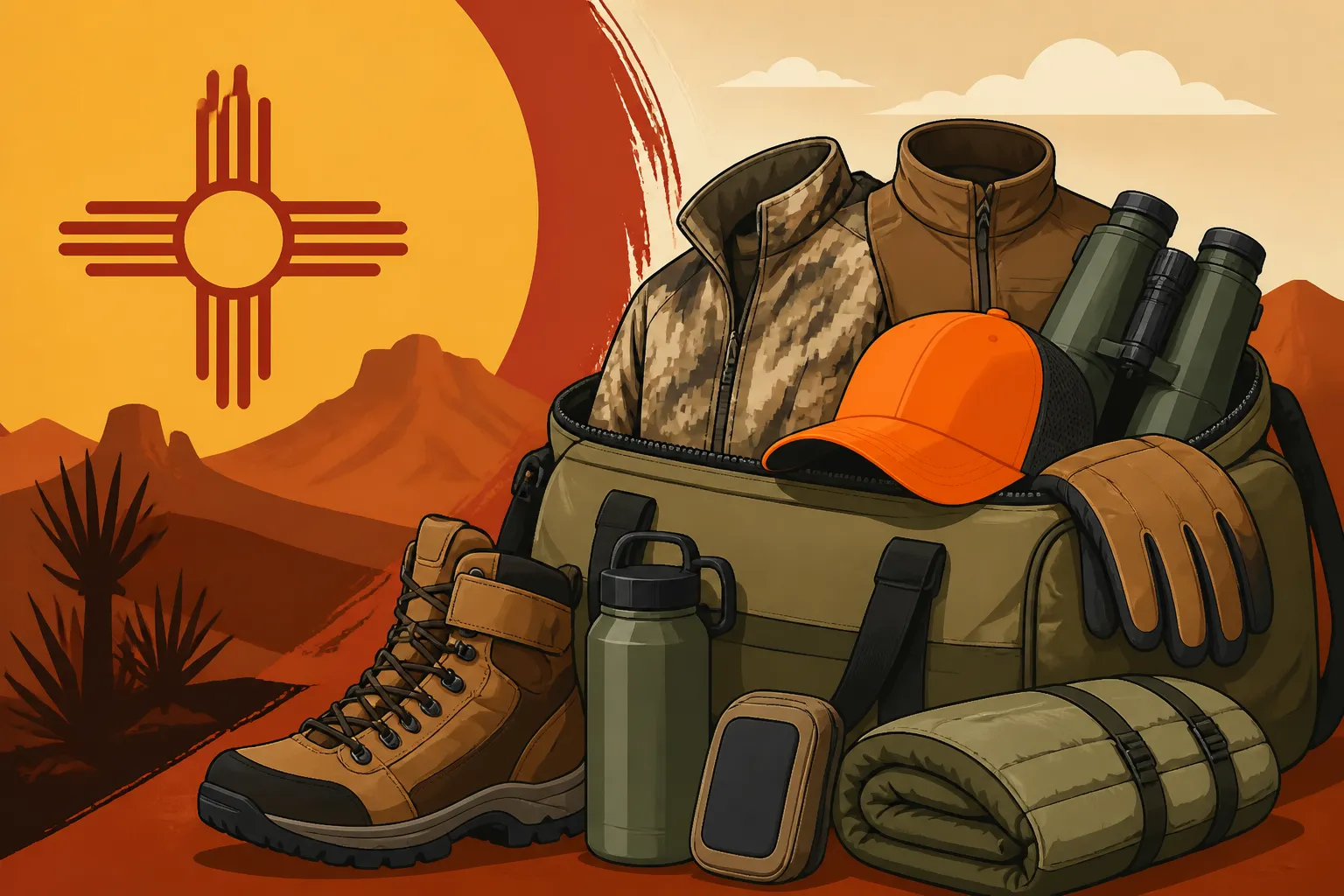
While every outfitter's list will have its unique nuances, there are several common categories you'll see. Understanding these broad groupings can help you organize your existing gear, identify gaps, and start thinking about purchases or rentals. This is where the rubber meets the road in preparing for your New Mexico adventure, whether you're chasing elk high in the Sangre de Cristos or stalking oryx on the White Sands Missile Range.
Essential Clothing for Layering
New Mexico weather is famously unpredictable. A crisp, frosty morning at 8,000 feet can quickly turn into a warm, sunny afternoon, and then plummet back down to freezing as the sun sets. This is why layering is not just a suggestion, it's a survival strategy. Your outfitter's list will emphasize this, often breaking down clothing into base layers, mid-layers, and outer shells.
- Base Layers: These are worn next to your skin and are crucial for managing moisture. Think wool or synthetic fabrics that wick sweat away from your body, keeping you dry and preventing chills. Avoid cotton at all costs; it retains moisture and loses its insulating properties when wet, which can be dangerous. Depending on the season, you might need light to medium weight base layers. Remember, even in warm early seasons, nights can be surprisingly cool, and mornings are often brisk. Layering for Gila Temperature Swings is something to take seriously.
- Mid-Layers: These provide insulation and warmth. Fleece jackets, down vests, or puffy synthetic jackets are common. They should be easy to put on and take off as temperatures fluctuate. Again, synthetic or wool is key here. You might bring a couple of options for varying levels of warmth.
- Outer Shells: Your outermost layer needs to protect you from wind, rain, and snow. A good quality, quiet, waterproof, and windproof jacket and pants are non-negotiable. Look for something durable that can stand up to brush and rocks. Consider camouflage patterns that blend with New Mexico's diverse landscapes, from dark timber to sagebrush flats. Don't forget a warm hat and gloves or mittens, as you lose a lot of heat through your head and extremities, especially during those early morning glassing sessions.
Here’s a simplified example of how you might think about your layering:
| Layer Type | Purpose | Material Examples |
|---|---|---|
| Base Layer | Wicks moisture, light insulation | Merino wool, synthetic |
| Mid Layer | Insulates, provides warmth | Fleece, down, synthetic |
| Outer Layer | Weather protection (wind, rain, snow) | Gore-Tex, waterproof/breathable synthetic |
| Accessories | Head, hand, neck protection, warmth | Wool beanie, fleece gloves, neck gaiter |
For early season hunts, especially during September archery, Heat Management on an Early Season Hunt is paramount. You'll want lighter base layers and a breathable outer shell, but still have warmth for cold mornings.
Footwear and Navigation
Your feet are your most important asset on a New Mexico hunt. You'll be covering miles of varied terrain, from steep, rocky mountain slopes to sandy desert washes. The right footwear isn't just about comfort; it's about preventing injuries and ensuring you can effectively pursue your game.
Your outfitter’s list will undoubtedly feature sturdy, waterproof, broken-in hiking boots. Emphasize "broken-in." Do not show up with brand-new boots you've never worn on a significant hike – blisters can ruin a hunt faster than anything. Consider a quality pair designed for mountaineering or serious backpacking, with good ankle support and stiff soles for navigating uneven ground. For desert hunts, a slightly lighter but still durable boot might suffice, but always prioritize support. Choosing Boots for Rocky Desert Ground is a crucial decision for your comfort and success. Bring multiple pairs of synthetic or merino wool socks to change frequently, keeping your feet dry and happy. A lighter pair of camp shoes or crocs for around the campfire after a long day can also be a godsend.
For navigation, while your guide will lead the way, it’s always wise to carry your own tools. A reliable GPS device (like a Garmin InReach or a smartphone with mapping apps like GoHunt), a physical map of your unit, and a compass are often on the list. Knowing how to use them is even more important. New Mexico’s wilderness areas can be vast, and technology can fail. Having backup navigation skills means you’re always prepared.
Hunting-Specific Equipment
This category is where your personal preference meets the outfitter’s requirements. Your primary weapon – whether it's a rifle, compound bow, traditional bow, or muzzleloader – will top this list. Ensure your weapon is sighted in and you're proficient with it. For rifles, know your ethical range, and bring enough ammunition. Typically, two boxes are sufficient. For archery, bring a full quiver of arrows with legal broadheads. Make sure your bow is tuned and ready to go. You'll also need a soft and hard case for transport, especially if flying.
Optics are another huge component. High-quality binoculars (often 10x or 12x power) are essential for glassing vast landscapes. If your hunt involves a lot of long-range spotting, a spotting scope and tripod might also be recommended. A good rangefinder is critical for ethical shot placement. Don't forget your backpack. A comfortable day pack for carrying layers, water, snacks, and personal items during the day is vital. For backcountry hunts or if you're expected to help pack out meat, a larger frame pack might be on the list. Other items include a sharp knife for field dressing, game bags for meat, and a small first-aid kit. Consider a headlamp with extra batteries, as many hunts start before dawn and end after dark.
Personal Items and Comfort
Beyond the core hunting gear, your outfitter will list personal items designed for your comfort and well-being in camp and in the field. These might seem minor, but they significantly impact your overall experience.
Toiletries are standard – toothbrush, toothpaste, biodegradable soap. Don't forget any prescription medications you need, and always pack a few extra days' supply just in case. High-altitude hunts in New Mexico, like those for elk in the Gila, can be physically demanding. Be sure to consider Altitude Preparation for a Gila Elk Hunt well in advance. Items like sunscreen and chapstick are critical, even in cooler weather, as the New Mexico sun can be intense. A headlamp with fresh batteries and spares is non-negotiable for navigating camp in the dark, packing out game after sunset, or those early morning hikes. Power banks for charging essential electronics like phones or GPS devices are also often recommended. Some outfits might suggest small luxuries like a book, playing cards, or a journal for downtime. The goal is to make sure you're as comfortable as possible so you can focus on the hunt.
What to Clarify and Ask Your Outfitter About Their List
Getting that gear list is just the first step. The next, and arguably most important, is to engage with your outfitter. Don't assume anything. A good outfitter wants you to ask questions, as it helps them ensure you arrive prepared and confident. This conversation is key to avoiding misunderstandings and making sure you have everything you need for a safe and successful New Mexico hunt.
Understanding "Provided" vs. "Required" Items
One of the most common points of confusion on any outfitter's gear list is distinguishing between what the outfitter provides and what you are expected to bring. This is especially true for items like tents, sleeping bags, cooking gear, and food. For a fully guided hunt with a lodge or established camp, many of these "camp comfort" items might be provided. However, on a spike camp or drop camp hunt, you might be responsible for your own sleeping bag, sleeping pad, and even cooking utensils.
Make sure you clarify: "Is this item something I need to bring, or is it supplied as part of the hunt package?" This is vital for bulky items like sleeping bags, which can be expensive to buy or problematic to fly with. Also, inquire about specific brands or types of items they prefer you bring. Sometimes an outfitter has good reasons for suggesting a certain type of rain gear or backpack – perhaps it’s more durable or fits their packing system better. This type of detail helps ensure you're a cohesive part of the hunting party. Knowing what is provided also helps manage your budget and packing logistics.
Specificity on Brands and Specifications
While you shouldn't feel pressured to buy specific brands, it's absolutely okay to ask your outfitter for more detail if a generic item is listed. For example, if the list says "rain gear," you might ask, "Do you have a preference for hardshell vs. softshell, or a certain waterproof rating given the typical weather on this hunt?" If it says "backpack," clarify what size or capacity they recommend for daily use versus packing out an animal.
You might also want to confirm things like weapon specifics. For instance, if you're bringing a rifle, discuss Rifle Zero Distance for Canyon Country with them. They might have a preferred zero for the specific terrain and typical shot distances in your unit. If you're using a bow, confirm specific broadhead requirements. Don’t be shy about running your potential gear choices by them. Many outfitters appreciate a client who takes the time to be well-prepared and engaged. Sites like GoHunt can be great resources for researching gear options and reviews, but your outfitter’s direct input for their specific hunt is gold.
Logistics for Shipping and Prep
Beyond the gear itself, the logistics of getting it to camp are critical. If you're traveling a long distance, especially flying, you'll need to know the outfitter's recommendations for shipping firearms and ammunition. Federal regulations are strict, and airlines have specific rules. Some outfitters might have preferred methods or local FFLs they work with to receive firearms.
Also, consider how your gear will be transported once you meet your outfitter. If it’s a horseback hunt deep into the wilderness, like the Gila, bulky hard cases or oversized duffels might be problematic. They might recommend soft-sided duffels that are easier to pack on a horse or mule. Understand their weight limits for personal gear, as every pound counts on a pack string. Asking about these logistical details well in advance ensures a smooth start to your hunt and avoids any last-minute surprises or repacking scrambles at the trailhead. This kind of communication also falls under Vetting a New Mexico Outfitter Before You Send a Deposit, ensuring you're comfortable with their operational style.
Leveraging Resources for Gear Acquisition and Information
Once you have a clear understanding of your outfitter’s gear list, the next step is to acquire what you need. This doesn't necessarily mean buying everything new, but it does mean being strategic and thoughtful about your choices. Remember, the gear is an investment in your safety, comfort, and success.
Researching and Sourcing Your Gear
The internet is a treasure trove of information when it comes to hunting gear. Online forums, product reviews, and outdoor retailers can provide valuable insights into different brands and options. If you're on a budget, look for sales, consider gently used gear from reputable sources, or borrow from trusted friends. The key is to ensure any used gear is still in excellent condition and performs as needed. For clothing, focus on quality technical fabrics that will perform under varied New Mexico conditions.
When it comes to finding outfitters or understanding hunt types that might influence gear, platforms like BookYourHunt can be a great starting point for exploring options and seeing what different hunts entail, which implicitly informs your gear needs. Similarly, GoHunt provides in-depth research tools and articles that can help you understand the nuances of various hunt types and terrain, guiding your gear choices even before you receive an outfitter's list. Remember to check what New Mexico's HMAV and Habitat Stamp Every New Mexico Hunter Needs are required, as these are essential items regardless of your gear.
Physical Preparation for the Hunt
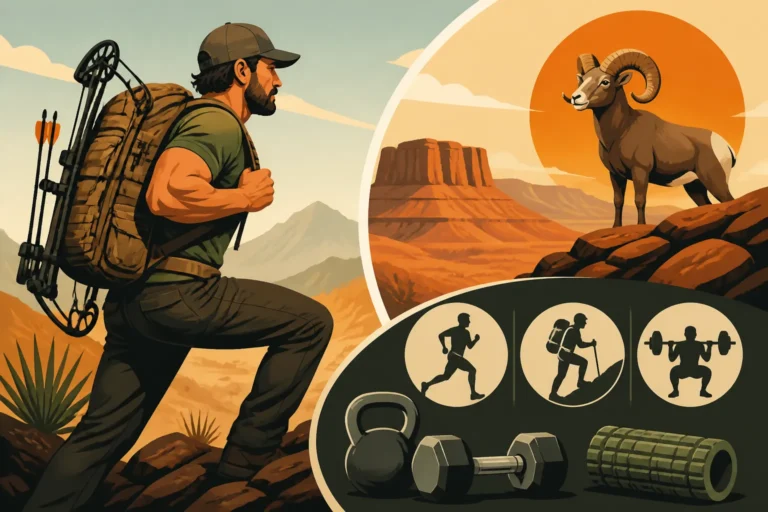
While not directly a gear item, your physical conditioning is arguably the most crucial "gear" you can bring. A comprehensive gear list from your outfitter assumes you are in adequate physical shape to handle the demands of the hunt. New Mexico's terrain, especially in units like the Gila, can be incredibly rugged, with steep climbs, high altitudes, and long distances.
If your hunt involves significant hiking, pack a training regimen into your preparation. Focus on cardio, strength training, and hiking with a weighted pack. This will make carrying your gear, climbing mountains, and packing out an animal significantly easier. It also makes the hunt more enjoyable and less about just surviving. For hunts at elevation, actively prepare for the thin air. Physical Conditioning for a Gila Hunt and Preparing Physically for a High Elevation Hunt are excellent resources to help you build the necessary stamina and resilience. Even for less physically demanding hunts, being in good shape will enhance your experience and reduce fatigue, allowing you to stay focused and alert when the moment of truth arrives.
Disclaimer
This article is for general informational purposes only and does not constitute professional advice. Laws, prices and regulations vary by location and change over time. Consult a qualified professional for guidance on your specific situation.