New Mexico Valle Vidal Access Rules
Oh, the Valle Vidal! Just the name conjures images of vast, rolling meadows, towering peaks, and some of the most sought-after elk hunting in the West. But let's be real, trying to figure out how to actually get into this pristine area, especially for hunting, can feel like you're trying to crack a secret code. The rules are specific, they're strict, and they're designed to protect this incredible resource, which means they can definitely throw a wrench into your planning. This guide is here to untangle those complexities, explaining exactly what you need to know about New Mexico's Valle Vidal access rules so you can stop guessing and start preparing for a truly unforgettable experience.
Unveiling the Valle Vidal: New Mexico's Pristine Jewel
For many hunters and outdoor enthusiasts, the Valle Vidal is a legendary name, whispered with reverence and awe. It's not just another patch of public land; it's a unique and fiercely protected landscape that offers an experience unlike almost anywhere else. Understanding its nature is the first step in appreciating why its access rules are so particular.
A Unique Landscape and Its Conservation Legacy
Nestled within the Carson National Forest in northern New Mexico, the Valle Vidal, Spanish for "Valley of Life," lives up to its name. It's a breathtaking 100,000-acre tract of high-elevation grasslands, Ponderosa pine forests, and aspen groves, crisscrossed by clear mountain streams. The elevation ranges dramatically, contributing to its diverse ecosystems. This isn't your typical arid New Mexico landscape; it’s a verdant oasis, a mosaic of habitats supporting a rich array of wildlife.
What makes the Valle Vidal particularly special is its history and the conservation legacy behind it. This land was once part of the massive Vermejo Park Ranch and was eventually acquired by the federal government to be managed by the U.S. Forest Service. The primary goal of its management is to protect and enhance its wildlife habitat, particularly for its resident elk herd, while also providing unique recreational opportunities. This conservation-first approach dictates almost every rule you’ll encounter when trying to access the area. It’s a delicate balance, allowing us to experience its grandeur while ensuring it remains wild for generations to come. It’s a constant reminder that these special places require special care, and that often means strict regulations.
Why Hunters Dream of a Valle Vidal Tag
For hunters, the Valle Vidal isn't just picturesque; it's practically hallowed ground, especially for elk. It's renowned for its impressive bull elk, which thrive in its rich forage and relatively undisturbed environment. Drawing a tag for the Valle Vidal is often considered a once-in-a-lifetime opportunity, a true bucket-list hunt. The draw odds are notoriously long, reflecting the limited number of tags issued to maintain herd health and minimize hunting pressure.
But it’s more than just the potential for a trophy animal. Hunting in the Valle Vidal offers an unparalleled wilderness experience. You’re immersed in a vast, quiet landscape where the sounds of nature dominate. The area is managed to provide high-quality, low-impact hunting, which means fewer hunters in the field and a more serene, challenging experience. Whether you’re chasing elk, which are the main draw, or the smaller number of mule deer tags available, the sheer majesty of the surroundings elevates the entire hunt. It’s about the journey, the challenge, and being present in one of New Mexico's truly wild places. Many hunters meticulously research and apply for years, hoping to just get one chance to step foot into this iconic hunting area.
Navigating the Specific Access Rules for Hunters
Hunting in the Valle Vidal is not like hunting in many other public land units. It's a highly regulated experience designed to maintain the integrity of the ecosystem and ensure a quality hunt. If you're lucky enough to draw a tag, understanding these specific access rules is paramount.
Understanding Limited Entry and Permit Requirements
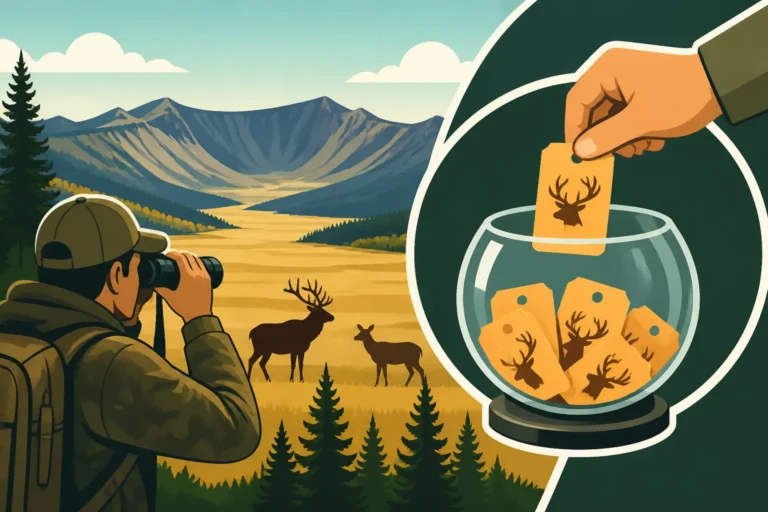
The most significant access rule for the Valle Vidal is its limited entry system. Unlike many general season units where you can purchase an over-the-counter tag, all big game hunts in the Valle Vidal are part of the New Mexico Game and Fish public draw. This means you must apply for a specific hunt code, and if you're successful, you'll receive a limited-entry permit. This system is in place to control hunter numbers strictly, reducing pressure on the wildlife and maintaining a high-quality experience.
Once you draw a tag, your permit serves as your primary authorization to enter and hunt the Valle Vidal during your designated season. There are often additional steps or specific check-in procedures unique to the Valle Vidal that successful applicants will be informed of. This might include mandatory orientation meetings or specific entry points and times. It's critical to read every piece of information provided by the New Mexico Department of Game and Fish and the U.S. Forest Service related to your specific hunt. Think of it less as a general tag and more as an exclusive invitation with a detailed itinerary. Understanding New Mexico Hunt Codes and How to Read Them is always important, but nowhere more so than when dealing with such specialized hunts.
Restricted Seasons and Hunt Opportunities
The Valle Vidal’s hunting seasons are tightly controlled and distinct from general statewide seasons. You won't find year-round opportunities here; instead, specific, short windows are designated for various species, primarily elk. These seasons are carefully timed to coincide with optimal hunting conditions while minimizing disturbance to wildlife, especially during sensitive periods like calving.
For elk, there are typically archery, muzzleloader, and often a limited number of "any legal weapon" hunts. Each of these hunts will have very specific dates, often only a few days long, emphasizing intense, focused effort. Mule deer opportunities are even scarcer. The exact dates and hunt codes change annually, so consulting the current New Mexico Hunting Rules & Information booklet is non-negotiable. Furthermore, access might be limited to specific portions of the Valle Vidal depending on the hunt type or time of year. This tiered approach to seasons and weapon types helps distribute pressure and offers diverse challenges to hunters. Being successful in the draw means aligning your application strategy with these limited windows.
Vehicle and Foot Traffic Regulations
Once you've secured that coveted tag, how you actually move through the Valle Vidal is another set of critical rules to master. Vehicle access is highly restricted. Don't expect to drive your truck wherever you please. There are designated main roads, and travel on most interior two-track roads, and certainly off-road, is prohibited. These rules are rigorously enforced to prevent habitat degradation, minimize disturbance to wildlife, and preserve the wilderness feel of the area. Often, certain gates are locked, and you might only be allowed vehicle access to specific parking areas or trailheads, requiring you to continue on foot.
This means a significant portion of your hunt will involve foot travel. Be prepared for extensive hiking across varied terrain and elevations. If you plan to retrieve an animal, understand the specific regulations for game retrieval, which might involve special permits or designated access points for ATVs or UTVs, if allowed at all. Planning your retrieval strategy before the hunt is essential. This rugged approach aligns with the management philosophy of the Valle Vidal, promoting a true backcountry hunting experience. Tools like onX Hunt become invaluable here, allowing you to clearly see open roads, closed roads, and land ownership boundaries so you don't inadvertently break a rule. Always check for Motorized Travel Rules on New Mexico Public Land specific to the Valle Vidal, as they can be stricter than other areas.
| Access Type | General Rule | Hunter-Specific Nuance |
|---|---|---|
| Entry | Limited, controlled access points. | Requires a drawn hunt permit. Specific check-in procedures may apply. |
| Vehicle | Restricted to designated main roads. No off-roading. | May be limited to specific parking areas or trailheads. Retrieval rules are very strict. |
| Foot Traffic | Generally allowed beyond vehicle access points. | Be prepared for extensive hiking. Respect private inholdings and closed areas. |
| Camping | Designated campgrounds only. | Check if primitive camping is allowed only during your hunt, and only in specific zones. |
| Scouting | Limited prior access, often seasonal. | Restricted to day use only during allowed periods. No weapons or hunting gear. |
Beyond the Hunt: General Access and Recreational Use
While hunting is a major draw, the Valle Vidal also offers other recreational opportunities, albeit with similar levels of strict control. Understanding the general access rules for non-hunting activities is important, as they often apply to hunters outside of their designated hunting season.
Designated Camping and Day-Use Areas
For those looking to enjoy the Valle Vidal for activities other than hunting, or hunters wanting to camp near their unit, designated camping is the norm. Primitive camping, while often part of the backcountry experience in other national forests, is highly restricted or entirely prohibited in many parts of the Valle Vidal. Instead, you'll find established campgrounds, typically with amenities like vault toilets and picnic tables. These areas are managed to concentrate human impact, leaving the vast majority of the landscape undisturbed.
Day-use areas are also designated, providing spots for picnics, wildlife viewing, and accessing trailheads. The rules here are clear: pack it in, pack it out. Leave no trace principles are paramount. Fires are generally restricted to developed fire rings within designated campgrounds, and seasonal fire bans are common, especially during dry periods. Always check the current conditions and restrictions before heading out. This careful management ensures that even visitors not actively hunting are contributing to the preservation of this unique environment.
Seasonal Closures and Area Restrictions
The Valle Vidal, like many high-elevation areas, is subject to significant seasonal closures. This is a critical factor for anyone planning a visit, hunter or otherwise. Typically, the area is closed to all public access during the winter months, from roughly January 1st to late May or early June. This closure protects critical winter range for elk and other wildlife, allowing them to conserve energy without human disturbance during the harshest part of the year. It also helps preserve the integrity of the roads and trails, which can be severely damaged by traffic during wet, muddy conditions or when covered in snow.
Even during open seasons, specific areas within the Valle Vidal might be temporarily or permanently closed to protect sensitive habitats, active wildlife breeding grounds, or for administrative purposes. Always consult the U.S. Forest Service – Carson National Forest website or local ranger stations for the most up-to-date information on current access, road conditions, and any special restrictions. Failing to do so could result in a wasted trip or, worse, a citation. These closures are not arbitrary; they are carefully planned to protect the very resource that draws us all there. Checking for Seasonal Road Closures Across New Mexico is an ongoing responsibility for any hunter.
Special Considerations for the Environment
The Valle Vidal's pristine nature requires a heightened level of environmental awareness from all visitors. This isn't just about following rules; it's about adopting an ethos of stewardship. One crucial aspect is water sources. While beautiful, streams and springs are vital for wildlife and must not be contaminated. Proper disposal of human waste, avoiding the use of soaps or detergents directly in water bodies, and preventing erosion near riparian areas are all critical.
Wildlife viewing is encouraged, but always maintain a respectful distance. Never approach or feed wild animals. The vast meadows of the Valle Vidal are home to grazing elk, deer, and even bison, along with numerous bird species. Disturbing them can negatively impact their behavior and health. Additionally, invasive species are a constant threat. Ensure your vehicles and gear, especially boots, are clean of any foreign seeds or plant matter before entering the area. This commitment to careful interaction ensures that the Valle Vidal remains "The Valley of Life" for all its inhabitants, human and animal.
Essential Planning for Your Valle Vidal Adventure
Drawing a Valle Vidal tag is a huge accomplishment, but it's only the first step. The real work begins in planning your trip to maximize your chances of success and ensure a safe, ethical, and unforgettable experience.
Utilizing Digital Tools for Navigation and Information
Modern technology has revolutionized how we scout and navigate public lands, and the Valle Vidal is no exception. While traditional paper maps are still a must, digital mapping applications like onX Hunt are indispensable for understanding the complex access rules and terrain. These apps allow you to download offline maps, showing you detailed topographic information, land ownership boundaries, designated roads (and their status), and often specific Valle Vidal hunting zones or restrictions. This is crucial for staying within legal boundaries and avoiding closed areas.
Beyond mapping, websites like GoHunt offer invaluable information, including draw odds, harvest reports, and in-depth unit analyses that can help you understand elk movement patterns and preferred habitats within the Valle Vidal. E-scouting becomes your best friend, allowing you to virtually explore the terrain, identify potential bedding areas, feeding grounds, and water sources long before you ever set foot on the ground. When you're dealing with limited time and specific access points, having this detailed intelligence is a game-changer. Remember, even with these tools, cross-referencing information with official U.S. Forest Service and New Mexico Game and Fish publications is always the smartest move. This also ties into how important it is to be familiar with E-Scouting a New Mexico Unit Before the Season.
Physical Preparation and Wilderness Readiness
The Valle Vidal, with its significant elevation changes and vast landscapes, demands a high level of physical fitness and wilderness readiness. Even if you're not planning a multi-day backcountry pack hunt, you'll likely be covering many miles on foot, often at elevations that can test your endurance. Preparing your body well in advance is crucial for success and safety. This means a consistent cardio routine, strength training focused on your legs and core, and hiking with a weighted pack to simulate hunting conditions.
Beyond physical conditioning, you must be prepared for variable mountain weather. Early season hunts can see warm days, but evenings are cool, and sudden afternoon thunderstorms are common. Later seasons can bring freezing temperatures, snow, and challenging conditions. Layered clothing, quality rain gear, and appropriate footwear are essential. Given the remoteness, carrying a comprehensive first-aid kit, emergency shelter, and reliable communication devices (like a satellite messenger, as cell service will be non-existent in many areas) is not just smart, it's mandatory. Understanding concepts like Altitude Preparation for a Gila Elk Hunt, while specific to the Gila, applies just as much to the high country of the Valle Vidal. Being self-sufficient and knowing basic wilderness survival skills can make all the difference in a remote environment like this.
Respecting the Resource: Ethics and Best Practices
A Valle Vidal hunt is a privilege, and with that privilege comes a profound responsibility to uphold the highest ethical standards. This means more than just following the letter of the law; it's about respecting the land, the wildlife, and fellow hunters. Pack out absolutely everything you pack in, including spent shell casings and all trash. Avoid disturbing other hunters, and be mindful of noise, especially during sensitive periods like the elk rut.
When an animal is harvested, ensure you handle the meat properly and promptly, especially in warmer temperatures. Knowing how to field dress efficiently and cool meat quickly is crucial for ethical meat salvage. Additionally, be a steward of the landscape. Report any violations you witness to the authorities, and educate others on proper wilderness etiquette. The future of special places like the Valle Vidal depends on every visitor acting as a responsible conservationist. This commitment to ethical hunting and Leave No Trace principles ensures that this magnificent "Valley of Life" remains wild and vibrant for generations of hunters and nature lovers to come.
Disclaimer
This article is for general informational purposes only and does not constitute professional advice. Laws, prices and regulations vary by location and change over time. Consult a qualified professional for guidance on your specific situation.