How Valles Caldera Hunts Are Drawn
Oh, the Valles Caldera – that incredible, sprawling landscape in northern New Mexico that captures the imagination of every hunter who dreams of chasing elk in a truly special place. It’s an amazing piece of land, but trying to figure out how to actually hunt there can feel like cracking a secret code. So many folks get frustrated with the general New Mexico draw, only to find the Valles Caldera adds another layer of complexity. This guide is here to untangle that process, explaining exactly how Valles Caldera hunts are drawn and what you need to know to even have a shot at one of these coveted tags.
Understanding the Unique Nature of Valles Caldera Hunts
Before we dive into the nitty-gritty of applications, it’s crucial to understand that Valles Caldera National Preserve isn't just another parcel of public land. It operates under a unique management philosophy, blending conservation, recreation, and sustainable use, which profoundly impacts how hunting opportunities are structured. This isn't your typical national forest free-for-all; it's a meticulously managed ecosystem where hunting plays a specific, controlled role.
A Brief History and Purpose of the Preserve
The Valles Caldera is a magnificent 89,000-acre collapsed volcano, a geological wonder now managed as a national preserve. For many years, it was a private ranch, largely inaccessible to the public. When it transitioned to public ownership, the goal was to protect its unique ecological and cultural resources while allowing for various forms of public enjoyment, including hunting. This history shapes its current management, which prioritizes the health of the ecosystem and wildlife populations above sheer harvest numbers. It's a place where the grandeur of nature truly shines, and managing it responsibly is paramount. Unlike the vastness of the Gila National Forest where elk populations are managed across huge areas, the Valles Caldera is a contained system with specific objectives for its resident herds.
The preserve's management aims to maintain a healthy balance between elk, their habitat, and other species. This often means very controlled hunting pressure, ensuring that harvest aligns with scientific population goals rather than just maximizing opportunity. Hunters here aren't just pursuing an animal; they're participating in a broader conservation effort. This context helps explain why the application process is so specific and why tags are so limited – it's about carefully stewarding a national treasure.
How Valles Caldera Differs from Other Public Lands
When you consider hunting in the Valles Caldera compared to, say, a vast Bureau of Land Management (BLM) stretch or another National Forest, the differences are immediately apparent. Most public lands operate under broader regulations set by the New Mexico Department of Game and Fish (NMDGF), with fairly consistent access rules. The Valles Caldera, however, has its own set of rules and protocols that supplement, and sometimes supersede, state regulations, reflecting its preserve status. This means simply having a New Mexico hunting license isn't enough; you also need to secure a specific Valles Caldera hunt permit.
For example, access points and motorized vehicle use within the preserve are often much more restricted than on other public lands. While you might be able to drive deep into a national forest on designated roads, the Valles Caldera often limits vehicle access to specific routes and requires special permits for entry beyond certain points, even for hunters. This controlled environment ensures minimal disturbance to the wildlife and the delicate ecosystem, but it also means hunters need to be prepared for a different kind of experience – one that often involves more hiking or using designated transportation. Understanding these distinctions is key to appreciating why the draw process is so unique. You can learn more about general access rules in Valles Caldera Preserve Hunts in New Mexico.
The Application Process for Valles Caldera Hunts
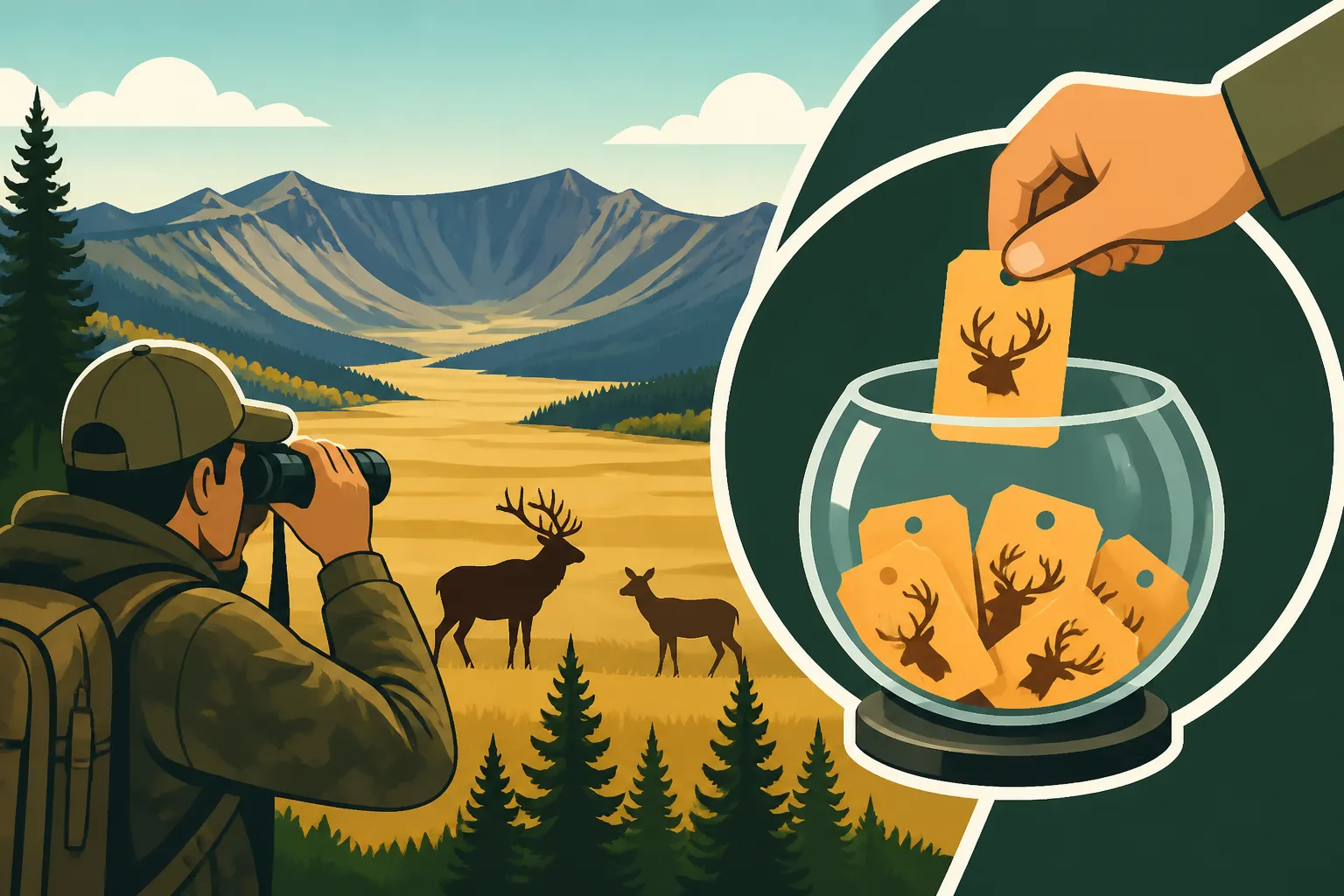
Alright, let's get down to brass tacks: how do you actually apply for one of these coveted Valles Caldera hunts? The most important thing to grasp upfront is that Valles Caldera hunts are integrated into the regular New Mexico big game draw system. This isn't a completely separate application; it's an option you select within the state's main draw. This can be a point of confusion for many, as it’s not always obvious that these special opportunities are tucked away inside the broader application.
Integrating with the New Mexico Big Game Draw
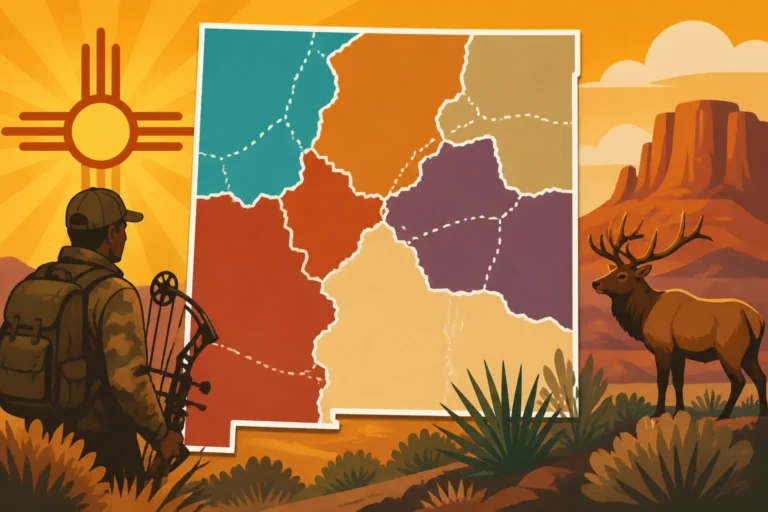
When you fill out your annual big game application through the NMDGF website, you'll choose your desired species, unit, and hunt dates. Among the various unit choices, you'll find specific hunt codes designated for Valles Caldera. These codes are usually distinct, often indicating "VC" or something similar, to signify they are for the preserve. It’s absolutely critical to pay close attention to these hunt codes, as they specify not only the unit but also the type of weapon and the dates of the hunt. Missing this detail can lead to applying for a hunt you didn't intend, or worse, completely missing the Valles Caldera opportunities. You can refer to Reading a New Mexico Hunt Code Before You Apply for tips on deciphering these codes.
The integration means you'll still go through the same overall NMDGF process: establishing an account, submitting your application choices, and having your card charged for the application fees. It’s not an "extra" application; it's a specific set of choices within the standard framework. However, the selection for Valles Caldera hunts is often extremely limited, with very few tags available compared to other units. This makes them highly sought after, and consequently, incredibly difficult to draw.
Specific Requirements and Deadlines
While the Valles Caldera hunts use the standard New Mexico big game draw system, there might be additional requirements or conditions specific to the preserve that you need to be aware of if you are successful. Always read the NMDGF rules and information booklet very carefully, paying special attention to any notes or stipulations attached to Valles Caldera hunt codes. These might include mandatory orientation meetings, specific entry procedures, or requirements for accompanying a ranger or guide on certain portions of your hunt.
The application deadline for these hunts is the same as the general New Mexico big game draw. This is typically in March each year, but remember to always verify the exact closing date and time. It's usually a firm deadline, and missing it means you're out of luck for the entire year. While I can't give specific dates, suffice to say that waiting until the last minute is always a gamble you don't want to take. Many a hopeful hunter has missed out because they underestimated the importance of applying early, or forgotten that The New Mexico Application Deadline Date is a fixed point in time. Setting up your Setting Up a New Mexico Online Account well in advance and double-checking all your selections is the best practice.
Navigating the Draw Odds and Strategy
Let's be blunt: drawing a Valles Caldera tag is tough. Like, really tough. The odds are often incredibly low because of the very limited number of permits issued. This isn't a state where preference points accumulate over time; every applicant, regardless of how many times they've applied before, theoretically starts with the same chance each year. This means a first-time applicant has the same statistical opportunity as someone who has been applying for a decade. Understanding this unique aspect of New Mexico's draw system is crucial for managing your expectations and formulating a strategy.
Factors Influencing Draw Success
The primary factor influencing your draw success for Valles Caldera hunts is simply the sheer number of applicants versus the minuscule number of tags. Because the preserve prioritizes ecosystem health and a unique visitor experience, the tag quotas are often set very low for conservation reasons. This isn't about population control in the same way a larger, more accessible unit might be; it's about carefully managing a pristine environment. Therefore, even minor changes in applicant numbers can drastically swing the odds.
Another factor, subtle but important, might be how you list your choices on your application. New Mexico allows you to select up to five hunt choices. While it’s rare for second or third choices to draw in highly popular hunts like those in the Valles Caldera, it's still part of the algorithm. Your first choice is always considered first, and if you're not successful, the system moves to your second, and so on. For Valles Caldera, most successful applicants will have drawn it as their first choice, underscoring the extreme demand for these limited opportunities. It's not like the draw system where New Mexico Draw Odds Do Not Improve With Time; rather, it's a purely random allocation within each pool. This is explained further in How New Mexico Draw Odds Work Without Points.
Tools and Resources for Planning
Even with low odds, planning and research are invaluable. While you can't improve your odds in the traditional sense, you can make informed decisions about which Valles Caldera hunts to apply for, if there are multiple options, or understand the overall landscape of the draw. This is where tools like mapping software and draw odds resources come into play.
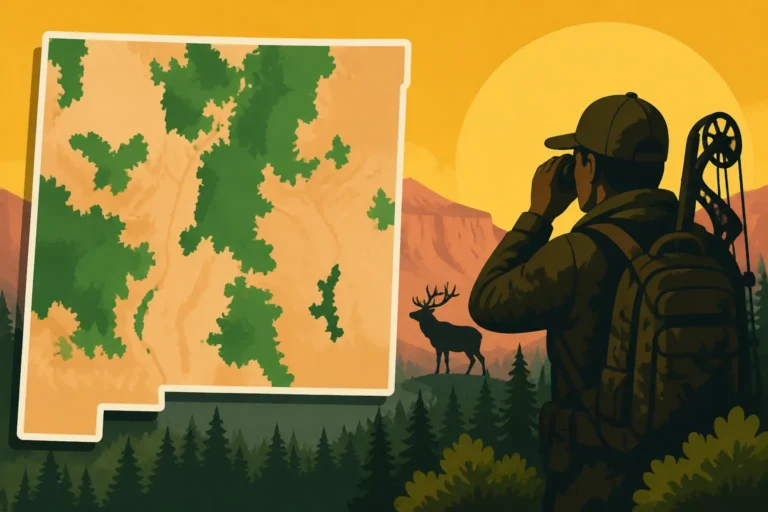
Many hunters rely on digital mapping platforms such as onX Hunt to understand the terrain, access points, and boundaries of the Valles Caldera. Even if you're not physically scouting, e-scouting can give you a better feel for the preserve's layout, where elk might be found, and what the logistical challenges of a successful hunt might entail. Understanding the topography and potential travel routes can help you assess if a particular hunt, if drawn, aligns with your physical capabilities and hunting style. This kind of E-Scouting a New Mexico Unit Before the Season is critical for any serious applicant.
Furthermore, resources like GoHunt provide statistics and analysis of past draw results, offering insights into applicant numbers and success rates for specific hunts, including those within the Valles Caldera. While past odds don't guarantee future results, they are the best available data for making an educated guess about which hunts might be slightly less competitive (if such a thing even exists for Valles Caldera!). These platforms compile historical data, allowing you to sift through the numbers and get a clearer picture of what you're up against. This information can be vital when you are Reading New Mexico Hunt Draw Statistics.
What Happens After the Draw
The waiting period after submitting your application can feel agonizing, especially when you've applied for a dream hunt like the Valles Caldera. Once the draw results are announced, it's a mix of anticipation, excitement, or sometimes, profound disappointment. Knowing what to expect, whether you draw or not, helps you navigate this critical phase.
Notification and Tag Acquisition
If you are one of the incredibly fortunate few to draw a Valles Caldera tag, you'll typically receive an email notification from the NMDGF. This email will direct you to log into your online account where you can view your results and proceed with purchasing your license and tag. It's a moment of pure exhilaration! Remember, drawing the permit is only half the battle; you still need to complete the purchase process. This usually involves paying the remaining tag fees, as only the application fee is charged upfront. Missing this payment deadline can result in your hard-won tag being forfeited, so pay close attention to all instructions and dates provided. The fees can be substantial, especially for non-residents, so be ready for Paying New Mexico Tag Fees After You Draw.
Upon successful payment, your tag will either be mailed to you or available for printing, depending on the current NMDGF procedures. It’s important to familiarize yourself with these delivery methods and ensure your mailing address is up-to-date in your NMDGF account. You'll also likely receive specific information or instructions directly from the Valles Caldera National Preserve regarding your hunt, including orientation details, access protocols, and any preserve-specific rules.
Preparing for a Successful Hunt
Once that precious Valles Caldera tag is in hand, the real preparation begins. Because these hunts are so special and often take place in more remote or regulated areas of the preserve, your pre-hunt planning will be crucial. This isn't just about sighting in your rifle or practicing with your bow; it's about understanding the unique conditions of the Valles Caldera itself. Many of these hunts might require significant hiking, potentially in high-elevation terrain, or navigating areas with limited vehicle access.
Physical conditioning is paramount. The Valles Caldera can be steep and challenging, and a successful hunt will demand stamina and endurance. Beyond physical readiness, thoroughly review all materials provided by both NMDGF and the preserve. Understand the boundaries of your hunt unit, which can be particularly complex when dealing with a national preserve. Using your onX Hunt maps or other detailed topographic maps to study the specific terrain and identify potential elk habitat within your designated hunting area is a smart move. Pay attention to water sources and natural pinch points that might funnel animals. Because of the special nature of these hunts, some may even require a ranger to accompany you for portions, which is another layer of planning you'll need to account for.
| Feature | General New Mexico Elk Hunt Draw | Valles Caldera Elk Hunt Draw (Integrated) |
|---|---|---|
| Administering Body | New Mexico Department of Game and Fish (NMDGF) | NMDGF in coordination with Valles Caldera National Preserve |
| Hunt Philosophy | Broad species management, public opportunity, harvest objectives | Ecosystem health, limited impact, unique experience |
| Tag Quotas | Varies widely by unit, generally higher for population control | Extremely limited, precise for preserve's specific goals |
| Odds of Drawing | Range from low to moderate, depending on unit and species | Consistently very low due to limited tags |
| Pre-hunt Access | Generally open public land, rules vary by agency | Restricted, often requires specific preserve entry permits |
| Post-Draw Experience | Mostly self-guided, few additional requirements | May include mandatory orientations, ranger accompaniment, specific entry/exit protocols |
| Required Reading | NMDGF Rules & Information Booklet | NMDGF Booklet plus Valles Caldera specific hunt instructions |
This meticulous preparation ensures that when you do step foot in the Valles Caldera, you’re ready to make the most of an extraordinary opportunity. Don't underestimate the challenge, but embrace the privilege of hunting in such a remarkable place. Good luck in the draw!
Disclaimer
This article is for general informational purposes only and does not constitute professional advice. Laws, prices and regulations vary by location and change over time. Consult a qualified professional for guidance on your specific situation.