Mobility Impaired Hunt Codes in New Mexico
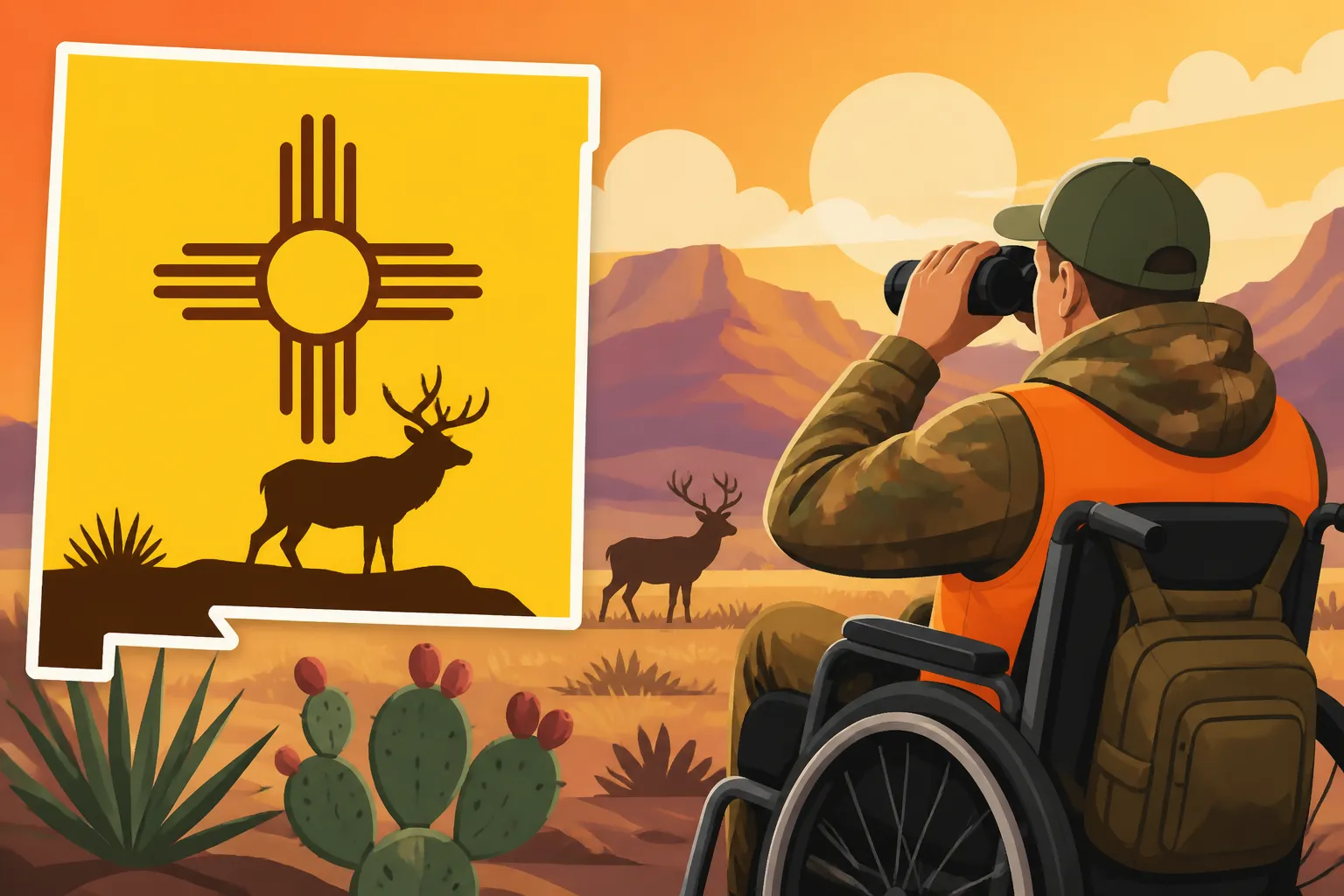
It's incredibly frustrating when a physical challenge or disability seems to shut the door on experiences you once cherished, especially something as deeply rewarding as hunting. For many, navigating rugged terrain or even getting to a remote trailhead becomes a significant, if not impossible, hurdle. Thankfully, New Mexico understands these barriers and has put specific mobility-impaired hunt codes in place to ensure that the joy and tradition of hunting remain accessible to everyone, offering tailored opportunities designed to accommodate various needs. This guide aims to shed light on these vital hunt codes, helping you understand eligibility, application procedures, and what to expect when planning your next New Mexico adventure.
Understanding New Mexico's Mobility-Impaired Hunt Codes
New Mexico isn't just about vast landscapes and incredible wildlife; it's also about inclusivity. The state recognizes that a disability shouldn't automatically disqualify someone from participating in its rich hunting heritage. That's why the New Mexico Department of Game and Fish (NMDGF) has developed a system of special hunt codes specifically for mobility-impaired hunters. These aren't just a token gesture; they are thoughtfully crafted opportunities designed to remove common obstacles and create a more equitable hunting experience.
Who Qualifies for a Mobility-Impaired Hunt
The first and often most critical question for many hunters is, "Do I even qualify?" It’s important to understand that "mobility impaired" isn't a vague term; it has specific definitions within the NMDGF regulations. Generally, qualifications revolve around a substantial, permanent impairment that significantly limits a person's ability to walk, use their limbs, or navigate typical hunting terrain without assistance or specialized equipment. This isn't about temporary injuries or mild discomfort; it's about significant, lasting challenges.
To be eligible, an individual typically needs to provide certification from a licensed physician outlining the nature and permanence of their impairment. Common qualifying conditions often include, but are not limited to, paralysis, amputation of a lower extremity, severe neurological conditions affecting mobility, or conditions requiring the consistent use of a wheelchair, crutches, or prosthetic devices for ambulation. The NMDGF reviews each application carefully, so it’s crucial that your medical documentation is thorough and clearly states how your condition impacts your ability to perform typical hunting movements. Don't assume anything; make sure your doctor's letter is explicit.
It’s worth noting that the exact definition can sometimes be refined in the annual proclamation, so always check the most current New Mexico Hunting Rules & Info booklet. Staying up-to-date ensures you meet the latest requirements.
| Common Qualifying Conditions for Mobility-Impaired Hunts |
|---|
| Permanent paralysis of one or both lower extremities |
| Amputation of a lower extremity |
| Significant and permanent loss of use of a lower extremity |
| Diagnosed neurological condition requiring assistive device (e.g., wheelchair, crutches) |
| Severe arthritic condition severely limiting ambulation |
| Permanent pulmonary or cardiac condition requiring supplemental oxygen or significantly impairing exertion |
How These Hunt Codes Differ from General Hunts
What truly sets mobility-impaired hunt codes apart from general public hunts is the suite of special provisions designed to facilitate a successful and enjoyable experience. These aren't just about getting a tag; they're about thoughtful accommodations. For instance, many mobility-impaired hunts may have extended season dates, lower hunter densities, or be specifically allocated to units or areas known for more accessible terrain. You won't find yourself competing with thousands of hunters in the general draw for these tags, nor will you necessarily be dropped into the most rugged, inaccessible wilderness areas.
One of the most significant differences often relates to vehicle use. While general regulations strictly limit motorized travel on public lands, mobility-impaired hunts frequently include allowances for special vehicle access, often beyond designated roads, to assist hunters in reaching suitable hunting locations or retrieving game. This can be a game-changer for those who simply cannot hike miles into the backcountry. The rules around these permits for Rules on Hunting From a Vehicle are crucial to understand, as they are strictly enforced to prevent misuse.
Furthermore, the draw odds for these specialized hunts can sometimes be more favorable than the notoriously tough general draws. Because the applicant pool is smaller and specific criteria must be met, your chances of drawing a tag might actually be higher. This provides a genuine opportunity rather than just a slim hope. However, it’s not a guaranteed tag, so research with resources like GoHunt to understand historical draw success rates for these specific codes.
The Application Process for Mobility-Impaired Tags
Applying for a mobility-impaired tag in New Mexico follows a similar structure to the general draw but with a crucial additional step: proving your eligibility. First and foremost, you'll need to ensure your mobility-impaired certification is on file and approved with the NMDGF. This usually involves submitting the required medical documentation well in advance of the application period. Don't wait until the last minute, as processing can take time. Once approved, your NMDGF account will reflect your eligibility, allowing you to apply for the specific mobility-impaired hunt codes.
When the application period opens, you'll navigate the NMDGF online licensing system, just like any other hunter. The key difference will be the appearance of hunt codes specifically designated for mobility-impaired individuals. These codes will often have "MI" or similar indicators in their description, clearly distinguishing them from general population hunts. You’ll still need to buy the general Game Hunting License and any Habitat Management & Access Validation (HMAV) or Habitat Stamp, as these are foundational requirements for all hunters. Familiarizing yourself with The New Mexico Application Deadline Date is critical, as missing it means missing out entirely.
It's also important to pay close attention when selecting your hunt choices. Just because you qualify as mobility-impaired doesn't mean every hunt code is identical. Some might be for specific units, different species, or have unique stipulations. Always consult the current year's proclamation or use a tool like GoHunt's filter system to sort through the available options effectively. Just as with the general draw, your application fees are typically non-refundable, so careful selection is paramount. When the results are posted, you'll find out if your application was successful, and then it’s time to start planning the logistics of your hunt. You can typically find Where New Mexico Posts Draw Results online.
Species and Units Available for Mobility-Impaired Hunters
New Mexico is celebrated for its diverse big game opportunities, and the NMDGF strives to extend these experiences to mobility-impaired hunters whenever possible. While not every unit or species will have a dedicated mobility-impaired hunt, there's a strong effort to provide meaningful chances across popular game animals. This ensures that the program isn't just about access, but about quality hunting.
Common Big Game Species Offered
While the specific hunts can vary year by year based on game populations and management goals, several big game species are consistently featured in the mobility-impaired draw. Elk and deer are often at the top of the list, being highly sought-after animals in New Mexico. You might find dedicated mobility-impaired hunts for specific antlerless elk, general elk, mule deer, or even Coues deer in the southern units. These hunts often target units with strong populations and reasonable access.
For example, there might be specific New Mexico Elk Season Structure by Unit codes that are designed for mobility-impaired hunters, offering specific dates and locations that consider easier access. Similarly, opportunities for Mule Deer Across Northern New Mexico or southern desert mule deer might be available, often in units with a mix of accessible roads and good deer concentrations. Other species like pronghorn, where spotting and stalking on relatively open terrain is common, may also have specialized hunts.
It's less common to see mobility-impaired hunts for species requiring extreme physical exertion or highly specialized tactics, such as bighorn sheep or ibex in the rugged Florida Mountains. However, for the major big game species, the NMDGF makes a concerted effort to provide viable options. Always check the current year's game proclamation thoroughly to see the full list of available hunts and associated species.
Accessible Units and Terrain Considerations
The designation of specific units for mobility-impaired hunts is a critical component of the program. These units are often selected because they offer a combination of good game populations and terrain that is more conducive to limited mobility. This doesn't necessarily mean flat, open fields everywhere, but it generally implies a better network of roads, less extreme elevation changes, or areas where off-road vehicle permits can genuinely make a difference.
Units with extensive public land access and established road systems, particularly those managed by the Bureau of Land Management (BLM) or national forests with maintained routes, are often prime candidates. The intent is to place hunters in areas where they can physically access hunting grounds without undue hardship, allowing them to focus on the hunt itself rather than struggling with impassable terrain. Keep in mind, "accessible" in New Mexico often still means rugged by many standards, so proper scouting and preparation remain essential. Using mapping tools like onX layers can help you identify potential access points and terrain features that might work best for your specific needs, even in designated accessible units.
When you're studying the hunt codes, look for details about the unit boundaries and available access points. Some hunts might be specifically tailored to areas within a larger unit that are known for better accessibility. It's not uncommon for these hunts to be managed closely to ensure a quality experience for the participants.
Draw Odds and Tag Availability
As mentioned earlier, the draw odds for mobility-impaired hunts can sometimes offer a ray of hope compared to the general public draw. Since the pool of eligible applicants is smaller, the competition for each tag is typically less intense. This doesn't mean it's a guaranteed tag every year, but it certainly increases your statistical chances. GoHunt provides excellent resources for checking historical draw odds, allowing you to make informed decisions about your first, second, and third choices.
The NMDGF allocates a specific number of tags for each mobility-impaired hunt code. This number is carefully determined based on game populations, management objectives, and the capacity of the unit to support the hunt. While the total number of tags might be lower than for general hunts, the reduced applicant pool often balances this out. It’s always a good strategy to research success rates and draw odds from previous years, if available, to gauge your chances.
Remember that demand for these special tags can still be high, especially for popular species like elk in prime units. It’s wise to diversify your choices if possible, listing a few different options to maximize your chances of drawing a tag. And as with any New Mexico draw, consistency in applying each year is often the key to eventual success, even without a preference point system like some other states. New Mexico operates on a lottery system, meaning every eligible applicant has an equal chance each year, whether it's their first time applying or their tenth.
Navigating the Hunt: Special Provisions and Resources
Drawing a mobility-impaired tag is just the first step. The real adventure begins with preparing for and executing the hunt. Fortunately, New Mexico's program comes with certain provisions and a wealth of resources to help make your hunting experience as smooth and successful as possible. It's about empowering hunters, not just giving them a piece of paper.
Vehicle Use and Access Rules
One of the most significant advantages for mobility-impaired hunters is the potential for expanded vehicle use. While the general rule for most public lands strictly adheres to "established roads only," many mobility-impaired hunts allow for special permits that grant access beyond these restrictions. This means you might be able to use an ATV, UTV, or even a full-size vehicle to get closer to your hunting spot, or more critically, to retrieve a downed animal. This provision is vital because dragging an elk or a large mule deer often presents an insurmountable challenge for someone with limited mobility.
However, these special vehicle access permits are not a free-for-all. They come with strict guidelines and often require specific permitting from the NMDGF. You must understand the specific rules associated with your tag and permit, including designated areas, types of vehicles allowed, and any environmental restrictions. Abusing these privileges can jeopardize the program for everyone, so adherence is paramount. Always carry your special permit with you, along with your hunting license and tag. Being familiar with the general Rules on Hunting From a Vehicle will give you a good baseline understanding, but remember your specific mobility-impaired permit overrides some of the usual limitations.
It's also crucial to plan your routes meticulously. Even with special access, terrain can be unpredictable. Pre-scouting with satellite imagery and mapping apps like those from GoHunt or onX can help identify the most favorable paths and avoid potential bottlenecks or hazardous areas for your vehicle.
Essential Gear and Planning for Accessibility
Beyond the typical hunting gear, mobility-impaired hunters need to give extra thought to equipment that enhances accessibility and comfort. This might include specialized shooting rests or bipods that accommodate a seated position, adaptive hunting blinds that are wheelchair accessible, or even portable ramps for entry into vehicles or elevated positions. If you rely on a mobility device, ensure it's rugged enough for outdoor use and consider backup plans for charging batteries or managing breakdowns in remote areas.
Planning also extends to your hunting party. It's often highly recommended that mobility-impaired hunters bring along capable partners or mentors. Not only can they assist with tracking, field dressing, and game retrieval, but they can also provide invaluable safety support in an emergency. Ensure your companions are fully briefed on your specific needs, any medical conditions, and emergency protocols. Communication is key, so consider reliable two-way radios or satellite communication devices, especially in areas with no cell service.
Furthermore, proper physical conditioning, even for limited mobility, can make a difference. Work with your healthcare provider to understand your limits and prepare your body as much as possible for the demands of the hunt, even if it's primarily from a vehicle or blind. Dressing in appropriate layers for New Mexico's often extreme temperature swings and carrying ample water and emergency supplies are just as crucial for mobility-impaired hunters as for any other. Don't forget to ensure you meet all Blaze Orange Requirements Through the Season if applicable to your hunt.
Support Services and Community Resources
New Mexico has a vibrant hunting community, and many organizations are dedicated to supporting hunters with disabilities. Groups like the New Mexico Wildlife Federation, local chapters of Safari Club International, or specific veterans' groups often run programs, host events, or connect mobility-impaired hunters with resources and volunteers. These organizations can be invaluable for finding mentors, locating accessible private land opportunities (if available), or simply connecting with others who share similar experiences.
It's also worth reaching out to the NMDGF directly. While they manage the regulations and draws, they can sometimes provide information on specific access points, adaptive programs, or direct you to local conservation officers who might have insights into unit-specific conditions. Don't underestimate the power of networking and asking for help; the hunting community is generally very supportive.
Finally, ensuring you've completed The New Mexico Hunter Education Requirement (unless exempt) is a foundational step, as is understanding New Mexico Legal Shooting Hours for Big Game. Being a responsible and ethical hunter is important for everyone, and these foundational elements apply equally to mobility-impaired hunters. The goal is to provide a fulfilling, safe, and ethical hunting experience that respects both the hunter and the wildlife.
Disclaimer
Please note that hunting regulations, fees, and season dates are subject to change. Always consult the official New Mexico Department of Game and Fish (NMDGF) website and the current year's hunting proclamation for the most accurate and up-to-date information before planning any hunt. This guide is for informational purposes only and does not supersede official NMDGF regulations.