Corner Crossing Legality in New Mexico
Oh, the infamous "corner crossing" dilemma. If you've ever spent hours pouring over maps, dreaming of that big bull or buck on what looks like perfectly accessible public land, only to find it surrounded by a checkerboard of private property, you know the frustration. This isn't just a minor inconvenience; it can be a real headache, and frankly, a bit of a legal minefield. This guide is here to untangle the nuances of corner crossing in New Mexico, offering practical advice and clarifying what you absolutely need to know to stay on the right side of the law and avoid an unpleasant encounter in the field.
What Exactly is Corner Crossing in New Mexico?
Let's start by breaking down what we're actually talking about when we say "corner crossing." It's one of those terms that gets tossed around a lot in hunting circles, often with strong opinions on both sides, but without a clear, universally understood definition or legal precedent in many places.
Defining the "Checkerboard" Landscape
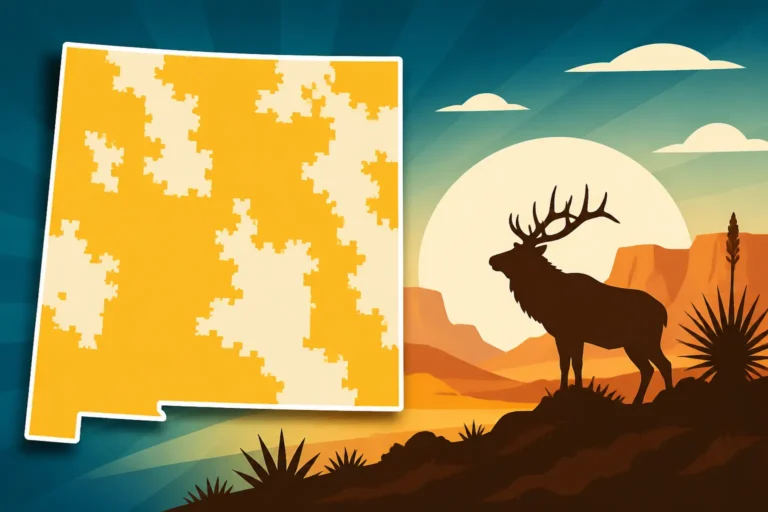
Imagine flying over a vast stretch of New Mexico landscape, perhaps in the eastern plains or the rolling hills leading up to the mountains. What you'd often see, especially on older land survey maps, is a pattern that looks remarkably like a checkerboard. This isn't an accident; it's a legacy of historical land grants, railroad development, and public land allocations from centuries past. Typically, you'll find square-mile sections of land, some owned by private entities (ranches, individuals, corporations) and others by the public (BLM, State Trust Land, National Forest).
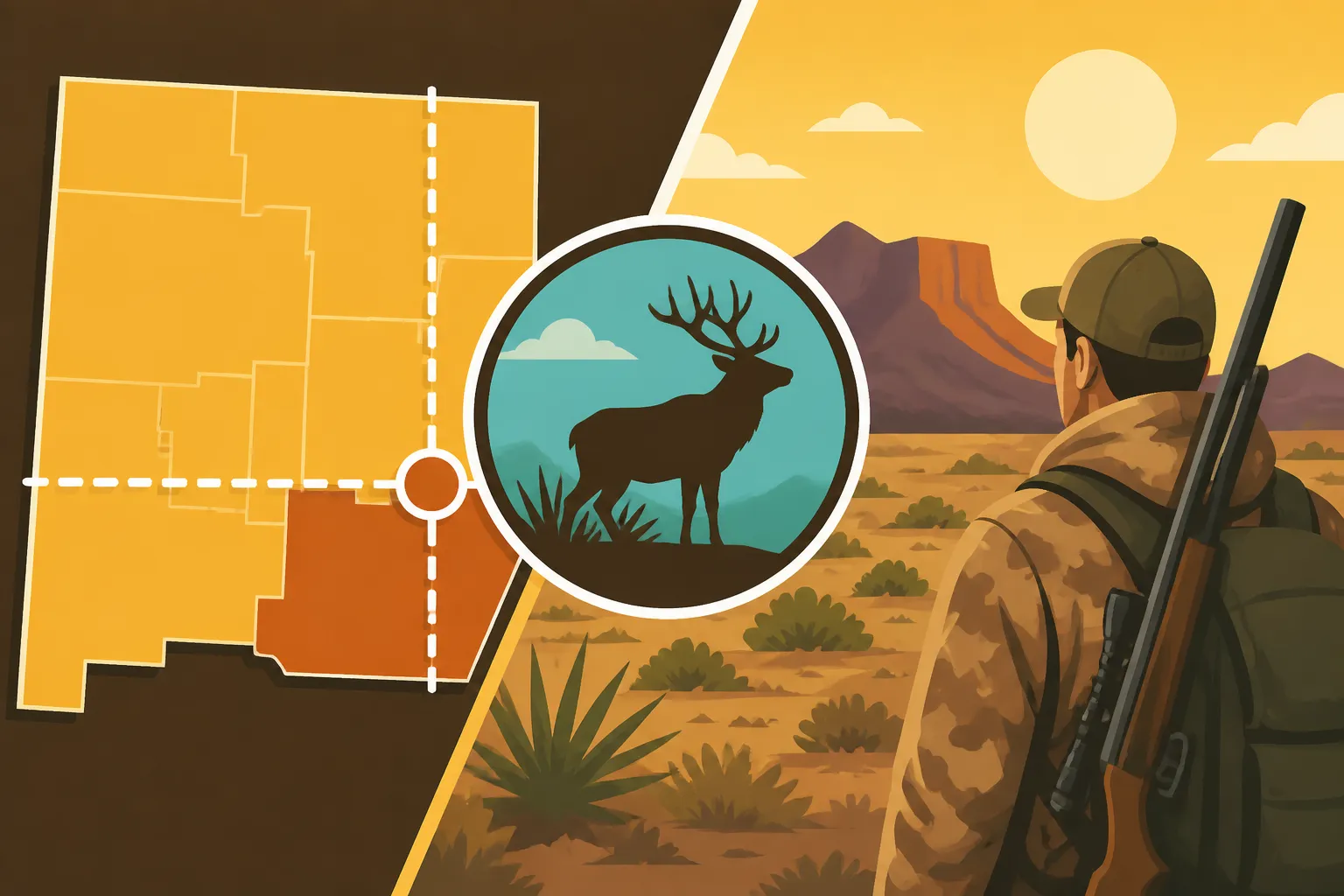
The problem arises when these square-mile sections meet at their corners. Picture four squares: top-left public, top-right private, bottom-left private, bottom-right public. Or perhaps it's public-private-private-public, or any other combination where two public land parcels only touch at a single point—a property corner—and are otherwise surrounded by private land. You can stand on one public parcel, look at another public parcel, but to get from one to the other without touching private ground, you'd theoretically need to step over that single corner point. This is the essence of the corner crossing dilemma. You're not crossing through private land; you're attempting to cross over a theoretical point where four property boundaries meet, and usually, the only way to do that on foot involves briefly traversing the air space directly above private ground.
The Core of the Legal Debate
The core of the legal debate boils down to whether that brief traverse of air space above a private corner constitutes trespass. It sounds almost absurd, right? You're not cutting fences, driving across fields, or even putting a boot print on someone's dirt. You're just trying to get from one piece of public ground to another. Yet, for many landowners, that airspace directly above their corner is part of their private property, and any intrusion, no matter how brief or seemingly innocuous, is considered trespass.
This isn't just a New Mexico specific issue; it's a national debate that has seen various interpretations and even court cases in other western states. The challenge in New Mexico is that there hasn't been a definitive state-level legal ruling or specific statute directly addressing corner crossing. This legal vacuum leaves hunters and landowners in a frustrating state of ambiguity, forcing everyone to tread carefully, or risk being the test case. Without clear guidance, it often comes down to individual landowner interpretation and enforcement, which can vary wildly from one ranch to the next.
New Mexico's Stance and the Lack of Clarity
Unlike some states where landmark court cases or specific legislation have offered some clarity, New Mexico remains largely in a grey area when it comes to the explicit legality of corner crossing. This can be incredibly frustrating for hunters who just want to understand the rules of the game.
No Specific State Law on Corner Crossing
Let's be blunt: New Mexico does not have a specific law on the books that explicitly permits or prohibits corner crossing. This is where a lot of the confusion and anxiety stems from. You won't find a line in the New Mexico Statutes Annotated that says, "It is lawful to step over the airspace of a private land corner to access public land," nor will you find one that explicitly outlaws it. This silence from the legislature means that the issue defaults to general principles of property law and trespass.
In other states, active legal battles have set precedents. For instance, recent high-profile cases have involved federal courts trying to define whether traversing the airspace above a corner without touching private ground constitutes trespass. These rulings, however, are often specific to the state and the facts of that particular case, meaning they don't automatically apply to New Mexico. This lack of specific guidance is a double-edged sword: it means there's no explicit prohibition, but also no explicit protection for hunters who choose to corner cross. It leaves you, the hunter, potentially vulnerable to a landowner's interpretation of their property rights.
General Trespass Laws Still Apply
Because there's no specific corner crossing law, any actions taken at property corners are subject to New Mexico's broader trespass laws. If a landowner believes you have trespassed, they have the right to contact law enforcement, and you could face citations or even criminal charges, depending on the specifics and severity of the alleged trespass.
New Mexico's trespass statutes generally define trespass as entering or remaining on private land without permission. The critical question then becomes: does passing through the air directly over a property corner constitute entering or remaining on that private land? Many landowners operate under the premise that their property rights extend upward indefinitely into the airspace above their land. Therefore, even if your boots never touch their soil, the mere presence of your body in the airspace above their corner could be perceived as trespass. This perspective is legally defensible in many contexts, making the act of corner crossing a significant gamble.
It's also important to remember that general trespass laws don't always require "intent" to trespass for an offense to occur. Simply being on or over private land without permission can be enough. This is why you'll often see "No Trespassing" signs posted with clear language. If you find yourself needing to cross private land to access public ground, remember that Crossing Private Ground to Reach Public Land always requires explicit permission. Even if it's just a corner, the risk remains.
Navigating Landlocked Public Land and Avoiding Conflict
Given the legal ambiguity surrounding corner crossing in New Mexico, the best approach for hunters is always one of caution and respect for private property rights. The goal is to access public land legally, enjoy your hunt, and avoid any confrontations that could lead to legal trouble or sour relationships between hunters and landowners.
The "Ask First" Principle
This might sound like a broken record, but it bears repeating: the safest and most respectful approach is always to seek explicit permission from the landowner before attempting to cross any private land, even if it's just a corner. While it might seem like a hassle, a polite conversation can often open doors, or at the very least, clarify the landowner's stance.
- Finding Landowners: This is often the first hurdle. For large ranches, you might find contact information online or through local businesses. For smaller parcels, county assessor records are usually public and can help identify the owner. Sometimes, simply asking a neighbor can point you in the right direction.
- Making the Request: When you do connect, be clear, concise, and respectful. Explain exactly what you're trying to do (e.g., "I'd like to access the public land in Section 12, and it appears the only way is to step over the corner of your property"). Emphasize your respect for their land and offer to share contact information. Be prepared for a "no," and accept it gracefully. Remember, it's their land, their decision.
- Documenting Permission: If permission is granted, get it in writing. A simple text message or email confirming the specifics (who, what, when, where) can save you a lot of grief if questions arise later. This is particularly important because Written Permission Requirements in New Mexico are pretty clear when it comes to traversing private property.
While it might seem like a lot of effort for a tiny corner, this proactive approach demonstrates goodwill and helps protect your hunting privileges in the long run.
Alternative Access Strategies
If asking for permission isn't feasible, or if permission is denied, it's time to explore alternative strategies to access that valuable public land without putting yourself at risk.
- Find Legal Access Points: This might mean a longer hike, sometimes significantly longer, but it ensures you're on legal ground. Many public land parcels, even if they appear landlocked at first glance, might have an obscure road, a lesser-known trail, or a sliver of public land access that you can walk. This is where meticulous e-scouting comes into play. You might find that Landlocked Public Parcels in New Mexico are more common than you think, but often, diligent research can reveal a legal workaround.
- E-Scouting is Your Best Friend: Before you ever leave home, leverage modern mapping technologies. Tools like onX Hunt are invaluable here. You can identify public and private land boundaries with incredible accuracy, visualize the checkerboard pattern, and look for those legal arteries of access. I've spent countless hours with onX Hunt, zooming in, looking at topo lines and satellite imagery, trying to identify terrain features that might hide an approach, or a small section of public land that provides a legal ingress. E-Scouting a New Mexico Unit Before the Season is not just about finding game, it's about finding legal access.
- Walk Around Private Corners on Public Land: In some cases, a corner might appear to be a problem, but a closer look on a detailed map reveals that the actual boundary line curves or allows for a passage on public land that skirts the private corner. This often requires extremely precise mapping and careful navigation in the field, but it’s a fully legal option if available.
The key here is diligence. Don't assume a corner is the only way in. Often, there's another path, it just might be less obvious or require more effort.
Using Mapping Tools to Stay Legal
In today's hunting world, digital mapping tools are no longer a luxury; they are an absolute necessity, especially when navigating complex land ownership patterns. They are your first line of defense against accidental trespass.
- onX Hunt: Your Digital Compass and Property Line Detective: This is where onX Hunt truly shines. It provides incredibly detailed land ownership layers that overlay topographic maps and satellite imagery. You can see precisely where public land ends and private land begins, often down to a matter of feet. For anyone concerned about corner crossing or simply staying legal on public land, this tool is paramount. It allows you to:
- Visualize Property Lines: Clearly see the boundaries of private parcels, helping you identify potential corner crossing issues before you even get to the field.
- Identify Landowner Information: In many cases, onX Hunt can provide landowner names, which is invaluable for the "ask first" principle.
- Track Your Location in Real-Time: Your GPS location is displayed on the map, so you always know exactly where you are in relation to property lines. This is crucial for avoiding unintentional trespass.
- Plan Safe Routes: You can draw routes and waypoints to navigate around private corners, ensuring your path stays entirely on public land.
You simply cannot rely on memory or vague landmarks when property lines are this critical. Using onX Layers for New Mexico Public Land can literally save your hunt, or at least save you a hefty fine and a confrontation.
Resources and Best Practices for New Mexico Hunters
Beyond understanding the legal landscape and utilizing modern mapping tools, there are several best practices and resources that can help you confidently and legally navigate public lands in New Mexico.
Researching Your Unit Thoroughly
Before you even think about applying for a tag, or certainly before you head into the field, dedicate significant time to researching your chosen unit. This isn't just about finding where the animals are; it's about understanding the lay of the land, especially its access points and public/private boundaries.
- Initial Access Assessment: When you're Judging Access Before You Draw a Tag, pay close attention to the percentage of public land in a unit, but also the type of public land. Is it large, contiguous blocks of National Forest or BLM, or is it heavily checkerboarded with private sections? Units with a high percentage of public land can still have significant access challenges if those public parcels are isolated by private property.
- Official Maps and Resources: The New Mexico Department of Game and Fish (NMDGF) often provides maps and information regarding public land access. Always consult these official sources first. They might offer insights into specific easements or rights-of-way that aren't immediately obvious on commercial maps. Where New Mexico Lists Unit Access Maps can be a great starting point for this research.
- Community Intelligence: Forums and online hunting communities can sometimes provide anecdotal information about specific units and access challenges, though always cross-reference with official maps and your own e-scouting. Services like GoHunt often compile information that can give you a better overall picture of a unit's access challenges, draw odds, and success rates, allowing you to make more informed decisions when choosing where to apply. While not directly about corner crossing, understanding the overall access picture is vital for planning.
- Understanding Hunt Codes: Every hunt in New Mexico has a specific hunt code. Learning how to decipher these codes, as covered in Reading a New Mexico Hunt Code Before You Apply, can sometimes provide clues about the nature of the hunt and potential access implications, though they rarely specify corner crossing directly.
Documentation and Communication
Clear communication and good record-keeping are your allies in the field.
- Carry Your Maps: Whether digital on your phone/GPS device (like onX Hunt) or physical paper maps, always have detailed land ownership maps with you. Know how to read them and how to identify your precise location. This can be your best defense if you're ever questioned about your location.
- Respectful Interaction: If you encounter a landowner or game warden in the field and there's a question about where you are, remain calm and respectful. Present your case clearly and refer to your maps. Avoid confrontation at all costs. An argument can quickly escalate a misunderstanding into a legal problem.
- Know Who to Call: Understand who to contact if you witness what you believe is illegal activity (e.g., someone else trespassing) or if you yourself are approached by a landowner. Typically, your local NMDGF office or sheriff's department are the appropriate contacts, but use them judiciously.
Understanding the Spirit of the Law
Ultimately, while the letter of the law regarding corner crossing in New Mexico might be ambiguous, the spirit of private property rights is not. Landowners have a right to control their property, and hunters have a responsibility to respect those rights.
- Protecting Public Access: Every hunter who acts irresponsibly, whether through actual trespass or perceived disregard for private property, can contribute to a negative image of hunters as a whole. This can lead to more private land being closed off, more restrictive access policies, and a further erosion of opportunities for everyone. Conversely, demonstrating respect and acting ethically helps foster good relationships and protects future access to the immense public resource that is How Much Public Land New Mexico Holds.
- Err on the Side of Caution: Given the legal grey area, the most prudent advice is to err on the side of caution. If there's any doubt about the legality of corner crossing in a specific spot, don't do it. Find another way, even if it's harder. This approach ensures you stay out of trouble and maintain a positive reputation as a responsible hunter.
By understanding the challenges, using the right tools, and committing to ethical practices, you can navigate the complex land ownership patterns of New Mexico and enjoy incredible hunting opportunities for years to come.
| Scenario | Legality (General NM context) | Best Practice | Recommended Tool |
|---|---|---|---|
| Corner Crossing (Public-Private-Public) | Ambiguous; high risk of perceived trespass | Seek explicit landowner permission first; if denied, find alternative legal access | onX Hunt, detailed paper maps |
| Crossing private land for access | Requires written permission | Always obtain clear, written permission from the landowner before entry | onX Hunt (for landowner info), formal written agreement |
| Hunting landlocked public land | Legal to hunt if accessed legally | Thoroughly e-scout for any sliver of public access; assume no corner crossing | onX Hunt, satellite imagery, NMDGF access maps |
| Clearly marked private land | Illegal to trespass | Stay off, respect all posted boundaries, and educate yourself on their location | onX Hunt, physical boundary markers/signs |
Disclaimer
This article is for general informational purposes only and does not constitute professional advice. Laws, prices and regulations vary by location and change over time. Consult a qualified professional for guidance on your specific situation.