Water Development Projects Built for Wildlife
One of the most profound challenges facing New Mexico's wildlife, and by extension, its hunters, is the relentless grip of drought and the scarcity of reliable water sources. Many folks dream of a successful hunt, but the reality is that dry conditions can severely limit game populations and make finding animals incredibly tough. This guide is all about shedding light on the crucial water development projects that are actively working to mitigate these issues, ensuring a healthier ecosystem for deer, elk, antelope, and countless other species across our beautiful, arid landscapes.
The Arid Reality: Why Water is a Lifeline in New Mexico
Let's be honest, New Mexico is a desert state. While we have stunning mountains and diverse ecosystems, the underlying truth is that water is a precious commodity. For wildlife, access to consistent water isn't just a convenience; it's a matter of survival, especially as climate patterns shift and droughts become more frequent and severe. You might e-scout a promising looking area only to find out it's bone dry on the ground.
The Impact of Drought on Game Populations
When the rains don't come, the entire food chain suffers. For big game animals like mule deer and elk, prolonged drought means less forage that's high in protein and moisture, which directly impacts body condition and antler growth. Imagine planning a trip to a unit known for its big bucks, only to arrive and find that the usual springs have dried up, forcing deer to travel miles for a drink, burning precious energy and exposing them to predators. This isn't just hypothetical; it's a harsh reality that plays out in our hunting units every season. How Drought Affects Desert Deer Numbers is something many of us worry about, and it’s a direct consequence of inadequate water.
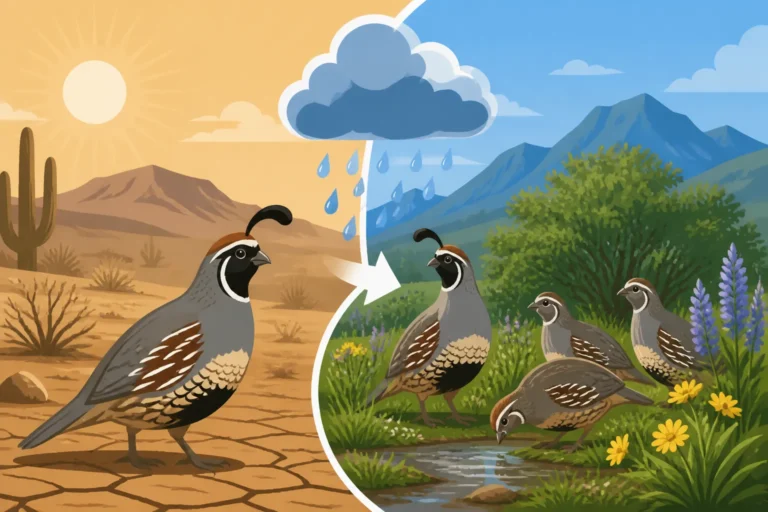
Smaller game, like quail and rabbits, are also hit hard. If you've ever hunted scaled quail in a dry year, you know how scattered and hard-to-find they can be. Without accessible water, their breeding success plummets, and the overall population takes a dive. This affects not just hunting opportunities but the ecological balance of an entire region. It’s a cascading effect that touches everything from the smallest insect to the largest bull elk.
Seasonal Fluctuations and Unreliable Sources
Even in years with decent precipitation, New Mexico's water sources can be incredibly fickle. A monsoon rain in August might fill a stock tank, but by October, the sun has baked it dry, leaving animals scrambling. Many natural seeps and springs are seasonal, drying up completely during the critical late summer and fall hunting months. This unreliability forces game to consolidate around the few remaining reliable water points, often leading to overgrazing around these oases and increased pressure on the animals themselves.
For hunters using tools like GoHunt to plan their scouting, identifying reliable water sources is paramount. A map might show a spring symbol, but without recent ground verification or local knowledge, there’s no guarantee it’s active. You don't want to hike into a remote canyon with your Water Hauling for a Desert Camp supplies, only to realize the "water source" you planned on supplementing from is just a dusty crater. That's why active water management becomes so critical for both wildlife and those of us who pursue them.
Types of Water Development Projects That Support Wildlife
Thankfully, dedicated conservation groups, state agencies, and passionate individuals aren't just standing by. They're actively implementing a variety of water development projects designed to provide consistent, accessible water for wildlife. These aren't just fancy ideas; they're tangible structures that make a real difference on the ground.
Guzzlers and Drinkers: Bringing Water to Remote Areas
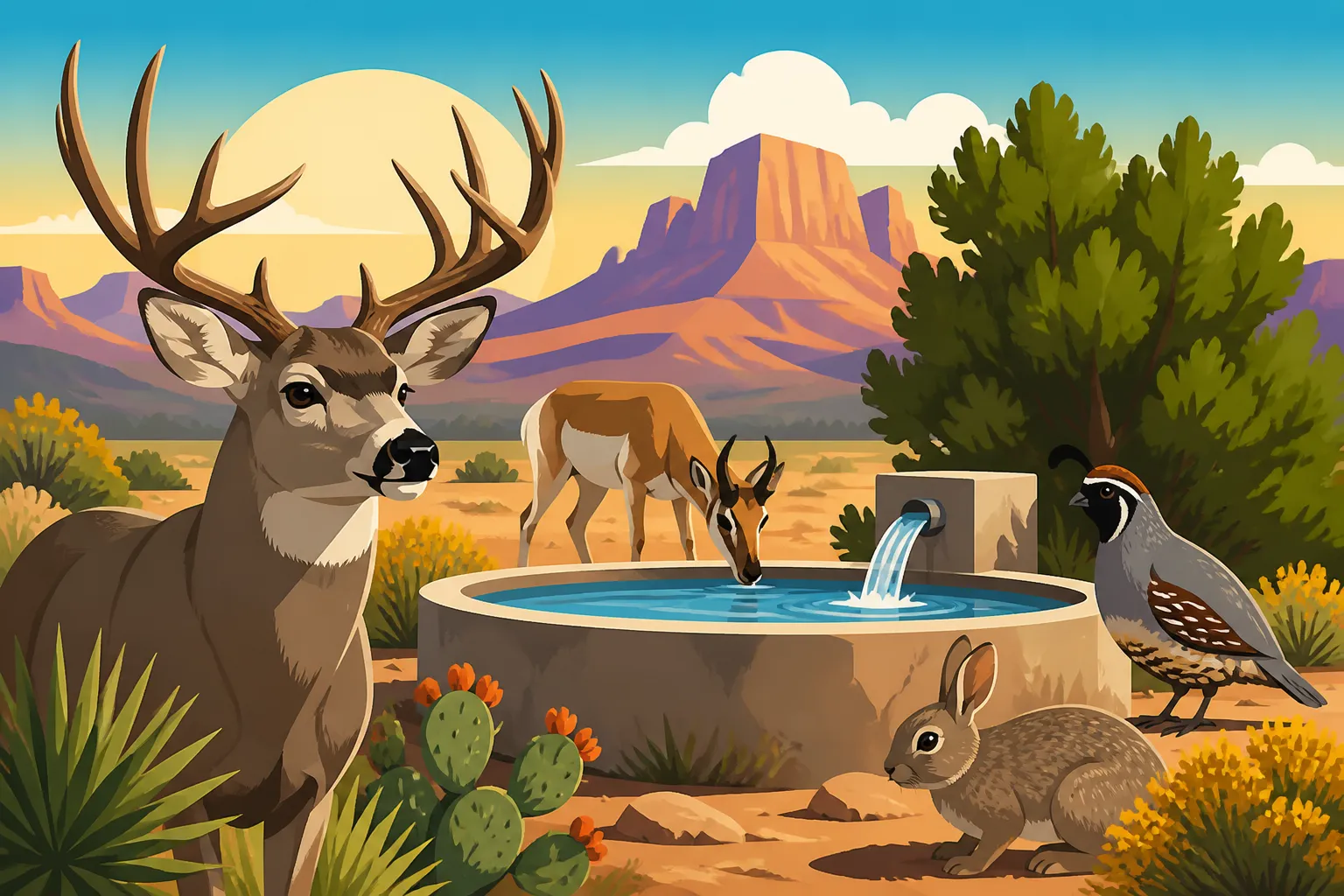
One of the most common and effective types of water development is the installation of "guzzlers" or "wildlife drinkers." These systems typically consist of a rain-catching apron or roof that funnels precipitation into a storage tank, which then feeds a drinker unit accessible to animals. They come in various designs, from large concrete catchments to smaller, more discreet setups.
- Catchment Apron: Often a large, sloping surface designed to collect rainwater. These can be made of corrugated metal or even durable synthetic liners. The size of the apron dictates how much water can be collected, so larger ones are used in areas with lower rainfall but higher wildlife needs.
- Storage Tank: Buried or camouflaged tanks that hold hundreds, sometimes thousands, of gallons of water. These tanks are crucial for providing a reserve during dry spells.
- Drinker Unit: The actual trough or basin where animals drink. These are designed to be accessible to a wide range of species, from tiny birds to large elk, while minimizing evaporation and contamination.
These guzzlers are strategically placed in areas known for good habitat but lacking permanent water. They're game-changers, allowing animals to utilize more of their available range without having to make long, energy-draining treks to distant waterholes. Imagine a remote mesa that suddenly holds deer and antelope year-round because a guzzler made it viable. This directly increases the carrying capacity of the land and improves the health of the herds. You can often pinpoint these on detailed hunting maps, and they become key spots for Sitting Water for Deer and Antelope.
Spring Developments and Seep Enhancements
Nature provides many springs and seeps, but they often need a little help to become truly reliable and efficient water sources. Spring developments involve enhancing existing natural seeps or springs to capture more water and make it consistently available. This might include:
- Excavating a Collection Box: Digging out a collection area around the spring's source and installing a small, submerged box to capture the water before it dissipates into the soil.
- Piping to a Trough: Running a small pipe from the collection box to a more accessible and durable trough or drinker unit, preventing the water from immediately sinking back into the ground or evaporating.
- Fencing: Sometimes, a small fence is erected around the immediate spring source to prevent large animals from trampling the area and damaging the delicate ecosystem, while still allowing access to the trough.
These enhancements turn what might have been a muddy, inconsistent trickle into a dependable water source. They help restore degraded areas and maximize the potential of natural hydrology. For those who study Water Sources That Concentrate Desert Game, these improved springs are goldmines, attracting a variety of species throughout the year.
Restoring and Enhancing Existing Stock Tanks
New Mexico's landscape is dotted with countless stock tanks, originally built for cattle. While many are still used by livestock, they also serve as vital water points for wildlife. However, many older tanks can be in disrepair, filled with sediment, or prone to rapid evaporation. Restoration efforts focus on:
- Dredging and Deepening: Removing accumulated silt and deepening the tank to increase its holding capacity and reduce evaporation. A deeper tank stays cooler and lasts longer.
- Liner Installation: In some cases, a geomembrane liner might be installed to prevent seepage, especially in porous soils.
- Improving Access: Creating ramps or gentle slopes for wildlife to safely access the water, preventing animals from getting stuck in steep-sided tanks.
- Adding Escape Ramps: Simple rock piles or wooden planks for small animals that might fall into the water.
These improvements make existing infrastructure more effective for wildlife. For a hunter using GoHunt to identify potential areas, knowing that a specific stock tank has been recently improved can be a huge advantage. These are often the spots where you'll find Finding Stock Tanks on a Unit Map and discovering fresh sign around them.
The Broad Impacts and Benefits of Water Projects
The benefits of these water development projects extend far beyond simply providing a drink. They ripple through the entire ecosystem, creating a healthier, more resilient environment for wildlife and enriching the experience for those who venture into our wild spaces.
Supporting Healthier Wildlife Populations
Reliable water directly translates to healthier animals. When water is readily available, animals don't have to expend as much energy searching for it, meaning they can dedicate more resources to feeding, breeding, and simply surviving. This leads to:
- Improved Reproduction: Does, cows, and ewes that are well-hydrated and nourished have higher rates of successful pregnancies and healthier offspring. Why Fawn Ratios Predict Next Season often comes down to these crucial resources.
- Better Antler Growth: For species like elk and deer, good nutrition and hydration are critical for maximizing antler growth each year. How Monsoon Rain Affects Antler Growth is a perfect example of this, as good late-summer moisture directly influences the final size of a buck or bull's rack.
- Increased Survival Rates: Animals under less stress from dehydration are better equipped to withstand disease, evade predators, and cope with harsh weather conditions.
- Expanded Habitat Use: Water projects open up areas of habitat that were previously underutilized due to lack of water, effectively expanding the range where animals can live and thrive.
Enhancing Hunting Opportunities and Success
For hunters, these projects are a game-changer. They create predictable focal points for game, especially during dry periods, making scouting and hunting strategies more effective.
- Concentrated Game: Animals will naturally gravitate towards reliable water sources. This makes it easier to locate game, especially in vast, open country. You might find several different species visiting the same guzzler, creating fantastic opportunities.
- Predictable Movement Patterns: Knowing where game will go for water allows hunters to pattern animals and develop more effective ambush or stalking plans. If you know a herd of elk waters at a certain guzzler every evening, that's a prime location for an early morning setup.
- Better Animal Quality: With healthier herds come better quality animals. While genetics and age play a significant role, robust antler growth and overall body condition are directly influenced by the availability of resources, including water. This can mean the difference between a marginal buck and a truly trophy-class animal.
- Extended Hunting Seasons: In some cases, the presence of reliable water can help sustain populations through tougher times, potentially allowing for more consistent hunting seasons over the long term, rather than seeing severe cutbacks after prolonged droughts.
Broader Ecological Benefits
It's not just big game that benefits. These projects create micro-ecosystems that support a vast array of life. Birds, reptiles, amphibians, and countless invertebrates rely on these water points. This biodiversity is essential for a healthy environment. Why Rainfall Drives Quail Numbers is a clear illustration of how critical water is for various species. These projects also help to mitigate the spread of disease by providing cleaner water than stagnant, natural depressions might offer.
Funding, Partnerships, and the Future of Water Conservation
These crucial water development projects don't just appear out of thin air. They are the result of dedicated efforts, significant funding, and strong partnerships between various organizations, agencies, and volunteers.
Who Pays for and Builds These Projects?
It takes a village, or rather, a community of conservation-minded individuals and groups, to get these projects off the ground.
- New Mexico Department of Game and Fish (NMDGF): As the primary wildlife management agency, NMDGF plays a leading role in identifying needs, coordinating projects, and providing expertise and funding. They often collaborate with federal land agencies on federal lands.
- National Wild Turkey Federation (NWTF): The NWTF has been a huge force in constructing guzzlers across the West, recognizing that turkey and many other species benefit immensely from accessible water. They bring both funding and volunteer labor.
- Rocky Mountain Elk Foundation (RMEF): RMEF is another powerhouse, investing heavily in habitat improvement projects, including water development, to benefit elk and countless other species.
- Sportsmen's Groups and Local Volunteers: Many local hunting clubs, chapters of national organizations, and individual volunteers dedicate countless hours to planning, constructing, and maintaining these vital water sources. This grassroots effort is absolutely indispensable.
- Federal Land Management Agencies: The U.S. Forest Service (USFS) and Bureau of Land Management (BLM) often partner with NMDGF and conservation groups to implement projects on the vast federal lands they manage across New Mexico.
These partnerships often involve shared funding, with grants from conservation organizations matching state or federal contributions. It's a testament to what can be achieved when people work together for a common goal.
Maintenance: The Unsung Hero of Water Projects
Building a water guzzler is one thing; keeping it operational for decades is another. Maintenance is an ongoing, often demanding, process.
- Cleaning and Repair: Tanks and drinkers need regular cleaning to prevent algae buildup and ensure water quality. Pipes can leak, aprons can tear, and drinkers can get damaged by large animals or falling debris.
- Sediment Removal: Stock tanks require periodic dredging to remove sediment that accumulates, reducing their capacity.
- Monitoring: Regular checks are necessary to ensure the systems are functioning correctly, collecting water, and are accessible to wildlife. This is where dedicated volunteers often come in, hiking into remote areas to check on systems.
Without consistent maintenance, even the best-designed projects can fall into disrepair, rendering them useless. This is where the long-term commitment of these organizations and volunteers truly shines. For a hunter like you, understanding that these projects exist and are maintained can help inform your scouting process, especially if you're E-Scouting a New Mexico Unit Before the Season and looking for reliable water.
The Future: Adapting to a Changing Climate
As New Mexico continues to grapple with increasing aridity and unpredictable weather patterns, the importance of water development projects will only grow. Future efforts will likely focus on:
- Resilience and Efficiency: Designing systems that are even more drought-resistant, minimize evaporation, and can withstand extreme weather events.
- New Technologies: Exploring solar-powered pumps for deep wells where surface water is unavailable, or using advanced monitoring systems to track water levels remotely.
- Integrated Management: More holistic approaches that combine water development with other habitat improvements, such as prescribed burns for improved forage or invasive species removal, to create truly thriving ecosystems.
- Data-Driven Placement: Using advanced mapping and wildlife movement data (perhaps even sophisticated tools found on GoHunt) to pinpoint the most critical locations for new projects, maximizing their impact. Reading a Herd Unit Management Plan will often highlight these strategic placements.
These water development projects are more than just infrastructure; they are a beacon of hope for New Mexico's wildlife and a testament to the dedication of the hunting and conservation community. They allow us to continue enjoying the incredible hunting opportunities our state offers, knowing that we are also contributing to the health and sustainability of its wild inhabitants.
Disclaimer
This article is for general informational purposes only and does not constitute professional advice. Laws, prices and regulations vary by location and change over time. Consult a qualified professional for guidance on your specific situation.