How Wildfire Changes Gila Elk Habitat
It's truly heartbreaking to watch news reports of wildfires raging through the Gila National Forest, knowing those flames are tearing through some of the most cherished elk habitat in New Mexico. The immediate devastation can feel insurmountable, making you wonder if your favorite hunting grounds will ever recover. But understanding how these natural, albeit often intense, events reshape the landscape is key to both appreciating its resilience and adapting your hunting strategy. This guide will delve into the complex ways wildfire alters Gila elk habitat, from the initial destruction to the surprising long-term benefits and new opportunities it creates for both wildlife and hunters.
The Immediate Impact: Devastation and Displacement
When a wildfire tears through an area, especially at high intensity, the immediate effects are stark and often brutal. Forests can be decimated, undergrowth incinerated, and vast swathes of what was once prime elk country transformed into a charred moonscape. This isn't just about trees; it's about water sources drying up, forage disappearing, and the very cover elk rely on for security vanishing overnight.
Loss of Critical Cover and Forage
Imagine a dense stand of Ponderosa pine, offering deep shade and thermal cover, or a thick oak brush patch that provided both concealment and a ready food source. Intense wildfires can obliterate these crucial elements. Elk, being creatures of both browsing and grazing, need a diverse diet, and when their preferred plants are vaporized, they're forced to move. This initial displacement isn't just a minor inconvenience for the elk; it can mean long, energy-sapping migrations to find new, unburned areas. It disrupts their established patterns, their breeding grounds, and their wintering areas. Hunters often feel this keenly, as those familiar pockets that always held elk simply become empty. It forces a complete rethink of scouting efforts, pushing you to look at areas you might have previously overlooked, or to dig deeper into tools like E-Scouting a New Mexico Unit Before the Season.
Impact on Water Sources and Soil Health
Fires don't just burn vegetation; they can drastically alter the hydrology of an area. Intense heat can make soil hydrophobic, meaning it repels water rather than absorbing it. When the rains eventually come, instead of seeping into the ground to replenish springs and seeps, the water sheets off, leading to erosion and flash flooding. This runoff carries away valuable topsoil, silting up streams and making established wallows or water sources less viable. For elk, consistent access to water is non-negotiable, especially during the dry periods before the monsoon season. A burned-out area might look like it still has a stream, but if the surrounding soil can't hold moisture, that stream can become ephemeral much faster than before the fire. The immediate loss of shade also exacerbates water evaporation, turning small trickles into dust in a matter of days.
Short-Term Recovery: The Green Flush and New Opportunities
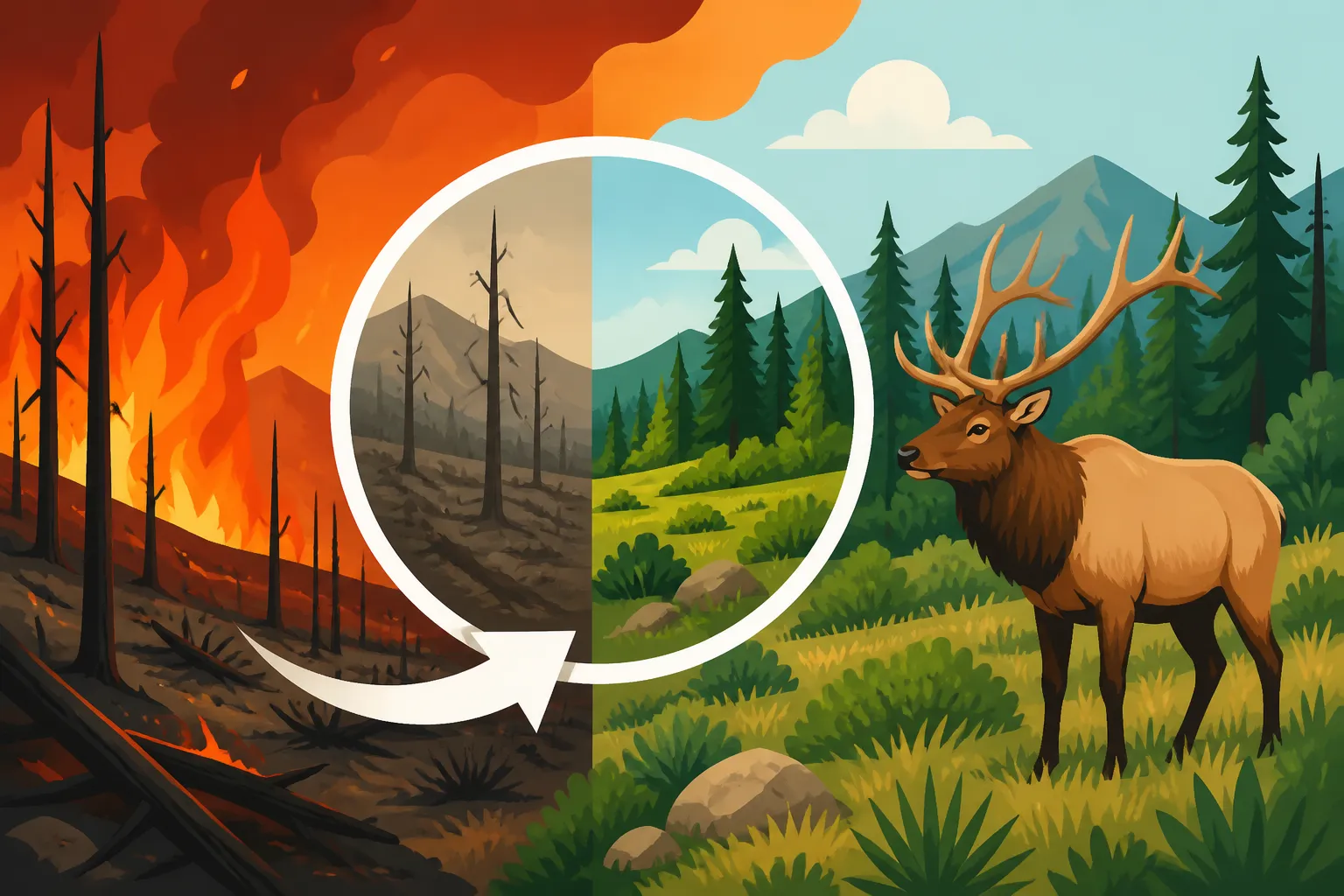
While the initial devastation is shocking, nature is incredibly resilient. The post-fire landscape, within a year or two, often sees an explosion of new growth that can be surprisingly beneficial for elk. It’s a period of rapid change, and savvy hunters who adapt can find new, productive areas.
Nutrient Cycling and Early Successional Plants
Wildfires, despite their destructive power, are a natural part of many ecosystems and play a vital role in nutrient cycling. The ash acts as a rich fertilizer, returning nutrients to the soil that were locked away in dense vegetation. With the canopy opened up, sunlight now floods the forest floor, stimulating the growth of early successional plants – forbs, grasses, and shrubs that often have higher nutritional value than the mature forest vegetation they replace. These plants are like a gourmet buffet for elk, providing highly digestible protein and energy. Areas that were once too dense and shaded for good forage can become vibrant feeding grounds. This green flush can be incredibly appealing to elk, drawing them back into or through burned areas where they might not have spent much time before. Finding these new food sources often means studying maps and looking for areas that received a "mosaic burn"—a mix of high and low intensity.
Increased Visibility and Edge Habitat
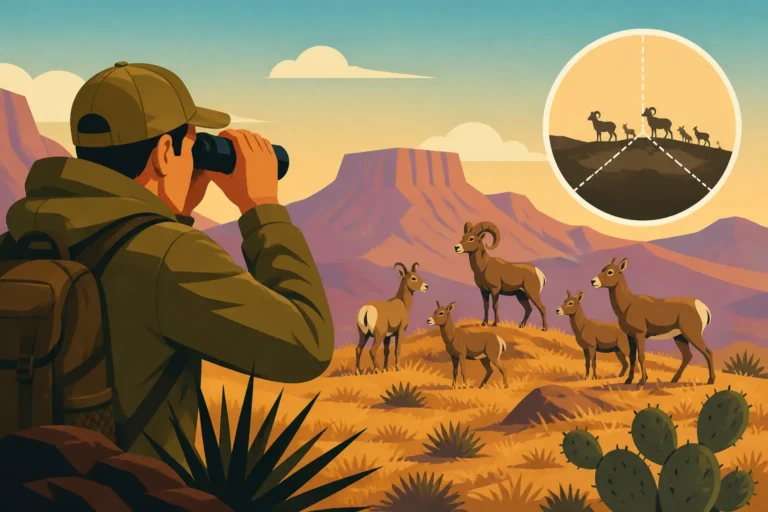
One of the most immediate changes from a hunter's perspective is the increase in visibility. What was once impenetrable timber, where Reading Fresh Elk Sign in Ponderosa Timber was a close-quarters affair, can become much more open. This creates both challenges and opportunities. While elk might feel more exposed, the increased edge habitat – the transition zone between burned and unburned areas – is often highly productive. Elk love edges for security and food, moving between cover and feeding areas. A mosaic burn creates an abundance of this valuable edge habitat. For the hunter, this new openness can be fantastic for glassing, allowing you to pick apart hillsides and basins that were previously hidden. You'll likely need to adjust your optics strategy, perhaps favoring slightly higher power for scanning wide-open slopes that were once timbered, or using a good pair of binoculars on a tripod for Glassing Benches and Parks for Elk. This shift in visibility means you might spot elk from much farther away, leading to different stalking approaches than you'd use in dense, unburned timber. It's a prime example of how fire can subtly shift Hunting New Mexico From 4,000 Feet to 10,000 into a different kind of challenge.
Temporary Water Catchments and Wallows
In the wake of a fire, especially in areas where soil hydrophobicity isn't extreme, the disrupted landscape can inadvertently create temporary catchments or enhance existing wallows. As vegetation is removed, rainfall can collect in depressions, forming new, albeit temporary, water sources. The increased sunlight can initially warm these waters, making them attractive to elk, especially if minerals from the ash are present. For hunters, this means adapting to a dynamic water map. A stock tank that was always reliable might be dry, but a new, temporary seep could be holding elk. Scouting these areas, either on foot or with robust online mapping tools from companies like GoHunt, becomes even more crucial. Learning to identify where water might collect or where new springs could emerge in a burned landscape gives you a distinct advantage, turning a potential disadvantage into a hot spot. It might even lead you to Hunting a Wallow During Early Archery in a completely new location.
Long-Term Habitat Evolution: Adapting to a New Normal
Wildfires aren't one-and-done events. The landscape continues to evolve for decades after a major burn, presenting a constantly shifting puzzle for elk and hunters alike. What starts as a green flush eventually gives way to a more established, but different, ecosystem.
Forest Regeneration and Shrub Fields
Over the years, the burned area slowly begins to regenerate. While a dense, mature forest might take centuries to return, the immediate regrowth often comes in the form of robust shrub fields and young trees. These shrubby areas, particularly oak brush, aspen, or various browse species, provide excellent forage and cover for elk. They can create a mosaic of habitats that are even more diverse and productive than the pre-fire forest. Young aspens, for instance, are highly palatable to elk, and a post-fire aspen regeneration can become a major drawing card for a herd. These areas provide excellent hiding cover and often grow alongside new grassy openings, giving elk the perfect blend of security and sustenance. Why Elk Numbers Vary Across the Gila often depends heavily on these regeneration cycles, and understanding their stages can tell you where to focus your efforts. A well-burned unit might actually see a boom in elk numbers as forage improves significantly.
Changes in Elk Movement Patterns
With large areas of the Gila National Forest having seen fire over the past decades, elk have already begun to adjust their movement patterns. They learn to utilize the newly available forage in burned areas while still retreating to unburned pockets or deep canyons for thermal cover and security. This means hunters need to think about how elk navigate these complex, post-fire landscapes. Instead of predictable travel corridors through dense timber, you might find elk using the edges of burned areas, transitioning between the lush regrowth and the darker, unburned stands. Understanding these new travel lanes and bedding areas is paramount. This is where detailed map study, using tools like GoHunt, really shines, allowing you to identify those transition zones that funnel elk. Observing how Terrain That Hides an Approach at 10,000 Feet has changed due to fire can reveal new ambush points or stalking routes.
Enhanced Habitat Diversity
Ultimately, wildfire, when managed or occurring naturally at appropriate intervals, increases habitat diversity. A patchwork of different successional stages—from recently burned areas with abundant forbs to maturing shrub fields and untouched timber stands—creates a richer environment for elk. This diversity provides varied food sources, different types of cover for bedding and protection from predators, and a wider range of microclimates. The Gila, being a vast wilderness, often experiences these mosaic burns, which means that while one area might have been intensely hit, another nearby might have only experienced a low-intensity ground fire, leaving much of the canopy intact but clearing the understory for new growth. This combination offers elk everything they need throughout the year, from spring green-up to fall rut, making a resilient and productive ecosystem. The result is often an increase in the overall carrying capacity of the land, meaning How Elk Herds Recover After a Burn is not just about returning to normal, but often creating a better normal for them.
Hunter Adaptation Strategies for Burned Habitat
For hunters, adapting to wildfire-altered landscapes isn't just about finding elk; it's about respecting the environment, understanding the changes, and adjusting tactics to be successful. It requires a willingness to learn and deviate from traditional approaches.
Scouting Burned Areas
This cannot be stressed enough: scouting is paramount in post-fire landscapes. What you knew about a unit before a fire might be completely irrelevant afterward. You need to identify areas of mosaic burn, where high-intensity patches meet unburned timber. These edges are often goldmines for elk. Look for new trails, fresh droppings, and feeding sign in the green-up. Pay close attention to where elk are finding water, as natural springs might have shifted or new temporary seeps emerged. Aerial imagery from platforms like GoHunt can show you the extent and intensity of a burn, highlighting areas of new growth and remaining cover. A pre-season trip on the ground, even just a day or two, can provide invaluable intelligence.
Here’s a quick overview of what to look for when scouting burned areas:
| Feature | Short-Term Post-Fire (1-3 years) | Long-Term Post-Fire (3-15+ years) | Hunter Implication |
|---|---|---|---|
| Vegetation | Abundant forbs, grasses, sprouting shrubs; charred ground | Growing shrub fields, young aspens/pines, denser understory | Identify prime feeding areas; glass open slopes |
| Cover | Scarce in high-intensity burns; pockets of unburned timber nearby | Thick re-growth provides security; edges are key | Focus on timbered fringes and re-growing shrub patches |
| Water Sources | Altered flow, temporary catchments, potential erosion | Stabilized flows, restored springs, new seeps may persist | Re-scout all water sources; look for new wallows |
| Visibility | Greatly increased; open views | Denser than immediate post-fire; still more open than old growth | Excellent for glassing; plan longer shots or closer stalks |
| Elk Activity | Attracted to new forage; using edges for security | Established patterns around food/cover mosaics | Hunt transition zones and bedding areas in thick re-growth |
Adjusting Hunting Tactics
Your actual hunting tactics will likely need a complete overhaul. If you relied on still-hunting through dense timber, that might be out the window in a heavily burned area. Instead, you might find yourself doing more spot-and-stalk hunting, using the increased visibility to your advantage. Longer shots might become more common, so practice your ethical shot distance. Calling strategies might also change; in more open country, locator bugles can travel farther, but elk might be warier of closing the distance in areas with less cover. Conversely, the thick new growth in regenerating areas can be incredibly noisy to move through, making silent stalks challenging. Reading Wind in a Deep Gila Canyon becomes even more critical when elk have fewer visual barriers to detect your presence. Consider the impact of wind direction more acutely when stalking, as it’s one of the few advantages you might still hold in a more open landscape.
Safety Considerations in Burned Terrain
Finally, don't forget the practical safety aspects of hunting in burned areas. The ground can be unstable, with ash pits that can swallow a leg, or deadfall that creates treacherous footing. Snags (dead standing trees) are a serious hazard, as they can fall without warning, especially in windy conditions. Be mindful of erosion-prone slopes and potential flash flood areas if heavy rains are forecast. Wear sturdy boots, carry extra water, and always let someone know your plans. While the elk might be drawn to these regenerated areas, your safety should always be the top priority. The Gila can be unforgiving, and the effects of a past fire only add to its wild character.
The transformation of Gila elk habitat by wildfire is a powerful, ongoing process. While it can be initially devastating, it ultimately creates a dynamic and often richer ecosystem. For the diligent hunter, understanding these changes, adapting your scouting, and adjusting your tactics can lead to incredibly rewarding experiences in a landscape that, like the elk themselves, thrives on resilience.
Disclaimer
This article is for general informational purposes only and does not constitute professional advice. Laws, prices and regulations vary by location and change over time. Consult a qualified professional for guidance on your specific situation.