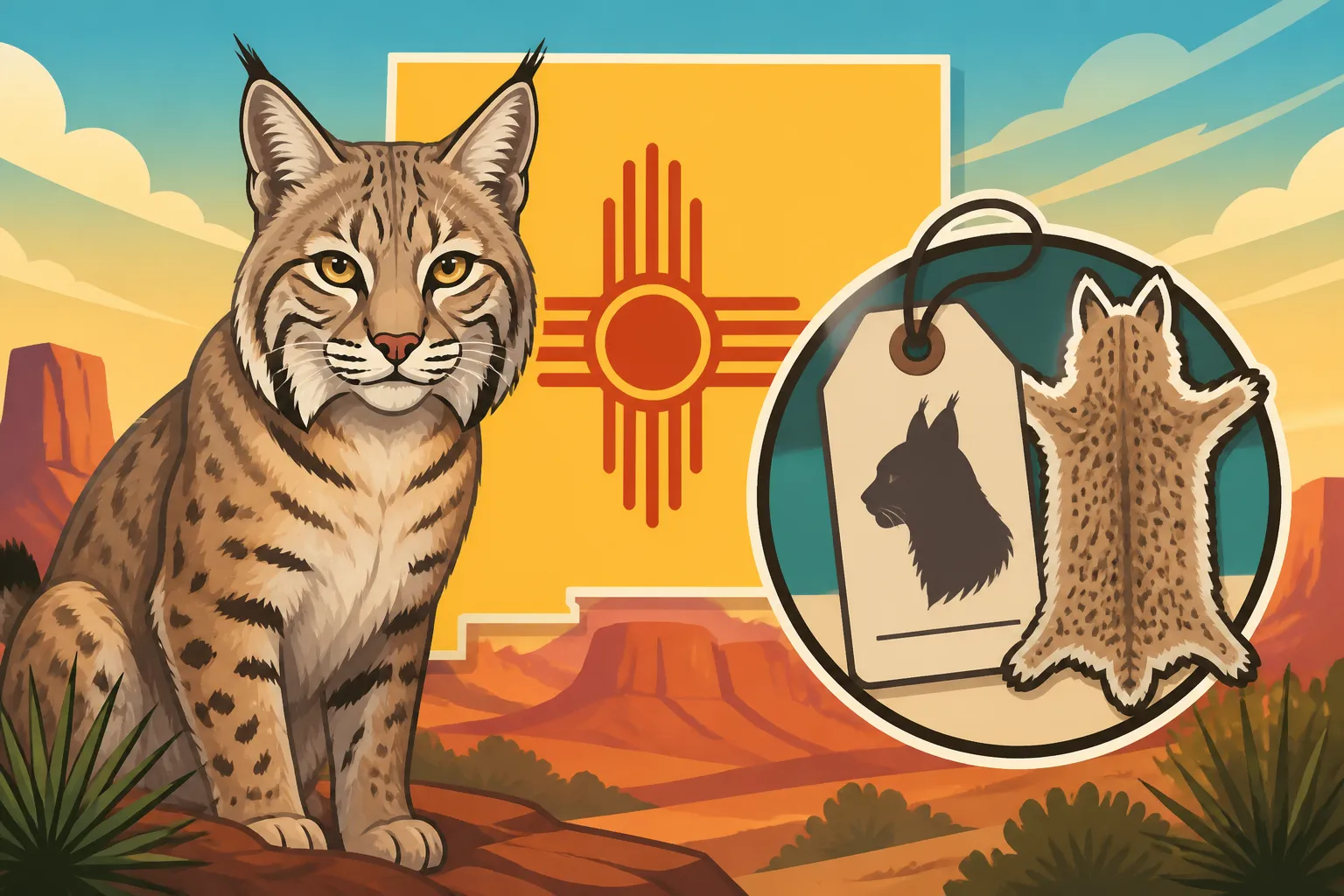
New Mexico Bobcat Season and Pelt Tag Rules
Hunting bobcats in New Mexico offers a unique and often challenging experience, drawing hunters into the wild landscapes to pursue one of the desert's most elusive predators. However, navigating the specific rules and regulations surrounding bobcat season, especially the critical requirements for pelt tagging, can feel like trying to track a ghost in the snow. It's a common frustration to want to pursue these incredible animals but feel bogged down by administrative details. This comprehensive guide aims to demystify New Mexico's bobcat hunting and trapping regulations, walking you through the season structure, pelt tagging protocols, and other essential rules to ensure a legal and responsible hunt.
Understanding New Mexico's Bobcat Season Structure
New Mexico classifies bobcats as furbearers, a category that comes with its own distinct set of regulations compared to big game animals like elk or deer. This distinction means that while you might be accustomed to one set of rules for your annual deer hunt, furbearers like bobcats operate under a different framework, particularly concerning seasons and harvest methods. It’s crucial to understand these foundational differences before you even think about hitting the field.
General Furbearer Seasons
Unlike many big game seasons that have various unit-specific dates or weapon-specific windows, bobcat hunting and trapping seasons in New Mexico generally operate under a more unified, statewide approach for the main season. This doesn't mean you can just head out any day of the year, though. The season typically spans several months, usually starting in late fall or early winter and extending into early spring. This timing is strategic, aligning with when bobcat pelts are prime and most valuable. The exact dates can shift slightly from year to year based on wildlife management goals, so checking the current official New Mexico Department of Game and Fish (NMDGF) rules and information booklet is always your first and most important step. Think of it as your hunting Bible for the year.
The season structure aims to allow for a sustainable harvest while protecting bobcat populations during critical breeding or denning periods. For many resident hunters, the longer furbearer season offers flexibility, allowing you to pursue bobcats when other big game seasons might be closed or when weather conditions are most favorable for tracking or calling. Tools like GoHunt can be invaluable here, helping you visualize these season dates against other species' schedules as you plan your entire hunting year.
Distinguishing Hunting from Trapping Seasons
While both hunting and trapping are methods to take bobcats, they are regulated separately, even if their seasons often overlap. The season dates for hunting bobcats with firearms or archery equipment might be slightly different from those for trapping. This is a common point of confusion for those new to furbearer pursuits. Trapping, for example, often has more stringent regulations concerning trap types, placement, and checking intervals, reflecting the different nature of the activity.
If you plan to pursue bobcats, you need to be crystal clear on whether you are hunting or trapping, as this will dictate not only the legal season dates but also the type of license you need and the methods you can employ. Some hunters might call bobcats in and shoot them, while others might set snares or foothold traps. Each method falls under specific rules. You wouldn't want to get caught setting a trap outside the legal trapping season dates just because the hunting season was still open. This careful distinction is paramount for staying within the bounds of the law. You can find detailed information on these distinctions in the official rules and information booklet. Reading the New Mexico Rules and Info Booklet is a fantastic resource for unraveling these nuances.
The Importance of Pelt Tags and How to Obtain Them
This is where bobcats and other furbearers really diverge from big game. With a deer or elk, once you’ve tagged it with your carcass tag, you’re often good to go (after fulfilling any harvest reporting). For bobcats, the pelt itself carries an additional requirement: a pelt tag. This isn't just an extra piece of paper; it's a critical component of New Mexico's furbearer management program.
Why Pelt Tags Are Required
Pelt tags serve several vital purposes for wildlife management. Firstly, they allow the NMDGF to accurately track the number of bobcats harvested each year. This data is indispensable for assessing population health, understanding harvest pressure, and making informed decisions about future season lengths and bag limits. Without accurate harvest data, it's much harder to ensure sustainable management. Secondly, pelt tags help to prevent illegal trafficking of pelts. By requiring a state-issued tag on every bobcat pelt intended for sale, trade, or personal retention, the department can better regulate the market and ensure that all harvested animals were taken legally and ethically. It's a paper trail that benefits conservation and helps prevent poaching. Imagine the chaos if every hunter just decided the rules for themselves; these tags bring order and accountability.
The Process of Getting a Pelt Tag
Once you’ve successfully harvested a bobcat, the clock starts ticking for getting that pelt tagged. You can’t just throw the hide in your freezer and forget about it. The process typically involves presenting the raw or unfrozen pelt (usually still attached to the skull or with specific identifying features) to a designated NMDGF personnel or an authorized agent. These agents are often located in various parts of the state for convenience, but it's your responsibility to find one and adhere to the established deadlines.
The deadline for tagging is usually set a short time after the season closes, giving hunters a window to process their pelts and get them in for tagging. Missing this deadline can lead to complications, including the potential forfeiture of your pelt. When you present the pelt, the agent will inspect it, record the necessary information, and then affix a special tag directly to the pelt. This tag typically remains with the pelt through any tanning or processing. Always call ahead to confirm the agent's hours and any specific requirements they might have for presenting the pelt, like whether it needs to be frozen solid or partially defrosted. Planning for this step before you even go hunting is a smart move.
Navigating the Furbearer Regulations for Bobcats
Beyond the season dates and pelt tagging, there's a whole framework of rules that govern how you can legally pursue bobcats. Ignoring these details can quickly turn a successful hunt into a legal headache. This is where attention to detail really pays off.
License Requirements for Bobcat Hunting and Trapping
To hunt or trap bobcats in New Mexico, you'll need the appropriate license. For hunting, this typically means having a valid New Mexico hunting license plus a specific furbearer license or permit. The furbearer license is what grants you the privilege to take animals like bobcats, coyotes, foxes, and other regulated furbearers. If you’re planning on trapping, you’ll likely need a separate trapping license, which often has additional requirements or even different fees.
It’s not enough to just have a big game license; that won't cover your bobcat pursuits. Always verify which license combination is required for your chosen method – hunting or trapping – before you head into the field. Non-residents will also have specific license requirements and potentially higher fees, just like with big game. You might find some of these details mentioned when reading about Trapping License Requirements for Residents, which will help clarify what's needed for different furbearer activities.
Legal Methods and Restrictions
New Mexico has clear rules on how you can take bobcats. For hunting, common legal methods include firearms (rifles, shotguns, handguns) and archery equipment. There might be caliber restrictions or specific bow requirements that align with general hunting rules, but typically furbearers are less restrictive than big game in this regard. One area that often generates questions is the use of electronic calls. Good news for predator hunters: electronic calls are generally legal for furbearers and predators like coyotes and bobcats in New Mexico, which can be a huge advantage for drawing in these cautious animals. This is a key difference from big game hunting, where electronic calls are often prohibited. You might want to review Electronic Calls for Predators and Varmint Hunting to get a deeper dive into the specifics.
When it comes to trapping, the rules become much more detailed. Legal trap types (e.g., specific sizes of foothold traps, snares), setback distances from public roads or residences, and daily check requirements are all rigorously defined. It’s absolutely essential to consult the NMDGF regulations if you intend to trap, as illegal trapping methods or improper trap placement can result in severe penalties. This table gives a quick overview of some key differences:
| Feature | Bobcat Hunting (Firearms/Archery) | Bobcat Trapping |
|---|---|---|
| Primary License | General Hunting License + Furbearer License | Trapping License (often separate from hunting) |
| Methods | Firearms, archery, calling (including electronic) | Foothold traps, snares (specific types/sizes) |
| Pelt Tagging | Required for all harvested pelts | Required for all harvested pelts |
| Season Dates | Specific hunting season dates (often statewide) | Specific trapping season dates (often statewide) |
| Checking | No daily check requirement for hunter (beyond general vigilance) | Traps often require daily checks by law |
| Location | General public/private land access rules apply | Setback distances, marking requirements for traps may apply |
Spotlight and Night Hunting Rules
Another common question, especially for predator hunters, revolves around hunting at night and the use of artificial lights. Generally, night hunting for furbearers and unprotected predators like coyotes can be legal in New Mexico, but it comes with strict limitations and often requires specific equipment or permits. The use of artificial light, or "spotlighting," to locate or take game is heavily regulated. While it might be permissible for certain species or under specific conditions for furbearers, it is almost universally illegal for big game.
Always double-check the current regulations for any specific unit or land type you plan to hunt. Some areas might have local ordinances that prohibit night hunting or spotlighting even if state law allows it. For a deeper understanding of the general rules around using lights at night, you can look into Spotlighting Rules for Predator Hunting. The core takeaway is this: never assume; always verify for the specific species and location you intend to hunt.
Ethical Hunting Practices and Reporting Requirements
Responsible hunting goes beyond just knowing the rules; it encompasses ethical behavior, diligent reporting, and a commitment to conservation. For bobcats, this means understanding your obligations after the harvest.
Mandatory Reporting After Harvest
New Mexico mandates that hunters and trappers report their bobcat harvests. This reporting is usually tied directly to the pelt tagging process. When you present your pelt to the NMDGF agent, they will collect information about where and when the bobcat was taken, along with other data points. This information is critical for wildlife managers to get a clear picture of harvest levels and population trends. Just like the pelt tag itself, this reporting mechanism is fundamental to sound furbearer management. Failing to report a harvest, even accidentally, can result in penalties, so make sure this step is completed thoroughly and on time.
For some species, harvest reporting is done online or via phone, but for bobcats, the in-person pelt tagging process often serves as the official reporting mechanism. It’s essential to keep good records of your harvest, including the date, unit, and any relevant details, as this information will be requested during the tagging process. This is where meticulous organization, perhaps even a hunting journal, can really help you stay on top of your responsibilities.
Respecting Landowner Rights and Public Access
New Mexico boasts millions of acres of public land, offering ample opportunity for furbearer hunting. However, many areas where bobcats thrive are a patchwork of public and private ownership. It's critical to know exactly where you are hunting and to have appropriate permission if you intend to cross or hunt on private land. "No Trespassing" signs mean exactly that, and ignorance is no excuse. Always use detailed maps, such as those available through platforms like GoHunt, that clearly delineate land ownership boundaries. E-Scouting a New Mexico Unit Before the Season can give you a significant advantage in identifying legal access points and avoiding private land issues.
If you are hunting or trapping near private property, be mindful of noise, shooting lanes, and potential impacts on livestock or residents. A courteous and respectful approach to landowners can go a long way, and in many cases, obtaining written permission to hunt private ground is a good practice. Remember that even if public land is landlocked by private property, you generally cannot cross that private ground without explicit permission. This also extends to retrieving a harvested animal; if a bobcat runs onto private land, you must obtain permission before pursuing or retrieving it. Reviewing guidelines on Retrieving Game From Private Land in New Mexico is highly advisable for any hunter.
Ethical Considerations for Furbearers
While bobcats aren't typically harvested for their meat, ethical considerations still apply, primarily centered around a clean, humane harvest and minimizing waste of the pelt. Just because the meat isn't consumed doesn't mean you should be any less diligent in your shot placement or tracking efforts. A responsible hunter ensures a quick, clean kill and endeavors to recover every animal. The pelt is the valuable resource for a bobcat hunter, so preserving its quality through careful handling and prompt processing after harvest is also an ethical consideration.
Beyond the kill itself, responsible furbearer hunting includes understanding the ecosystem, avoiding unnecessary disturbance to other wildlife, and adhering to all game laws, including bag limits and legal shooting hours. Even if bag limits are often generous for furbearers, it's about making thoughtful decisions in the field. This commitment to ethical conduct not only ensures a positive hunting experience for you but also upholds the reputation of the hunting community as a whole.
Disclaimer
This article is for general informational purposes only and does not constitute professional advice. Laws, prices and regulations vary by location and change over time. Consult a qualified professional for guidance on your specific situation.