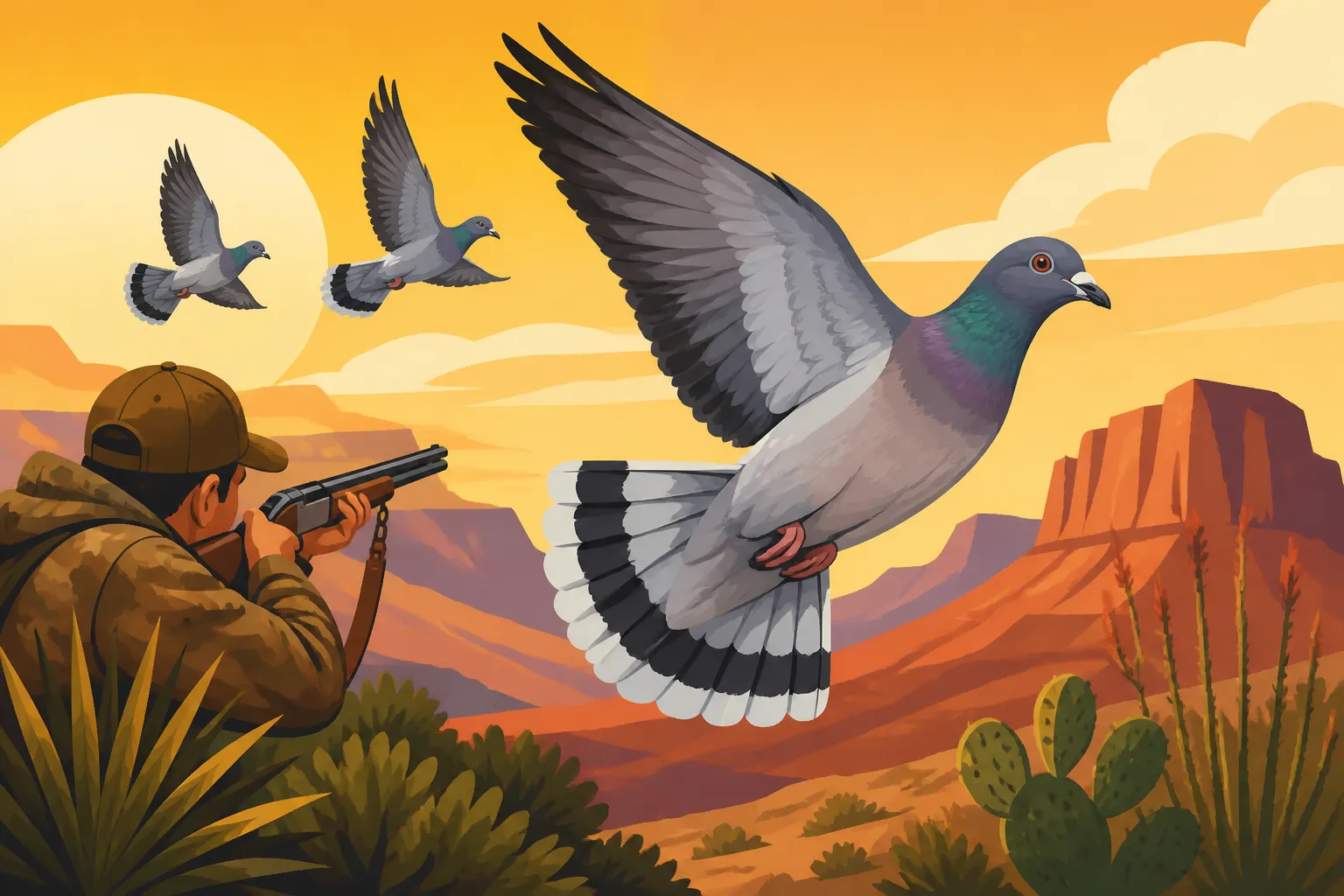
Band-Tailed Pigeon Hunting in New Mexico
For many hunters, the focus often drifts to the majestic elk or the elusive mule deer in New Mexico, but there's a truly unique upland challenge waiting in the high country: the band-tailed pigeon. These birds aren't your typical backyard pigeons; they're fast, powerful flyers of the high timber, offering a thrilling and often overlooked hunting experience that demands different tactics and a keen understanding of their movements. This guide is here to walk you through everything you need to know to pursue these incredible birds in the Land of Enchantment.
Understanding the Elusive Band-Tailed Pigeon
The band-tailed pigeon isn't just another game bird; it's a unique species with distinct behaviors and habitats that set it apart from other upland opportunities in New Mexico. Unlike the more common mourning doves that frequent agricultural fields and desert fringes, band-tails are birds of the forest, often found at higher elevations. They present a different kind of pursuit, one that often involves hiking steep terrain and understanding the subtle cues of mountain ecosystems.
These birds are essentially the wild cousins of the domestic pigeon, but much larger, with a distinctive white crescent on the back of their neck and a broad band across their tail – hence the name. Their flight is strong and direct, almost hawk-like at times, making them a challenging target for even seasoned wingshooters. They're also migratory, meaning their presence in New Mexico is seasonal and can fluctuate based on weather patterns and food availability. This migratory nature adds another layer of complexity, requiring hunters to pay close attention to seasonal forecasts and bird movements.
Band-Tailed Pigeon Habitat in New Mexico
When you're chasing band-tailed pigeons in New Mexico, you need to think high and green. These aren't desert birds. Their preferred habitat is typically coniferous forests and mixed conifer-oak woodlands, usually found at elevations ranging from 6,000 to 10,000 feet. This means you'll often be hunting in the same mountain ranges that hold elk and deer, but you'll be focusing on specific features within those landscapes.
Key areas to target include the Sangre de Cristo Mountains, the Jemez Mountains, the Manzano and Manzanita Mountains, and portions of the Gila National Forest. Look for stands of ponderosa pine, Douglas fir, white fir, and especially areas with oak brush, which produces acorns – a primary food source for these pigeons. They also have a particular fondness for elderberries and chokecherries when these fruits are ripe. Water sources are critical too, as pigeons need to drink regularly. Springs, stock tanks, and even small seeps can be magnets for birds, particularly during dry spells. Accessing these areas often requires navigating forest roads and then getting out on foot, so physical conditioning is a major asset for this type of hunting. Tools like GoHunt can be incredibly useful for pinpointing these high-elevation forest types and marking potential water sources or oak stands.
Typical Behavior and Feeding Patterns
Band-tailed pigeons are creatures of habit, but those habits can shift rapidly with changing food sources and weather. They are typically early risers, flying from their roosts to feeding areas shortly after dawn. Their feeding activity often peaks in the morning and late afternoon, with a mid-day lull where they might loaf in dense timber or gather at watering holes. Understanding this diurnal pattern is crucial for successful hunting.
Their diet largely consists of nuts, seeds, and berries. Acorns are a significant draw, especially later in the season. When oak crops are good, pigeons will concentrate in areas with abundant acorns. During early seasons, they'll often key into elderberry, chokecherry, and even wild cherry patches. They also consume grit to aid digestion, so look for gravelly spots or disturbed earth near feeding and watering areas. A key behavior to watch for is their flight path. They often fly predictable routes between roosting, feeding, and watering sites. Identifying these flight corridors, perhaps along a ridge line or across a saddle, can be the ticket to intercepting birds. Remember, they are often moving quickly, so you need to be ready to react.
Planning Your Band-Tailed Pigeon Hunt
Successfully hunting band-tailed pigeons in New Mexico requires more than just showing up with a shotgun. It demands research, strategic scouting, and an understanding of the specific regulations governing migratory bird hunting. Unlike deer or elk, you won't be applying for a limited-entry draw for band-tailed pigeons, but you do need to have the correct licenses and stamps in place.
Season dates can be somewhat variable, often falling in September or early October, and may even be split into separate time frames. These seasons are generally short, sometimes only a few weeks, which emphasizes the need for careful planning to maximize your time in the field. Don't assume the season is long, as it can be quite brief.
Essential Licenses and Regulations
Before you even think about loading your shotgun, you need to ensure you're legally prepared. For band-tailed pigeon hunting in New Mexico, you'll need a current New Mexico Game Hunting License. On top of that, because band-tailed pigeons are migratory birds, you are also required to possess a Harvest Information Program (HIP) number. This is a free registration that helps wildlife agencies gather data on migratory bird hunters. You'll also likely need a New Mexico Habitat Stamp, particularly if you're hunting on federal lands like National Forests or BLM areas. The HMAV and Habitat Stamp Every New Mexico Hunter Needs provides more detail on these requirements.
It’s always vital to consult the current New Mexico Rules and Information Booklet for the most up-to-date season dates, bag limits, and specific regulations. These can change year to year, and ignorance of the law is never an excuse. Pay close attention to legal shooting hours, which are typically from one-half hour before sunrise to sunset. Also, be aware of ammunition restrictions; migratory birds generally require non-toxic shot in specific areas, though this varies, so check the regulations carefully. New Mexico Legal Shooting Hours for Big Game can offer general guidance on timing.
Key Requirements for Band-Tailed Pigeon Hunting
| Requirement | Description | Where to Get It |
|---|---|---|
| Game Hunting License | Basic license required for hunting game in New Mexico. | New Mexico Department of Game and Fish website/vendors |
| HIP Number | Free registration for migratory bird hunters; helps gather harvest data. | New Mexico Department of Game and Fish website |
| Habitat Stamp | Required for hunting on federal lands (National Forests, BLM); check current cost. | New Mexico Department of Game and Fish website/vendors |
| Non-Toxic Shot | Often required for migratory birds, especially near water or in specific areas. Check regulations. | Sporting goods stores |
| Valid ID | Always carry your identification and licenses while hunting. | N/A |
The daily bag limit and possession limit for band-tailed pigeons are usually quite conservative, reflecting their lower populations compared to mourning doves. Typically, the daily bag limit is two birds, with a possession limit of six. This means every bird is precious, and clean, ethical shots are paramount.
When and Where to Find Pigeons
Timing is everything with band-tailed pigeons. Their presence in New Mexico is primarily during the late summer and early fall as they migrate through or forage before heading south. The season typically opens in September, sometimes extending into early October. Early September hunts often coincide with the peak of berry production, while later dates might find birds focused more on acorns.
As for "where," you're looking for public land in the higher elevations. The Carson National Forest, Santa Fe National Forest, and portions of the Gila National Forest are prime contenders. Focus on areas with a good mix of mature timber and dense oak thickets. Ridges, saddles, and canyon edges that serve as natural flight corridors between feeding and roosting areas are excellent ambush points. Don't be afraid to put in the miles; these birds often inhabit rugged country. Using modern mapping applications, like those available through GoHunt, to identify different forest types, elevation changes, and water sources can save you a tremendous amount of time on the ground. Carson National Forest Access in New Mexico and Santa Fe National Forest Ground in New Mexico are good starting points for researching these areas.
Pre-season scouting is absolutely essential. Drive forest roads, hike trails, and look for tell-tale signs like droppings on rocks or tree limbs, plucked feathers, and of course, the birds themselves. Listen for their distinctive cooing call, which is deeper and more resonant than a mourning dove's. Observe their flight patterns: Where are they coming from? Where are they going? Are they flying along a ridge line, or dropping into a specific drainage? These observations will inform your setup come hunting day.
Effective Hunting Strategies and Gear
Band-tailed pigeon hunting is often a game of patience mixed with bursts of intense action. It's not usually a high-volume shoot, but rather a strategic pursuit of a challenging quarry. Your approach, equipment, and shooting skills will all be put to the test.
Because you're often in mountain country, being physically prepared is important. You might be hiking steep slopes, sitting for long periods, and then needing to react quickly when birds appear. The weather in New Mexico's high country can also change rapidly, so appropriate layering is crucial.
Pass Shooting and Ambush Tactics
The most common and often most effective strategy for band-tailed pigeons is pass shooting. This involves positioning yourself along a natural flight path that the pigeons use to travel between roosting, feeding, and watering areas. As birds fly past, you attempt to intercept them. This means finding a good vantage point, often on a ridge, overlooking a saddle, or along a canyon rim.
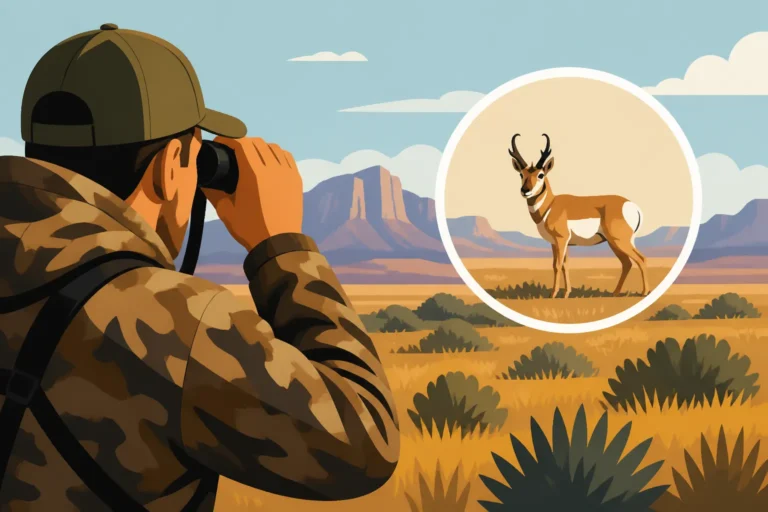
Concealment is key. These birds have excellent eyesight. Wear camouflage or drab clothing that blends with the forest environment. Position yourself with a solid background, like a thick stand of trees or a rock face, to break up your silhouette. Stay still and quiet. Pigeons are often quite wary, and any sudden movement can send them veering off course. Sometimes, a well-placed decoy or two can draw birds closer, but their effectiveness can vary. A good pair of binoculars can help you spot birds at a distance, allowing you to anticipate their approach and get ready.
Once you identify a flyway, it's a waiting game. Pigeons tend to fly in small groups or singles. When they appear, you need to react swiftly. Their flight is fast and often erratic, so lead them generously. Expect steep angles and quick adjustments.
Recommended Gear and Ammunition
For band-tailed pigeons, a 12 or 20-gauge shotgun is the standard. An improved cylinder or modified choke is a good all-around choice, offering a balance of pattern density and spread for these fast-moving birds. Some hunters prefer a tighter full choke for longer shots, but this requires more precise shooting.
Ammunition choice is important. You'll want shot sizes between 6 and 7.5. These sizes offer a good balance of pellet count and energy to bring down a pigeon humanely. As mentioned before, double-check the regulations for non-toxic shot requirements, as some areas or specific times may require it. If non-toxic shot is mandated, steel shot or bismuth are common alternatives. Always carry more shells than you think you’ll need, as these birds can be tough to hit.
Beyond the shotgun and shells, consider the following:
- Good hiking boots: Essential for navigating mountain terrain.
- Layered clothing: The high country can see significant temperature swings.
- Water and snacks: Hydration is paramount, especially when hiking.
- Binoculars: For spotting birds at a distance.
- Game vest or bag: To carry your birds.
- GPS or mapping app: For navigation and marking promising spots. E-Scouting a New Mexico Unit Before the Season goes into detail on how to use these tools.
- First-aid kit: Always be prepared for minor injuries.
- Orange hat/vest: If required or simply for safety, especially if other hunters are in the area. Blaze Orange Requirements Through the Season is a good resource here.
After the Shot: Retrieval and Care
Once you've made a successful shot, retrieval needs to be quick and efficient. Band-tailed pigeons are relatively small birds and can be tough to find in dense cover, especially if they sail after being hit. Mark where the bird goes down and go directly to that spot. Using a hunting dog can be a huge advantage for retrieval, minimizing lost birds and ensuring you make the most of your limited bag.
Field dressing quickly is important, especially if the weather is warm. Pigeons have dark, rich breast meat that is excellent table fare, but it can spoil quickly if not cooled. Get the birds cleaned and cooled as soon as possible. Carrying a small cooler with ice in your vehicle is a smart move if you're not planning to head straight home. These birds are a true culinary treat, well worth the effort required to harvest them.
Band-tailed pigeon hunting offers a unique and rewarding challenge in New Mexico's beautiful mountain landscapes. It's a test of scouting, patience, and shooting skill, and a chance to experience a different side of upland bird hunting.
Disclaimer
This article is for general informational purposes only and does not constitute professional advice. Laws, prices and regulations vary by location and change over time. Consult a qualified professional for guidance on your specific situation.