Off-Range Oryx Herds in New Mexico
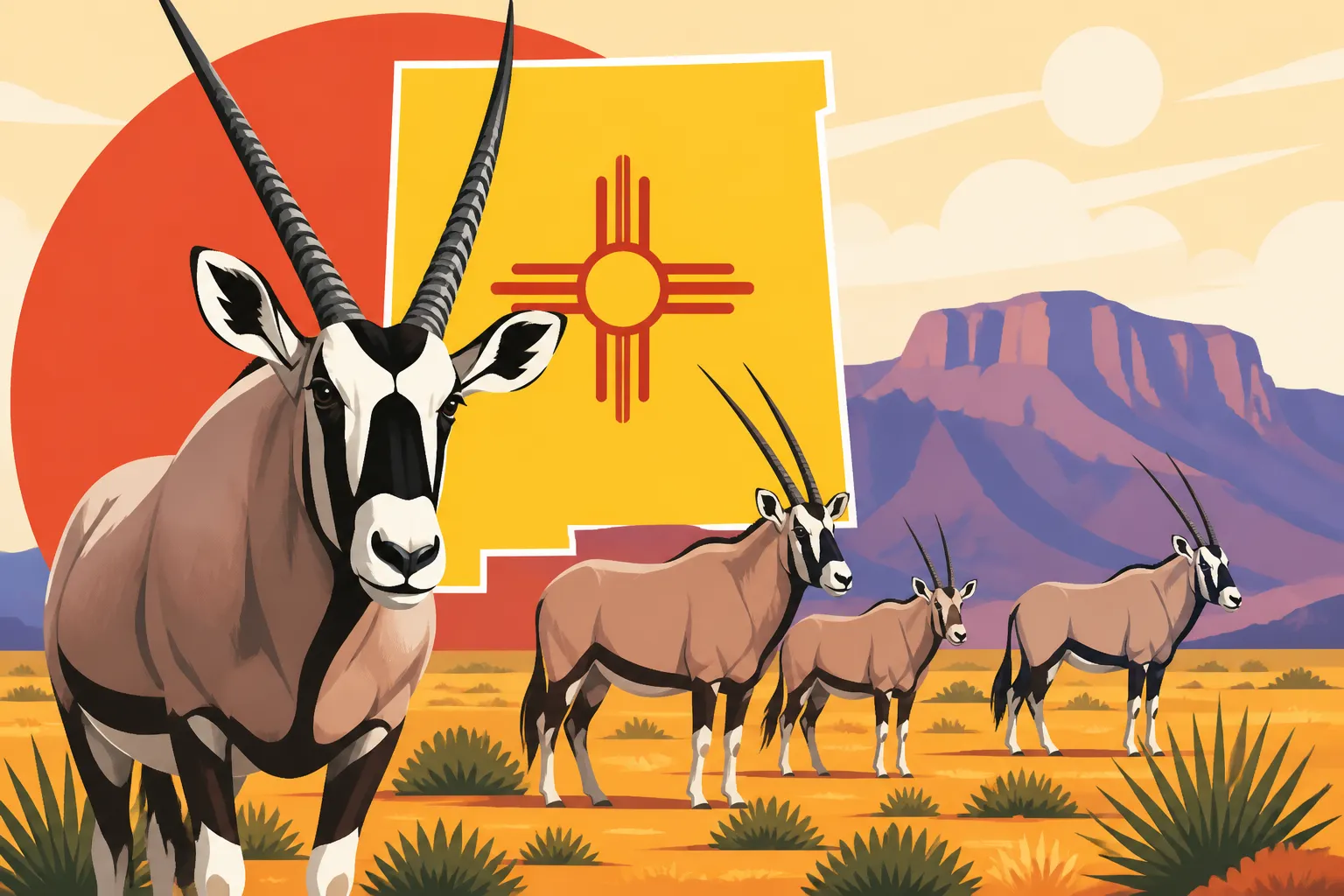
For many hunters, the image of Oryx hunting in New Mexico immediately conjures up visions of the heavily controlled White Sands Missile Range hunts. And while those opportunities are truly iconic, the reality is that the New Mexico landscape hosts thriving Oryx populations off-range as well, presenting a completely different, often more challenging, but incredibly rewarding pursuit for those willing to look beyond the typical. This guide aims to pull back the curtain on these lesser-known hunts, helping you understand where these magnificent animals roam, how to apply for the tags, and what it truly takes to succeed.
Understanding New Mexico's Oryx Introduction and Spread
The story of the Oryx in New Mexico is a fascinating tale of exotic species introduction and successful adaptation. Unlike our native big game, the Oryx, or Gemsbok as they're also known, were brought to the state from Africa, and their incredible resilience allowed them to flourish in the harsh Chihuahuan Desert. But they didn't stay confined to their initial release site forever.
The Initial Stocking at White Sands
Back in the late 1960s, the New Mexico Department of Game and Fish began a bold experiment, releasing Oryx onto the vast, arid expanse of the White Sands Missile Range. The idea was to introduce a large game animal that could thrive in a desert environment, providing new hunting opportunities. The terrain and climate there mirrored their native African habitat, offering ample browse and relatively few natural predators capable of handling a full-grown Oryx. These initial stockings were incredibly successful, leading to a robust, self-sustaining population within a relatively short period. The How Oryx Were Introduced to New Mexico story is truly remarkable, showcasing a conservation success.
Natural Expansion and Migration
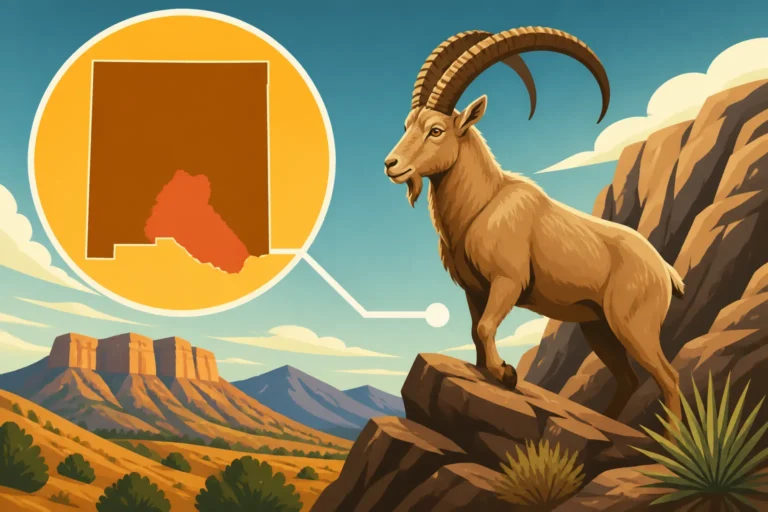
It wasn't long before the Oryx decided that the boundaries of the White Sands Missile Range were merely suggestions. These highly adaptable animals, driven by factors like population density, food availability, and the natural urge to explore, began to disperse. They walked their way north of Highway 70, pushing east into the plains, and migrating south and west into other desert mountain ranges and rolling grasslands. This natural expansion created the "off-range" populations we now see. They didn't just appear overnight; it was a gradual, persistent spread that truly demonstrates their hardiness. Today, it's not uncommon to see them miles from the range, often in areas that look completely different from the missile range’s white gypsum dunes.
The Rationale Behind Off-Range Management
Managing these off-range herds presents unique challenges for the New Mexico Department of Game and Fish. Unlike the contained environment of White Sands, these animals are free to roam across private ranches, BLM land, and state trust land. This means balancing landowner concerns, public hunting access, and population control. The department issues off-range tags to manage these dispersed populations, often targeting areas where the Oryx density is higher or where they might be causing conflicts with agricultural interests. These hunts are crucial for preventing overpopulation in specific areas and maintaining a healthy balance within the broader ecosystem. It's a delicate dance, but one that offers incredible opportunities for hunters seeking a truly wild Oryx experience.
Identifying Key Off-Range Oryx Habitat
Hunting off-range Oryx is a completely different ballgame than a White Sands draw. Instead of a fairly concentrated area, you're looking at vast expanses of diverse desert and semi-desert terrain. Understanding where these animals prefer to hang out is your first step to success.
North of Highway 70: A Different Landscape
One of the primary areas where Oryx have established strong off-range herds is north of US Highway 70, extending into units like 19, 20, 21, and even parts of 23. This landscape differs significantly from the stark White Sands. Here, you'll find more traditional high desert scrub, rolling hills, and scattered mountain ranges. The terrain can be quite broken, with washes, mesquite thickets, and juniper-dotted slopes. Oryx in these areas often favor elevated ground where they can spot predators and hunters from a distance, but they'll descend into draws and flats to feed on grasses and forbs. They become incredibly wary in these units due to less consistent human presence compared to the missile range, making them a true challenge. You'll often find them utilizing pockets of cover that offer both thermal protection and a vantage point.
South and East: Scattered Populations
While the north of Highway 70 is well-known, Oryx have also pushed south and east, forming more scattered populations in units adjacent to the White Sands, and even further afield. Units like 26, 27, and 28 can hold Oryx, though often in lower densities. These areas might feature larger expanses of open, flat desert plains interspersed with smaller mountain ranges like the Organ Mountains or the San Andres Mountains (though much of the San Andres are military-restricted). In these areas, water sources become even more critical. They'll frequent stock tanks, windmills, and natural seeps, especially during the hotter months. The key here is persistence and covering vast amounts of ground. You might not see as many animals, but those you do encounter can offer exceptional hunting experiences due to their wilder nature. Hunters often look for signs around these vital Water Sources and Ethics in Desert Hunting to pinpoint their movements.
Water Sources and Forage Preferences
Regardless of the specific unit, Oryx, like all desert dwellers, are heavily reliant on water. While they are known for their ability to go long periods without drinking, they will seek out reliable water sources, especially during the brutal summer and early fall. Look for stock tanks, guzzlers, and any other standing water, particularly those with good visibility around them. These can be prime locations for early morning or late evening glassing.
Their diet is quite diverse, consisting of various grasses, forbs, and even some shrubs. They are incredibly opportunistic feeders. In off-range areas, their forage will vary depending on the specific topography and vegetation. Areas with a mix of short grasses, brush, and even cacti can provide both food and cover. Understanding these preferences helps narrow down your search area considerably. They are not tied to dense timber, but rather open country where they can use their keen eyesight to detect danger, so focusing your scouting efforts on expansive areas with good visibility but also pockets of cover is essential.
The Unique Challenges and Rewards of Off-Range Hunting
Hunting off-range Oryx is a truly unique experience, diverging significantly from the more structured White Sands hunts. It's a wilder, more unpredictable adventure that demands a different skillset and mindset.
Scouting and Access Considerations
One of the biggest hurdles for off-range Oryx hunters is scouting and access. Without the managed access of White Sands, you're dealing with a mix of public lands (BLM, State Trust Land, National Forest) and private ranchland. This means you absolutely need to be proficient with mapping software like onX Hunt to identify land ownership boundaries. You'll often find excellent Oryx habitat on State Trust Land, which typically requires only your valid hunting license for access, but understanding New Mexico State Trust Land Access Rules is paramount. Remember, you can scout New Mexico Trust Land Scouting New Mexico State Trust Land Fourteen Days Out before your hunt, which is a fantastic opportunity to locate animals.
Private land can be a checkerboard, and getting permission to cross or hunt often requires extensive outreach to landowners well in advance. Don't underestimate the time and effort required for this; showing up unannounced can quickly lead to denied access. Roads can be minimal, and often require a high-clearance 4×4, sometimes even just for two-track trails. Be prepared to hike, and hike a lot, to reach the best spots. The vastness of these areas means you might be alone for days, adding to the primitive feel of the hunt.
Behavioral Differences in Less Pressured Herds
Oryx on the White Sands Missile Range are accustomed to a degree of human activity and vehicle traffic. Off-range Oryx, however, particularly in units further removed from population centers, tend to be significantly wilder and more alert. They face natural predators like mountain lions and coyotes, but their primary defense against hunters is their incredible eyesight and tendency to flee at the first sign of danger. This means long-range glassing is your best friend.
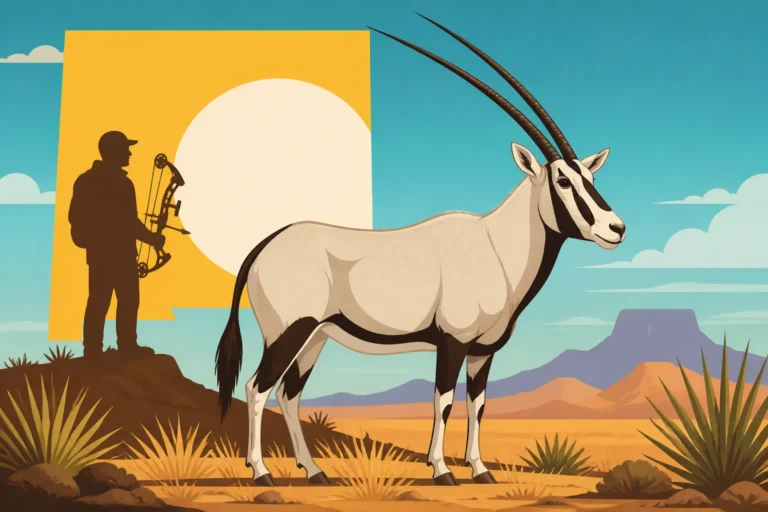
You won't often find them standing casually by the roadside. They'll be on alert, frequently stopping to scan their surroundings. Their ability to blend into the arid landscape, especially with their broken black and white patterns, is astonishingly effective. This wariness makes getting within comfortable rifle range a true test of your stalking skills. Expect to make multiple stalks, often blowing out animals before you get a shot, simply because they saw you first. It's a humbling experience but makes a successful harvest all the more gratifying.
Field Judging Off-Range Oryx
One of the cool things about Oryx is that both bulls and cows grow horns, and judging them in the field can be tricky. While trophy quality often relates to length and symmetry, there isn't the same strict "score" focus as with elk or deer. However, most hunters are looking for mature animals with long, symmetrical, and unbroken horns. Off-range Oryx can still carry impressive headgear.
The key is to look for animals with horns that appear very long relative to their body, often extending well past their ears. The thickness of the horn base can also indicate maturity. When glassing, pay attention to any nicks, breaks, or worn tips that might detract from a trophy. With Do Both Oryx Sexes Carry Horns? it's often more about horn quality than sex, though bulls tend to be more robust. The challenge is often that they are seen at extreme distances, requiring powerful optics to make a confident judgment. Make sure you spend time evaluating animals before committing to a long stalk, as you might only get one chance.
Navigating the Application Process for Off-Range Tags
Drawing an Oryx tag in New Mexico, whether on or off the White Sands Missile Range, is a highly sought-after prize. The application process can seem daunting, but understanding the system is key to maximizing your chances.
Understanding Hunt Codes and Drawing Odds
New Mexico's draw system is unique in that it's a true lottery; there are no preference points, so every applicant has an equal chance each year, regardless of how many times they've applied. This means a first-time applicant has the same odds as someone who has applied for two decades. The key, however, lies in understanding the hunt codes.
Each hunt code specifies a unit, a season, and the weapon type. For off-range Oryx, you'll see various codes for archery, muzzleloader, and any legal weapon seasons across different units. Some units will have incredibly low draw odds due to high popularity and trophy potential, while others might offer slightly better chances. This is where researching New Mexico Oryx Draw Odds becomes critical. You'll need to pore over the draw results from previous years to see which hunt codes had the highest success rates and which were less popular. Don't be afraid to read a Reading a New Mexico Hunt Code Before You Apply to ensure you're applying for exactly what you want.
Non-Resident vs. Resident Opportunities
New Mexico has a specific allocation system that impacts non-residents. Generally, 84% of tags go to residents, 10% to outfitter-sponsored clients, and a mere 6% to non-residents applying independently. This makes drawing an off-range Oryx tag as a non-resident incredibly difficult. While the Nonresident New Mexico Oryx Tag Pricing is substantial, the true cost is the long odds.
For non-residents, the options are typically to apply in the general draw and hope for a miracle, or consider going through the outfitter pool. Applying with a New Mexico registered outfitter can slightly improve your odds, as you're in a smaller, dedicated pool, but it comes with the added cost of a guided hunt. Even with an outfitter, it's still a lottery system, so there are no guarantees. Understanding this dynamic is crucial for setting realistic expectations, especially if you're traveling a long distance for this opportunity.
Strategies for Improving Your Chances
While there are no "guaranteed" ways to draw an off-range Oryx tag, there are strategies you can employ to nudge the odds in your favor:
- Research Low-Demand Hunts: Some off-range units or specific hunt dates historically have fewer applicants. These are often late-season hunts or units known for more challenging terrain or lower Oryx densities. While the quality might still be there, the perception of difficulty can reduce applicant numbers. Utilize resources like GoHunt's draw odds tools to analyze these trends. They compile historical data that can be invaluable in making informed choices.
- Consider Group Applications: New Mexico allows group applications. If one member of the group draws, the whole group draws. While this doesn't inherently improve individual odds, it means if your most "lucky" buddy draws, you all benefit. Just make sure everyone is committed to the hunt!
- Stay Flexible: Don't just apply for the "trophy" units. Be open to any off-range tag. The experience of hunting Oryx in New Mexico's wild places is a trophy in itself, regardless of the unit's reputation.
- Utilize GoHunt for Application Insights: Platforms like GoHunt offer detailed breakdowns of draw odds, success rates, and unit information that go far beyond the basic NMDGF statistics. They can help you identify those diamond-in-the-rough hunt codes that might fly under the radar of many applicants, dramatically increasing your chances of success. They also provide valuable e-scouting layers and tools to help you assess unit accessibility and habitat before you even apply.
Essential Gear and Tactics for Success
An off-range Oryx hunt demands specific gear and tactics tailored to the vast, open, and often rugged desert environment. Being prepared for anything is key to turning an opportunity into a successful harvest.
Optics for Wide-Open Terrain
In New Mexico's off-range Oryx country, your optics are arguably your most important piece of gear. You'll be spending countless hours behind glass, meticulously scanning vast landscapes. A high-quality pair of 10x or 12x binoculars are essential for handheld glassing, but even more critical is a good spotting scope. A 20-60x or even 25-75x spotting scope, mounted on a sturdy tripod, will be invaluable for locating animals at extreme distances, determining if they're Oryx (and not cows or feral horses), and most importantly, judging their horns.
You'll be trying to pick out a white and brown animal against a backdrop of similar colors, often in mirage-shimmering heat. The clarity and light-gathering capabilities of top-tier optics like those from Swarovski, Zeiss, or Kowa truly shine here. Many hunters rely on techniques like The Grid Glassing Method, Step by Step to systematically cover ground without missing any hidden gems. You simply cannot effectively hunt these areas without excellent glass.
Rifle and Ammunition Choices
Oryx are incredibly tough animals. They are large-bodied, heavily muscled, and possess a tenacious will to live. Shot placement is paramount, but using an adequate cartridge is equally important. Many experienced Oryx hunters favor cartridges that deliver significant energy and use well-constructed, heavy-for-caliber bullets.
Common recommendations include .300 Winchester Magnum, .300 PRC, 7mm Remington Magnum, .338 Winchester Magnum, or even larger calibers. Whatever you choose, practice shooting at extended distances, as shots often exceed 300 yards in the open country. A quality scope with dialing capabilities or a good BDC reticle is highly recommended. Make sure your rifle is zeroed correctly for the anticipated distances, perhaps considering a Rifle Zero Distance for Canyon Country of 200 or 250 yards to minimize holdover at common ranges. Premium bonded or monolithic bullets are excellent choices to ensure deep penetration and reliable expansion on a thick-skinned animal.
Spot and Stalk Techniques for Off-Range Hunts
The vast, open nature of off-range Oryx habitat makes spot and stalk the predominant hunting method. This isn't a stand hunt or a calling game; it's all about finding them before they see you, then using terrain and wind to close the distance.
- High-Point Glassing: Start your day by gaining elevation and setting up your spotting scope. Spend hours methodically glassing all accessible terrain. Oryx often feed in the mornings and evenings, bedding down during the heat of the day.
- The Stalk: Once an animal is located, the real work begins. Plan your approach meticulously, using draws, ridges, and vegetation to stay out of sight. Pay extreme attention to the wind direction. Oryx have an excellent sense of smell, and a single whiff of your presence will send them packing. The challenge is often that there's simply no cover. This is where patience, slow movement, and taking advantage of every small dip or bush become crucial.
- Staying Hydrated: Desert hunting is physically demanding, and Water You Must Carry on a Desert Day Hunt cannot be stressed enough. Carry more water than you think you need. Dehydration is a serious risk.
- Practice Patience: Oryx can cover ground quickly when alarmed. If your stalk is busted, don't necessarily give up. Sometimes they'll run a short distance and stop to assess the threat. Be ready to re-evaluate and attempt another, even more careful, approach. It's often a game of cat and mouse, and the most patient hunter usually wins.
Post-Harvest Considerations and Ethical Practices
Successfully harvesting an off-range Oryx is a momentous achievement, but the hunt isn't over until the meat is cared for, your tag is validated, and all ethical responsibilities are met. The remote nature of many off-range units adds extra considerations.
Field Dressing and Meat Care in Desert Conditions
Unlike hunting in cooler, forested environments, an Oryx hunt in New Mexico's desert often takes place in significant heat, sometimes exceeding 80 or 90 degrees Fahrenheit, even into the late fall. This heat is your enemy when it comes to meat spoilage. As soon as your Oryx is down, the clock starts ticking.
Rapid field dressing is absolutely essential. Get the guts out immediately to allow the carcass to cool internally. If you have the tools, quartering the animal and getting the meat into game bags as quickly as possible is the next step. Many hunters bring large coolers filled with ice, planning to get the meat cooled down within hours, not days. If you're deep in the backcountry, you might need to make multiple trips to pack out the quarters, so having a good pack frame and a plan for Getting Meat Cooled on an Early Season Hunt is critical. The meat of Oryx is lean and delicious, often compared to high-quality beef or venison, but only if it's handled properly in the field. Don't let your hard-earned trophy go to waste.
Mandatory Reporting and Carcass Transport
New Mexico has specific requirements for tagging and reporting your harvest. Once the animal is down, your tag must be notched and attached to the carcass immediately. Be sure to fill out all required information accurately.
For carcass transport, New Mexico requires "evidence of sex" to remain attached to the carcass until it reaches the hunter's home or a commercial processing plant. For Oryx, this usually means the head with horns attached, or if quartered, a significant portion of the hide showing the sex. Always check the current year's regulations booklet for exact details, as these rules can change. If you're traveling across state lines, be aware of any CWD (Chronic Wasting Disease) regulations that might restrict the transport of certain carcass parts. While Oryx are not susceptible to CWD, other big game species are, and it's always good to be informed. The New Mexico Department of Game and Fish will provide instructions on Mandatory Reporting After a New Mexico Harvest, which is often done online or by phone.
Respecting the Resource and Landowners
Hunting off-range Oryx often means navigating a complex tapestry of public and private land. Ethical hunting extends beyond the shot. Always respect land boundaries and ensure you have proper permission before accessing private property. If you've been granted access by a landowner, leave their property better than you found it. Close gates, don't litter, and drive only on established roads.
This also means adhering to the principles of fair chase and responsible hunting. Oryx are magnificent animals, and the opportunity to hunt them in their adopted wild landscape is a privilege. Do your part to ensure future generations have the same chance. This includes understanding The Meat Salvage Requirements for Big Game and ensuring no usable meat is left in the field. Your actions reflect on the entire hunting community, so represent us well!
| Hunt Type | Primary Location | Key Challenges | Typical Draw Odds (Non-Resident) | Access Type |
|---|---|---|---|---|
| White Sands Missile Range | Designated military zones | High demand, military operations, specific rules | Very low (<1%) | Highly controlled, specific entry points |
| Off-Range Oryx | Various units (19, 20, 21, 26+) | Vast terrain, wary animals, mixed land ownership | Low (1-5%) | Public (BLM, State Trust), private permission |
Disclaimer
Please note: Hunting regulations and seasons can change. Always consult the most current New Mexico Department of Game and Fish hunting proclamation and regulations booklet before planning any hunt. This guide is for informational purposes only and does not supersede official state regulations.