Nonresident Cow Elk Tag Pricing in New Mexico
Figuring out the true cost of a nonresident cow elk tag in New Mexico can feel like navigating a maze, leaving many hunters frustrated and unsure of how to budget effectively for their dream hunt. It’s not just about the tag itself; there are several mandatory fees that can quickly add up and catch you off guard. This comprehensive guide is here to demystify the pricing structure, breaking down every cost associated with a nonresident cow elk tag so you can plan your New Mexico hunting adventure with complete financial clarity.
Understanding the Base Price of a Nonresident Cow Elk Tag
Let's get right to it: the sticker shock is real for nonresident hunters in New Mexico, but understanding what you're paying for makes a huge difference. While a cow elk tag is generally more affordable than a bull tag, it still represents a significant investment. New Mexico uses a draw system for most of its big game tags, including elk, which means you’ll be applying well in advance, and your payment method will be charged if successful. This is different from over-the-counter opportunities common in some other states, so the initial outlay of funds needs to be accounted for.
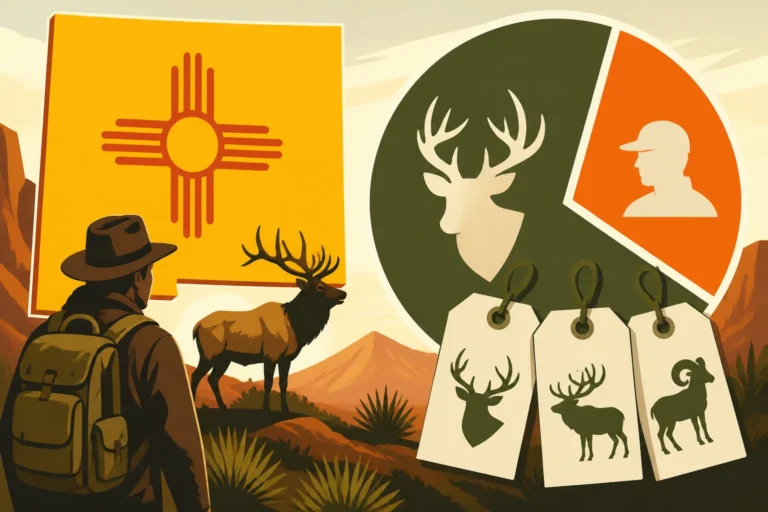
New Mexico operates on a specific allocation system, where New Mexico Splits Every Hunt 84, 10 and 6 Percent for residents, outfitters, and nonresidents respectively. While the odds can be tough, securing a cow tag in a good unit can provide an incredible hunting experience and a freezer full of delicious meat.
The Current Nonresident Game Hunting License
Before you can even think about an elk tag, every nonresident hunter needs to purchase a New Mexico Game Hunting License. This isn't just a formality; it's your baseline permission to hunt any game in the state for the current license year. The cost for this license is often overlooked when people initially budget for an elk hunt, but it's absolutely non-negotiable.
Currently, The Nonresident New Mexico Game Hunting License will set you back around $170. This fee is due whether you draw a tag or plan to buy a leftover tag, as it’s the fundamental authorization to participate in any hunting activities. Think of it as your hunting "entry ticket" to the state. Without it, even if you miraculously secure an elk tag, you can’t legally hunt. It's a key piece of the puzzle that ensures you're contributing to the state's wildlife management efforts, and it covers a wide array of smaller game and birds in addition to being a prerequisite for big game.
The Specific Cow Elk Tag Cost
Now for the main event: the actual price of the cow elk tag itself. For nonresident hunters in New Mexico, a cow elk tag is significantly cheaper than a bull tag, which can run upwards of $700. This makes cow elk hunts a popular and often more accessible option for nonresidents looking to experience New Mexico elk hunting without the higher price tag or intense draw odds associated with trophy bull units.
As of the most recent fee schedule, a nonresident cow elk tag in New Mexico costs $555. This is the cost you'll pay in addition to your Game Hunting License and other associated fees, assuming you are successful in the draw. When you apply through the New Mexico Department of Game and Fish (NMDGF) draw system, your card will be charged this amount only if you're selected for a tag. Many hunters focus on cow tags for the excellent meat, the opportunity to hunt a less pressured animal, or simply to gain experience in a new unit. It's a fantastic way to participate in New Mexico's elk program without breaking the bank on a trophy bull permit, offering a solid chance at success.
Essential Additional Fees to Budget For
It's a common story: you've factored in the main tag cost, maybe even the hunting license, but then you get hit with a few extra mandatory fees that make your total significantly higher than you anticipated. It's frustrating, right? New Mexico is no exception, and there are a couple of additional items that every nonresident hunter needs to include in their budget. Many hunters rely on resources like GoHunt to help them navigate these complex fee structures and understand the full financial picture before they apply. This transparency is crucial for avoiding unwelcome surprises down the road.
These fees often contribute directly to habitat improvement and access, so while they add to your overall cost, they also support the very resources you’re utilizing for your hunt. Senate Bill 5 Raised New Mexico Fees for the First Time in 20 Years, so it’s more important than ever to be aware of the current numbers.
Habitat Management and Access Validation HMAV
The Habitat Management and Access Validation, or HMAV, is a mandatory fee for anyone holding a hunting or fishing license in New Mexico. It's specifically designed to generate funds for habitat improvements and to secure public access to private lands, which is a huge benefit for hunters. Even if you plan on hunting solely on public lands like National Forests or BLM, the HMAV is still required.
The current cost for The New Mexico HMAV Validation Explained is $4. While it's a small fee compared to the license or tag, it's one more line item to add to your total. Missing this tiny fee could invalidate your entire hunting trip, so it’s essential to ensure it’s part of your application process. This validation ensures that the funds are available to maintain and enhance the places where these animals live and where we as hunters pursue them.
New Mexico Habitat Stamp
Beyond the HMAV, many hunters will also need to purchase a New Mexico Habitat Stamp. This stamp is specifically required for anyone hunting, fishing, or trapping on Bureau of Land Management (BLM) lands or U.S. Forest Service lands within New Mexico. Given that a vast majority of New Mexico's public hunting opportunities for elk occur on these federal lands, it's highly likely you'll need one.
The current cost for The New Mexico Habitat Stamp for Federal Land is $10. If your chosen elk unit includes any federal land—which most do, especially for prime elk habitat in areas like the Gila National Forest, Carson National Forest, or Lincoln National Forest—then this stamp is a must-have. Just like the HMAV, it’s a relatively small fee but essential for legal hunting on federal grounds. Neglecting it could lead to fines and a ruined hunt, so double-check your unit map and add it to your budget.
Application Fees and Draw Strategy
Here's another point where confusion can creep in: the application fee itself. When you apply for a draw tag in New Mexico, there's a non-refundable application fee per species. This fee covers the administrative costs of processing your application, regardless of whether you are successful in drawing a tag. It's an investment in the chance to hunt.
For elk, the application fee for nonresidents is $7. This fee is charged immediately when you submit your application and, as mentioned, it is not refunded if you are unsuccessful. This is why it’s critical to understand that even if you don't draw, you'll still be out the application fee. Many hunters strategically apply for multiple species or multiple choices within their elk application (first, second, third choice units/dates). Each species application incurs this fee, but applying for multiple choices within a single species (like elk) typically only charges the fee once for that species.
Understanding the draw odds can be complex, and tools like those offered by GoHunt provide invaluable insights into historical draw statistics, helping you make informed decisions about your unit choices. This can be especially useful for nonresidents who are trying to maximize their limited budget and improve their chances. Remember that Are New Mexico Application Fees Refundable? The answer is generally no, making careful planning and understanding your choices paramount. For comprehensive analysis and a clear picture of success rates, Checking New Mexico Draw Odds Before You Apply is always a wise move.
Understanding the All-In Cost for a Nonresident Cow Elk Hunt
So, what's the grand total for a nonresident cow elk tag when all is said and done? It's more than just the tag price, that's for sure. The cumulative cost might surprise those who only looked at the "cow tag" line item, but being prepared means no last-minute financial scrambling. While the general draw is the most common and often most affordable route for nonresidents to acquire a cow elk tag, it’s worth a quick mention that options like EPLUS tags or outfitter-allocated tags also exist. However, these are generally geared more towards bull hunts or involve significantly higher costs, and typically bypass the standard public draw process. For a cow elk, the draw is almost universally the path taken by self-guided hunters.
It’s crucial to understand that The All-In Cost of a New Mexico Elk Hunt extends far beyond just these license and tag fees, but nailing down the regulatory expenses is your first, most important step.
Calculating Your Total Tag-Related Expenses
Let's put all those numbers together to give you a clear picture of what to expect for the tag and mandatory licenses. This table will make it easy to see the full financial commitment just to get a tag in your pocket.
| Item | Nonresident Cost |
|---|---|
| New Mexico Game Hunting License | $170 |
| Nonresident Cow Elk Tag | $555 |
| Habitat Management & Access Validation | $4 |
| New Mexico Habitat Stamp | $10 |
| Elk Application Fee (Non-refundable) | $7 |
| Estimated Total Tag & License Cost | $746 |
So, a nonresident hunter can expect to pay approximately $746 for a New Mexico cow elk tag, assuming success in the draw and purchasing all necessary licenses and stamps. This total doesn't include the cost of travel, gear, food, lodging, or meat processing, which can often double or triple the overall cost of the hunt. This is solely the price to legally carry a tag in the field. Keep in mind that prices can change year to year, so always consult the latest NMDGF regulations. It's also a good idea to research New Mexico Leftover License Sales after the draw, as sometimes cow tags become available, though the initial fees remain the same.
The Role of EPLUS and Outfitter Tags
While the general draw is the most direct route for a nonresident cow elk tag, it's worth a quick note on other tag acquisition methods. New Mexico has programs like EPLUS, which stands for Elk Private Land Use System, where private landowners receive elk authorizations (tags) that they can then sell directly to hunters. How EPLUS Puts New Mexico Elk Tags in Landowner Hands explains this system in detail. These EPLUS tags typically come at a premium, often significantly higher than draw tags, and are usually tied to specific ranch access. While some EPLUS tags might be for cows, they aren't usually the budget-friendly option a nonresident draw tag is.
Similarly, New Mexico reserves a portion of its tags for clients applying with a registered outfitter, known as the outfitter draw pool. The New Mexico Outfitter Draw and Its Two-Day Rule details how this works. While applying with an outfitter can improve your odds, the cost of a fully guided hunt (which includes the outfitter's fees on top of the tag) usually starts in the many thousands of dollars, making it a different category of hunt altogether. For the average nonresident seeking a cow elk, the public draw remains the most accessible and cost-effective path. GoHunt also provides insights into these various tag types, helping hunters understand their options, even if the general draw is their primary focus.
Budgeting Beyond the Tag: A Realistic View
Alright, you've got your tag and licenses accounted for – congratulations! But anyone who has ever truly hunted out West knows that the tag cost is just one piece of a much larger financial puzzle. If you're coming from out of state, especially, the expenses can quickly stack up. It’s important to be realistic about this from the outset to avoid stress and ensure you can fully enjoy your experience. Hunting isn’t just a sport; it’s an adventure that requires careful planning and a solid budget that goes far beyond the price of admission.
Travel, Lodging, and Logistics
When you're traveling to New Mexico from another state, the costs associated with getting there and having a place to lay your head can quickly become the largest expense.
- Fuel/Flights: If you’re driving, think about the immense distances. New Mexico is a big state, and even once you're here, your hunting unit might be hundreds of miles from the state line. Fuel costs add up fast. If you're flying, factor in airfare, baggage fees (especially for hunting gear), and potentially a rental car, which can be pricey, particularly if you need a 4×4 for rougher roads.
- Lodging: Are you camping? That's usually the most budget-friendly option, but even developed campgrounds can have fees. If you prefer a motel or hotel in a nearby town, costs will increase dramatically, especially during hunting season when demand is high. Factor in multiple nights, possibly a night before and after the hunt for travel, and you're looking at several hundred dollars easily.
- Food and Water: While you can pack a cooler with essentials, you'll still need groceries and often a significant amount of water, especially in drier desert units or for multi-day backcountry trips. Resupply runs to town also burn fuel and time.
- Road Closures: Be aware that seasonal road closures, especially on Forest Service or BLM lands, can force you to take longer routes or hike further, increasing fuel consumption or demanding more time, which translates to more lodging costs.
Gear, Supplies, and Meat Processing
You likely already own some hunting gear, but a trip to New Mexico, especially for elk, often requires specific items or upgrades.
- Weapon and Ammo: Ensure your rifle, bow, or muzzleloader is in top shape and sighted in. Don't forget quality ammunition, which has become a significant expense in recent years.
- Optics: Good binoculars and potentially a spotting scope are indispensable for glassing the vast New Mexico landscape.
- Clothing and Footwear: The desert can be brutally hot, and the mountains can be freezing, sometimes in the same day. Layering is key, and durable, comfortable boots are non-negotiable for rocky, uneven terrain. Consider your footwear carefully; Choosing Boots for Rocky Desert Ground is vital for comfort and safety. Proper Layering for Gila Temperature Swings will keep you comfortable in diverse conditions.
- Backcountry Essentials: If you're planning a DIY backcountry hunt, you'll need a good pack, shelter, sleeping system, water filtration, and navigation tools (GPS, satellite communicator).
- Meat Processing: This is a crucial cost once you're successful. Field dressing supplies (game bags, knives), coolers, and plenty of ice are necessary, especially if you're hunting in warm early-season conditions where Getting Meat Cooled on an Early Season Hunt is paramount. If you use a professional processor, that can run several hundred dollars. Shipping meat home, if you’re flying, is another substantial expense.
- Physical Preparation: Don't forget the "cost" of your physical condition. Hunting New Mexico elk, especially in higher elevations, demands physical fitness. Investing time and effort in Preparing Physically for a High Elevation Hunt is a hidden cost that pays dividends.
Contingency Planning
No matter how well you plan, unexpected things happen in the backcountry or on a long road trip.
- Vehicle Repairs: A flat tire, a broken-down truck in a remote area – these can lead to costly towing and repair bills, especially if you're far from services.
- Medical Emergencies: While we all hope for a safe hunt, accidents can occur. Having adequate insurance and emergency funds is critical.
- Lost Gear: A dropped rangefinder, a lost headlamp – replacing essential gear on the fly can be expensive and inconvenient.
Factoring in a "contingency fund" of a few hundred dollars for unforeseen circumstances is always a smart move. It allows you to tackle challenges without completely derailing your budget or your enjoyment of the hunt.
Disclaimer
Please note that hunting regulations, license fees, and season dates are subject to change by the New Mexico Department of Game and Fish. It is the hunter's sole responsibility to verify all current regulations and pricing before applying or heading afield. This guide is for informational purposes only and should not be considered legal advice or a substitute for official NMDGF publications.