What Meals Look Like on a Guided Hunt
One of the biggest unknowns when you book a guided hunt, especially in a state like New Mexico with its vast and varied terrain, is what exactly you'll be eating. Will it be gourmet campfire cooking or will you be gnawing on a dry protein bar? This guide aims to pull back the curtain on the culinary landscape of guided hunts, helping you set realistic expectations for your adventure, from the high peaks of the Sangre de Cristos to the desert floor of the Chihuahuan.
The Spectrum of Guided Hunt Cuisine in New Mexico
The kind of food you’ll encounter on a guided hunt in New Mexico is often directly tied to the type of hunt and the accessibility of your camp. It’s a huge state, and what’s feasible for an outfitter to provide in a remote wilderness setting is very different from what they can offer in a lodge accessible by truck. Understanding this spectrum is key to managing your expectations and making sure you’re adequately fueled for the challenge ahead.
Backcountry Basics: Fueling the Gila Grind
If your New Mexico hunt takes you deep into the wilderness, like a remote archery elk hunt in the Gila National Forest, don't expect five-star dining. The reality of packing every single item in on horseback or by foot means that meals are designed for efficiency, energy density, and shelf stability, not culinary flair. And honestly, that's exactly what you need when you're physically pushing yourself through Hunting New Mexico From 4,000 Feet to 10,000 for miles each day.
Your guides will be focused on providing the calories and nutrients you need to stay strong and alert, capable of handling the physical demands of high-country hunting. This often means a diet rich in carbohydrates and proteins to keep your energy levels up. Think dehydrated meals that are easily rehydrated with boiling water, often consumed right from the pouch to minimize dishes. These aren't necessarily bland or boring; many modern brands offer surprisingly tasty options that are packed with flavor. You might see oatmeal or instant grits for breakfast, pre-packaged sandwiches or wraps for lunch that hold up well in a pack, and hearty freeze-dried dinners like chili, pasta with meat sauce, or chicken and rice. Snacks like granola bars, trail mix, jerky, and fruit leathers are also staples, providing quick bursts of energy throughout the day. The focus here is on function over form, and after a grueling day of chasing elk, a hot, calorie-rich meal, no matter how humble, tastes like a feast. This approach is fundamental to What a New Mexico Drop Camp Actually Includes might offer.
Front-Country Comforts: Lodge and Wall Tent Dining
Move closer to civilization, or at least to a camp accessible by vehicle or ATV, and the culinary experience often shifts dramatically. Many New Mexico outfitters, especially those running hunts from established base camps or private ranches, pride themselves on providing delicious, home-cooked meals. This is where a dedicated camp cook can really shine, turning out meals that feel incredibly luxurious after a long day in the field.
These camps often feature sturdy wall tents with wood stoves, or even comfortable lodges, offering a warm, dry place to eat and relax. Here, you can expect hot, sit-down meals that often mirror what you’d cook at home, but perhaps in larger, more communal portions. Breakfasts might be eggs, bacon, sausage, pancakes, or biscuits and gravy. Lunches, if you're returning to camp, could be hot soups, sandwiches on fresh bread, or leftovers from dinner. Dinners are where these camps really excel: think slow-cooked roasts, grilled steaks, hearty stews, pasta dishes, or even fresh fish, often accompanied by fresh vegetables, salads, and homemade desserts. The ability to bring in fresh ingredients and use a full camp kitchen allows for a much wider variety and higher quality of food. It’s a welcome comfort, especially when you’re dealing with cold weather or the mental fatigue of a tough hunt. This type of provision is a key part of What a Fully Guided New Mexico Elk Hunt Includes in many outfitters' packages.
Common Menu Items and Dietary Considerations
While the style of meals varies, there are some common threads you'll find across most guided hunts in New Mexico. However, it's also crucial to consider any specific dietary needs you might have, and how to best communicate those to your outfitter.
Breakfast: The Day Starter
Breakfast on a guided hunt is more than just a meal; it's the critical fuel for the demanding day ahead. You’ll typically be up before dawn, often in the dark, and heading out into the cold. A substantial breakfast is essential to keep you going until lunch, especially when you’re Preparing Physically for a High Elevation Hunt.
In a front-country camp or lodge, expect classic hearty fare: scrambled eggs, crispy bacon or sausage, pancakes or French toast with syrup, oatmeal, and plenty of coffee. Some outfitters might offer breakfast burritos, which are portable and packed with energy. In more remote backcountry camps, breakfast might be instant oatmeal, granola with powdered milk, or even a rehydrated breakfast skillet. Regardless of the form, the goal is always to load you up with calories and sustained energy. Don't skip breakfast, even if you're not a big morning eater at home. Your body will thank you later when you're climbing a steep ridge in the Gila.
Lunch: Fuel in the Field
Lunch during a hunting day is usually a more portable affair, designed to be eaten quickly in the field without taking too much time away from the hunt. This means efficiency is key.
For most hunts, especially those involving continuous movement away from camp, you'll be provided with a packed lunch. This almost universally consists of sandwiches or wraps – often made with deli meat, cheese, and sometimes a spread. Alongside that, expect an assortment of snacks: a piece of fruit (apple, orange), a bag of chips, a granola bar, jerky, cookies, or candy. These items are chosen because they’re easy to carry, don’t require reheating, and provide quick energy. Sometimes, if you're hunting closer to camp, your guide might arrange for a hot lunch back at the base camp, but this is less common for active hunting days. Always be prepared to eat your lunch wherever you find yourself, whether it's perched on a rock overlooking a basin or tucked into a draw out of the wind.
Dinner: Replenishing After the Hunt
Dinner is often the most anticipated meal of the day, a chance to relax, share stories from the hunt, and truly refuel your body after hours of physical exertion. It’s also often where the outfitter can showcase their hospitality.
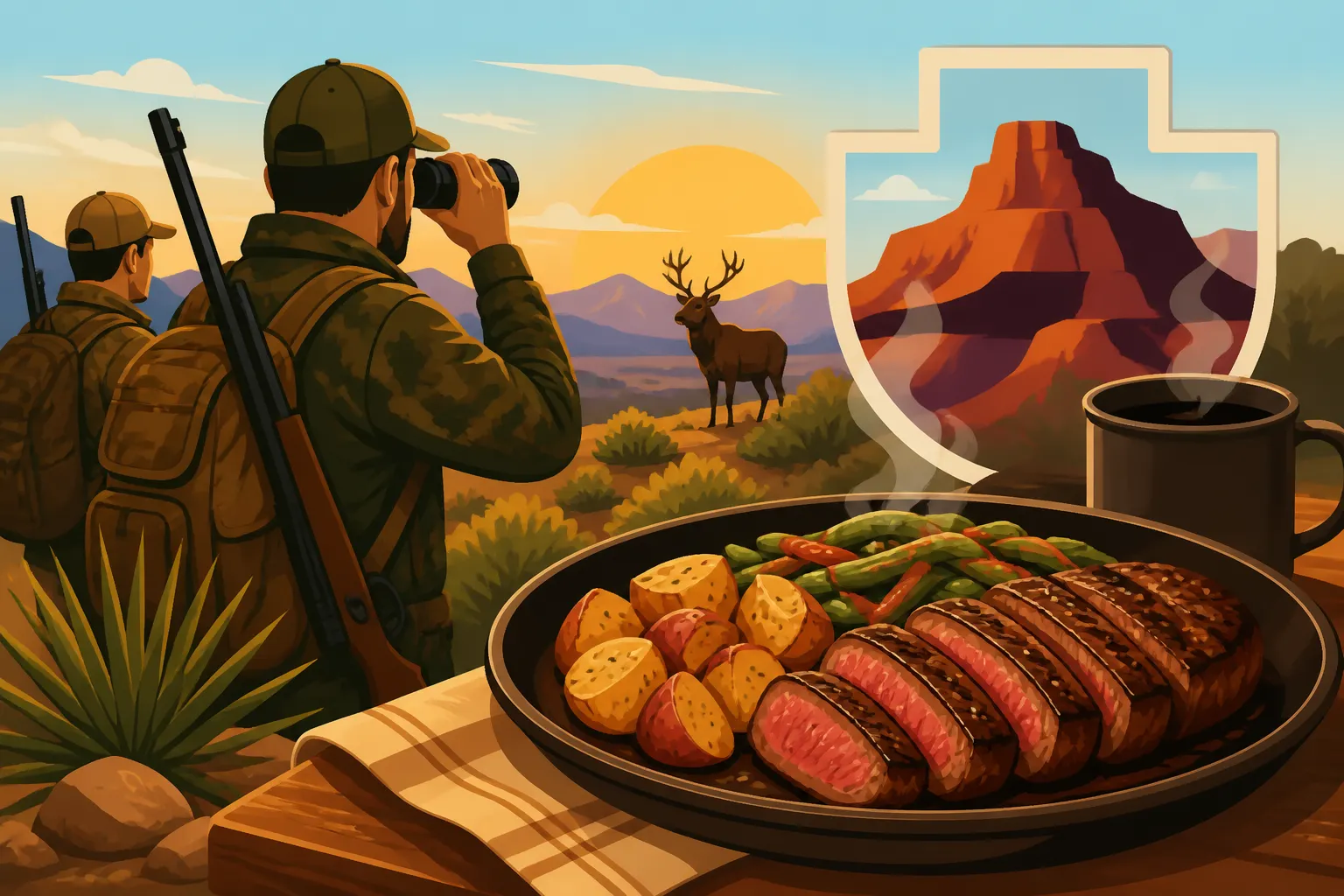
In front-country settings, dinners are usually substantial, hot meals. Think of dishes like roast beef with potatoes and vegetables, grilled chicken, hearty chili, spaghetti with meat sauce, steak night, or even fresh wild game if the outfitter also runs fishing trips or has access. Desserts like pies, cakes, or cookies are also common. In backcountry camps, dinners will still be hot and substantial, but often in the form of rehydrated meals or simple, one-pot dishes that are easy to prepare and clean up. Think pasta dishes, stews, or rice and bean concoctions. The key is calorie replenishment and a comforting warmth. Many outfitters understand that a good dinner boosts morale and helps you recover for the next day's hunt.
Accommodating Special Dietary Needs
This is a really important point, and one that causes a lot of anxiety for hunters with specific dietary requirements or allergies. The good news is that most reputable New Mexico outfitters are accustomed to handling various dietary needs, provided you communicate them clearly and well in advance.
If you have allergies (nuts, dairy, gluten), are vegetarian, vegan, or have other dietary restrictions (e.g., medical reasons, religious observances), you absolutely must discuss this with your outfitter when you are booking or in the initial planning stages. Do not wait until you arrive at camp. Give them as much lead time as possible, ideally weeks or even months out. This allows them to plan menus, purchase special ingredients, and ensure they have adequate provisions for you. While a backcountry camp might not be able to offer a full vegan gourmet experience, they can usually make accommodations like providing gluten-free alternatives for starches or ensuring vegetarian protein sources are available. Be realistic about the limitations of a remote camp, but also be firm about your needs for safety. For example, a severe peanut allergy needs to be taken extremely seriously. When researching outfitters on platforms like GoHunt or BookYourHunt, look for those who mention their flexibility with dietary needs in their descriptions or reviews, and then follow up with direct questions.
What to Expect and What to Ask
Knowing what questions to ask and what preparations you can make will ensure you're well-fed and comfortable throughout your New Mexico hunting adventure.
Clarifying Food Expectations Before You Book
Don't leave food to chance. It's a fundamental part of your hunt, impacting your energy, comfort, and overall experience. When you're talking to potential outfitters, whether through a service like BookYourHunt or directly, make sure to ask specific questions about meals. This is one of the Questions Worth Asking Before You Book.
Here’s a small table of things you might ask:
| Aspect of Meals | Specific Questions to Ask |
|---|---|
| Meal Style | Are meals served lodge-style, in a wall tent, or primarily field-eaten? Will I be getting hot meals every night? |
| Food Type | What kind of food do you typically serve for breakfast, lunch, and dinner? Is it home-cooked or primarily pre-packaged? |
| Dietary Needs | How do you handle dietary restrictions or allergies (e.g., gluten-free, vegetarian, nut allergies)? What do I need to communicate, and by when? |
| Snacks/Drinks | Are snacks provided throughout the day, or should I bring my own? What about non-water drinks like juice, soda, or coffee beyond breakfast? |
| Water Supply | How is drinking water supplied in camp and in the field? Is it filtered, bottled, or from a natural source? |
| Special Requests | Is there anything you particularly enjoy or dislike that I should mention? (While not always accommodated, it shows you're thinking ahead.) |
A good outfitter will be happy to discuss their meal plans and address any concerns. If they're vague or dismissive, that could be a red flag. Remember, you're paying for a service, and clear communication benefits everyone. You might also ask if they provide a The Gear List Your Outfitter Will Send, as these often include recommendations for personal snacks.
Packing Your Own Supplementary Snacks
Even with the best outfitter meals, there's always room for personal preference and extra insurance. I always recommend bringing some of your own favorite snacks, energy bars, and comfort foods. This isn't a criticism of the outfitter's provisions; it's simply a way to ensure you have exactly what you need, when you need it.
Having your own stash means you can grab an extra energy bar before a tough climb, have a specific type of electrolyte chew you prefer, or enjoy a piece of dark chocolate after a long day. It's also great if you find yourself feeling a little hungry between meals, or if you simply need a taste of home. Pack items that are durable, calorie-dense, and don't require special storage. Think high-quality granola bars, protein bars, individual packets of nuts or trail mix, dried fruit, jerky, or even some hard candies for a quick sugar boost. These small additions can make a big difference in your energy levels and overall mood during a challenging hunt. This is particularly true if you're on a deep backcountry hunt, where every calorie counts.
Water and Hydration in New Mexico's Diverse Terrain
Beyond food, hydration is paramount, especially when hunting New Mexico's varied landscapes, which can range from arid deserts to high-altitude mountains. Heat Management on an Early Season Hunt is critical, as is staying hydrated when you're physically exerting yourself at high elevations.
Outfitters will always provide water, but the method varies. In front-country camps, you'll likely have bottled water or a large dispenser. In backcountry camps, water might be filtered from a stream, hauled in, or melted snow. Always ask your outfitter how water will be managed and what your personal responsibility is for carrying it in the field. I recommend carrying a personal water filter or purification tablets/drops as a backup, especially on wilderness hunts. You should also consider bringing electrolyte powders or tablets to add to your water, which can help replenish minerals lost through sweat, particularly important when hunting in warm weather or at high altitudes. Staying properly hydrated prevents fatigue, headaches, and can even prevent more serious conditions like heat exhaustion or altitude sickness. Don't underestimate the importance of water; it’s just as vital as the food you eat for a successful hunt.
Disclaimer
This article is for general informational purposes only and does not constitute professional advice. Laws, prices and regulations vary by location and change over time. Consult a qualified professional for guidance on your specific situation.