How Trespass Fee Arrangements Work
Navigating the world of hunting access in New Mexico can sometimes feel like trying to solve a Rubik's Cube blindfolded, especially when you're dreaming of private land opportunities but a fully guided hunt isn't in the cards. Many hunters find themselves frustrated by crowded public lands or the daunting price tag of a comprehensive outfitter package. This guide is here to shed light on a often misunderstood but valuable option: trespass fee arrangements, explaining exactly how they work and what you can expect when pursuing one in the Land of Enchantment.
What Exactly is a Trespass Fee Arrangement in New Mexico Hunting?
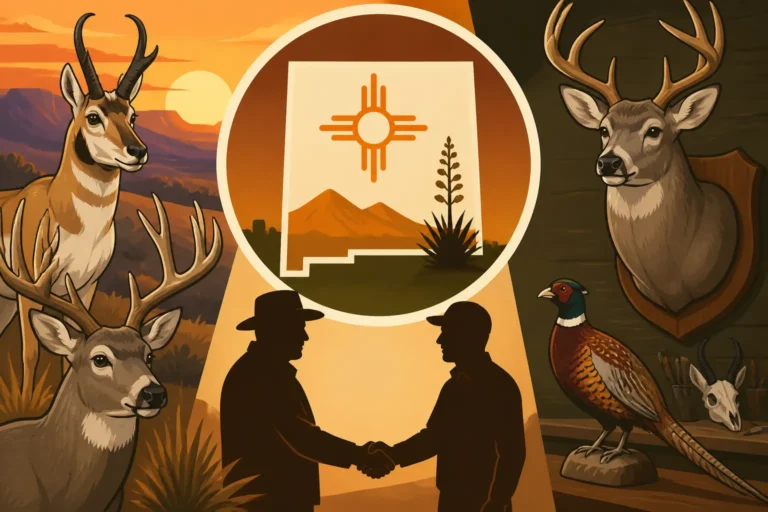
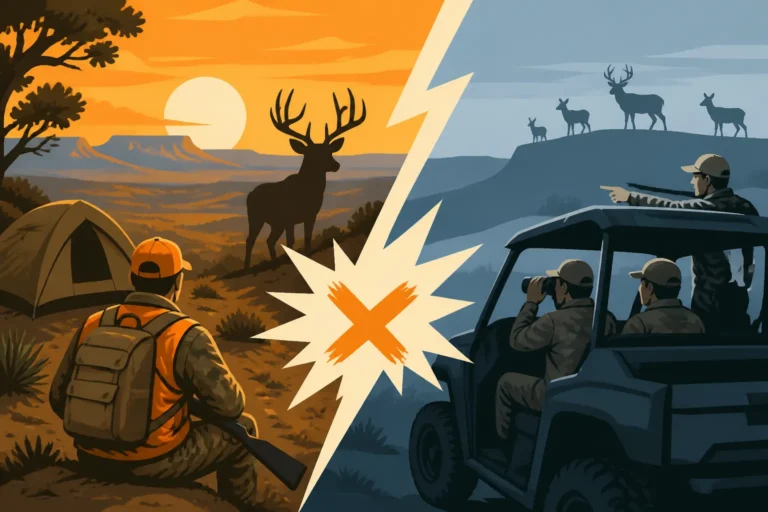
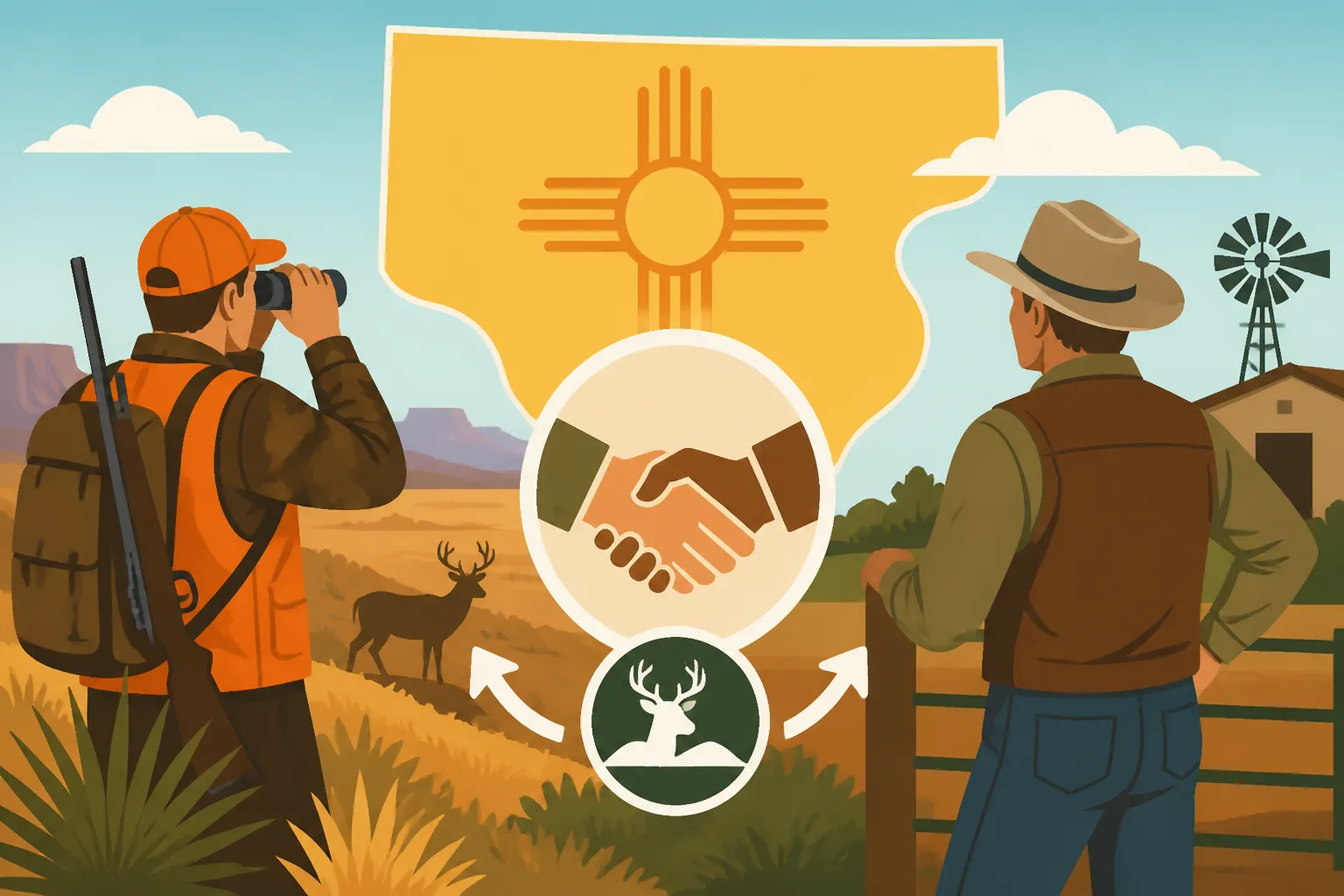
At its heart, a trespass fee arrangement in New Mexico hunting is a formal agreement where a landowner grants you permission to hunt on their private property for a specified period, for a fee, without providing any guiding services or amenities beyond the land access itself. Think of it as renting access to the hunting grounds. You're not paying for a guide to call in an elk or track a wounded mule deer; you're simply paying for the privilege of being on that private ground, with its associated potential for less pressure and potentially higher quality game.
This differs significantly from a fully guided hunt, where an outfitter provides a comprehensive package including guiding, often lodging, meals, and assistance with field care. It's also distinct from simply seeking "permission" to cross private ground to reach public land, which is a common scenario in New Mexico and requires Written Permission Requirements in New Mexico. With a trespass fee, the private land is the hunting destination. Landowners offer these arrangements for a variety of reasons, from generating income to managing wildlife populations on their property, allowing them to monetize an asset while still retaining control over their land. For hunters, it’s a way to bypass the uncertainty of public land draw odds and the competitive nature of open-access areas, offering a more controlled and often more exclusive hunting experience.
How Do You Find and Secure a Trespass Fee Arrangement?
Finding the right trespass fee arrangement often requires a bit of detective work and networking, but it’s definitely doable. Unlike booking a fully guided hunt with a well-known outfitter, these opportunities are often less advertised, tucked away in the nuances of local communities and private land ownership.
Researching Landowners and Ranches
Your first step is identifying areas and landowners who might be open to such arrangements. This often starts with understanding the game populations in specific regions. For example, if you're targeting big mule deer, you might look at units known for them that have a significant amount of private ranch land. Websites and mapping tools like GoHunt, which often have excellent public/private land ownership layers, can be invaluable for identifying large private parcels. Then, it's about connecting with those landowners. Sometimes, local feed stores, co-ops, or even small-town diners can be unexpected sources of information about landowners who might offer access. Word-of-mouth is still king in many rural New Mexico communities.
The Negotiation Process and What to Expect
Once you've identified a potential landowner, initiating contact is crucial. Be respectful, clear, and direct about what you're looking for. The negotiation process will cover several key points:
- Duration of Access: Is it for a specific season, a few days, or a weekend?
- Species Allowed: Are you hunting deer, elk, or both? Always be specific.
- Designated Hunting Areas: The landowner will likely specify which parts of their property are open for hunting. Do not assume you have free roam.
- Cost: This will vary widely based on location, species, property size, and perceived game quality. Remember, you're paying for access, not a guaranteed kill.
- Rules and Restrictions: Expect rules about vehicle use, gates, camping, campfires, and guest policies. Some might have restrictions on Baiting and Trail Camera Rules in New Mexico, so always clarify.
It's highly recommended to get everything in writing, even a simple agreement, to avoid misunderstandings. This document should clearly outline the terms of access, dates, species, areas, and the fee. It serves as protection for both you and the landowner. Reputable platforms like BookYourHunt can sometimes facilitate these arrangements, providing a more structured way to find and book private land access, offering a level of vetting for both parties that might not exist in a purely private deal.
Clarifying Expectations and Rules
Before any money changes hands, have an in-depth conversation with the landowner. Discuss their expectations for your conduct on their property, safety protocols, and what to do in case of an emergency or a wounded animal. You should know if there are any designated non-hunting zones, livestock areas, or other specific instructions. For instance, questions about retrieving game that might run onto adjacent properties or if they require notification after you harvest an animal are critical. Always confirm that your The Nonresident New Mexico Game Hunting License or Resident New Mexico License Pricing is in order, as a trespass fee does not replace the need for state-issued licenses and tags.
Here's a quick checklist of items to clarify with any landowner:
| Item to Clarify | Details to Discuss |
|---|---|
| Hunting Dates/Duration | Exact start and end times for your access. |
| Target Species | Explicitly state what you are hunting (e.g., mule deer, cow elk). |
| Approved Hunting Areas | Specific boundaries, maps, or landmarks defining where you can and cannot hunt. |
| Vehicle Use | Designated roads, trails, or off-road restrictions. Parking locations. |
| Camping & Fires | Allowed camping spots, fire restrictions (especially during dry seasons). |
| Gate Protocol | "Close every gate you open" policy, specific locks or combinations. |
| Guest Policy | Can you bring a hunting partner? Is there an additional fee? |
| Harvest Reporting | Do they require you to notify them immediately after a harvest? |
| Wounded Game Protocol | What happens if an animal is wounded and runs off their property? |
| Livestock & Fencing | Locations of livestock, rules for approaching or moving them. |
| Water Sources | Are stock tanks or private water sources off-limits for personal use or for hunting near? |
| Emergency Contact | Who to call if there's a problem (injury, fire, trespassing by others). |
| Required Equipment | Any specific equipment or safety gear they require. |
| Access to Utilities | If applicable, access to water, power, or facilities. |
| Non-Hunting Restrictions | Other activities not allowed (e.g., ATV joyriding, target practice). |
The Pros and Cons of Hunting on a Trespass Fee Arrangement
Like any hunting strategy, trespass fee arrangements come with their own set of advantages and disadvantages. Understanding these can help you decide if this is the right path for your next New Mexico adventure.
The Upsides: Access, Quality, and Privacy
One of the biggest draws of a trespass fee arrangement is access. You're gaining entry to private ground that is typically not open to the general public. This often translates to less hunting pressure, which in turn can lead to a more relaxed experience and potentially increase your chances of encountering mature animals. On many private ranches, the game animals aren't constantly being pushed around by other hunters, meaning they might adhere more closely to their natural patterns. This reduced pressure is especially valuable in units where public land can get heavily impacted, leading to a much more enjoyable hunt.
Furthermore, private lands are often managed, at least informally, to promote better game quality. Landowners might implement their own harvest guidelines or have ongoing wildlife management practices that result in healthier populations and older, larger animals. You also get a significant degree of privacy and solitude, something that's becoming increasingly rare on popular public lands. Imagine having hundreds or even thousands of acres to yourself or just a small group of friends. This sense of exclusivity can greatly enhance the hunting experience, allowing you to focus on the hunt itself without constantly worrying about other hunters. This can be a huge benefit compared to the challenge of Finding Low Pressure Ground on Opening Weekend in public units.
The Downsides: Cost, Rules, and DIY Demands
On the flip side, cost is undeniably a factor. While generally less expensive than a fully guided hunt, trespass fees can still be significant, especially for prime acreage or sought-after species like elk. This is an upfront expense that doesn't guarantee a harvest, so you need to weigh the investment against the potential benefits. You're paying for access, not a kill, and the financial risk is entirely yours.
Another potential drawback is the limited flexibility and specific rules imposed by the landowner. You're a guest on their property, and you must abide by their terms. This might mean restrictions on when you can hunt, where you can drive, where you can set up camp, or even what caliber of weapon you can use. These rules can sometimes feel restrictive, especially if you're used to the broader freedoms of public land hunting. For example, some landowners might not permit Tree Stand Rules That Apply on Public Land on their property, or they might have specific requirements for Field Dressing in Desert Heat to protect their land.
Finally, remember that a trespass fee arrangement means you're still doing a DIY hunt in terms of actual hunting effort. You're responsible for your own scouting, tracking, calling, shooting, and meat recovery. While you have the benefit of private land, all the hard work of hunting still falls on you. This can be a rude awakening for hunters who expect some level of assistance beyond the access itself. Be prepared to do your homework, potentially E-Scouting a New Mexico Unit Before the Season and being self-reliant once you're on the property.
Key Considerations and Red Flags Before Finalizing an Agreement
Before you commit to a trespass fee arrangement, there are several critical factors you should scrutinize to ensure a positive and ethical hunting experience. Rushing into an agreement without due diligence can lead to disappointment and wasted money.
Vetting the Landowner and Understanding the Agreement
Just as a landowner vets you as a responsible hunter, you should take steps to vet them. Ask for references from other hunters who have used their property in the past. Online hunting forums or review sections on platforms like BookYourHunt can sometimes offer insights, though always approach such reviews with a critical eye. A reputable landowner will be transparent and willing to provide information. Be wary of anyone who seems overly secretive or hesitant to answer your questions thoroughly.
The written agreement, even a simple one, is paramount. Read it carefully, line by line. Ensure that all the negotiated terms are accurately reflected, including dates, specific boundaries, species, and the fee. It should clearly outline what happens if you wound an animal and it leaves their property, or if unforeseen circumstances, like severe weather, impact your hunt. Understanding the exact boundaries of the huntable area is crucial, especially when you are hunting in Where Private Ground Dominates in New Mexico. You don't want to inadvertently trespass onto neighboring properties, which could lead to serious legal issues. Using apps with land ownership layers, like those often included with a GoHunt membership, can help you avoid such missteps by allowing you to Reading a Land Ownership Layer Correctly and stay within the agreed-upon boundaries.
New Mexico Specific Regulations and Ethical Practices
Even on private land, all New Mexico hunting regulations apply. This includes having the correct licenses and tags, adhering to legal shooting hours, and understanding How Soon You Must Tag a Downed Animal. A trespass fee doesn't exempt you from these state laws. Ensure you have your The New Mexico Hunter Education Requirement certification if applicable, and all required stamps like the Habitat Management & Access Validation (HMAV) and Habitat Stamp, which are necessary for all hunting in the state.
Ethical considerations are also vital. Respect the land, the wildlife, and any livestock. Pack out everything you pack in, and leave no trace. If the landowner has specific guidelines for field dressing or carcass disposal, follow them. Be mindful of Water Sources and Ethics in Desert Hunting, especially in arid New Mexico environments where water is a precious commodity for both wildlife and ranching operations. Maintaining a good relationship with the landowner is not only respectful but can also open doors for future opportunities, both for you and other hunters. A single irresponsible act can ruin private land access for many.
Ultimately, a trespass fee arrangement can be a fantastic way to access quality hunting ground in New Mexico, offering a unique blend of private land opportunities with the self-reliance of a DIY hunt. With careful planning, clear communication, and a commitment to ethical hunting, it can lead to some truly memorable experiences.
Disclaimer
This article is for general informational purposes only and does not constitute professional advice. Laws, prices and regulations vary by location and change over time. Consult a qualified professional for guidance on your specific situation.