Combination New Mexico Elk and Deer Hunts
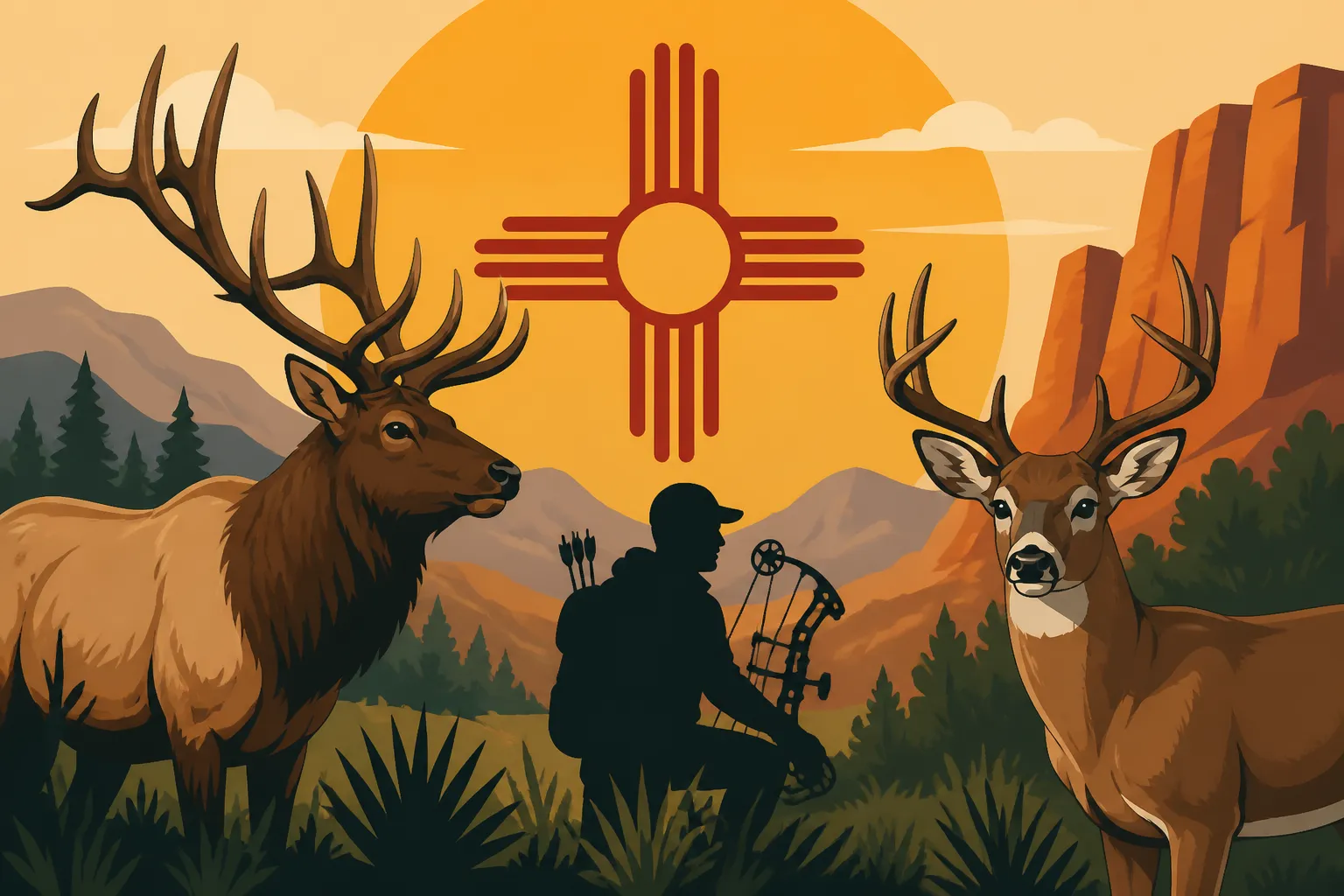
Oh, the dream of a New Mexico combo hunt! It’s something many of us fantasize about around the campfire – imagining a crisp autumn morning where you might call in a bull elk at first light, only to stalk a heavy-horned mule deer buck that afternoon. It sounds absolutely perfect, a true testament to the diverse and wild landscapes of New Mexico. But let's be honest, turning that dream into a reality, especially on public land, presents some unique challenges that can feel pretty daunting. This guide is here to break down the ins and outs of combination elk and deer hunts in New Mexico, offering a realistic look at what it takes, what to expect, and how to maximize your chances, even if it means adjusting that perfect fantasy just a little.
The Allure and Reality of Combination Hunts
There’s just something about the idea of hunting two incredible big game species on one epic trip that calls to the soul of every dedicated hunter. You picture streamlining your travel, maximizing your time off work, and bringing home a double bounty. New Mexico, with its legendary elk and impressive deer populations, seems like the ideal place to make that happen. But the reality, as many seasoned hunters know, is often a bit more complex than the dream.
Why the Dream is So Enticing and Elusive
The allure of a combo hunt is powerful. Imagine spending a week or two immersing yourself in the vast New Mexico wilderness, with the potential for both bugling bulls and cruising bucks. It’s about efficiency, certainly, but it’s also about the sheer adventure of pursuing two distinct, challenging animals in varied landscapes. You could be in the high, timbered country chasing elk one day and dropping into the cedar breaks for mule deer the next. It’s an incredible mental picture, isn't it?
However, the elusive nature of this dream on public land is tied directly to New Mexico’s highly competitive draw system. Each species has its own set of units, season dates, and, most importantly, draw odds. Drawing just one quality tag for elk or deer can be a years-long endeavor for many, let alone drawing both for prime seasons in areas where they both thrive. We’re often talking about animals that prefer different habitats, and their peak rut periods don't always align perfectly. This means that while a combo hunt is possible, it often requires a strategic approach, a good dose of luck, or a willingness to explore alternative avenues like private land or guided options.
Understanding New Mexico's Draw System for Multiple Species
New Mexico's draw system is unique in that it operates without a preference point system for residents or non-residents. This means that every applicant, every year, has essentially the same chance of drawing a tag, regardless of how many times they've applied in the past. While this can be frustrating for those hoping to build points, it also means that your very first application could theoretically hit the jackpot for a premium tag.
When it comes to combination hunts, it’s crucial to understand that elk tags and deer tags are entirely separate draws. You apply for them independently, selecting your unit and season choices for each species. There's no "combo tag" option in the public land draw. New Mexico also divides its tags into different allocation pools: 84% for residents, 10% for those applying with a registered outfitter, and 6% for non-residents applying without an outfitter. New Mexico Splits Every Hunt 84, 10 and 6 Percent This system means that your odds can vary significantly depending on whether you're a resident, a non-resident, or if you apply through an outfitter. For a combination hunt, you're essentially trying to hit the lottery twice in the same year, which, as you can imagine, significantly reduces your overall statistical probability for those highly sought-after units and dates.
Navigating the Application Process for Combination Success
Even with the challenges, pursuing a combo hunt on paper is absolutely doable. It just requires a smart, calculated approach to your application strategy. Don't just throw darts at a map; put some thought into your choices and understand the system.
Strategic Choice Ordering and Deadlines
When you fill out your New Mexico application, you’re not just applying for a tag; you’re submitting choices for specific units and hunt dates within that species. For example, for elk, you’ll list your first, second, and third choice hunt codes. You do the same thing for deer. The trick for a combination hunt is to think about these choices in tandem. You might prioritize a premier elk hunt with your first choice, knowing the deer opportunities in that same unit might be secondary, or vice versa.
The critical thing to remember is the application deadline. For most big game species, New Mexico’s application deadline is March 18th at 5 p.m. Mountain Time. All New Mexico Applications Close March 18 at 5 p.m. Missing this deadline means no draw for that year, and no shot at your combo dream. Many hunters aiming for a combo will try to select elk and deer hunt codes that have some overlap or are at least sequential, allowing them to remain in the field for a longer, continuous period. This might mean choosing an early archery elk hunt in September followed by a late-season rifle deer hunt in November, rather than trying to cram two intense, short seasons back-to-back in the same week. Be flexible with your dates; sometimes a less popular hunt period offers slightly better draw odds.
Leveraging the Outfitter Pool and EPLUS
For non-residents especially, but residents can benefit too, using the outfitter pool can be a game-changer for drawing a tag, which then opens the door to a potential combo. New Mexico reserves 10% of its tags for clients who apply with a registered outfitter. While it doesn't guarantee a tag, applying in this pool can statistically improve your odds compared to the general non-resident pool. The New Mexico Outfitter Draw and Its Two-Day Rule If you're serious about a combo hunt, securing an elk tag through the outfitter pool might be one half of your strategy, then you can apply for a deer tag separately, perhaps with less pressure on your deer choices.
Another significant avenue, particularly for elk, is the EPLUS program. This system allows landowners to receive elk authorizations (essentially tags) that they can sell directly to hunters. How EPLUS Puts New Mexico Elk Tags in Landowner Hands These tags bypass the public draw entirely and often come with access to private land. The beauty here is that many of these private ranches also hold quality deer, and an outfitter or landowner offering an EPLUS elk tag might be able to facilitate a deer hunt on the same property, either as part of a package or through a separate trespass fee arrangement. This is where researching outfitters through platforms like BookYourHunt can be incredibly useful. You can often filter for outfitters who specialize in combination hunts or have EPLUS allocations. Additionally, GoHunt's insider resources can provide invaluable data on draw odds and unit breakdowns, helping you identify units where both species might realistically be pursued, even if you’re not going the outfitter route.
Practical Considerations for a Dual-Species Hunt
Alright, let's say you've done the impossible and drawn both an elk and a deer tag for New Mexico. Now the real work begins. A combo hunt isn't just about the tags; it's about the logistics, the gear, and the sheer physical and mental demands of chasing two incredible animals.
Overlapping Seasons and Geographic Challenges
One of the biggest hurdles for a public land combo hunt is finding truly overlapping seasons in the same general area where both species thrive. New Mexico’s elk rut typically peaks in mid-September, coinciding with archery seasons. Deer rut, particularly for mule deer, tends to hit later, often in November or even December, during rifle seasons. While there might be some late-season deer hunts that overlap with late-season elk hunts, these are often post-rut periods for both animals, which can change hunting tactics drastically.
Geographically, elk often favor the higher, timbered country of the Gila National Forest, Carson National Forest, or the Lincoln National Forest, while trophy mule deer can be found in a broader range of habitats, from the high country to the desert breaks and pinyon-juniper foothills. Coues deer, a smaller sub-species of whitetail, are found exclusively in the southern "bootheel" ranges. Trying to hunt Gila elk and then drive five hours south for Coues deer is a massive undertaking. It’s not just driving time; it's acclimatizing to different elevations, different terrain, and entirely different hunting strategies. You might find some units, particularly those with diverse terrain, that offer both elk and mule deer, but success rates on both animals in the same unit during the same timeframe are often low for the average DIY hunter.
Here's a simplified look at how peak seasons typically align:
| Species | Peak Rut Period | Common Hunt Type (Peak) | Typical Habitat |
|---|---|---|---|
| Elk | Mid-September | Archery | High timber, mountains, aspens, dark timber |
| Mule Deer | Mid-November/Dec | Rifle | Pinyon-juniper, cedar breaks, rugged canyons |
| Coues Deer | Late December/Jan | Rifle/Archery | Chihuahuan desert ranges, oak brush |
| Pronghorn | Late August/Sept | Rifle/Archery | Open plains, grasslands |
As you can see, the truly prime-time periods for elk and mule deer are often quite distinct, making a simultaneous pursuit challenging.
Gear, Logistics, and Physical Demands
Now, let’s talk brass tacks about what it takes on the ground. A combo hunt means doubling up on many logistical challenges. Think about your gear: what works for an archery elk hunt in the high country, where you’re layering for cold mornings and warm afternoons, might not be ideal for a desert mule deer hunt in November. You might need different footwear Choosing Boots for Rocky Desert Ground, different Optics Power for New Mexico's Open Country, and certainly different clothing systems. Trying to pack for both scenarios can quickly overwhelm your vehicle and your backpack.
Then there are the physical demands. Chasing elk in the New Mexico mountains is a grueling endeavor, often involving significant elevation changes and long miles. Preparing Physically for a High Elevation Hunt Adding a deer hunt to that, even in different terrain, means more days in the field, more physical exertion, and less recovery time. You need to be in peak physical condition to attempt a multi-species hunt spanning several weeks.
Finally, consider the logistics of a successful harvest. If you manage to get an elk down, processing that animal in the field and getting the meat cooled quickly, especially on an early-season hunt, is a monumental task. Field Dressing in Desert Heat Now imagine doing that, then having to shift gears, pack up camp, potentially drive hours, and start hunting deer. Where do you store your elk meat while you chase deer? Do you have two separate coolers, access to a processor, or enough dry ice to last? These are real-world problems that need solutions before you ever pull the trigger. Consulting resources like GoHunt for detailed unit information can help you plan for these realities by understanding terrain, access, and potential services available in different areas.
When a Combination Hunt Makes Sense (and When It Doesn't)
So, is the combo hunt a pipe dream? Not at all! It just needs to be approached with a clear understanding of your resources, expectations, and hunting style. There are definitely scenarios where it's not just possible, but highly successful.
Private Land Opportunities and Guided Hunts
This is often where the combination hunt dream truly flourishes. Private land in New Mexico, particularly large ranches, can hold excellent populations of both elk and mule deer. Landowners and outfitters who manage these properties can often offer true combination packages, where you have the opportunity to pursue both species within the same timeframe and on the same or adjacent lands. This significantly reduces the geographical challenges and often streamlines the logistics.
Outfitters who operate on private land or have access to multiple diverse public land leases are your best bet for a guided combo hunt. They handle the scouting, the logistics, the camp, and often have EPLUS elk authorizations that can be combined with private land deer access. While this comes with a higher price tag than a DIY public land hunt What a Guided New Mexico Elk Hunt Costs, it offers the highest probability of success for both animals and drastically reduces your planning burden. Platforms like BookYourHunt are excellent for finding these types of specialized outfitters. You can browse their offerings, see what combo packages are available, and read reviews from other hunters who have gone this route. It's a significant investment, but for many, it's the most reliable path to achieving that multi-species goal.
Realistic Expectations for Public Land Hunters
For the dedicated DIY public land hunter, a true combo hunt—meaning getting tags for both species and successfully harvesting both on the same trip—is going to be an exceptionally rare and difficult achievement. It’s not impossible, but it requires an extreme level of dedication, physical stamina, and often, incredible luck in the draw.
A more realistic approach for a public land hunter might be to apply for one primary species (say, a coveted elk tag) and then purchase an over-the-counter or leftover tag for another species, like bear or cougar, if the seasons align and you’ve drawn your primary tag. Or, perhaps, focus on a prime elk hunt in September, and then plan a completely separate deer hunt in November or December in a different unit that offers better deer opportunities. This might mean two trips, but it significantly increases your chances of success on both animals by allowing you to focus your efforts.
Ultimately, the decision to pursue a combination hunt in New Mexico boils down to your personal priorities, budget, and willingness to adapt. Whether you're chasing the double-draw dream on public land or investing in a guided private land experience, understanding the nuances of the New Mexico system and the practicalities of hunting two incredible species will set you up for a memorable adventure. Good luck in the draw, and happy hunting!
Disclaimer
This article is for general informational purposes only and does not constitute professional advice. Laws, prices and regulations vary by location and change over time. Consult a qualified professional for guidance on your specific situation.