How New Mexico EPLUS Authorizations Reach Hunters
For many hunters, the New Mexico draw can feel like playing the lottery, year after year, with more disappointment than success. It’s tough when you've put in the time and research, only to come up empty-handed for a coveted elk or deer tag. Fortunately, for those looking for an alternative path to hunt some of New Mexico's incredible big game, the EPLUS program offers another route. This guide will walk you through exactly how these EPLUS authorizations make their way from the hands of landowners to eager hunters like yourself.
What Exactly is the New Mexico EPLUS Program?
Before we dive into how you get one, it’s vital to understand what an EPLUS authorization actually is and why it exists. Think of EPLUS as a bridge between landowners and the state's wildlife management goals, providing a way for private land to contribute to public hunting opportunities while bypassing the traditional public draw system. It stands for Elk Private Land Use System, but it's important to remember that it applies to other species, too, not just elk.
The New Mexico Department of Game and Fish created EPLUS as a tool to manage big game herds, particularly elk, which frequently utilize both public and private lands. Landowners whose property provides significant habitat for these animals are allocated a certain number of authorizations. These aren't tags themselves, but rather the right to designate who can purchase a tag for a specific hunt unit or ranch. It's a way to incentivize private land stewardship and manage animal populations where they spend a good portion of their time, regardless of property lines. The goal is to ensure landowners are compensated for hosting wildlife and for potential crop damage, while also expanding hunting access.
The Foundation: Landowner Incentives
At its heart, the EPLUS system is about creating an incentive for private landowners to manage their property for wildlife and allow hunting. New Mexico recognizes that a significant portion of the state's big game population spends at least part of its life cycle on private ranches. By allocating EPLUS authorizations, the state acknowledges the contribution these landowners make to wildlife conservation. In return, landowners gain a valuable asset that they can then use or sell. This system helps foster a collaborative approach to wildlife management across diverse land ownerships. Without EPLUS, many landowners might see elk and other game primarily as a nuisance, potentially leading to less favorable habitat management practices or even efforts to deter animals from their property.
How EPLUS Differs from the Public Draw
This is where EPLUS truly stands apart from the typical draw process that most hunters are familiar with. When you apply in the public draw, you’re essentially entering a lottery with thousands of other hopeful hunters for a limited number of tags. Your odds are what they are, and factors like New Mexico Draw Odds Do Not Improve With Time mean every year is a fresh start. With EPLUS, you're not entering a lottery; you're directly acquiring an authorization to purchase a tag.
This means you bypass the uncertainty of the draw entirely. If you secure an EPLUS authorization, you are guaranteed a tag – provided you meet all other licensing requirements, of course. This certainty is a major draw for hunters, especially those traveling from out of state or those with limited time who can't afford to miss a season due to an unsuccessful draw. However, this convenience and certainty often come with a significantly higher financial investment compared to the application fees and tag costs of a publicly drawn tag. It's a trade-off: higher cost for higher certainty and access, especially to some prime private land and unit-wide opportunities.
How Landowners Receive EPLUS Authorizations
Understanding where EPLUS authorizations originate is key to grasping how they ultimately reach hunters. These aren't just conjured out of thin air; they are allocated based on specific criteria established by the New Mexico Department of Game and Fish, often after a rigorous application process by the landowner themselves.
Landowner Application and Allocation Process
Private landowners who wish to participate in the EPLUS program must first apply to the New Mexico Department of Game and Fish. This isn't a simple handshake agreement; it's a formal process where the landowner demonstrates their property's capacity to support big game. Factors considered include the acreage of the land, the quality of the habitat, the number of animals using the property, and the historical presence of game. Biologists often conduct surveys to verify herd numbers and habitat quality on the ranch.
Once approved, the landowner is allocated a specific number of EPLUS authorizations for a particular species (like elk or deer) within a designated hunt unit or for their ranch itself. These allocations are often tied to the landowner's management plan, which might include specific habitat improvements or conservation efforts. The number of authorizations can fluctuate based on herd health, population objectives, and the landowner's ongoing commitment to the program. This process ensures that the EPLUS system serves both the landowner's interests and the state's broader wildlife management goals.
Unit-Wide Against Ranch-Only Authorizations
It's crucial to understand the distinction between "unit-wide" and "ranch-only" EPLUS authorizations, as this significantly impacts your hunting opportunities.
A unit-wide EPLUS authorization is like a golden ticket. If you obtain one, you can purchase a tag that allows you to hunt anywhere within the specified game management unit where the authorization originated, assuming you have legal access. This means you're not restricted solely to the landowner's private property. You can hunt adjacent public lands, other private lands you have permission for, or even tribal lands if you secure additional permits. These are generally the most sought-after EPLUS authorizations because they open up vast tracts of country, giving hunters maximum flexibility and access. This broad access is a huge advantage, particularly in units with a mix of public and private ground, or in areas like the Gila, where elk often traverse large areas. Unit-Wide Against Ranch-Only New Mexico EPLUS Tags further details these differences.
On the other hand, a ranch-only EPLUS authorization restricts you to hunting only on the private property of the landowner who issued the authorization. While this can still offer excellent hunting, especially on well-managed ranches with good game numbers, it means your hunting area is limited. You cannot use this type of tag to hunt public land, even if it borders the ranch. These authorizations might be less expensive than unit-wide ones, but they also require careful consideration of the ranch's size, terrain, and game density to ensure a quality hunting experience. You're effectively paying for access to a specific piece of private land.
How EPLUS Authorizations Reach Hunters
Now for the exciting part: how do you, the hunter, get your hands on one of these coveted EPLUS authorizations? There are several primary pathways, each with its own nuances and considerations.
Direct From Landowners
One of the most straightforward ways to acquire an EPLUS authorization is directly from the landowner. Many landowners, especially those with larger holdings, market their authorizations themselves. This often involves reaching out to them directly, usually through their ranch website, a classified ad, or word-of-mouth. Building a direct relationship with a landowner can be beneficial, as it allows you to ask specific questions about the property, the animals, and the hunting experience.
However, finding these landowners and making contact can sometimes be a challenge. They might not have a strong online presence, or their authorizations might be sold quickly through existing networks. When dealing directly, you’ll typically negotiate the price of the authorization with the landowner. This price is separate from the actual New Mexico hunting license and tag fees, which you’ll still pay to the state. Always ensure you receive a formal authorization certificate from the landowner that you can then present to the Department of Game and Fish to purchase your tag. This direct approach offers transparency and a personal connection but requires proactive research and networking on the hunter's part.
Through Licensed Outfitters
By far the most common and organized route for hunters to acquire EPLUS authorizations is through licensed New Mexico outfitters. Many outfitters have established relationships with landowners and secure a block of EPLUS authorizations each year. When you book a guided hunt with one of these outfitters, the EPLUS authorization is often part of the package. This is particularly common for trophy elk and mule deer hunts in units that are difficult to draw otherwise. How New Mexico EPLUS Authorizations Are Issued through outfitters is a well-oiled machine in the state.
Outfitters often sell these authorizations as part of a comprehensive hunting package that includes guiding services, lodging, meals, and sometimes even transportation. This can be an attractive option for hunters, especially non-residents, who want a full-service experience and the peace of mind of a guaranteed tag. The outfitter handles the complexities of securing the authorization and guiding you on the hunt, taking much of the logistical burden off your shoulders. However, this convenience comes at a premium, with fully guided EPLUS hunts representing a significant investment. Always clarify what is included in the price – does it cover the state tag fee, or just the outfitter's services and the authorization itself? Buying a New Mexico EPLUS Tag Through an Outfitter is a common strategy for many.
Online Marketplaces and Broker Services
In the digital age, a growing number of online marketplaces and broker services have emerged to connect hunters with EPLUS authorizations. Platforms like BookYourHunt often list various hunting opportunities, including those that come with EPLUS tags. These platforms act as intermediaries, streamlining the process of finding and purchasing authorizations. They can provide a centralized place to browse options, compare prices, and read reviews, making the search much more efficient than cold-calling individual landowners.
Similarly, hunting consultants and broker services specialize in helping hunters navigate the complex world of private land tags, including EPLUS. They use their networks and expertise to match hunters with available authorizations that fit their preferences and budget. While these services add another layer of cost, they can be invaluable for busy hunters or those unfamiliar with the New Mexico system. When using such platforms or services, always verify their legitimacy and ensure they provide clear documentation for the EPLUS authorization. Do your homework and cross-reference information; a platform like GoHunt can provide valuable unit research to help you make an informed decision on an EPLUS opportunity.
The table below illustrates the different pathways for obtaining EPLUS authorizations:
| Pathway | Description | Pros | Cons | Typical Cost (Relative) |
|---|---|---|---|---|
| Direct from Landowner | Hunter contacts landowner directly to purchase authorization. | Direct communication, potential for negotiation. | Hard to find landowners, variable transparency, requires hunter legwork. | Moderate to High |
| Through Outfitters | Outfitter includes authorization as part of a guided hunt package. | Full-service hunt, guaranteed tag, logistical support. | Highest cost, tied to specific outfitter's services, less control over hunt details. | Very High |
| Online Marketplaces | Platforms (e.g., BookYourHunt) list available authorizations for sale. | Centralized search, comparison options, sometimes reviews. | Added platform fees, still need to vet listings, less direct communication than landowner. | High |
| Broker Services | Consultants help hunters find and acquire EPLUS authorizations. | Expert guidance, access to broader network, saves time. | Added broker fees, less direct communication with landowner or outfitter, trusting the broker. | High to Very High |
Considerations for Pursuing an EPLUS Hunt
Securing an EPLUS authorization opens up incredible hunting opportunities, but it's not a decision to be taken lightly. There are several important factors to consider to ensure you have a successful and satisfying experience.
Understanding the Financial Investment
Let's be realistic: EPLUS tags are almost always a significant financial commitment, often substantially more expensive than tags acquired through the public draw. This cost typically covers two components: the price of the EPLUS authorization itself, paid to the landowner or outfitter, and the actual state hunting license and game tag fees, paid to the New Mexico Department of Game and Fish. You need to factor in both. For a non-resident, the price of a state game hunting license and a trophy elk tag alone can be substantial, even before adding the EPLUS authorization cost. Always get a clear breakdown of all costs involved before committing. This isn't just about the initial outlay; think about travel, lodging, meat processing, and taxidermy – all elements that add to the overall cost of a dream hunt. Understanding the full financial picture is paramount.
Due Diligence and Research
Given the investment, thorough due diligence is non-negotiable. If you're going through an outfitter, research their reputation, ask for references, and review their success rates. Inquire about the specific hunt unit or ranch, the typical size of animals harvested, and the terrain you'll be hunting. For unit-wide EPLUS authorizations, look into the public land access within that unit. Tools like GoHunt can be excellent for researching unit specifics, public land percentages, and even historical harvest data, helping you make an informed decision about where your EPLUS opportunity might be.
If you're dealing directly with a landowner or through an online marketplace like BookYourHunt, ask for photos of the property, details about past harvests, and a clear understanding of what "ranch-only" versus "unit-wide" truly entails. Never be afraid to ask too many questions. A reputable provider will be happy to answer them. Look for clear, written contracts that detail all terms, conditions, and what is included in your purchase. This upfront research protects your investment and ensures your expectations align with the reality of the hunt.
The Paperwork Trail: From Authorization to Tag
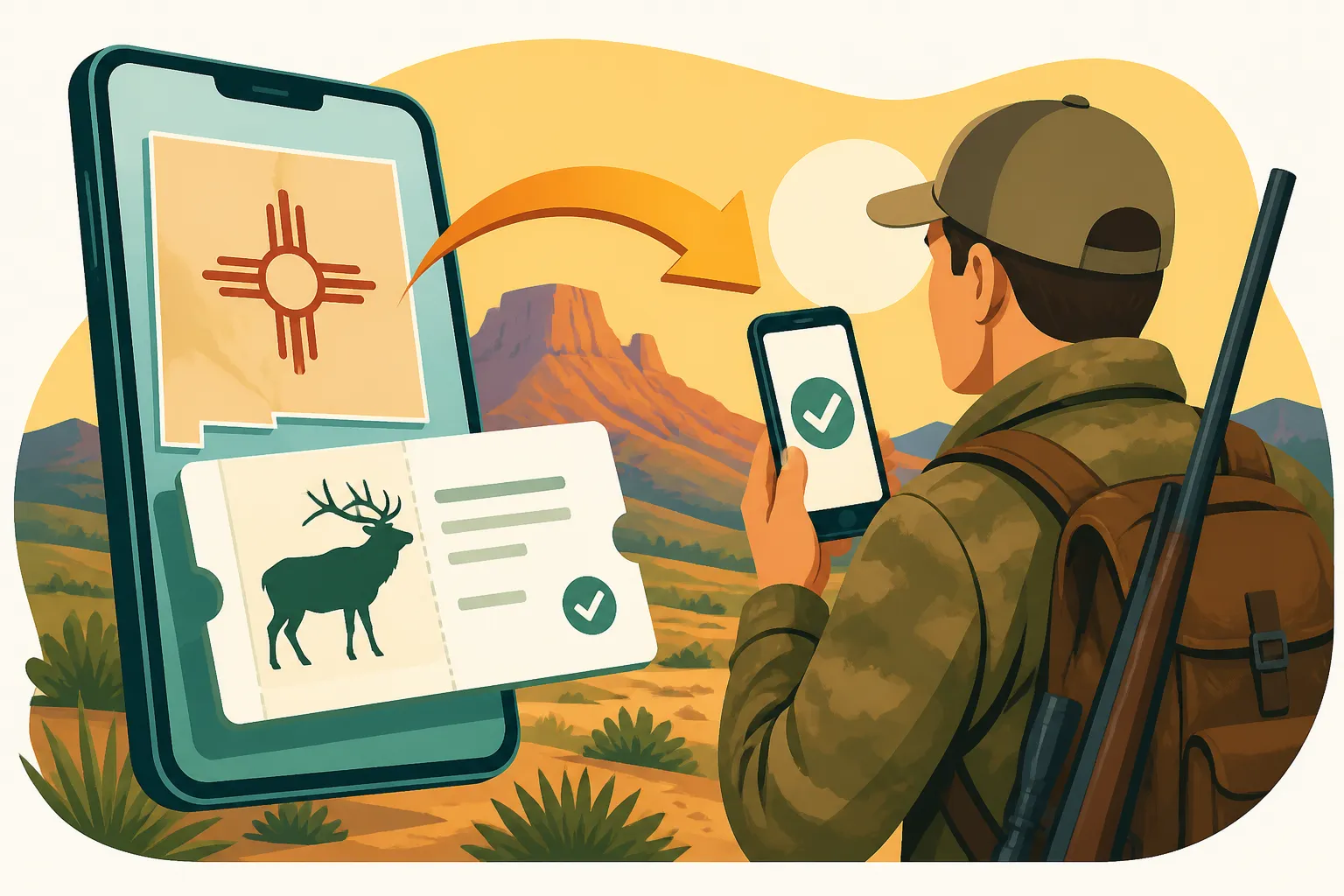
Once you've secured an EPLUS authorization, the journey isn't quite over. The authorization itself is not your hunting tag. It’s a certificate that allows you to purchase the actual tag from the New Mexico Department of Game and Fish. This typically means taking your authorization certificate to a NMDGF office or processing it online through their licensing system.
You will still need to purchase a current New Mexico game hunting license and the specific big game tag associated with your EPLUS authorization. Make sure you understand the deadlines for purchasing these tags after receiving your authorization; missing a deadline could render your authorization void. It’s a good practice to complete this step as soon as possible after acquiring the authorization. Also, remember that all standard New Mexico hunting regulations, such as Legal Shooting Hours and Blaze Orange in New Mexico and Baiting and Trail Camera Rules in New Mexico, still apply to EPLUS hunts. The EPLUS system simply provides a different path to obtaining the tag; it doesn't exempt you from the rules of ethical and legal hunting in the state. Always keep your authorization document with you, along with your valid New Mexico hunting license and tag, when in the field.
Disclaimer
This article is for general informational purposes only and does not constitute professional advice. Laws, prices and regulations vary by location and change over time. Consult a qualified professional for guidance on your specific situation.