How Spike Camp Arrangements Work
Too often, hunters get stuck thinking a successful hunt means lugging a full camp into a readily accessible trailhead, or sticking to day trips from the truck. But when you're after those elusive, deep-country animals, especially in places like New Mexico's vast wilderness areas, being tied to a conventional base camp can severely limit your opportunities. This guide is all about how spike camp arrangements work, offering a strategic approach to getting closer to the game, staying longer, and increasing your odds for a truly unforgettable hunt.
What Exactly is a Spike Camp?
The term "spike camp" gets thrown around a lot, and it can mean slightly different things depending on who you talk to. At its core, a spike camp is a minimalist, temporary camp established away from your main base camp or vehicle access point. Think of it as your forward operating base, designed to get you deeper into the hunting grounds with less daily travel, allowing you to be in prime territory when the light is best. It’s about mobility and efficiency, shedding anything non-essential to move quickly and set up discreetly.
Beyond the Base Camp: Why Go Mobile?
The biggest frustration with a traditional base camp is the daily commute. Imagine you're hunting elk in the Gila National Forest. Your main camp might be set up near a forest road, providing comforts like a wall tent, a larger stove, and easy access to your cooler. But if the elk are three, four, or even five miles back in the timber, climbing thousands of feet in elevation, that's a grueling round trip every single day. By the time you get to your hunting area, you're already tired, and by the time you're heading back, the evening hunt might be cut short to make it to camp before dark.
A spike camp solves this. It's about leapfrogging that daily grind. Instead of hiking five miles in and five miles out, you hike five miles in once with your spike camp gear, establish a small, functional setup, and then your daily hunting radius is from that closer point. This means you're often already in the field at first light, positioned where the animals are, and you can hunt until the very last legal shooting hour without worrying about a long, dark trek back to your distant primary camp. It dramatically extends your effective hunting time in critical areas.
The Bare Essentials: Defining "Spike"
The "spike" in spike camp implies lightweight and minimalist. This isn't your plush base camp with a full cot and a big propane heater. A spike camp is about reducing your footprint and your pack weight to the absolute minimum required for survival and effectiveness. We’re talking about a small, ultralight tent or bivy sack, a compact sleeping bag, a sleeping pad, a tiny stove for boiling water, and just enough food for the planned duration. Every ounce counts when you're packing everything on your back, or even on a pack animal.
The gear choices are crucial for a spike camp. You need items that are durable, multi-functional, and lightweight. For instance, instead of carrying a separate coffee pot, you might use your cook pot to boil water for instant coffee or dehydrated meals. Instead of a bulky flashlight, a headlamp serves dual purposes. The goal is to maximize utility while minimizing bulk and weight, ensuring you can comfortably carry everything you need to sustain yourself for a few days deep in the backcountry. Layering for Gila Temperature Swings is a critical consideration here, as you won't have the luxury of a large heater.
Planning Your New Mexico Spike Camp Expedition
Successfully executing a spike camp hunt in New Mexico requires meticulous planning. You're essentially becoming self-sufficient in the wilderness, so every detail, from the weight of your water to your emergency communication, needs to be thought through well in advance. This isn't a spur-of-the-moment decision; it's a strategic move to unlock areas others might not reach.
Gear Up: Weight, Warmth, and Water
When planning your gear for a spike camp, the mantra is "light is right," but not at the expense of safety or critical comfort. You need a shelter that can withstand New Mexico's unpredictable weather – from afternoon thunderstorms to sudden cold snaps at elevation. A good backpacking tent or a sturdy bivy sack is usually sufficient. Your sleeping bag needs to be rated for the coldest temperatures you expect, factoring in potential drops. Remember, a cold night means a miserable, unproductive day of hunting. A compact sleeping pad is essential for insulation from the cold ground.
Water is often the heaviest item you'll carry, especially in New Mexico's drier units. You’ll need a reliable water filter or purification tablets if you're counting on natural sources. Always know your water sources ahead of time; a dry tank can turn a hunt into a survival situation. For units like those in the desert south, Water You Must Carry on a Desert Day Hunt becomes a very real and significant concern, even for a multi-day spike camp. High-energy, lightweight food like dehydrated meals, jerky, and energy bars are perfect for keeping your pack light and your body fueled.
| Item Type | Base Camp Priority | Spike Camp Priority |
|---|---|---|
| Shelter | Comfort, spaciousness | Lightweight, compact |
| Sleeping | Large sleeping bag, cot | Compact bag, insulating pad |
| Cooking | Propane stove, full pots | Mini stove, freeze-dried |
| Water | Large jugs, cooler | Filter, hydration bladder |
| Hygiene | Full kit, camp shower | Wet wipes, travel size |
| Navigation | GPS, maps | GPS, paper map, compass |
| Lighting | Lantern, flashlight | Headlamp |
| Food | Variety, fresh items | High-calorie, lightweight |
| Weight | Less critical | Crucial |
Location, Location, Location: Setting Up for Success
Choosing the right spot for your spike camp is paramount. You want to be close to the game, but also consider factors like water availability, cover, and prevailing wind. A good spike camp location might be tucked into a saddle, near a spring, or on a bench overlooking prime feeding or bedding areas. Proximity to game trails or historical sign is key. However, avoid setting up directly on game trails or in obvious bedding areas, as you'll disturb the animals. You want to be close enough for early morning and late evening hunts, but still somewhat hidden.
Utilizing mapping tools like GoHunt or other satellite imagery is invaluable for e-scouting potential spike camp locations. Look for terrain features that offer natural cover, good glassing opportunities, and a reliable water source. Understanding Reading Terrain Before You Pick a Camp will pay dividends here. Think about egress as well; if you're successful, how will you pack out your animal? A location that provides a reasonable route for packing out meat, even if it's rugged, is better than one that's utterly impassable with a heavy load. Remember that in some of New Mexico's deeper wilderness, you might be looking at Packing an Elk Out of the Gila Alone, so choose your spike camp site with this in mind.
Logistics: Food, Communication, and Emergency Plans
Beyond your gear, the logistics of a spike camp involve careful consideration of food, communication, and emergency preparedness. Pack enough high-calorie, easily prepared food for the duration of your trip, plus an extra day or two just in case. Dehydrated meals are popular for their light weight and ease of preparation with just boiled water. Don't forget snacks that provide quick energy for those long days afield.
Communication in the backcountry is crucial. Cell service is often nonexistent in New Mexico's remote units, so relying on your smartphone is a gamble. A satellite communication device, like a Garmin inReach or a Zoleo, is highly recommended for checking in with loved ones and, more importantly, for emergency situations. These devices allow two-way text messaging and SOS capabilities, providing a vital lifeline when Cell Coverage Across New Mexico Hunt Units is scarce. Before you head out, share your detailed itinerary with a trusted contact, including your planned spike camp location and expected return date. Furthermore, always have a well-thought-out emergency plan. What will you do if someone gets injured? How will you signal for help? Understanding basic first aid is critical, and a small, well-stocked first-aid kit is non-negotiable.
Spike Camps with an Outfitter: Guided vs. DIY
While many hunters embrace the DIY challenge of a spike camp, there are also excellent options for hunters who prefer some level of support, especially for those venturing into truly remote or challenging terrain. An outfitter can bridge the gap between a fully self-supported trip and a fully guided, luxurious base camp experience.
The Outfitter Advantage: Beyond Just Packing In
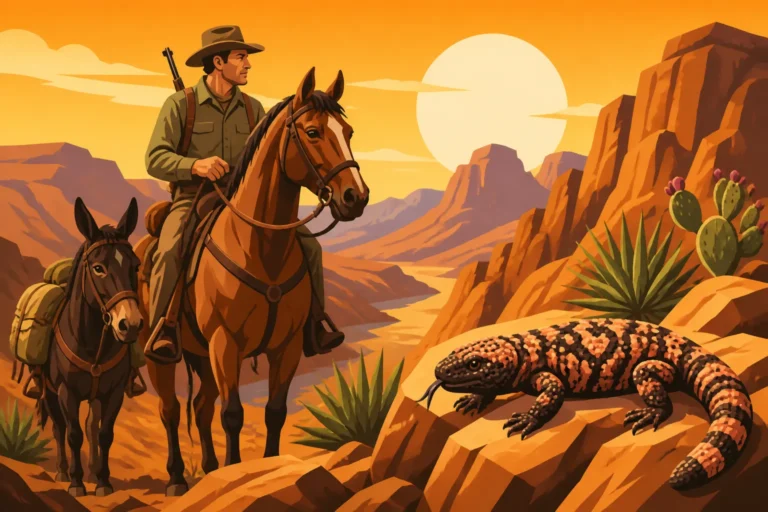
When considering a spike camp, an outfitter can be a game-changer, particularly in vast wilderness areas like the Gila. They can handle the heavy lifting, literally. This often means pack animals – horses or mules – to carry your gear, food, and water deep into the backcountry, often to locations that would be impossible or incredibly arduous to reach on foot. This significantly lightens your personal pack, allowing you to focus on the hunt itself rather than the physical toll of a heavy load. Gila Outfitters Sell Access to Country You Cannot Reach Alone often because they have the knowledge of the trails, the stock, and the permits to do so.
Some outfitters offer "drop camp" services, which are essentially pre-set spike camps. They pack in a tent, cots, cooking gear, and even some food supplies to a pre-arranged backcountry location. You hike in, and everything is waiting for you. This allows you to experience the deep-country benefits of a spike camp without the burden of packing in all the heavy equipment. They'll also return to pack out any harvested game. This is different from a fully guided hunt where the outfitter or guide is with you every step of the way, actively hunting with you. When researching these options, check out platforms like BookYourHunt to find reputable outfitters offering drop camp or spike camp services in New Mexico. You'll want to understand What a New Mexico Drop Camp Actually Includes before committing.
When a DIY Spike Camp Makes Sense
For many experienced backcountry hunters, a fully DIY spike camp is the ultimate challenge and reward. It makes sense when you have a solid understanding of the terrain, sufficient physical fitness for Physical Conditioning for a High Elevation Hunt and Preparing for Elevation on a New Mexico Hunt, and the necessary gear. It's also a more budget-friendly option, as you're not paying for an outfitter's services. If you're comfortable navigating remote areas, have good survival skills, and prefer the solitude and independence of being completely self-reliant, then a DIY spike camp could be perfect.
It's particularly viable for shorter trips, perhaps two to four days, where you can manage the food and water weight more easily. Units with more accessible trails or known water sources can also lend themselves well to DIY spike camps. Just remember, "DIY" doesn't mean "wing it." You still need extensive planning, including detailed maps, a GPS, a compass, and a thorough understanding of the unit boundaries and regulations. Utilizing resources like GoHunt for their mapping and scouting tools can greatly enhance your DIY planning, helping you pinpoint potential camp spots and analyze game movement.
The Realities and Rewards of Spike Camp Hunting
Stepping into the world of spike camp hunting means embracing a different kind of challenge and, ultimately, a different kind of reward. It’s not for everyone, but for those who commit, the experiences are often unparalleled.
The Challenges: What to Expect When Roughing It
Let’s be real: spike camps aren't glamorous. You'll be sleeping on a thin pad, often eating dehydrated food, and dealing with whatever weather New Mexico throws your way. The biggest challenge is often the physical demand. Hauling a heavy pack, even a "light" spike camp pack, into steep, rugged terrain is exhausting. Your body will ache, you'll be tired, and mental fortitude becomes as important as physical strength. Add to this the variable weather – intense sun, sudden downpours, high winds, or freezing nights – and you realize it's truly about roughing it.
Another major hurdle is dealing with a successful harvest. If you're fortunate enough to down a bull elk miles from your spike camp, and then another five miles from the nearest road, the work has only just begun. Field dressing, quartering, and then making multiple trips to pack out heavy loads of meat, cape, and antlers is an immense undertaking. It's critical to have a plan for meat care, especially in warmer early seasons, to prevent spoilage. Field Dressing in Desert Heat or Getting Meat Cooled on an Early Season Hunt are skills and considerations that become crucial in a spike camp scenario. You also have to consider the risk. You're deep in the wilderness, often alone or with one partner, and help is a long way off. Being prepared for injuries, encounters with wildlife, or unexpected weather events is paramount.
The Payoff: Deeper into the Backcountry
Despite the challenges, the rewards of spike camp hunting are profound and deeply satisfying. First and foremost, you get to hunt truly remote, less pressured areas. While other hunters are racing the clock to get back to their vehicles, you're already settled into prime habitat, listening to the forest awaken or watching the last light fade over a distant ridge. This proximity to the game dramatically increases your opportunities, especially during those critical crepuscular hours. You’re more likely to see mature animals that have learned to avoid areas closer to roads.
Beyond the increased hunting success, there's the profound sense of accomplishment and connection to nature. Living simply, relying on your skills, and immersing yourself completely in the wilderness for days creates memories that last a lifetime. You'll experience sunrises and sunsets from breathtaking vantage points, hear the sounds of the wild without the distant hum of civilization, and feel an incredible sense of self-reliance. For many, this deep dive into the backcountry is the essence of hunting – a true adventure where you test your limits and forge a deeper bond with the wild places New Mexico offers. These are the kinds of stories you'll tell for years to come.
Disclaimer
This article is for general informational purposes only and does not constitute professional advice. Laws, prices and regulations vary by location and change over time. Consult a qualified professional for guidance on your specific situation.