What a New Mexico Drop Camp Costs
Hunting the backcountry in New Mexico, especially for elk in places like the Gila, can feel like an impossible dream without a full-service guide, but the thought of going completely DIY is just as daunting for many. That's where a drop camp often comes in, offering a middle ground that provides critical logistical support without the hefty price tag of a fully guided experience. This guide will walk you through the realistic costs associated with a New Mexico drop camp, breaking down what you can expect to pay for and what expenses will still be your responsibility, helping you plan your next high-country adventure.
Understanding What a Drop Camp Is and Isn't
Before we dive into the nitty-gritty of costs, it’s crucial to understand what a drop camp actually entails. Many hunters envision a rustic but comfortable basecamp deep in the wilderness, and while that's often the reality, the services provided can vary wildly. A drop camp is essentially a logistical service offered by an outfitter where they pack you and your gear into a remote location, establish a basic camp, and then pick you up at a predetermined time. You're left to hunt on your own, bringing your own food, doing your own cooking, and being entirely self-reliant for the duration of your hunt.
The Appeal of Self-Reliance with Support
For many hunters, the draw of a drop camp is the perfect blend of independence and convenience. You get to experience the thrill of a DIY hunt – making your own decisions, calling your own shots, and truly earning your trophy – but without the crushing burden of packing in all your heavy gear, camp infrastructure, and a week's worth of food on your back. Imagine the relief of having a sturdy wall tent, cots, and a cooking stove waiting for you after a long hike in, rather than having to haul it all yourself. This setup is particularly popular for challenging terrains like the Gila Wilderness, where reaching prime elk habitat often means significant mileage and elevation gain. Outfitters with seasoned pack strings can get you into country that would be nearly impossible to access with just a backpack, or at least highly unpleasant. New Mexico Drop Camp Hunts Explained goes into more detail about how these services function on the ground.
Drop Camp Versus Fully Guided and DIY
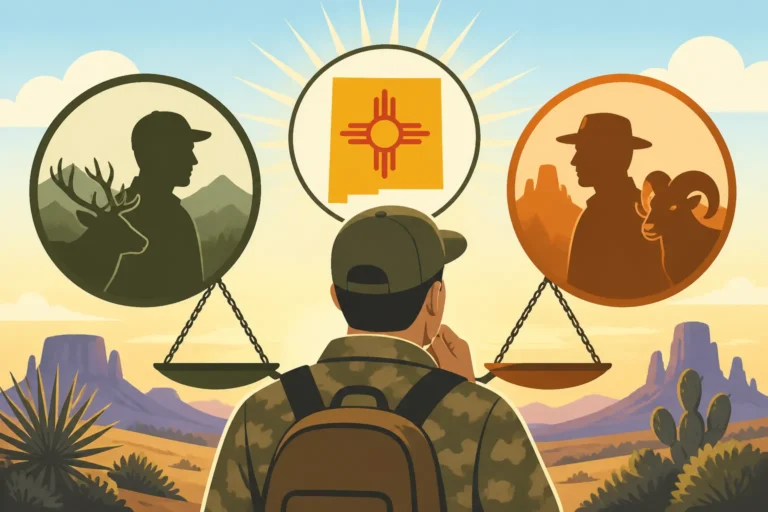
To truly appreciate the cost-effectiveness and nature of a drop camp, it helps to compare it directly with its alternatives: a fully guided hunt and a completely do-it-yourself (DIY) expedition. A fully guided hunt provides a professional guide who hunts with you every day, manages camp, cooks, and takes care of all logistical challenges, often at a premium price. A DIY hunt means you are responsible for literally everything – planning, packing, navigation, camp setup, hunting, and game retrieval.
Here’s a simplified breakdown to illustrate the differences in what you're paying for in each scenario:
| Feature | Fully Guided Hunt | Drop Camp Hunt | DIY Hunt |
|---|---|---|---|
| Outfitter Role | Guides, cooks, packs, sets up camp | Packs in, sets up camp, picks up | None |
| Hunting | Guided daily by professional | Self-guided, independent hunting | Self-guided, independent hunting |
| Camp Setup | Outfitter provides & maintains | Outfitter provides & sets up | Hunter provides & sets up |
| Food & Cooking | Outfitter provides & prepares | Hunter provides & prepares | Hunter provides & prepares |
| Gear Transport | Outfitter handles all | Outfitter packs in & out your gear | Hunter packs in & out all gear |
| Game Retrieval | Often included or assisted | May be extra or DIY responsibility | Hunter responsible |
| Cost Expectation | Highest | Medium | Lowest (excluding gear purchases) |
| Skill Required | Basic hunting, minimal backcountry | Moderate backcountry, self-reliance | High backcountry, navigation, survival |
As you can see, a drop camp slots neatly in the middle, offering a significant reduction in the physical burden of getting into and out of remote areas, while still allowing for the personal challenge and satisfaction of an unguided hunt.
Breaking Down the Costs: What You Pay For
The cost of a New Mexico drop camp is rarely a single, flat fee. Instead, it’s a mosaic of services, determined by numerous factors. Understanding these components will help you budget accurately and avoid any unwelcome surprises. When you're looking for an outfitter, platforms like BookYourHunt can be a great resource to compare different packages and see what's typically included.
Base Camp Services and Pack-In/Pack-Out Fees
The primary cost associated with a drop camp is the transportation service. This involves an outfitter using horses or mules to pack you and your hunting gear deep into the wilderness. This isn't just a simple ride; it's a specialized service that requires skilled wranglers, well-trained animals, and a significant amount of logistical planning. The fee usually covers the initial pack-in to your predetermined camp location and the subsequent pack-out at the end of your hunt.
Many drop camp packages will also include some basic camp infrastructure. This can range from a large wall tent with a wood stove to cots for sleeping, and perhaps a designated cooking area. This saves you from having to buy, transport, and set up these heavier, bulkier items yourself. However, it’s crucial to clarify exactly what equipment is provided. Does it include a full camp kitchen setup with pots, pans, and utensils, or just the tent? Is firewood included, or will you need to gather your own? These details can significantly impact your packing list and overall experience. What a New Mexico Drop Camp Actually Includes explains these nuances in depth.
Game Retrieval: A Critical Consideration
This is perhaps one of the most vital, and often overlooked, cost considerations for a drop camp hunter. When you successfully harvest an animal, especially something as large as an elk in steep, rugged New Mexico terrain, getting that meat and hide out can be a monumental task. Some drop camp services will include one "free" game retrieval as part of their package. This typically means they'll come in with their pack string to retrieve your animal from a designated pickup point, usually close to your camp.
However, many outfitters charge extra for game retrieval, especially if the animal is taken far from camp or in extremely difficult terrain. These fees can add up quickly, sometimes running into hundreds or even thousands of dollars depending on the distance, the effort required, and the number of trips needed. It's imperative to discuss game retrieval policies with your outfitter before booking. Ask about:
- What is included in the base price regarding game retrieval?
- Are there additional charges for extra animals or difficult recoveries?
- What is the maximum distance from camp they will retrieve an animal without extra charge?
- What is the turnaround time for retrieval once you notify them?
Having a clear understanding of these terms will help you budget for a successful hunt and manage expectations if you do tag out miles from your camp. Don't be shy about asking Questions to Ask a New Mexico Outfitter about this.
What's NOT Included: Your Self-Reliance Checklist
While drop camps offer significant support, they are fundamentally designed for self-reliant hunters. This means a substantial portion of your hunt's cost will come from items you provide yourself.
- Hunting License and Tag: These are always your responsibility and can be a significant expense, especially for non-residents. Make sure you understand The Nonresident New Mexico Game Hunting License requirements and costs.
- Food and Cooking Supplies: You'll need to plan and pack all your meals for the duration of your hunt. This includes snacks, drinks, and any special dietary needs. Remember that you'll be cooking for yourself, so bring appropriate cookware and fuel if not provided by the outfitter.
- Personal Gear: Think sleeping bag, pad, backpack, clothing layers for New Mexico's unpredictable mountain weather, optics, firearm or bow, and all personal hygiene items. Layering for Gila Temperature Swings is a good resource for planning your clothing.
- Transportation to the Trailhead: You're responsible for getting yourself to the designated meeting point or trailhead where you'll link up with your outfitter. This might involve driving your own vehicle, or flying into an airport like Albuquerque and then renting a car.
- Meat Processing and Shipping: Once your animal is retrieved, you'll need to arrange for professional meat processing, caping for taxidermy, and shipping if you're traveling a long distance. These services are rarely included.
- Tips for Outfitter and Wranglers: It's customary to tip your outfitter and their crew for their hard work, especially if they’ve gone above and beyond. This is an important, often significant, cost to factor into your budget.
Factors That Influence Drop Camp Pricing
The cost of a New Mexico drop camp is highly variable. You might see prices ranging from relatively affordable to quite substantial, even for what seems like a similar service. Several key factors play into these differences.
Location, Access, and Remoteness
The more remote and difficult an area is to access, the higher the drop camp cost is likely to be. Outfitters operating in true wilderness areas, like portions of the Gila National Forest, face greater logistical challenges, longer pack trips, and more demanding terrain for their stock. Getting into these pristine areas is often the entire point of a drop camp, as New Mexico's Gila National Forest for Elk Hunters highlights. If an outfitter has to transport their pack string a long distance to reach your trailhead, or if the trail system is particularly arduous, these added expenses and efforts will be reflected in the price. Outfitters in units with easier road access might offer slightly lower prices due to reduced operational costs.
Duration of the Hunt and Number of Hunters
Naturally, a longer hunt requires more days of the outfitter's time for pack-in and pack-out, potentially more camp supplies, and a longer commitment from their crew and stock. Most drop camp prices are quoted for a specific hunt duration, typically 5 to 7 days. Extending your stay will almost certainly incur additional daily fees.
The number of hunters in your group also impacts the cost. While drop camp prices are often quoted on a per-hunter basis, larger groups might sometimes qualify for a slight per-person discount, or at least help spread the fixed costs of the outfitter's time and pack string. However, don't expect a massive reduction; the outfitter still has to pack in and out a proportionate amount of gear and potentially multiple animals.
Level of Camp Amenities and Services
Not all drop camps are created equal. Some are very basic – perhaps just a canvas tent frame and a stove, expecting you to bring your own tent cover and other essentials. Others offer a more deluxe experience, including:
- Large, fully equipped wall tents with cots, tables, and chairs.
- Propane cooking stoves, lanterns, and even refrigeration (if accessible).
- Satellite communication devices for emergency contact or daily check-ins.
- Designated water sources or filtration systems.
- Pre-cut firewood (a huge convenience in many areas).
The more amenities and "creature comforts" provided, the higher the price will climb. Outfitters that invest in higher-quality, more extensive camp setups pass those costs on to the client. This is where you need to weigh your budget against your desired level of rustic comfort. Some hunters prefer minimalist; others appreciate a well-appointed camp after a long day of hunting.
Outfitter Reputation and Demand
Like any service, an outfitter's reputation, track record, and demand for their services will influence their pricing. Outfitters known for exceptional service, reliable stock, great camp locations, and strong communication often command higher prices. If an outfitter consistently books solid year after year, they have less incentive to offer deep discounts. Checking references and reading reviews on platforms like GoHunt can give you insight into an outfitter's reputation, though always remember that a drop camp's success largely hinges on your own hunting skills and effort. Vetting a New Mexico Outfitter Before You Send a Deposit is essential reading here.
Making the Most of Your Drop Camp Investment
Once you've decided a drop camp is the right fit and you've factored in the potential costs, it's time to ensure you get the absolute best value for your money. A successful drop camp experience isn't just about the outfitter; it's heavily dependent on your own preparation and expectations.
Thorough Pre-Trip Planning and Communication
This cannot be stressed enough: communicate extensively with your chosen outfitter well in advance. Don't assume anything. Clarify every detail about what's included, what's not, gear limitations (weight and volume), game retrieval policies, and emergency procedures. Ask for a detailed gear list they recommend. The more prepared you are, and the more transparent the communication, the smoother your trip will be. Discuss How Far Ahead to Book a New Mexico Hunt and ensure you align on dates and expectations.
Develop a meticulous plan for your food. Dehydrated meals are lightweight and efficient. Ensure you have enough calories for strenuous backcountry hunting. Plan your daily hunting strategy using maps and satellite imagery. Research the unit you'll be in – understand the terrain, water sources, and common game movements. E-Scouting a New Mexico Unit Before the Season can be incredibly helpful for this.
Physical and Mental Preparation
A drop camp delivers you to the hunting grounds, but it doesn't do the hunting for you. You'll be covering miles of rugged terrain daily, often at high elevations in New Mexico. Physical fitness is paramount. Start a rigorous training regimen months before your hunt, focusing on cardio, strength, and hiking with a weighted pack. Physical Conditioning for a Gila Hunt provides excellent guidance.
Mentally, you need to be prepared for self-reliance. There won't be a guide telling you where to go or what to do. You'll be responsible for navigation, decision-making, and self-care in a potentially challenging environment. This includes being proficient with your weapon, understanding wind direction, and being able to field dress an animal effectively.
Gear Selection and Weight Management
Every pound counts in a drop camp. While the outfitter packs in your main camp, your personal gear still needs to be light and efficient. Choose versatile clothing that can handle New Mexico's drastic temperature swings. Opt for lightweight but durable backpacking gear for your day pack. Think about compact cooking solutions if the outfitter doesn't provide a full kitchen.
Most outfitters will have weight limits for your personal gear they can pack in, typically around 100-150 pounds per hunter, not including your first game animal. Exceeding this limit will incur additional charges, as it requires more trips or more pack animals. Pack smart, prioritize essentials, and leave luxuries at home. Packing an Elk Out of the Gila Alone can give you a sobering look at what it takes, even with assistance, so think about every item's utility.
By carefully considering all these aspects, from initial costs to personal preparation, you can transform the dream of a New Mexico drop camp hunt into a realistic and rewarding backcountry adventure.
Disclaimer
This article is for general informational purposes only and does not constitute professional advice. Laws, prices and regulations vary by location and change over time. Consult a qualified professional for guidance on your specific situation.