New Mexico Barbary Sheep Guided Hunt Pricing
The dream of chasing Barbary sheep, those magnificent Aoudad rams, across New Mexico's rugged canyons is one that captures the imagination of many hunters. But when you start to look into making that dream a reality with a guided hunt, the question of cost can feel like hitting a brick wall. It's tough to get a clear picture of what you're really signing up for financially, and it can feel overwhelming trying to compare different outfitter packages. This guide aims to pull back the curtain on the pricing of guided Barbary sheep hunts in New Mexico, helping you understand the real investment involved and what factors shape those numbers.
Understanding Barbary Sheep Hunting in New Mexico
Hunting Barbary sheep, also known as Aoudad, in New Mexico is a unique and incredibly challenging endeavor. These aren't your typical whitetail hunts; they demand a completely different level of physical fitness, mental grit, and specialized hunting skills. The very nature of the animal and its preferred habitat directly influences why guided hunts for them carry a particular price tag.
The Allure of Aoudad in New Mexico
There's something incredibly captivating about Barbary sheep. Their impressive horns, shaggy chaps, and almost mystical ability to disappear into the seemingly barren landscape make them a truly sought-after trophy. For many, a New Mexico Aoudad hunt represents the pinnacle of desert hunting, offering a taste of an exotic experience right here in North America. They aren't native to New Mexico, but they've established robust populations in certain canyon systems, providing a fantastic opportunity that you won't find just anywhere. If you're wondering How Aoudad Reached New Mexico Canyon Country, it's a fascinating story. This allure, combined with the difficulty of the hunt, means that demand for guided hunts remains strong, impacting pricing.
Where They Roam: Key Hunting Areas
Barbary sheep in New Mexico primarily inhabit the rough, broken rimrock country and deep canyon lands of the state's southern and central regions. Think steep, rocky slopes, often with minimal vegetation, where these animals thrive. Units known for Barbary sheep hunting include areas like the Canadian River breaks, parts of the Guadalupe Mountains, and various other arid mountain ranges. The terrain itself is a significant factor – it's incredibly tough on both hunters and equipment. Outfitters who operate in these remote and challenging areas must invest heavily in specialized vehicles, horses, and gear to ensure client safety and success. Knowing Where Barbary Sheep Live in New Mexico is the first step to understanding the logistical challenges an outfitter faces.
The Unique Demands of a Barbary Hunt
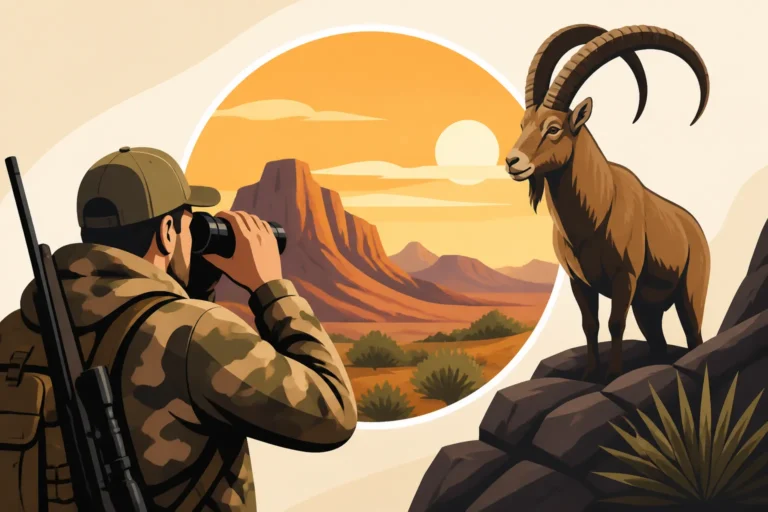
A Barbary sheep hunt is physically grueling. You'll be doing a lot of glassing, often for hours on end, scanning vast expanses of unforgiving terrain for a glimpse of tan hide against tan rock. Once a ram is spotted, the stalk can be epic – requiring long walks, often through steep, loose rock, and sometimes involving significant elevation changes. It's not uncommon to hike for miles and climb thousands of feet in a day. Spot and stalk tactics are paramount, and learning Spot and Stalk Tactics for Barbary Sheep is crucial. Guides bring an invaluable skillset to this, knowing how to interpret the landscape, read animal behavior in these specific environments, and execute a difficult stalk. This expertise, honed over countless hours in the field, is a core component of what you're paying for. You'll definitely want to ensure you've done your Physical Conditioning for a High Elevation Hunt, even if it's desert elevation.
Factors Influencing Guided Barbary Sheep Hunt Costs
When you start looking at price tags for guided Barbary sheep hunts, you'll notice a considerable range. This isn't random; it's a reflection of several key factors that dictate an outfitter's operational costs and the value they provide. Understanding these variables will help you make sense of the quotes you receive.
Outfitter Reputation and Experience
Just like in any profession, experience and reputation matter immensely in the guiding world. Outfitters with a long history of successful Barbary sheep hunts, a strong roster of satisfied clients, and a reputation for ethical practices often command higher prices. This isn't just about "trophy fees" or guaranteed kills; it's about the assurance that you're hunting with someone who deeply understands the animal, the terrain, and how to maximize your chances while prioritizing safety. A seasoned outfitter often has proprietary knowledge of specific areas, a network of resources, and the wisdom to adapt to changing conditions. When you see a higher price from a well-established operation, you're paying for that proven track record and peace of mind.
Hunt Duration and Style
The length of your hunt directly impacts the cost. A standard Barbary sheep hunt typically runs anywhere from 3 to 5 full hunting days. Longer hunts mean more days of guide wages, more food, more fuel, and more wear and tear on equipment, all of which contribute to a higher overall price.
Beyond duration, the style of the hunt plays a huge role.
- Fully Guided: This is the most common and often the most expensive, but for good reason. It includes your guide, all meals, lodging (which might be a comfortable ranch house, a canvas wall tent, or even spike camps in rugged country), transportation during the hunt, and field preparation of your animal. The guide is with you every step of the way.
- Semi-Guided: Less common for Barbary sheep, but sometimes an option, where the outfitter provides a camp and general direction, but you do more of the actual hunting and tracking yourself. This is usually more affordable but requires more self-sufficiency.
- Drop Camps: Very rare for Barbary sheep due to the dynamic nature of these hunts, but could theoretically exist. This is where an outfitter packs you and your gear into a remote location, sets up a basic camp, and leaves you to hunt on your own. Given the difficulty of Barbary sheep, this is generally not recommended for first-timers.
The more comprehensive the service, the higher the price.
Inclusions and Exclusions
This is where many hunters get tripped up. A quoted price might seem fantastic until you realize what isn't included. A truly comprehensive guided hunt will list out everything from the moment you arrive at a designated meeting point until you depart.
Typical Inclusions:
- Professional guide services (usually 1:1 or 2:1 client-to-guide ratio)
- All meals and non-alcoholic beverages
- Lodging (camp, cabin, or motel, depending on the outfitter)
- Transportation during the hunt (4×4 vehicles, UTVs, sometimes horses/mules)
- Field preparation of your animal (gutting, caping, quartering)
Common Exclusions (and potential hidden costs!):
- Hunting License & Tag: This is always extra. You'll need to secure your own New Mexico hunting license and a Barbary sheep tag, which may be drawn or purchased over-the-counter depending on the specific hunt area and year. Checking New Mexico Barbary Sheep Draw Odds is a good idea.
- Travel to/from meeting point: Airfare, personal vehicle fuel, etc.
- Meat Processing & Shipping: Unless explicitly stated, you're responsible for getting your meat from the field to a processor and then home.
- Taxidermy: Similar to meat, cape and skull preparation for a taxidermist is usually included, but the taxidermy work itself is not. You might need services for shipping antlers and capes.
- Gratuities for guides/staff: A significant expense that should always be budgeted for.
- Personal Gear: Optics, weapon, clothing, sleeping bag.
- Alcoholic beverages: Typically not provided.
- Trophy Fees: While rare for Barbary sheep, some outfits might have a higher fee for larger rams, so always clarify.
It's absolutely essential to get a detailed list of inclusions and exclusions in writing before you commit.
The Unit and Access
The specific hunting unit and the type of land you'll be hunting (public vs. private) can also influence the cost. Some units are incredibly remote and require extensive logistical planning and travel time, which adds to an outfitter's overhead. Hunting on private land, which can sometimes offer higher success rates or less pressure, often involves trespass fees paid by the outfitter to the landowner, and this cost is naturally passed on to the client. Outfitters with exclusive leases on prime Barbary sheep habitat will likely charge more for that guaranteed access to quality animals.
What to Expect for Your Investment
So, what does all of this translate to in terms of actual cost? While I can't give you exact numbers that change with the market, I can give you a clear picture of the investment shape and what you're generally getting for your hard-earned money.
Typical Cost Components
A guided New Mexico Barbary sheep hunt typically involves a few distinct financial elements:
- Application/Draw Fees: If you're going for a draw tag (which is common for prime public land Barbary hunts), you'll pay a non-refundable application fee to the state. The actual tag cost is only charged if you're successful in the draw.
- State Licenses: You'll need a standard New Mexico hunting license, plus any habitat stamps or validations like the HMAV, regardless of whether you draw a Barbary tag.
- Outfitter Fee: This is the core cost of the guided hunt itself, covering the services, food, lodging, and in-hunt transportation described above. This is the largest single expense.
It’s crucial to understand that these state fees and licenses are separate from the outfitter’s charge and are your responsibility to secure.
What's Usually Covered
When you book a quality guided Barbary sheep hunt, you're typically investing in:
- Expert Guidance: A professional guide who knows the land, the animals, and proven strategies for success. This includes their time, expertise, and dedication to your hunt.
- Logistical Support: All the heavy lifting of camp setup, meal preparation, in-field transportation, and the general "how do we get there and survive" questions are handled. This frees you up to focus purely on the hunt.
- Safety Net: Outfitters are equipped with emergency communication devices, first aid, and often have plans for unforeseen circumstances in remote locations.
- Field Care: Your animal will be properly field dressed, caped, and quartered to preserve the meat and trophy, something critical in the often-warm desert conditions.
Common Exclusions and Hidden Costs
The frustration often comes from unexpected costs. Be diligent in understanding these upfront:
| Category | Often Included | Often Excluded (Budget Separately) |
|---|---|---|
| Licenses/Tags | None (always hunter's responsibility) | New Mexico Game Hunting License, Barbary Sheep Tag, HMAV, Habitat Stamp |
| Travel | In-hunt transportation from meeting point | Airfare, personal vehicle fuel, hotels before/after hunt |
| Food/Drink | All meals, non-alcoholic beverages in camp | Alcoholic beverages, snacks for field use |
| Guide Services | Professional guide (1:1 or 2:1 ratio) | Gratuities/Tips for guides and camp staff |
| Meat/Trophy | Field dressing, caping, quartering | Meat processing, taxidermy, shipping meat/trophy |
| Gear | Basic camp gear (tents, cooking equipment) | Personal hunting gear (rifle, ammo, optics, clothing, boots) |
| Special Fees | Generally none, unless private land lease fees are absorbed | Potential for trophy fees (rare for Aoudad, but verify) |
Always get a crystal-clear list from the outfitter. Reputable operations, some of which you might find listed on platforms like BookYourHunt, are usually very transparent about these details. When researching, also check resources like GoHunt for insights into draw odds and unit information, which can inform your outfitter discussions.
Value Beyond the Price Tag
While the cost is a major consideration, it's important to remember what a guided hunt truly offers: an unparalleled outdoor experience, a significantly higher chance of success on a challenging animal like a Barbary sheep, and the safety net of experienced professionals in remote, unforgiving terrain. For many hunters, especially those traveling from out of state or new to this type of hunting, the investment is well worth the expertise, logistics, and lifelong memories created. It's about maximizing your limited time in the field and having the best possible opportunity to achieve your hunting goals.
Navigating the Booking Process
Once you've wrapped your head around the cost structure, the next step is actually finding and booking a reputable outfitter. This process requires due diligence to ensure your investment leads to a positive experience.
Finding Reputable Outfitters
The internet is a powerful tool, but personal referrals and professional platforms are often your best bet.
- Word of Mouth: Talk to hunters who have successfully hunted Barbary sheep in New Mexico. Their experiences can be invaluable.
- Hunting Shows and Expos: These events allow you to meet outfitters face-to-face, ask questions, and get a feel for their operation.
- Online Directories: Websites like BookYourHunt specialize in connecting hunters with outfitters, often providing reviews and detailed package information. This can be a great starting point for seeing various options and pricing ranges.
- New Mexico Game & Fish Department: They often have lists of registered guides and outfitters. Always verify that an outfitter is properly licensed in New Mexico. This due diligence is crucial before you even think about a deposit.
When you're comparing, remember that you're not just comparing price tags. You're looking at the experience, the guide-to-hunter ratio, the quality of the camp, and the overall fit with your hunting style. Don't be shy to ask for references, and actually call them!
Key Questions to Ask Before Booking
Once you've narrowed down your choices, prepare a list of specific questions. This isn't about being confrontational; it's about being informed.
- What is the total cost, including ALL state fees and licenses? Get a clear, itemized breakdown.
- What is your typical success rate for Barbary sheep? Understand that "success" might mean opportunities or actual harvests.
- What is included in the hunt package? Get a detailed list of food, lodging, transportation, and field services.
- What is not included? Specifically ask about gratuities, meat processing, taxidermy, and any potential hidden fees.
- What is the guide-to-hunter ratio? A 1:1 ratio is ideal for challenging hunts like Barbary sheep, offering more personalized attention.
- What kind of terrain can I expect, and what physical conditioning is required? Be honest about your fitness level.
- What type of lodging and meals are provided? Understanding if it's a tent camp or a lodge helps set expectations.
- What are your cancellation and refund policies? This is critically important, especially if you're drawing a tag. Reading the Cancellation and Refund Terms is a must.
- Can you provide references from past Barbary sheep clients? Call at least two or three.
Don't rush this stage. A good outfitter will welcome your questions and be eager to provide detailed answers. They want to ensure you're a good fit for their operation, just as much as you want them to be a good fit for your hunt.
Understanding Contracts and Deposits
Once you've chosen an outfitter, you'll typically be asked to sign a contract and put down a deposit.
- The Contract: Read it thoroughly. It should outline all the terms discussed, including dates, inclusions, exclusions, payment schedules, and cancellation policies. This contract is your protection and clarifies expectations for both parties. Any reputable outfitter will provide a clear contract. For more general advice, you might want to look into The New Mexico Guide-Client Contract Requirement.
- Deposits: Deposits typically range from 25% to 50% of the total hunt cost. Understand if it's refundable, partially refundable, or non-refundable under various circumstances (e.g., if you fail to draw a tag). It's common for deposits to be non-refundable, but some outfitters offer to roll it over to the next year if you don't draw. Always clarify Typical Deposit Amounts New Mexico Outfitters Ask and their specific policies.
- Payment Schedule: Most outfits require the balance of the hunt fee to be paid before the hunt begins, often 30-60 days prior.
Leveraging Resources like BookYourHunt and GoHunt
In your research journey, specific platforms can be incredibly helpful. BookYourHunt serves as a marketplace where you can browse different outfitters offering Barbary sheep hunts, compare packages, and read reviews from other hunters. It’s a transparent way to see what's available and get initial pricing ideas. Similarly, GoHunt offers valuable draw odds statistics, unit breakdowns, and harvest reports, which can inform your decision on when and where to hunt, complementing the outfitter's local knowledge. Using these resources can help you feel more confident about your choices and ensure you’re getting the best possible value for your guided New Mexico Barbary sheep hunt investment.
Disclaimer
This article is for general informational purposes only and does not constitute professional advice. Laws, prices and regulations vary by location and change over time. Consult a qualified professional for guidance on your specific situation.