Questions to Ask a New Mexico Outfitter
Booking a hunting trip, especially to a state like New Mexico with its unique draw system and diverse terrain, can feel like navigating a maze blindfolded. You've dreamt of chasing elk in the Gila or stalking a desert mule deer, but the sheer number of outfitters and the complexity of securing a tag can make you wonder if it's even worth the effort. This guide is here to empower you with the essential questions to ask any New Mexico outfitter, ensuring you make an informed decision and set yourself up for the best possible hunting experience.
Understanding the Outfitter's Credentials and Experience
When you're entrusting someone with your hard-earned money and precious tag, knowing who you're dealing with is paramount. Don't be shy about asking direct questions regarding their professional standing and local expertise. A reputable outfitter will welcome your thoroughness.
Licensing and Insurance Verification
First and foremost, you need to verify that your prospective outfitter is legally operating. New Mexico has specific requirements for outfitters and guides, and you want to ensure they meet every single one. Ask to see their current outfitter license number issued by the New Mexico Department of Game and Fish. Don't just take their word for it; a legitimate outfitter will have this readily available. This simple step can weed out unlicensed operations that might put your hunt, and even your safety, at risk.
Beyond licensing, inquire about their liability insurance. Accidents, though rare, can happen in the backcountry. Understanding that your outfitter carries adequate insurance coverage can offer significant peace of mind. It shows professionalism and a commitment to client safety. Ask what their policy covers and if it extends to clients in case of an unforeseen incident during the hunt. This is a crucial layer of protection for everyone involved.
Experience with New Mexico's Specific Game and Units
New Mexico is a vast state with incredibly diverse ecosystems, from the high peaks of the Sangre de Cristos to the desert ranges of the bootheel. An outfitter who excels at calling elk in the Gila might not be the best choice for a Coues deer hunt in the extreme south, or an oryx hunt on White Sands. Ask specific questions about their experience with the species you're targeting and, crucially, the exact game management unit (GMU) your tag is for. A deep understanding of the local wildlife patterns, water sources, and terrain features for that specific unit is invaluable.
Inquire about how long they've been operating in New Mexico and, more specifically, in the units they hunt. Do they primarily focus on specific areas, or do they spread themselves thin across the state? An outfitter with concentrated, long-term experience in a particular unit often has a significant advantage due to their intimate knowledge of the resident animals and their habits. They should be able to tell you about historical success in that unit, the typical size of animals harvested, and specific strategies they employ there. This deep dive into their local expertise is far more telling than general claims of success.
Client References and Success Rates
Any reputable outfitter should be willing, and even eager, to provide a list of recent client references. Don't just skim this list; make the calls. Ask former clients about their overall experience: Was the outfitter professional? Were the guides knowledgeable? Was the camp comfortable? Did they feel safe? Most importantly, ask if the hunt met their expectations, both in terms of opportunity and experience. Remember, "success" isn't always just about punching a tag. Sometimes, a challenging hunt with a great guide and memorable experience is more valuable than an easy kill.
While success rates are often published, dig deeper than a simple percentage. Ask how these rates are calculated. Do they include wounded animals? Are they specific to the species and unit you're interested in, or are they a generalized average across all their hunts? A high success rate on easy-to-draw, over-the-counter tags might not translate to a tough, limited-entry elk hunt. Also, inquire about opportunity rates – how many shot opportunities do clients typically get, even if they don't seal the deal? This gives you a better sense of the actual hunting experience, rather than just the final outcome. Many hunters find helpful data on platforms like BookYourHunt, which aggregates outfitter reviews and general information, giving you a good starting point for your research before you even make that first call.
Delving into Hunt Logistics and Expectations
Once you've vetted the outfitter, it's time to get into the nitty-gritty details of your actual hunt. This is where clarity prevents disappointment.
Hunt Duration, Inclusions, and Exclusions
It sounds basic, but confirm the exact dates and duration of your hunt. Some hunts are five full days of hunting, others might include travel days as part of the total. Be clear on when you arrive and when you depart. Then, get a crystal-clear understanding of what is included in the price. Does it cover food, lodging, transportation once you're in camp, and field dressing? Are there any hidden fees for things like extra mileage, special equipment, or even guide gratuities that aren't clearly stated?
Equally important are the exclusions. What expenses will you be responsible for? This commonly includes your New Mexico hunting license and tag fees, meat processing, taxidermy, and shipping any trophies or meat home. For some hunts, even certain camp supplies or specialty gear might be on you. A good outfitter will provide a detailed list, but it's your responsibility to ask for it and understand it thoroughly. This prevents any unwelcome surprises when the final bill arrives or when you're deep in the woods needing something you thought was provided.
Physical Demands and Preparation
Hunting in New Mexico can be physically demanding, especially for elk in the mountainous Gila wilderness or on foot after oryx in the desert. Be honest with your outfitter about your physical condition, and ask them to be equally honest about the physical demands of the hunt. Will you be hiking miles a day in steep terrain at high elevation? Will you be riding horses for long hours? Understanding this helps you prepare adequately, both physically and mentally. There's nothing worse than being on a dream hunt and realizing you're not up to the task.
Ask for their recommendations on physical training. Are there specific exercises, hiking regimens, or activities they suggest in the months leading up to the hunt? Inquire about the elevation you'll be hunting at and what kind of acclimatization they recommend, if any. For high-country hunts, Altitude Preparation for a Gila Elk Hunt can make or break your trip. Discuss the typical weather conditions for your hunt dates, which will influence your clothing and gear choices. Being well-prepared physically will not only increase your chances of success but also significantly enhance your enjoyment of the entire experience.
Camp Life, Meals, and Amenities
What kind of camp can you expect? Is it a comfortable lodge with hot showers and flush toilets, a rustic wall tent camp with cots and a cook stove, or a remote spike camp where amenities are minimal? Be specific about your expectations and match them with what the outfitter provides. Some hunters prefer the challenge and solitude of a primitive camp, while others need a bit more comfort to recover each day. Asking about "camp life" will help you decide if it's the right fit for your personal preferences.
Inquire about meals: what kind of food is served, how is it prepared, and can they accommodate dietary restrictions or allergies? Knowing this ahead of time is vital for your comfort and health during the hunt. Some outfitters pride themselves on gourmet meals, while others offer more basic, hearty fare. Also, ask about communication in camp and emergency protocols. Is there satellite communication available in remote areas? What's their plan for medical emergencies or unforeseen circumstances? These questions, though perhaps less exciting, are critical for your safety and well-being.
Financial Considerations and Contract Details
Money matters can be awkward, but being upfront and clear about finances and contractual agreements is non-negotiable. This protects both you and the outfitter.
Total Cost, Deposits, and Payment Schedules
Get a detailed breakdown of the total cost, leaving no room for ambiguity. This should include the base price of the hunt, any potential trophy fees, transportation costs (if applicable), and expected gratuities. In New Mexico, it's important to understand the overall financial picture, as a nonresident elk tag alone can be a significant investment, as discussed in The All-In Cost of a New Mexico Elk Hunt. Ask about the deposit amount required to book the hunt, the payment schedule for the remaining balance, and what payment methods they accept.
Confirm if there are any additional fees you might incur, such as for extra animals harvested (if legal and desired) or for extended stays. It's not uncommon for outfitters to ask for a percentage upfront to secure your spot, with the remainder due several months before the hunt or even upon arrival. Understand these terms clearly to avoid any stress or logistical hurdles as your hunt approaches. Remember, reputable outfitters will have transparent pricing, so any vagueness should be a red flag that merits further investigation.
Cancellation Policies and Refunds
Life happens, and sometimes even the best-laid plans go awry. Understanding the outfitter's cancellation policy is incredibly important. What happens if you need to cancel your hunt due to an emergency? Will your deposit be refunded, partially refunded, or is it non-refundable? Are there options to reschedule for a future year, or to transfer your spot to another hunter? This is also where you might reference information like Reading the Cancellation and Refund Terms to understand industry standards.
Inquire about what happens if the outfitter has to cancel or alter the hunt, perhaps due to unforeseen circumstances like severe weather, wildfires, or other natural disasters. What is their protocol in such cases? Will they offer a full refund, a credit for a future hunt, or assist in finding an alternative? While rare, these situations do occur, and having a clear understanding of the policy beforehand can save a lot of heartache and financial loss. Protect yourself by knowing these terms inside and out.
Understanding the Guide-Client Contract
A professional outfitter will always provide a written contract. Do not sign anything until you have read and understood every single clause. Ask for a copy of the contract to review at home before you commit. This contract should clearly outline the services provided, the total cost, payment terms, cancellation policy, responsibilities of both parties, and liability waivers. Pay close attention to the fine print. New Mexico even has specific requirements regarding guide-client contracts, as detailed in The New Mexico Guide-Client Contract You Must Sign.
Don't hesitate to ask for clarification on any terms you don't understand. If something seems unclear or unfair, discuss it with the outfitter. A good outfitter will be willing to explain everything to your satisfaction. This contract is your legal protection and ensures that both parties are on the same page regarding the expectations and deliverables of the hunt. It’s also important to confirm that the outfitter is familiar with the requirement for How Many Days a New Mexico Outfitter Must Accompany You if you are applying through the outfitter pool.
Ethical Practices and Post-Harvest Management
Responsible hunting and ethical considerations are paramount. Discussing these aspects with your outfitter reflects your commitment to fair chase and proper game management.
Fair Chase Ethics and Game Retrieval
A critical conversation revolves around fair chase principles. What are the outfitter's ethical guidelines for hunting? How do they ensure fair chase practices, especially in units where access or terrain might be challenging? This might include discussions on hunting methods, the use of vehicles, calling techniques, and general approach to game. You want an outfitter whose values align with your own ethical standards.
Beyond the shot, ask about their philosophy and capability for game retrieval, particularly for large animals like elk or oryx in remote or rugged terrain. Will they use horses, ATVs, or require a significant packing effort by foot? Who is responsible for packing out the meat and trophy, and what are the expectations for client participation? It's easy to get caught up in the excitement of the hunt, but the hard work begins after the animal is down. Discussing the Meat Salvage Requirements for Big Game is a vital conversation to ensure you're both prepared to honor the animal and the law.
Meat Processing, Caping, and Transportation
Once an animal is harvested, the clock starts ticking, especially in warmer early seasons. Inquire about the outfitter's procedures for field dressing, caping, and initial meat care. Do they have facilities for cooling meat quickly, or will they arrange for transportation to a local processor? Ask for recommendations for local meat processors and taxidermists, and understand if these services are included in the hunt price or if they are additional costs. Often, they are separate fees paid directly to the processor or taxidermist.
Discuss the logistics of transporting your meat and trophy home. If you're flying, what are the options for shipping? Will the outfitter assist in coordinating this, or is it entirely your responsibility? For non-residents, understanding these logistics well in advance is critical to avoid issues and ensure your hard-earned trophy and meat make it back safely. This is another area where platforms like BookYourHunt can sometimes provide useful information about logistical support offered by various outfitters.
Handling Wounded Animals and Safety Protocols
No hunter ever wants to wound an animal, but it's a reality of hunting. Ask the outfitter about their policy and procedure for tracking and retrieving wounded game. What steps do they take to ensure every effort is made to recover the animal? This demonstrates their commitment to ethical hunting and minimizing suffering. A good outfitter will have a clear, aggressive plan for tracking, even if it means long hours or difficult conditions.
Safety should always be the top priority. Ask about their safety protocols in the field, including firearm safety, emergency communication, first aid training for guides, and what to do in case of encounters with dangerous wildlife. Are guides equipped with satellite phones or other communication devices? What is their plan for medical emergencies, and how quickly can they get help if needed? This is especially important in remote areas like the Gila Wilderness. Discuss Wilderness First Aid on a Guided Hunt and the general approach to client safety in various scenarios.
Navigating the New Mexico Draw and Outfitter Pool
New Mexico's draw system is unique and can be confusing. Understanding how outfitters fit into this process is essential for many hunters, especially non-residents.
How Outfitters Impact Draw Odds
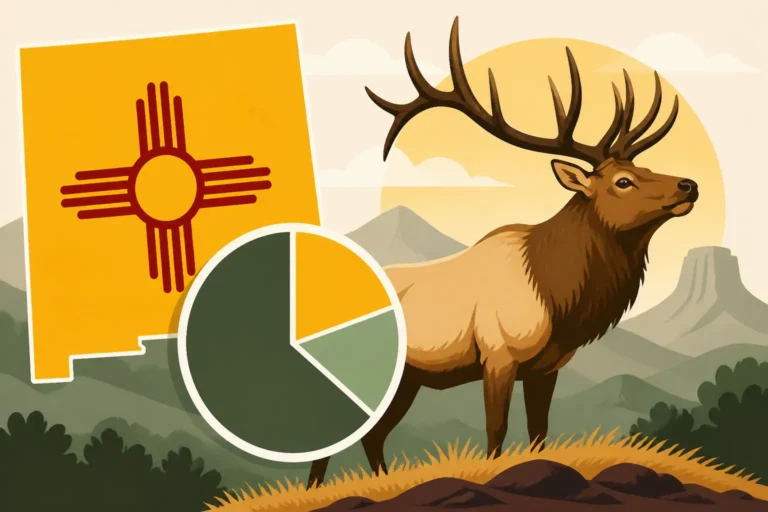
New Mexico allocates tags through a unique system: 84% for residents, 10% for residents or non-residents applying with an outfitter (the outfitter pool), and 6% for non-residents applying without an outfitter. This means that if you're a non-resident, applying through the outfitter pool can significantly change your draw odds, often for the better, as there's a larger pool of tags available to you compared to the 6% non-resident pool. This is a crucial point many hunters miss, and it's worth exploring the data, which you can find discussed in depth in Does Applying With an Outfitter Improve Your Odds?.
Ask the outfitter how they leverage this outfitter pool. Do they have a strategy for which units they focus on within this pool? What are their historical draw success rates for clients applying with them in specific units for the species you want to hunt? Understanding this mechanism is vital, as it can be the primary reason a non-resident chooses to go with an outfitter in New Mexico, even if they plan a semi-guided or drop camp hunt.
Applying with an Outfitter Number
If you plan to apply with an outfitter, you'll need their outfitter number to enter on your application. Confirm this number and ensure it's correct before submitting your application. The outfitter will also need to attest that they have a signed contract with you. This process is detailed in resources like Applying Under an Outfitter Number. Be aware of the strict application deadlines; all New Mexico applications close March 18 at 5 p.m. Mountain Time, so plan accordingly, and consider that Booking Before New Mexico Draw Results Land is often necessary.
Inquire about their involvement in the application process. Will they guide you through filling out the application, or are you expected to handle it entirely? Many outfitters will provide advice on hunt codes and unit choices, drawing on their experience to suggest options that might maximize your draw odds. Leveraging their knowledge in this phase can be extremely beneficial, especially for first-time New Mexico applicants. Tools like GoHunt can also be invaluable for researching draw odds and unit characteristics before making your final choices.
EPLUS Tags and Landowner Authorizations
Beyond the draw, New Mexico has the EPLUS system, which allows landowners to convert their private land authorizations into unit-wide public land tags for elk. These EPLUS tags are typically purchased directly from landowners or outfitters who have secured them. If you're unsuccessful in the draw, or if you prefer to bypass the draw entirely, an EPLUS tag might be an option. How New Mexico EPLUS Authorizations Are Issued explains this system.
Ask your potential outfitter if they deal in EPLUS tags. Do they have access to these tags, and what would be the additional cost if you decide to go this route? An EPLUS tag often comes at a premium, but it guarantees you an elk tag in a specific unit, which can be a huge advantage. Understanding all avenues for securing a tag, whether through the draw or an EPLUS purchase, empowers you to make the best decision for your hunting goals and budget.
| Category | Key Questions to Ask |
|---|---|
| Credentials | What is your New Mexico outfitter license number? Are you insured, and what does it cover? How long have you operated in Specific Unit? What is your experience with Target Species in this area? Can you provide recent client references? How do you calculate your success and opportunity rates? |
| Logistics | What are the exact hunt dates and duration? What is included (food, lodging, guide, field care, transportation)? What is not included (license, tag, processing, taxidermy, shipping, gratuity)? What are the physical demands? What kind of camp (lodge, tent, spike) should I expect? What are the meals like, and can you accommodate dietary needs? What are your emergency and communication protocols? |
| Financials | What is the total cost, including any potential trophy fees? What is the deposit amount and payment schedule? What is your cancellation policy if I need to back out or if you cancel? May I review a copy of your guide-client contract before I sign? |
| Ethics & Post-Hunt | What are your fair chase principles and hunting ethics? What is your plan for game retrieval in rugged terrain? What are your procedures for field dressing, caping, and initial meat care? Do you have recommendations for local processors/taxidermists? How do you assist with meat/trophy transportation? What is your policy for handling wounded animals? |
| Draw & Tags | How does applying with your outfitter number affect my draw odds in New Mexico? Will you provide your outfitter number and assist with the application process? Do you offer or have access to EPLUS landowner tags, and what is the cost and process for those? |
Making the decision to hire an outfitter for a New Mexico hunt is a significant one, both financially and in terms of the experience you're hoping for. By arming yourself with these detailed questions, you're not just buying a hunt; you're investing in a partnership. A good outfitter will appreciate your thoroughness, knowing that a well-informed client is often a happier and more successful one. Do your homework, ask the tough questions, and you'll be well on your way to an unforgettable adventure in the Land of Enchantment.
Disclaimer
This article is for general informational purposes only and does not constitute professional advice. Laws, prices and regulations vary by location and change over time. Consult a qualified professional for guidance on your specific situation.