State Wildlife Management Areas Open to Hunting
Navigating the vast mosaic of public lands in New Mexico for hunting can feel like deciphering a secret code. Many hunters focus on the expansive National Forests or BLM acreage, sometimes overlooking smaller, yet incredibly valuable, pockets of opportunity. This guide will walk you through New Mexico's State Wildlife Management Areas, explaining what they are, how to access them, and how to make the most of these unique hunting grounds.
Understanding New Mexico's State Wildlife Management Areas
When you think of hunting public land in New Mexico, your mind likely jumps to the vast stretches of National Forest or the seemingly endless Bureau of Land Management (BLM) property. And rightly so—these are indeed major players in providing access to incredible hunting. However, the New Mexico Department of Game and Fish (NMDGF) also manages a collection of special properties known as State Wildlife Management Areas (WMAs). These are distinct from other public lands and offer their own set of rules and, often, unique hunting experiences.
What Makes WMAs Different?
WMAs are acquired and managed specifically for wildlife habitat and public recreation, with hunting being a primary activity on many of them. Unlike federal lands managed by agencies like the Forest Service or BLM, WMAs fall under the direct purview of the NMDGF. This means the rules and regulations for WMAs can be more specific, sometimes stricter, and often tailored to the particular wildlife and habitat found within that individual area. You might find specific entry requirements, limitations on vehicle use, or even unique season dates not applicable to adjacent federal lands.
The primary goal of these areas is conservation. They serve as critical habitats for a variety of game and non-game species, often protecting crucial winter range, migration corridors, or breeding grounds. While they are set aside for wildlife, a significant benefit is the public hunting access they provide. It's a testament to good wildlife management that these areas, while conserving resources, also allow us to pursue our passion. You'll often find them strategically located to maximize benefits for wildlife populations, which in turn can concentrate game animals.
The Purpose Behind New Mexico's WMAs
The existence of WMAs stems from a commitment to wildlife conservation and public access. These lands are often purchased or acquired through donations or mitigation efforts, specifically to protect and enhance habitat for various species. For instance, some WMAs might be crucial wintering grounds for elk or deer, while others could protect important wetlands for waterfowl. Their management plans prioritize habitat restoration, water source development, and maintaining ecological balance, all of which directly benefit the animals that call these places home.
For hunters, WMAs represent dedicated spaces where wildlife is a priority. This focus on habitat can often translate into higher game densities or better quality animals, although hunting pressure can also be significant due to their popularity. The NMDGF invests considerable resources into these areas, from managing vegetation to ensuring water availability, all to create robust ecosystems. This deliberate management approach is a key reason why WMAs can be such productive hunting grounds, offering consistent opportunities that might be harder to find elsewhere.
Accessing and Hunting New Mexico's WMAs
Once you've identified a WMA you're interested in, the next step is understanding how to legally access and hunt it. This isn't always as straightforward as walking onto a piece of BLM land. WMAs often have specific rules that you must know before you even pull out of your driveway. Ignoring these rules isn't just a minor infraction; it can lead to fines, loss of hunting privileges, and a generally miserable experience.
Navigating WMA Regulations and Permits
Every WMA is unique, and while some general rules apply, it's absolutely crucial to consult the specific regulations for the area you plan to visit. These details are typically found in the annual New Mexico Hunting Rules and Info Booklet, often under a dedicated "Special Management Areas" section, or directly on the NMDGF website. You might encounter rules about specific entry gates, mandatory sign-in/sign-out procedures, or even draw-only access for certain hunts within a WMA. For example, some WMAs might require you to have a special permit in addition to your general hunting license and tag for a particular species or season.
It's not uncommon for WMAs to have stricter vehicle access rules than other public lands. Many are foot-traffic-only zones, requiring you to park at designated areas and hike in. This can be a blessing and a curse: it means less noise and disturbance from vehicles, but also more physical effort for you. Always check for seasonal closures or specific dates when certain activities are prohibited. Knowing these nuances ahead of time can prevent a frustrating drive to a locked gate or an unexpected encounter with a game warden. Remember, a little research on the NMDGF website or a quick call to a local office can save you a lot of grief. Reading a New Mexico Hunt Code Before You Apply is a great start for understanding where to find key info.
Utilizing Mapping Tools for WMAs
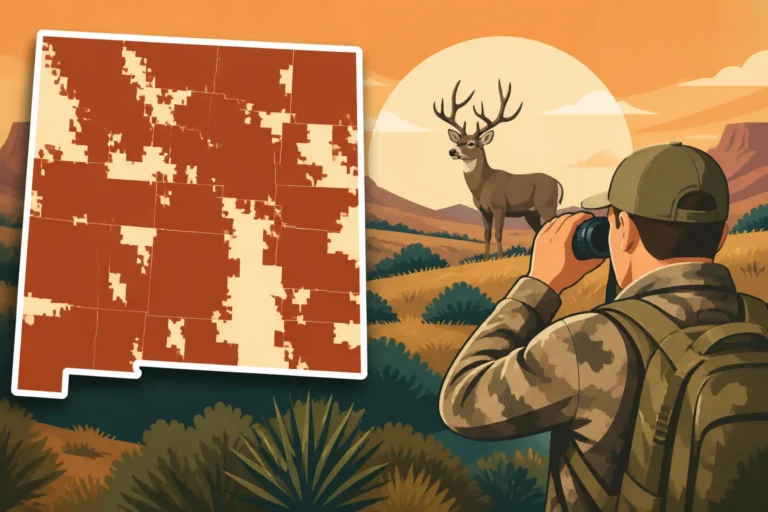
In today's hunting world, digital mapping tools are indispensable, and they are particularly useful when trying to understand and navigate WMAs. Services like onX Hunt and GoHunt provide detailed overlays that clearly delineate WMA boundaries, public/private land ownership, and often even specific access points or restrictions. This is a game-changer for scouting and planning. Instead of guessing where one property ends and another begins, you can see it right there on your phone or tablet.
Before you ever set foot on a WMA, pull it up on your preferred mapping app. Zoom in, look for designated parking areas, potential water sources, and any obvious terrain features that might concentrate game. Pay close attention to the colors and symbols indicating land ownership. Sometimes a WMA might be surrounded by private land, requiring specific corridors or easements for legal access. E-Scouting a New Mexico Unit Before the Season can give you an edge in this digital prep work. These apps will also show you whether you’re on federal land, state trust land, or a WMA, each with its own specific rules you'll need to know.
General WMA Guidelines and Best Practices
When hunting in a WMA, assume that pressure might be higher than in other, more remote public lands. This isn't always the case, but it's a safe assumption to guide your strategy. Plan to get in earlier and stay later, and be prepared to walk further than you might expect. Respecting other hunters is paramount; give them space, avoid sky-lining yourself on popular ridges, and always know your backdrop. Water Sources and Ethics in Desert Hunting are especially important in arid WMAs, as these vital spots often concentrate wildlife and other hunters.
- Leave No Trace: Pack out everything you pack in, and then some. WMAs are managed lands, and keeping them pristine is everyone's responsibility.
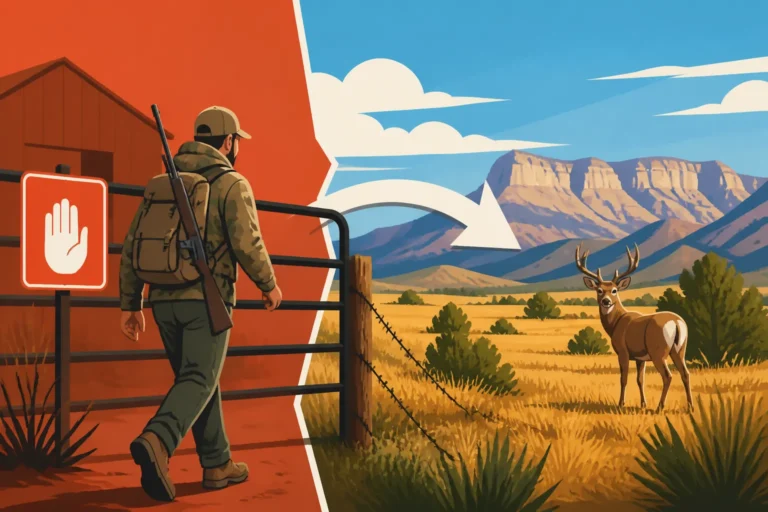
- Respect Boundaries: Pay close attention to WMA boundaries, especially where they meet private property. Trespassing is a serious offense. Crossing Private Ground to Reach New Mexico Public Land highlights the importance of permission.
- Vehicle Restrictions: Most WMAs have strict rules regarding motorized vehicles. Expect to hike, and always adhere to posted signs. Violating these rules is a quick way to get a ticket. Motorized Travel Rules on New Mexico Public Land covers the broader implications.
- Fire Restrictions: Just like other public lands, WMAs are subject to fire restrictions, especially during dry seasons. Always check current conditions.
- Camping: Camping rules vary widely. Some WMAs allow primitive camping in designated spots, while others prohibit it entirely. Verify before you go. Camping Limits on State Wildlife Areas would be essential to check.
| Aspect | National Forest / BLM Land | State Wildlife Management Area (WMA) |
|---|---|---|
| Primary Management | US Forest Service / Bureau of Land Management | New Mexico Department of Game and Fish (NMDGF) |
| Purpose | Multiple-use (timber, grazing, recreation, wildlife) | Primarily wildlife conservation & habitat enhancement |
| Access | Generally open, some seasonal road closures | Often more restricted; designated entry, foot traffic common |
| Permits Beyond Tag | Generally not required (unless specific recreation) | Specific WMA permits or draw-only access may be required |
| Vehicle Use | Restricted to designated roads/trails; some OHV areas | Very strict; often foot-traffic only beyond parking areas |
| Scouting | Generally open year-round | May have specific open/closed dates, restricted access |
| Regulations | Federal regulations, NMDGF general rules | NMDGF general rules + WMA-specific regulations |
Hunting Opportunities and Considerations in WMAs
New Mexico's WMAs are managed to benefit a diverse array of wildlife, meaning you can often find opportunities for various game species within their boundaries. While elk and deer might be the star attractions for many, these areas also provide excellent hunting for small game and various bird species. Knowing what to expect in terms of game and how the WMA environment influences hunting strategies can greatly increase your success.
Common Game Species Found in WMAs
WMAs are incredibly varied in terms of habitat, ranging from high-country timber to low-desert scrub and everything in between. This diversity means a wide range of game animals call these places home. You might find elk and mule deer in mountain WMAs, while desert WMAs could hold mule deer, pronghorn, or even javelina in the southern reaches. Many WMAs are also fantastic for Quail, Dove and New Mexico's Small Game, offering opportunities for species like scaled quail, Gambel's quail, and mourning doves. It's not just about big game, and focusing on smaller species can often provide a less pressured and equally rewarding experience.
Specific WMAs might be managed for particular species. For instance, a WMA with significant wetland habitat will likely offer waterfowl hunting opportunities, requiring specific federal and state stamps in addition to your license. Others might focus on forest health, benefiting deer and elk populations. Always check the individual WMA's management plan or details on the NMDGF website to understand which species are prevalent and what specific hunting seasons are offered. This targeted approach ensures that the habitat is optimized for the game you're pursuing.
Strategy for Success in WMA Environments
Hunting a WMA often requires a slightly different approach than hunting vast, undifferentiated public land. Because WMAs are typically smaller and more intensely managed, they can concentrate game. However, this also means they can concentrate hunters, especially during popular seasons. Your strategy needs to account for this. Think about getting away from the easy-access points. Most hunters will stick close to roads or trailheads. If you’re willing to hike a few miles into the interior, you’ll often find less pressured animals.
Scouting is even more critical in WMAs. Use your onX Hunt or GoHunt app to identify potential bedding areas, feeding zones, and travel corridors, particularly those that are furthest from common entry points. Look for subtle terrain features like draws, benches, or dense thickets that might offer cover and escape routes for game. Because vehicle access is often limited, physical fitness plays a huge role. Being able to cover ground silently and efficiently will give you a distinct advantage. Early season hunts, especially, can require significant Heat Management on an Early Season Hunt if you're humping it in the low country.
The Impact of High Hunter Pressure
It's a reality: some WMAs, especially those close to population centers or known for good hunting, will experience significant hunter pressure. This isn't necessarily a bad thing, but it means you need to be smart about your approach. Instead of trying to out-hunt everyone, try to out-think them. Pressure often pushes animals into thicker cover, onto steeper slopes, or into nocturnal patterns. This means you might need to adjust your hunting times, focusing on first and last light, or still-hunting through dense areas others avoid.
Consider hunting during weekdays if your schedule allows, as weekends will almost always be busier. If you draw a limited-entry tag for a WMA, understand that you are one of the fortunate few, but don't expect the animals to be unpressured simply because it's a draw hunt. Other hunters may have been scouting, and animals are smart. Look for areas that are difficult to access, perhaps requiring a longer hike or navigating some challenging terrain. These often become refuges for game during periods of high pressure. Finding Low Pressure Ground on Opening Weekend in a WMA might mean venturing off the beaten path entirely.
Planning Your WMA Hunting Adventure
A successful hunt in a State Wildlife Management Area, just like any other hunting endeavor, boils down to meticulous planning and preparation. These areas offer incredible opportunities, but they demand a thoughtful approach to respect both the wildlife and fellow hunters. Don't leave your trip to chance; a little foresight can turn a frustrating experience into a memorable one.
Essential Gear and Preparation
Because WMAs often entail walking considerable distances, your gear selection needs to prioritize mobility and utility. A comfortable, well-fitting pack capable of carrying water, snacks, emergency supplies, and potentially harvested game is paramount. Good quality boots are non-negotiable, especially if you're navigating rough or steep terrain. Don't forget essentials like a first-aid kit, navigation tools (like your onX Hunt app and a physical map/compass as a backup), and appropriate layers for New Mexico's unpredictable weather.
For scouting trips, a good pair of binoculars is key for spotting game and understanding the lay of the land without disturbing it. If you're planning a multi-day trip where camping is allowed, ensure your camping gear is lightweight and efficient. Given the emphasis on habitat in WMAs, Water You Must Carry on a Desert Day Hunt is a crucial consideration, as reliable natural water sources might be scarce or seasonal. Always pack enough water for yourself and consider how you’ll handle any game meat in the field, particularly during warmer seasons.
Staying Updated on Regulations and Changes
The most important aspect of WMA hunting is staying current with the regulations. Wildlife management is dynamic, and rules can change year to year, or even mid-season, depending on conditions like drought, wildfires, or disease outbreaks. Never rely on last year's regulations booklet. Always download or obtain the most recent New Mexico Hunting Rules and Info Booklet and review any specific supplements or online advisories related to the WMA you intend to hunt. The NMDGF website is your best friend here.
Additionally, be aware of any local rules that might affect your hunt. This could include fire restrictions issued by local counties, or special road closures due to weather. Some WMAs might participate in programs like the "Open Gate" program, which provides additional access points or specific rules for certain times of the year. Always verify these details. Where the Current New Mexico Regulations Are Posted is the first place you should look for official information.
Contributing to WMA Conservation
Hunting in WMAs isn't just about personal pursuit; it's about being part of a larger conservation effort. The very existence of these lands is often funded by hunting and fishing license fees, as well as federal excise taxes on hunting equipment through the Pittman-Robertson Act. As hunters, we have a responsibility to be good stewards of these resources. This means more than just following the rules; it means actively contributing to their health.
If you notice illegal dumping, habitat degradation, or suspicious activity, report it to the NMDGF. Participate in volunteer days if they are offered, or simply take the initiative to pick up any litter you find. By treating WMAs with respect and actively participating in their conservation, we ensure that these invaluable public hunting grounds remain viable for future generations. Remember, our access to these lands is a privilege, and preserving that privilege is up to all of us.
Disclaimer
This article is for general informational purposes only and does not constitute professional advice. Laws, prices and regulations vary by location and change over time. Consult a qualified professional for guidance on your specific situation.