Jicarilla Apache Hunting Permits
Many hunters dream of a truly unique Western experience, only to find the state draw odds stacked against them year after year. The thought of hunting a prime area, managed specifically for trophy animals, often feels like an impossible dream. But for those looking beyond the traditional New Mexico state draw, the Jicarilla Apache Nation offers an unparalleled opportunity, operating on its own distinct system. This guide will walk you through everything you need to know about securing and making the most of a Jicarilla Apache hunting permit, clarifying the process and what to expect on this remarkable land.
Understanding Jicarilla Apache Land and Hunting Opportunities
The Jicarilla Apache Nation, located in north-central New Mexico, manages its lands and wildlife with a focus on quality and sustainable hunting experiences. This isn't just another patch of public land; it's a meticulously managed ecosystem where wildlife thrives, often producing some of the largest animals in the state.
The Unique Landscape and Its Appeal
Imagine vast stretches of pristine ponderosa pine forests, dotted with aspen groves that blaze gold in the autumn. Interspersed are open parks, deep canyons, and high mesa country, all contributing to a diverse habitat. This varied terrain isn't just beautiful; it's a mosaic that provides everything big game animals need to grow old and large. The elevation changes, the presence of permanent water sources, and the consistent forage base all combine to create a haven for wildlife. Many hunters describe the Jicarilla as a place where the landscape itself feels ancient and untouched, offering a profound sense of wilderness that can be hard to find elsewhere. It’s this combination of natural beauty and careful management that makes Jicarilla Apache land so attractive.
Unlike many public lands that see heavy pressure, the Jicarilla Nation carefully limits the number of hunters, preserving the quality of the experience and ensuring that the wildlife populations remain healthy and robust. This commitment to quality over quantity is a cornerstone of their hunting program and a huge draw for serious hunters seeking a truly special adventure.
Primary Game Species Available
While the Jicarilla Apache Nation offers hunting for several species, it is most renowned for its trophy elk and mule deer. The elk population, in particular, has a reputation for producing bulls that consistently rank among the largest taken in New Mexico. During the rut, the sound of bugling bulls echoes through the canyons, making for an unforgettable experience.
Mule deer hunting also offers exceptional opportunities for mature bucks, especially in the more rugged, remote areas of the reservation. Beyond these two giants, hunters can also pursue black bear and mountain lion, which thrive in the extensive forested and mountainous regions. For those interested in smaller game, turkey hunting can be quite good, particularly in the spring. Each species is managed with precision, with season dates and tag allocations designed to maintain herd health and trophy potential. The sheer density of game and the consistent presence of mature animals set Jicarilla hunts apart from many other destinations.
Why Jicarilla Hunts Differ from State Hunts
One of the most crucial aspects to understand is that hunting on Jicarilla Apache land operates under a completely separate system from the New Mexico Department of Game and Fish (NMDGF). This means that a Jicarilla Apache hunting permit is distinct from any state license or tag, and it adheres to its own rules, seasons, and draw processes. For example, the Jicarilla system allows hunters to bypass the often-frustrating New Mexico state draw, offering a direct path to coveted tags. This is a significant advantage, especially for non-residents or those seeking guaranteed access to prime hunting grounds. Why Tribal Tags Bypass the New Mexico Draw is a critical piece of information for anyone considering this route.
The tribal wildlife department manages its own biologists, game wardens, and regulations, ensuring that all revenue generated from hunting permits directly benefits the tribe's conservation efforts and community programs. This self-governance model allows for highly tailored management strategies that prioritize the health of the local ecosystem and the quality of the hunting experience. Consequently, the Jicarilla Apache Nation maintains some of the highest standards for wildlife management in the region, leading to impressive trophy potential year after year.
Navigating the Jicarilla Apache Hunting Permit System
Getting a permit for Jicarilla Apache land is a different process than applying through a state draw, but it’s often more straightforward and offers a higher likelihood of securing a quality tag.
How to Acquire a Permit
Acquiring a Jicarilla Apache hunting permit typically involves contacting the Jicarilla Game and Fish Department directly or working through an authorized outfitter. The tribe doesn't operate a traditional "draw" in the same way the state does, where you apply and hope to be selected through a lottery. Instead, permits are generally sold on a first-come, first-served basis, or allocated through a booking process with specific outfitters who have established relationships with the tribe. It’s essential to be proactive and reach out well in advance of the desired hunting season, as these coveted permits sell out quickly.
The process usually begins with an inquiry to the tribal Game and Fish Department, where you can learn about available permits, season dates, and any specific requirements. They will provide application forms and details on payment. Often, an initial deposit is required to secure your spot. It's a much more direct transaction, which many hunters appreciate after years of playing the odds in state draws. Understanding How Tribal Hunts Are Booked in New Mexico is key to navigating this process successfully.
Permit Types and Pricing Structure
The Jicarilla Apache Nation offers various permit types, primarily categorized by species (elk, mule deer, bear, lion) and sometimes by weapon type or season. For example, there might be archery elk permits, rifle elk permits, or specific permits for trophy-class animals. The cost of these permits reflects the exclusivity of the hunt and the exceptional quality of the animals available. While specific prices fluctuate and should always be confirmed directly with the Jicarilla Game and Fish Department, expect them to be significantly higher than state tags. This higher investment grants access to a meticulously managed, low-pressure hunting environment with a strong potential for trophy animals.
It's important to budget not just for the permit itself, but also for any associated costs like guide fees (if applicable), lodging, and travel. These permits are an investment in a premier hunting experience, and the pricing structure supports the tribe's intensive wildlife management and conservation efforts. When considering a hunt like this, comparing it to What a Guided New Mexico Elk Hunt Costs from a private outfitter can give you a good sense of the market value for such a high-quality experience.
The Role of Guides and Outfitters on Jicarilla Land
For many Jicarilla Apache hunts, particularly for trophy elk and mule deer, hiring a tribal-approved guide or outfitter is either highly recommended or, in some cases, mandatory. These guides are intimately familiar with the land, the game movements, and the specific regulations. They often have years of experience hunting the Jicarilla, providing an invaluable advantage. Working with a guide ensures that you are hunting within the tribal guidelines, maximizing your chances of success, and, most importantly, respecting the land and its resources.
Reputable outfitters, like those often advertised through services like GoHunt, will handle many of the logistical challenges, from camp setup to field dressing and packing out your animal. They serve as your connection to the tribal land and culture, enhancing the overall experience. While adding to the total cost, a good guide can be the difference between a challenging hunt and a truly successful and memorable one. Guiding on New Mexico Tribal Land Is a Separate System highlights the importance of understanding the tribal guiding framework. For those interested in the top-tier experiences, specific Jicarilla Apache Trophy Hunts are almost always conducted with an experienced outfitter.
Planning Your Jicarilla Apache Hunt
Once you've secured your permit, the real planning begins. A successful hunt on Jicarilla Apache land requires careful preparation, both in terms of logistics and respecting the unique environment.
Essential Rules and Regulations
The Jicarilla Apache Nation has its own set of hunting regulations, which are designed to ensure safety, ethical hunting practices, and the long-term health of their wildlife populations. These rules can differ significantly from New Mexico state regulations, so it's absolutely crucial to obtain and thoroughly review the current tribal hunting regulations booklet. This will cover everything from legal shooting hours and weapon restrictions to specific tagging requirements and carcass transport rules. For example, while Are Crossbows Legal for Big Game? is a question often asked in state hunts, tribal rules might have their own stipulations.
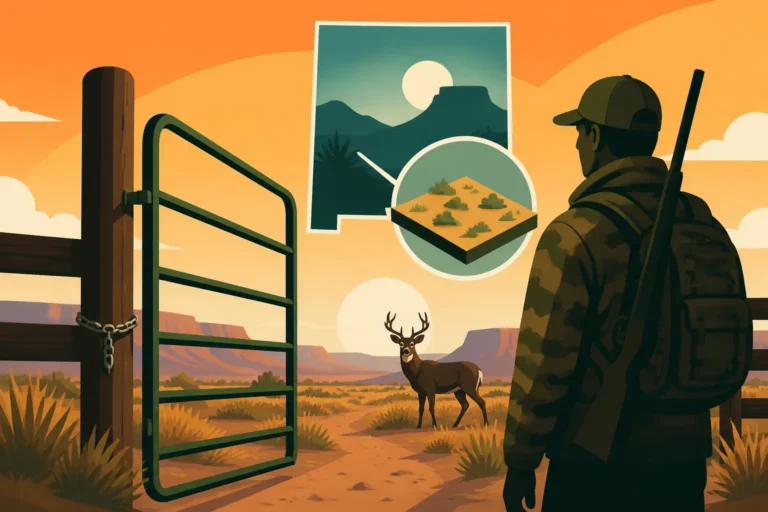
Generally, you can expect strict adherence to fair chase principles. Respect for private tribal lands and boundaries is paramount; mapping tools like onX Hunt can be invaluable here for distinguishing between tribal, private, and adjacent public lands. It's also important to clarify whether Do New Mexico Tribal Hunts Require a State License? – usually not for the actual hunt, but some tribal lands might require specific state validations for general hunting privilege or conservation. Always confirm this directly with the Jicarilla Game and Fish Department. Compliance with tribal rules is not just a legal requirement but a demonstration of respect for the Jicarilla people and their land.
Preparing for a Successful Hunt
Hunting on Jicarilla Apache land, especially for elk or large mule deer, can be physically demanding. The terrain is often steep, rugged, and at high elevations. Physical conditioning long before your hunt dates is crucial. Focus on cardiovascular endurance, leg strength, and carrying a pack. Practicing with your chosen weapon—whether it's archery gear or a rifle—at various distances and from different shooting positions is also essential. A hunting consultant like GoHunt can provide useful insights into unit characteristics and expected conditions.
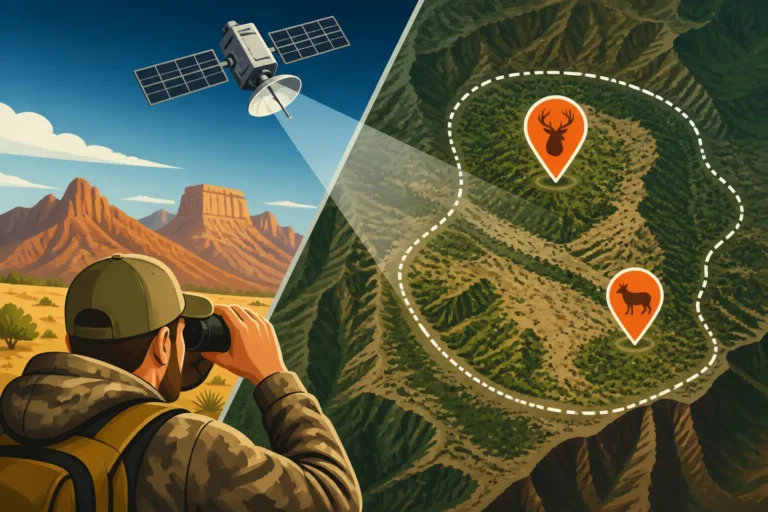
E-scouting with tools like onX Hunt is an invaluable first step. You can analyze topography, identify potential bedding areas, water sources, and travel corridors, even though you won't be able to physically scout beforehand without permission. E-Scouting a New Mexico Unit Before the Season is a great way to familiarize yourself with the landscape. However, be aware that conditions on the ground can always differ, which is where a knowledgeable guide truly shines. Beyond physical preparation, ensure you have the appropriate gear for the varying weather conditions that can occur in New Mexico's high country, from warm, sunny days to sudden cold snaps and even snow. Reading a Land Ownership Layer Correctly on your mapping app will be critical to staying within designated hunting areas and respecting boundaries.
Respecting the Land and Tribal Culture
Hunting on Jicarilla Apache land is more than just a hunt; it's an opportunity to experience and respect a rich cultural heritage. The Jicarilla Apache people have a deep spiritual connection to their land and its wildlife. As a visitor, it's incumbent upon you to respect this connection. This means leaving no trace, adhering strictly to all tribal regulations, and treating the land, the animals, and the tribal members with the utmost respect.
Engage with your guide, if you have one, to learn about the history and culture of the Jicarilla people. Understand that your presence is a privilege, not a right. This ethos extends to conservation practices as well; responsible hunting helps ensure these opportunities exist for future generations. By embracing the cultural aspect of your hunt, you'll not only have a more successful trip but also a far more meaningful and enriching experience overall.
Jicarilla Apache vs. NMDGF General Hunting Considerations
Here's a quick comparison of some key considerations when evaluating Jicarilla Apache hunts against general New Mexico Department of Game and Fish opportunities:
| Feature | Jicarilla Apache Hunting | NMDGF General Hunting (Draw) |
|---|---|---|
| Permit Acquisition | Direct purchase/booking, often through tribal agency or outfitter. No state draw. | Lottery draw system based on applications and random selection. |
| Tag Cost | Generally significantly higher, reflecting exclusivity and trophy potential. | Variable, but typically lower for general public land tags. |
| Guide Requirement | Often mandatory or highly recommended for prime hunts. | Not generally required for public land hunts, but optional. |
| Draw Odds/Success | Higher likelihood of securing a tag, focused on quality. | Often low draw odds, especially for prime units and species. |
| Hunting Pressure | Strictly limited hunter numbers, low pressure. | Can range from low to very high, depending on unit and season. |
| Regulations | Separate tribal regulations; must consult Jicarilla Game & Fish. | State regulations (NMDGF Rules & Information Booklet). |
| Land Access | Private tribal lands, specific access points. | State Trust Land, BLM, National Forest, etc., with varying access rules. |
| Trophy Potential | Managed for trophy animals; high potential. | Variable; depends heavily on unit, management, and hunter pressure. |
Disclaimer
This article is for general informational purposes only and does not constitute professional advice. Laws, prices and regulations vary by location and change over time. Consult a qualified professional for guidance on your specific situation.