Hunting the Rio Grande Corridor
When people picture hunting in New Mexico, their minds often drift to the vast, rugged wilderness of the Gila National Forest, or perhaps the sweeping grasslands of the eastern plains where pronghorn roam. It’s easy to overlook the ribbons of green that cut through the state – the Rio Grande Corridor. But dismissing this unique ecosystem means missing out on some incredible, albeit challenging, hunting opportunities. This guide is all about shining a light on how to approach and succeed in hunting the Rio Grande's vibrant, yet often overlooked, wildlife habitat.
The Unique Landscape of the Rio Grande Corridor for Hunters
The Rio Grande isn't just a river; it's a lifeline that carves a distinct and complex environment through New Mexico. For hunters, this translates into a landscape unlike any other in the state, demanding specific strategies and a keen understanding of its nuances.
More Than Just River Bottom: The Diverse Habitats
While the river itself is central, the "corridor" encompasses far more than just the water. You're looking at a dynamic mix of habitats. Right along the banks, you'll find lush riparian zones, often dominated by cottonwood trees, willows, and thick underbrush, commonly known as the bosque. This dense vegetation provides incredible cover and forage. But step just a little away from the immediate river, and you'll encounter a mosaic of agricultural fields – alfalfa, corn, various crops – that are magnets for game animals, especially waterfowl and deer. Beyond these cultivated areas, the land quickly transitions into arid mesas, rolling hills, and even juniper and piñon woodlands, depending on the specific stretch of river.
This diversity is precisely what makes the Rio Grande Corridor so special. It creates an almost continuous, albeit narrow, superhighway for wildlife, connecting different ecosystems. Deer will bed in the thick bosque during the day, then venture into agricultural fields to feed at night. Waterfowl will use the river and associated ponds for resting and staging, flying out to nearby fields to graze. The juxtaposition of water, dense cover, and abundant food sources means that even in an otherwise dry landscape, game animals have everything they need to thrive. Understanding this gradient, from the wet riverbank to the dry uplands, is the first step in effective hunting here.
The Urban-Wildland Interface and Its Challenges
One of the most defining, and often frustrating, characteristics of hunting the Rio Grande Corridor is its proximity to human development. The river flows directly through, or very near, major population centers like Albuquerque, Santa Fe, and Las Cruces, not to mention countless smaller towns and communities. This creates what we call the urban-wildland interface, and it presents a unique set of challenges for hunters.
Imagine you’ve finally spotted a nice mule deer buck moving through a dense patch of cottonwoods. Just as you’re making your move, a dog walker with three unleashed dogs strolls by, or a mountain biker speeds down a trail, sending the deer scattering. This isn't an uncommon scenario here. You’re sharing the landscape with hikers, birdwatchers, families picnicking, and ATV riders. Game animals in these areas are incredibly sensitive to human presence, often becoming nocturnal or moving into the densest, most inaccessible cover during daylight hours. Hunters must exercise extreme caution, not only for safety – always knowing your backdrop and bullet trajectory is paramount – but also out of respect for other users of the land. It means hunting often involves working around people, not just around animals. It also means you need to be acutely aware of property lines and no-discharge zones, which can be literally right next to productive hunting areas.
Species You Can Pursue Along the River
While you won't typically find large elk herds or bighorn sheep within the immediate Rio Grande Corridor, the area offers a fantastic array of other species that thrive in its unique environment.
Waterfowl and Upland Birds: A Corridor of Flight
The Rio Grande is an absolute magnet for migratory birds, acting as a crucial flyway through the high desert. This makes it a prime destination for waterfowl hunters. You'll find a variety of ducks, including mallards, pintails, teal, and widgeon, often rafting up in quieter stretches of the river or in associated oxbow lakes and wetlands. Geese, particularly Canada geese, are also common, using nearby agricultural fields for feeding and the river for roosting. New Mexico Waterfowl Season Dates are something every serious waterfowler should study.
Perhaps most iconic to the New Mexico waterfowl scene are the sandhill cranes. These majestic birds use the corridor extensively, especially during the fall and winter migrations. Hunting sandhill cranes requires a special permit, but it's an unforgettable experience. Beyond waterfowl, the adjacent uplands and agricultural fringes provide excellent opportunities for upland birds. You can often find coveys of Gambel's quail darting through mesquite and tamarisk thickets, or scaled quail (often called "blue quail") on the edges of the river bottom where it transitions to more open, grassy areas. Mourning dove and white-winged dove also utilize the corridor and surrounding fields, offering fast-paced action during their seasons. Remember, success often hinges on scouting active feeding areas and understanding flight patterns, which can shift daily based on weather and pressure. For more on these smaller, fast-moving targets, check out Quail, Dove and New Mexico's Small Game.
Deer and Small Game in the Bosque
When it comes to big game, mule deer are the primary draw along the Rio Grande. While they might not reach the massive sizes seen in some mountain units, the dense cover of the bosque offers a fantastic hiding place for mature bucks. These deer become incredibly elusive and adept at using the thick vegetation to their advantage. Hunting them often involves slow, deliberate still-hunting through the dense cottonwoods, or carefully observing the edges of agricultural fields at dawn and dusk. Due to the constant human presence, many of these deer become primarily nocturnal, making daytime hunting a real test of patience and skill. However, for those who put in the effort, harvesting a Rio Grande bosque buck can be an incredibly rewarding experience. These deer are often pressured, smart, and a true challenge. If you're hunting further south, especially near Las Cruces and the bootheel, you might even encounter Coues deer on the desert fringes that occasionally venture closer to the river. For a broader perspective on mule deer across the state, consider Mule Deer Across New Mexico's High Country and Desert.
Small game is also abundant. Cottontail rabbits thrive in the brushy cover of the bosque and adjacent fields, offering year-round opportunities for new hunters or those looking to sharpen their skills. Jackrabbits are more common in the open, drier uplands but will sometimes venture into the fringes of the river bottom. Squirrels, especially Abert's squirrels, can be found in the cottonwood galleries, providing another fun challenge. Hunting small game here can also be an excellent way to scout the area for deer sign without disturbing larger animals too much.
Navigating Access and Regulations in the Rio Grande Corridor
Hunting the Rio Grande Corridor isn't just about finding game; it's equally about understanding the intricate web of land ownership and local regulations. This can be one of the most confusing aspects for new and even seasoned hunters.
Public vs. Private Land: A Patchwork Puzzle
The land along the Rio Grande is a true patchwork. You'll find state lands managed by the New Mexico State Land Office, parcels of Bureau of Land Management (BLM) ground, municipal open space, privately owned agricultural fields and ranches, and even tribal lands. Unlike vast national forests, where large contiguous blocks of public land are common, the Rio Grande Corridor often features public access points interspersed with private holdings. This means you need to be hyper-vigilant about where you are and whose land you're on.
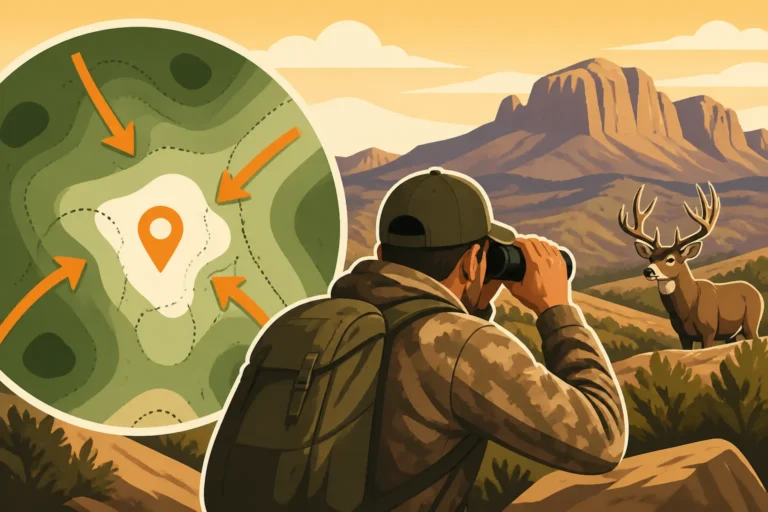
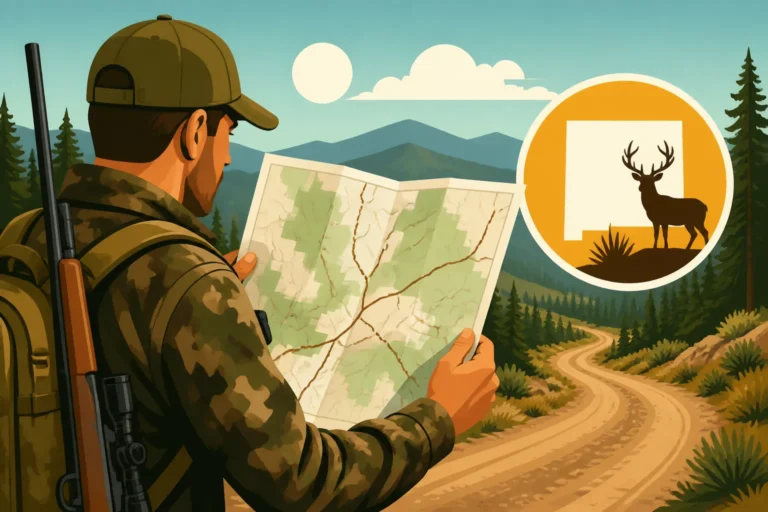
This is where modern mapping applications become an indispensable tool. Brands like onX Hunt are practically a requirement for anyone serious about hunting this area. Their land ownership layers clearly delineate public and private boundaries, often even showing landowner names. This allows you to plan your hunt effectively, identify legal access points, and avoid accidental trespass. Imagine you're scouting a promising stretch of river only to realize, thanks to your mapping app, that a key section is private and requires permission. Or perhaps you've been granted permission to hunt a private field, and onX Hunt can show you exactly where that property ends and public land begins. Without these tools, navigating the complex boundaries can be a nightmare. In New Mexico, even crossing a corner where public lands meet can be tricky; understanding Crossing Private Ground to Reach Public Land is vital. It’s always best practice to seek Getting Written Permission in New Mexico if there’s any doubt about a private parcel you want to access or cross. Utilizing tools like Using onX Layers for New Mexico Public Land can prevent a lot of headaches and keep you on the right side of the law.
Special Rules and Considerations
Beyond the general state hunting regulations, the Rio Grande Corridor often comes with its own set of localized rules and considerations due to its proximity to developed areas.
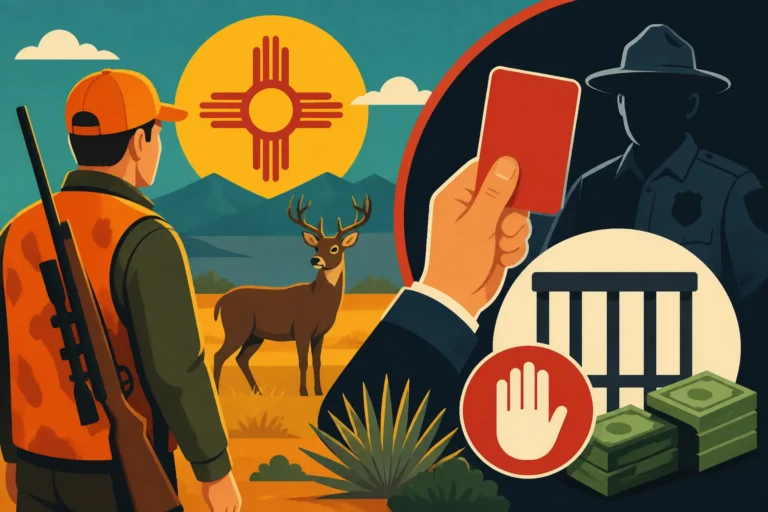
Firstly, "no discharge" zones are common. These are areas, often near residences, schools, or public parks, where discharging a firearm is strictly prohibited. These zones can sometimes be subtly marked or not marked at all, making it crucial to consult local ordinances and maps before you head out. What might be legal 10 miles into the wilderness could land you in serious trouble if you're too close to a populated area along the river. Always verify local regulations in addition to the statewide rules outlined in the New Mexico Game and Fish rulebook.
Secondly, specific rules about Baiting and Trail Camera Rules in New Mexico become particularly relevant near agricultural fields. While baiting for certain species like deer is generally illegal in New Mexico, understanding the nuances around naturally occurring food sources, like dropped corn in a harvested field, is important. Trail camera use is permitted on public land, but given the high human traffic, exercising good judgment and securing cameras well is advised to prevent theft or tampering.
Finally, you should be aware of Legal Shooting Hours and Blaze Orange in New Mexico. While shooting hours are statewide, the combination of low light conditions in dense bosque and the presence of other recreational users means that exercising extra caution and visibility (even when not legally required for your specific hunt) is always a good idea. Some units along the corridor might also be subject to special population management or depredation hunts, which are often limited in scope or open only for specific periods to address localized wildlife issues, particularly with deer or waterfowl impacting crops. Staying informed on these specific, often last-minute, opportunities can be key, and resources like GoHunt often track these kinds of unique tags and offerings. You can check out How New Mexico Numbers Its Game Management Units to understand how different sections of the corridor might fall under various unit regulations.
Strategies for Success Along the River
Hunting the Rio Grande Corridor requires a specific mindset and approach. It's not a place for sky-busting or long-range shots; it's about intimate knowledge of the land, stealth, and adapting to conditions that are constantly influenced by both wildlife and human activity.
Stealth, Patience, and Adaptability
The animals that live along the Rio Grande are highly educated. They hear cars, human voices, dogs barking, and bicycles whirring on a daily basis. This makes them incredibly wary and difficult to approach. Therefore, stealth is paramount. This isn't the kind of hunting where you can march through the woods; it demands a slow, methodical approach. Still-hunting, moving just a few steps at a time and then pausing for long periods to listen and observe, is often the most effective tactic for deer in the dense bosque. Utilizing the natural sounds of the river – the rustle of leaves in the wind, the distant murmur of traffic – can help mask your own movements.
Patience goes hand-in-hand with stealth. You might sit for hours without seeing anything, only for a wary buck to ghost through a clearing for a matter of seconds. Being ready, quiet, and persistent is key. Adaptability is also crucial. If your planned route is unexpectedly blocked by hikers, or if the wind shifts abruptly, you need to be able to change your strategy on the fly. This might mean altering your approach, finding a new vantage point, or even deciding to target a different area. The ability to "read the room" – assessing not just animal sign but also human activity – will dictate your success. It's not always about where the animals are, but where they feel safe at that particular moment.
Gear and Preparedness for the Bosque
The gear you choose for hunting the Rio Grande Corridor should reflect the unique challenges of the environment. Quiet clothing is absolutely essential. Noisy fabrics will betray your presence in the dense, close quarters of the bosque. Comfortable, waterproof boots are also a must, as you’ll likely encounter damp ground, mud, and possibly even shallow water near the river.
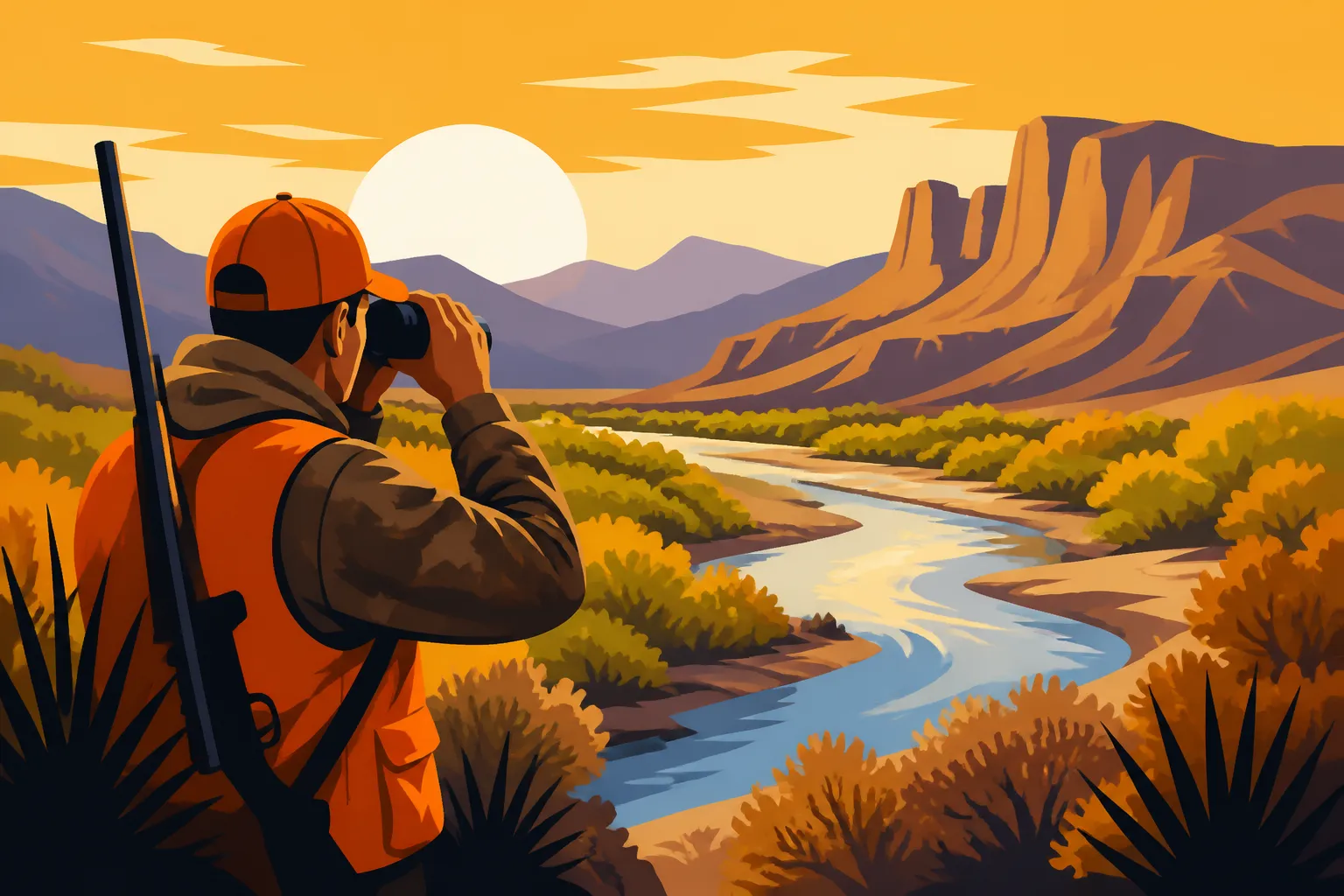
Optics play a different role here than in open country. Instead of high-power spotting scopes for glassing vast distances, you'll benefit more from high-quality binoculars (8x or 10x are usually ideal) that offer a wide field of view and excellent low-light performance. These are crucial for picking out a flicker of an ear or the horizontal line of a deer’s back in thick cover, often in the dim light of dawn or dusk. You need to be able to identify your target quickly and clearly, often at close range.
Beyond hunting-specific gear, remember to carry a good first-aid kit, plenty of water, and communicate your plans with someone. Even though you're near civilization, accidents can happen, and cell service isn't always reliable in dense river bottoms or certain canyons leading to the river. Being prepared for varying temperatures is also important; mornings can be chilly and damp, while afternoons can quickly warm up. A good layering system will serve you well. Finally, leveraging online resources and tools like GoHunt, which provides detailed unit data, draw odds, and filtering options, can help you pick the right unit and season, even for the less-talked-about corridor hunts. While the Gila might get all the fame, the Rio Grande offers a challenging, rewarding, and often accessible hunting experience that is uniquely New Mexican.
Disclaimer
This article is for general informational purposes only and does not constitute professional advice. Laws, prices and regulations vary by location and change over time. Consult a qualified professional for guidance on your specific situation.