Santa Fe National Forest Ground in New Mexico
For many hunters, the vastness of New Mexico's public lands can feel overwhelming, especially when trying to pinpoint specific areas with good access and promising game populations. If you're looking at hunting opportunities in the high country of northern New Mexico, the Santa Fe National Forest is undoubtedly on your radar, and for good reason. This guide is going to walk you through everything you need to know about hunting this incredible forest, from its diverse landscapes to the game you'll find there, and how to plan a successful trip.
Understanding the Santa Fe National Forest Landscape
The Santa Fe National Forest is a magnificent expanse, covering well over a million acres of northern New Mexico. It's a place where the mountains truly meet the sky, offering a stunning backdrop of pine-covered slopes, aspen groves, and rugged canyons. For hunters, this diverse landscape isn't just pretty scenery; it dictates where game will live, how they move, and what kind of hunting experience you can expect. It's not a monolithic block of trees; it's a dynamic, ever-changing environment that demands respect and understanding from anyone who steps into it with a rifle or a bow.
Geographical Overview and Key Features
Spanning across portions of the Jemez, Sangre de Cristo, and Nacimiento mountain ranges, the Santa Fe National Forest boasts an incredible variety of terrain. From the high peaks of the Pecos Wilderness to the volcanic caldera of the Valles Caldera National Preserve (which is surrounded by and borders the SFNF), you'll find everything from open meadows to dense timber. This is classic mountain hunting country, characterized by steep climbs, hidden drainages, and expansive views that stretch for miles. The forest is dotted with numerous small lakes and perennial streams, crucial water sources that draw wildlife, especially during the drier parts of the season.
The forest's features include vast areas of ponderosa pine, mixed conifer forests at higher elevations, and riparian zones along its many waterways. Much of it is rugged and roadless, particularly within its designated wilderness areas like the Pecos and San Pedro Parks Wildernesses. These areas, while beautiful, present significant challenges for access and game retrieval but also offer unparalleled opportunities for solitude and undisturbed hunting. Understanding the specific topography of your chosen unit within the SFNF is paramount. Tools like onX Hunt can be incredibly useful for dissecting these varied landscapes, allowing you to identify critical features such as saddles, benches, and thick cover that might hold game.
Elevations and Climate Zones
The Santa Fe National Forest covers a dramatic range of elevations, from roughly 6,000 feet in its lower canyons to over 13,000 feet on the highest peaks of the Sangre de Cristo range. This vertical diversity creates distinct climate zones, each supporting different types of vegetation and, consequently, different wildlife habitats. At the lower elevations, you might find pinyon-juniper woodlands and scrub brush, transitioning to ponderosa pine forests around 7,000-9,000 feet. Above that, the forest becomes a mosaic of mixed conifer, aspen, and spruce-fir, eventually giving way to alpine tundra on the highest summits.
This altitudinal variation means that weather can change rapidly and drastically within the forest. An early season archery hunt could see you sweating through 80-degree days in the lower country, while a late-season rifle hunt might involve navigating deep snow and freezing temperatures in the high country. Hunters often need to be prepared for everything from warm sunshine to sleet and snow in a single day, especially during shoulder seasons. This is why Layering for Gila Temperature Swings is a concept that applies equally well here – having versatile clothing is key. Game animals, particularly elk and deer, will move between these elevation bands throughout the year, driven by forage availability, snow depths, and hunting pressure.
Major Rivers and Water Sources
Water is life in New Mexico, and the Santa Fe National Forest is blessed with several significant waterways that serve as critical arteries for wildlife. The Pecos River, Jemez River, and the Rio Grande (which forms a portion of its western boundary) are major draws. Beyond these larger rivers, countless smaller streams, springs, and seeps crisscross the forest, creating pockets of lush vegetation and providing essential drinking water for game. Identifying these perennial water sources on a map is a non-negotiable step in your scouting process.
During dry periods, especially in the early archery seasons, animals will often concentrate near reliable water. Elk will hit wallows, and deer will frequent springs. Even in areas with more precipitation, these water sources provide rich riparian corridors that offer forage, cover, and travel routes. Hunters often find success by focusing their efforts around these areas, always being mindful of ethical hunting practices near sensitive water points. It’s also important to note that access to some of these areas might require significant hiking, as many water sources are deep within wilderness or roadless regions, demanding a more primitive approach to hunting.
Accessing the Santa Fe National Forest for Hunters
Getting into the Santa Fe National Forest isn't always as simple as pulling off a paved road. While there are certainly areas with good vehicle access, much of the forest, particularly the prime hunting grounds, requires a bit more effort. Understanding the various access points, road conditions, and regulations for motorized travel is crucial for both planning your hunt and ensuring you stay on the right side of the law.
Primary Entry Points and Roads
The Santa Fe National Forest is crisscrossed by a network of Forest Service roads, some well-maintained and gravel, others little more than two-track trails that require a high-clearance 4×4. Key entry points include highways like US-84/285 to the north and east, US-84 to the west through the Jemez Mountains, and I-25 providing access to its eastern fringes near Pecos. From these major arteries, a maze of smaller Forest Service roads branches off, leading deeper into the hunting units. Popular areas often have more developed access points, but these also tend to see higher hunting pressure.
For hunters seeking solitude and potentially less pressured game, exploring the lesser-known, rougher roads is often necessary. Always consult current Forest Service travel management maps, which detail which roads are open, which are closed seasonally, and which are permanently off-limits to vehicles. Many hunters use digital mapping tools like GoHunt or onX Hunt to overlay these road networks with land ownership and topographic data, helping them identify suitable access routes and potential parking areas. Remember, your hunting adventure often starts long before you leave the pavement.
Motorized Travel Rules and Restrictions
New Mexico, like most Western states, has clear rules regarding motorized travel on public lands, and the Santa Fe National Forest is no exception. These rules are in place to protect natural resources, minimize disturbance to wildlife, and ensure a quality experience for all forest users. Generally, motorized vehicles, including ATVs and UTVs, are restricted to designated routes. Going off-road for retrieval or to get to a favorite glassing knob is strictly prohibited. Understanding Motorized Travel Rules on New Mexico Public Land is fundamental.
Many roads within the forest are subject to seasonal closures, often due to snow, mud, or to protect wildlife during sensitive times of the year. These closures can significantly impact your hunting plans, particularly for late-season hunts or if you're trying to scout during the spring. Always check with the local Forest Service district office for the most up-to-date information on Seasonal Road Closures Across New Mexico. Disregarding these rules can result in hefty fines and damage to critical habitat. When planning a remote hunt, always factor in the possibility of road closures and have a backup plan for foot access or packing in.
Navigating Wilderness and Roadless Areas
A significant portion of the Santa Fe National Forest is designated wilderness or roadless area, including parts of the Pecos Wilderness, San Pedro Parks Wilderness, and the Dome Wilderness. These areas offer an unparalleled backcountry hunting experience but come with their own set of access challenges and regulations. Motorized vehicles, bicycles, and even wheeled carts are generally prohibited in wilderness areas. This means if you want to hunt deep within these zones, you'll be doing it on foot or with pack animals.
Hunting wilderness areas demands a higher level of physical fitness, navigation skills, and self-sufficiency. Game retrieval can be a monumental task, often requiring multiple trips or the use of llamas or horses. Hunters venturing into these remote regions should be proficient with map and compass, even if relying primarily on GPS, as electronics can fail. Being able to read the terrain and navigate without trails is crucial. These areas often hold older, less pressured animals, making the extra effort worthwhile for those seeking a true wilderness hunt. It’s an experience that truly connects you with the essence of New Mexico's wild country.
Game Species and Hunting Opportunities
The Santa Fe National Forest is a diverse ecosystem, providing habitat for a variety of big game and small game species. While elk often get the most attention, the forest also offers excellent opportunities for mule deer, bear, and mountain lion, alongside a healthy population of upland birds and small game. Understanding where these animals thrive and what kind of hunting seasons are available will help you narrow down your choices and maximize your chances of success.
Elk Hunting in the Santa Fe
Elk are undoubtedly the most sought-after big game animal in the Santa Fe National Forest. The high country, with its mix of dark timber, aspen stands, and open parks, provides ideal elk habitat. Units like 45, 46, and 48, which fall largely within the Santa Fe National Forest, are popular choices for elk hunters. While not typically known for the giant bulls that some of the Gila units produce, the SFNF consistently offers good opportunities for mature animals and a challenging, rewarding hunt. The density of elk can vary year to year and by unit, but generally, the forest holds a healthy population.
Archery season in September is a favorite for many, coinciding with the peak of the When the Elk Rut Peaks in New Mexico. The sound of bugling bulls echoing through the canyons is an unforgettable experience. Muzzleloader and any legal weapon hunts follow later in the fall. Success in elk hunting here often comes down to covering a lot of ground, locating fresh sign, and adapting to the constantly changing mountain conditions. Hunters need to be prepared for steep terrain and long packing distances, especially if they punch a tag deep in the backcountry. Persistence and physical conditioning are paramount for a successful Santa Fe elk hunt.
Mule Deer Populations and Habitat
While elk may be king, the Santa Fe National Forest also holds a respectable population of mule deer. These iconic Western deer are found throughout the forest, from the lower pinyon-juniper zones to the higher elevation mixed conifer forests. Unlike the vast, open country mule deer hunting found in other parts of the state, SFNF mule deer hunting often involves navigating thicker timber and broken terrain, requiring a different approach. Hunters will spend time still-hunting through cover, checking north-facing slopes, and glassing clearings. You can learn more about general mule deer trends in Mule Deer Across New Mexico's High Country and Desert.
Mule deer seasons generally follow the statewide structure, with archery hunts in the early fall, followed by muzzleloader and any legal weapon seasons. Success rates can be challenging, but patient and persistent hunters are often rewarded with a good buck. Look for areas with a mosaic of thick cover for bedding and nearby open areas for foraging, especially south-facing slopes in late fall and winter that receive more sunlight. Rut activity generally peaks in late November and early December, which can coincide with some of the later rifle hunts, though specific unit dates vary.
Bear and Lion Hunting Considerations
The dense forests and rugged terrain of the Santa Fe National Forest provide excellent habitat for black bears and mountain lions, both of which offer exciting hunting opportunities. Black bear hunts are primarily draw hunts, with licenses often available in over-the-counter options for specific units. Seasons typically run in the spring and fall, with fall being most popular as bears are actively feeding to put on weight for winter. Finding good bear sign around oak thickets (where acorns are a primary food source) or berry patches can be productive. Be aware of How New Mexico Bear Harvest Limits Work, as zones can close once a certain number of bears, or female bears, are harvested.
Mountain lion hunting is also available, often on a quota system or with over-the-counter licenses. Lion hunting is incredibly challenging and often involves specialized tactics, such as hunting with hounds, though still-hunting or calling can also be effective for the determined hunter. These elusive predators are widespread but rarely seen. Success typically requires extensive knowledge of lion behavior, their preferred habitats (often rocky, broken country with good cover), and tracking skills. Both bear and lion hunting contribute to healthy ecosystems by helping manage prey populations, and New Mexico regulates these seasons carefully. You can find more general information about these predators in Black Bear and Cougar Across New Mexico.
Small Game and Upland Bird Prospects
Beyond the big game, the Santa Fe National Forest also offers various small game and upland bird opportunities. Turkey hunting for Merriam's turkeys is a popular pursuit, with seasons in the spring and fall. These birds favor the mixed conifer and ponderosa pine forests, often roosting in tall pines along ridges and feeding in open meadows. Listening for gobblers at dawn or finding fresh tracks can lead to exciting encounters.
Additionally, ruffed grouse and blue grouse can be found in the higher elevation spruce-fir forests, particularly in the northern reaches of the forest. Cottontail rabbits and various squirrel species are also abundant throughout different habitat types, providing year-round hunting options for those looking for a different kind of challenge or to put some meat in the pot. These small game seasons are typically less regulated than big game and can be a great way to introduce new hunters to the sport or just enjoy a day afield without the pressure of a big game tag.
Essential Planning and Preparation for Your Hunt
Hunting in the Santa Fe National Forest, or any remote mountain environment, requires meticulous planning and preparation. It's not just about drawing a tag; it's about being ready for the physical demands, the unpredictable weather, and having the right tools and knowledge to navigate the terrain. Don't underestimate the mountains; they demand respect.
Permits, Licenses, and Regulations
Before you even think about packing your bags, you need to ensure you have all the necessary permits and licenses. This includes your New Mexico Game Hunting License, which is required for all hunters. If you're hunting on federal lands (like the Santa Fe National Forest), you'll also need a Habitat Stamp. For specific game animals like elk or deer, you'll need the appropriate draw tag or over-the-counter license for the unit and season you plan to hunt. Always check the current New Mexico Hunting Rules and Information booklet for the most up-to-date regulations.
Understanding your hunt code is vital. Reading a New Mexico Hunt Code Before You Apply will explain the alphanumeric codes that dictate the species, weapon, unit, and dates for your specific hunt. Pay close attention to legal shooting hours, blaze orange requirements (which vary by weapon type and season), and any unit-specific rules. It's also worth noting that anyone born after January 1, 1957, must complete a Hunter Education course to hunt in New Mexico; more details can be found in The New Mexico Hunter Education Requirement. Don't let a technicality ruin your hunt!
E-Scouting and Map Tools
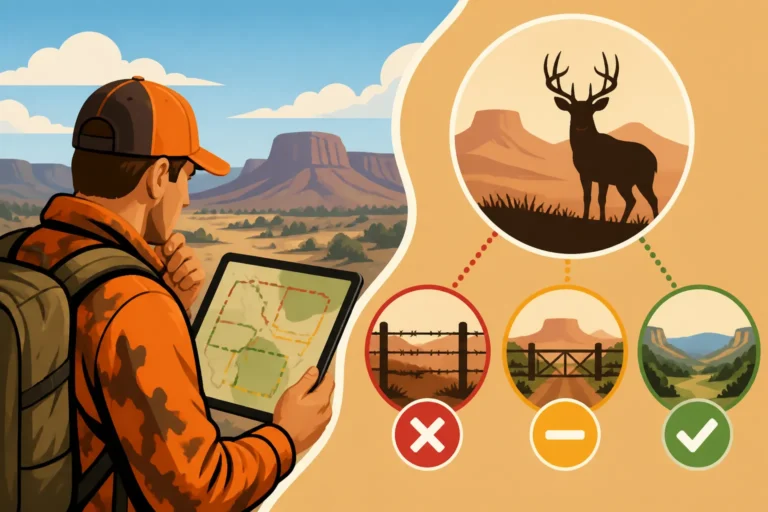
In today's hunting world, e-scouting is an indispensable tool, especially for vast areas like the Santa Fe National Forest. Before you ever set foot in the unit, spend hours pouring over satellite imagery and topographic maps. Services like onX Hunt and GoHunt provide invaluable layers that show land ownership, roads, trails, water sources, and vegetation types. These tools allow you to identify potential bedding areas, feeding zones, travel corridors, and glassing points from the comfort of your home. E-Scouting a New Mexico Unit Before the Season goes into more detail on how to effectively use these resources.
When e-scouting the SFNF, look for north-facing slopes with dark timber for bedding areas, especially during warmer weather. Identify saddles and benches that connect different drainages, as these are natural travel routes for elk and deer. Pin potential water sources, and mark any seasonal gates or road closures you find on Forest Service maps. By developing a detailed plan using these tools, you can significantly reduce the amount of "cold" scouting you need to do once you're on the ground, saving precious hunt time.
Physical Conditioning and Camp Setup
Hunting the Santa Fe National Forest is physically demanding. You'll likely encounter steep climbs, rugged terrain, and varying altitudes. Preparing your body well in advance is crucial. This means a consistent regimen of cardio and strength training, focusing on your legs and core. If you're coming from a lower elevation, arriving a few days early to acclimate can make a significant difference in your performance and enjoyment. Read Preparing Physically for a High Elevation Hunt for more tips on this.
Your camp setup will depend on your hunting style. For vehicle-accessible areas, a comfortable wall tent or RV might be suitable. For backcountry hunts, lightweight backpacking gear, including a durable tent, sleeping bag rated for cold temperatures, and a reliable cooking system, is essential. Always practice Leave No Trace principles, packing out everything you pack in. Be mindful of fire restrictions, which are common during dry periods, and always have an alternative cooking method if open fires are prohibited. Having a comfortable, functional camp can be the difference between a miserable trip and a memorable one.
Respecting the Environment and Other Users
The Santa Fe National Forest is a shared resource, enjoyed by hunters, hikers, campers, anglers, and many others. As hunters, we have a responsibility to be good stewards of the land and considerate of our fellow outdoor enthusiasts. Our actions reflect not just on us, but on the entire hunting community.
Minimizing Impact and Practicing Leave No Trace
The principles of Leave No Trace are not just suggestions; they are fundamental to preserving our wild spaces for future generations. This means packing out all trash, including spent cartridges and food wrappers. Bury human waste properly away from water sources and trails. Stay on designated roads and trails to prevent erosion and habitat damage. When setting up camp, choose durable surfaces and avoid disturbing vegetation.
When you harvest an animal, field dress it away from trails and water sources, dispersing gut piles to allow for natural decomposition. Properly cooling and processing your meat is also part of this responsibility, ensuring nothing goes to waste. Every hunter should strive to leave the forest in better condition than they found it, reinforcing the idea that hunters are conservationists at heart.
Sharing the Forest with Hikers and Other Recreators
The Santa Fe National Forest is a multi-use area. During hunting season, especially early archery or fall rifle hunts, you'll likely encounter hikers, mountain bikers, and other recreators. It's essential to be respectful and practice common courtesy. Yield the right-of-way on trails, keep noise to a minimum, and always be aware of your backdrop when preparing to shoot.
Wearing blaze orange, even when not required, can increase your visibility and safety, particularly during peak hunting seasons. Communication and a friendly demeanor go a long way in fostering positive relationships between different user groups. Remember that public land belongs to everyone, and by demonstrating respect and responsibility, we help ensure continued access for hunting.
Fire Safety and Restrictions
Wildfire is a serious and persistent threat in New Mexico, especially in forested areas like the Santa Fe National Forest. Dry conditions are common, and fire restrictions can be implemented at any time, often with little notice. Always check the current fire danger level and any restrictions in place before heading out. This information is usually available on the Forest Service website or by contacting the local district office.
Restrictions can range from prohibiting campfires to banning smoking outside of developed areas, or even outright closing sections of the forest during extreme danger. Always carry a fire extinguisher or plenty of water in your vehicle, and ensure any campfires (when permitted) are completely extinguished and cold to the touch before leaving. A single spark can devastate thousands of acres of critical wildlife habitat and put lives at risk. Being vigilant about fire safety is not just a rule; it's a moral obligation.
Disclaimer
This article is for general informational purposes only and does not constitute professional advice. Laws, prices and regulations vary by location and change over time. Consult a qualified professional for guidance on your specific situation.