The Easement Between the Land Office and Game and Fish
Navigating public land access in New Mexico can feel like solving a complex puzzle, especially when it comes to State Trust Land. Many hunters, myself included, have experienced that frustration of seeing prime habitat on a map, only to feel uncertain about whether or not we can legally set foot on it. This guide is here to clear up that confusion by explaining the crucial easement agreement between the New Mexico State Land Office and the Department of Game and Fish, ensuring you understand your rights and responsibilities when hunting these unique parcels.
Understanding New Mexico State Trust Land
When you're poring over your hunting maps, whether it's a paper map or a digital layer on an app like onX Hunt, you'll notice different colors representing various land ownerships. Federal lands, like National Forests and BLM ground, are usually pretty straightforward, but that often-overlooked State Trust Land can be a real head-scratcher. It's not quite federal public land, but it's not private either, and knowing the difference is key to avoiding an unwelcome conversation or worse.
What Exactly is State Trust Land?
State Trust Lands aren't "public" in the same way a National Forest is. These lands were granted to New Mexico by the federal government at statehood, with a very specific purpose: to generate revenue for designated beneficiaries, primarily public schools and other state institutions. Think of it like a massive endowment, where the Land Office manages these lands to maximize income through leases for grazing, timber, mining, and oil and gas extraction.
Because their primary mission is revenue generation, the management approach for State Trust Lands often differs significantly from federal lands. While federal agencies like the Forest Service and the Bureau of Land Management (BLM) operate under a "multiple-use" mandate that includes recreation as a core component, the New Mexico State Land Office's focus is on financial returns. This fundamental difference is what historically caused much of the confusion and limited access for hunters, as recreational use wasn't directly generating income for the trust beneficiaries. Understanding this underlying purpose helps explain why the rules are distinct and why the easement was so important for hunter access.
The General Rules for Accessing Trust Land
For years, many hunters believed, incorrectly, that State Trust Lands were essentially off-limits without special permission, or that they were treated like private ground. This led to countless missed opportunities and a lot of unnecessary anxiety. Before the easement, hunters often had to navigate a patchwork of individual agreements with lessees or, in some cases, simply assume the land was closed to them. This ambiguity made it incredibly difficult to plan a hunt effectively, leading many to simply avoid State Trust Land altogether.
The good news, and the core of what we're discussing today, is that this has largely changed for hunters. The State Land Office does require specific permits or authorizations for general recreational use (like camping or off-roading). However, when it comes to hunting, your valid New Mexico hunting license actually serves as your specific authorization to access these lands for legal hunting activities. It's an often-misunderstood nuance, but a critical one that opens up millions of acres. The easement is essentially the legal framework that makes your hunting license your key to New Mexico State Trust Land Access Rules.
The Historic Easement Agreement Unpacked
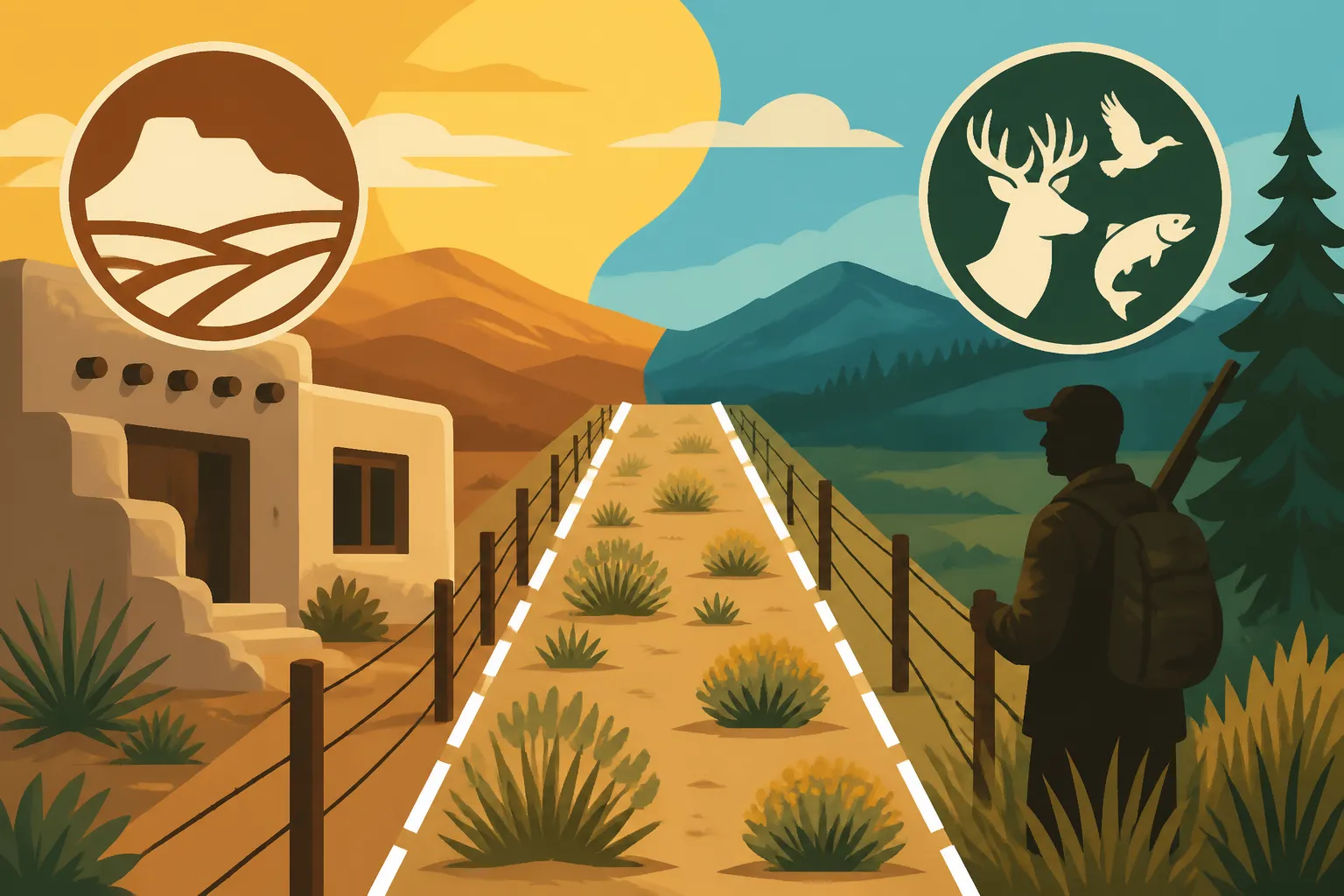
The easement agreement between the New Mexico State Land Office and the Department of Game and Fish was a landmark achievement for hunters in the state. It wasn't just a casual handshake; it was a formal, legally binding agreement designed to clarify and solidify access for specific recreational activities on State Trust Land. This agreement finally brought much-needed clarity to a situation that had long been a source of frustration for the hunting community.
The Genesis of the Agreement
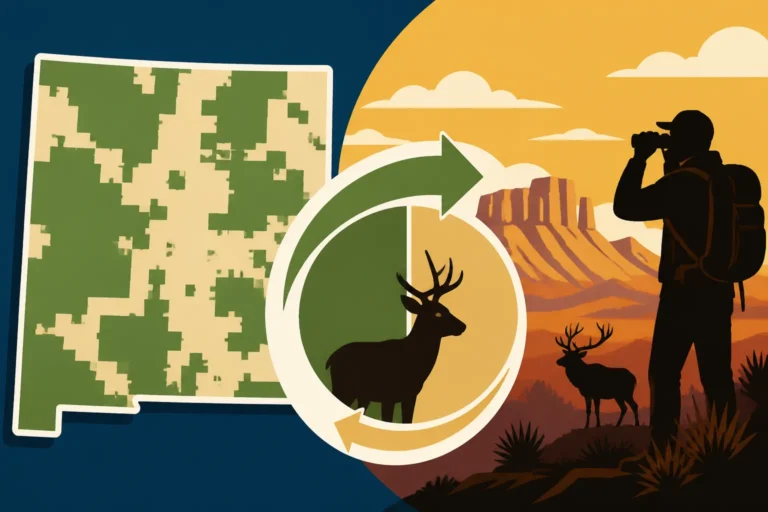
Before this agreement, hunters faced a significant hurdle: a large portion of New Mexico's land base, managed by the State Land Office, felt like a no-man's land for recreational access. You'd see these tempting swaths of green on a map, often interspersed with BLM or National Forest ground, but the rules for using them were vague at best. This created a situation where hunters were either unknowingly trespassing or simply avoiding these areas altogether, missing out on valuable hunting opportunities. The Land Office, with its mandate to generate revenue, wasn't explicitly set up to manage widespread public recreation in the same way federal agencies were.
Recognizing this critical access issue, the New Mexico Department of Game and Fish worked tirelessly with the State Land Office to forge a path forward. The goal was to establish a clear, statewide framework that would allow hunters holding valid licenses to access State Trust Lands for hunting and fishing, while still respecting the Land Office's mission and the rights of existing lessees. This negotiation was crucial because it formalized access, removing much of the previous ambiguity and ensuring that hunters could plan their trips with confidence, knowing they were on solid legal ground.
How the Easement Facilitates Hunting Access
At its heart, the easement agreement is quite simple yet incredibly powerful: it specifically grants individuals who hold a valid, current New Mexico hunting or fishing license the right to access State Trust Land for those licensed activities. This means that if you have a valid elk tag, deer tag, or even a small game license, that license acts as your "permit" to be on designated State Trust Lands for the dates and species covered by your tag. It's a direct, legal pathway to millions of acres that were previously shrouded in doubt.
It's vital to understand the scope of this access. The easement specifically covers hunting and fishing activities. This is not a carte blanche for general recreation. You can't just go out and camp, hike, or off-road on State Trust Land without a hunting or fishing license and without being actively engaged in those permitted activities, unless you have a separate recreational use permit from the State Land Office. The beauty of the easement is that it clarifies that activities directly related to hunting, such as scouting, tracking, and retrieving game, are also included as part of your licensed hunting privilege. This specific definition helps prevent misuse while securing legitimate access for sportsmen and women.
Practical Implications for Hunters on Trust Land
Understanding the legal framework of the easement is one thing, but knowing how it applies to your actual hunt is another. For hunters in New Mexico, this agreement fundamentally changes how we can plan and execute our trips, opening up vast new areas that might have once seemed inaccessible.
Your Hunting License as Your "Permit"
This is perhaps the most significant takeaway for any hunter looking at State Trust Land. Forget the need for a separate, expensive recreational permit from the Land Office specifically for hunting. If you possess a current, valid New Mexico hunting license, that piece of paper, or its digital equivalent, is your official authorization to be on State Trust Land for the purpose of hunting the species listed on your tag during the open season. This applies equally to residents and non-residents alike, making it a level playing field for everyone.
The key here is "valid and current." Ensure your license is up-to-date, and always carry it with you when you're on State Trust Land. Just like with any other public or private land, if you're approached by a game warden, Land Office employee, or a lessee, you should be able to produce your license and clearly articulate your purpose for being there. This small act of preparedness can prevent misunderstandings and ensure your hunt goes smoothly. Having your maps ready, clearly showing you're on State Trust Land, also goes a long way in demonstrating you know where you are and why. The game and fish license really does cover Does a Hunting License Cover Trust Land?.
Scouting Regulations and the 14-Day Window
Scouting is an integral part of any successful hunt, and thankfully, the easement extends to pre-season scouting activities on State Trust Land as well. However, there's a crucial limitation you absolutely need to be aware of: the "14-day rule." This means that you are permitted to scout on State Trust Land for up to 14 days immediately preceding the opening date of your valid hunting season. This isn't just a suggestion; it's a hard and fast rule that ensures pre-season activity doesn't interfere excessively with other land uses or create ongoing disturbances.
During this 14-day window, your activities should be limited to non-consumptive scouting. This generally means walking, observing, glassing, and looking for sign. Setting up permanent blinds or leaving equipment long-term outside of your actual hunt dates is typically not allowed and could lead to issues. It's all about being respectful of the land's primary purpose and avoiding activities that could be misconstrued as general recreation without the proper Land Office permit. So, mark those calendars, and remember that your opportunity for Scouting New Mexico State Trust Land Fourteen Days Out is specific, but incredibly valuable. This specific allowance is detailed further in The 14-Day Scouting Window on Trust Land.
Permitted Activities Beyond Hunting and Scouting
Beyond the act of physically hunting and the specific window for scouting, the easement also covers other related and essential activities. Perhaps the most important of these is retrieving downed game. No hunter ever wants to lose an animal, and the ability to track and recover game on State Trust Land is a critical component of ethical hunting. This means you can pursue a wounded animal onto State Trust Land, even if you weren't actively hunting on that specific parcel when you took the shot, as long as you adhere to all other regulations.
Other permitted activities include adhering to the specified New Mexico Legal Shooting Hours for Big Game during your hunt dates. It's all about respecting the parameters of your specific hunting license. What's not allowed, without additional specific permits from the State Land Office, often includes camping (unless explicitly allowed for a specific hunt, which is rare on Trust Land), extensive off-road vehicle travel beyond designated routes, or activities like collecting firewood or rock hounding. Remember, the easement is for hunting and directly related activities, not general outdoor recreation. Always assume if it's not directly related to your licensed hunt, it likely requires a separate permit from the State Land Office.
| Land Type | Primary Purpose | General Public Recreation Access (non-hunting) | Hunting/Scouting Access (with license) | Typical Road Access | Specific Hunting Rules to Check |
|---|---|---|---|---|---|
| State Trust Land | Revenue for beneficiaries | Often restricted, separate permit needed | Permitted via hunting license | Limited, administrative | 14-day scouting window, respect lessees |
| BLM Land | Multiple-use (grazing, recreation) | Generally open | Permitted via hunting license | More open, but seasonal | OHV rules, fire restrictions |
| National Forest | Multiple-use (timber, recreation) | Generally open | Permitted via hunting license | Variable, seasonal, backcountry | Wilderness rules, camping restrictions |
| Private Land | Owner's discretion | Restricted, permission always required | Permission always required | N/A | Written permission, specific agreements |
Navigating and Respecting State Trust Land
Once you understand that you can hunt State Trust Land, the next step is knowing how to navigate it effectively and, more importantly, respectfully. These lands are often checkerboarded with private and other public parcels, making boundary awareness paramount.
Identifying State Trust Land Boundaries
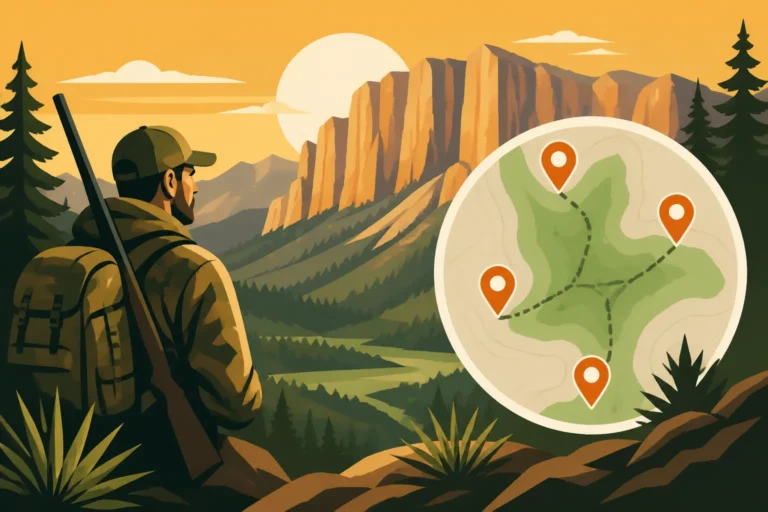
Accurately identifying State Trust Land boundaries is absolutely critical to a successful and legal hunt. Blindly wandering into an area marked as State Trust Land without knowing its exact borders could easily lead you onto adjacent private property, resulting in a trespass violation. This is where modern mapping technologies become indispensable. Digital mapping tools like onX Hunt have revolutionized how hunters interact with land ownership data. These apps provide detailed, color-coded land ownership layers that clearly delineate State Trust Land from private, BLM, and National Forest ground. I'd never head out into New Mexico's wild country without checking my onX Hunt app first.
While apps are fantastic, it's also a good practice to cross-reference with official maps whenever possible. The New Mexico State Land Office website often has mapping resources, and the New Mexico Department of Game and Fish provides unit maps that can help in identifying larger blocks of Trust Land. Understanding Reading a New Mexico Unit Boundary Map and downloading official unit layers onto your GPS or phone before you leave cell service is a non-negotiable step. Always remember that technology can fail, so having a basic understanding of physical landmarks and how they correspond to boundaries is also valuable.
Respecting the Land and Its Primary Purpose
Even with the easement in place, it’s essential to remember the unique nature of State Trust Land: its primary purpose is revenue generation. This means that while you have hunting access, you are sharing the land with other authorized users, most commonly agricultural lessees who use the land for grazing livestock. This demands an elevated level of respect and adherence to "leave no trace" principles. Proper waste disposal, packing out everything you pack in, and minimizing your impact on the landscape are not just good ethics; they're crucial for maintaining the privilege of access.
You'll often encounter fences, gates, and water infrastructure like stock tanks on State Trust Land. Always leave gates as you found them – if it was closed, close it behind you; if it was open, leave it open. Never damage fences or other property. Livestock are common, so be aware of their presence and avoid disturbing them. Water sources, especially in the arid regions of New Mexico, are vital for both wildlife and livestock. Understanding the ethics around Water Sources and Ethics in Desert Hunting on these lands is crucial. Showing this respect helps ensure that the easement remains viable and that future generations of hunters continue to have access.
Understanding Road Access and Closures
Road access on State Trust Land can be a tricky business. Unlike some BLM or Forest Service roads that are maintained for general public access, roads on Trust Land are often designed for administrative use, oil and gas operations, or access by agricultural lessees. This means they might be less maintained, and importantly, public motorized vehicle access may be restricted to designated routes only. Driving off-road is almost always prohibited and can result in significant fines and damage to fragile desert ecosystems.
Always refer to your maps for designated routes and understand that seasonal or temporary closures can occur. Heavy rains, especially during monsoon season, can make some roads impassable, and the State Land Office or Game and Fish Department may close certain areas for various management reasons. It's always a good idea to check with the New Mexico Department of Game and Fish website for any specific advisories or closures in the unit you plan to hunt. Adhering to Motorized Travel Rules on New Mexico Public Land is essential not only for legality but for ensuring you don't get stuck miles from anywhere. When in doubt, assume foot travel is the safest and most responsible option.
Challenges, Misconceptions, and Best Practices
Despite the clear terms of the easement agreement, hunters still sometimes encounter challenges or hold onto old misconceptions about State Trust Land. Being well-informed and prepared is your best defense against potential issues and helps ensure a smooth and enjoyable hunt.
Common Misconceptions About Trust Land Access
One of the most persistent misconceptions is that State Trust Land is essentially "private land" and requires specific, separate permission from a rancher or the Land Office beyond your hunting license. While it certainly operates differently than federal public land, the easement explicitly grants you access for hunting. Another misconception is that you need a special "recreational use permit" from the State Land Office just to hunt. While such permits exist for general recreational activities, your hunting license is your permit for hunting-related access. This distinction is vital.
It's also a mistake to assume all rules that apply to BLM or National Forest land automatically apply to State Trust Land. The rules, particularly regarding camping, target shooting, or extended vehicle use, can be more restrictive. This highlights the ongoing need for vigilance and doing your homework for the specific unit you're hunting. Always remember that the easement is a privilege, not an absolute right to use the land however you wish. By understanding these nuances, we can all contribute to positive interactions and ensure access for future generations.
What to Do in Case of Conflict or Confusion
Even with the easement, you might occasionally encounter situations that cause confusion or lead to conflict. Perhaps a lessee questions your presence, or you stumble upon signage that seems to contradict your understanding of the rules. The best approach in these situations is always to remain polite, calm, and informed. Have your hunting license readily available, and be prepared to show your maps (especially if using a tool like onX Hunt) to clearly demonstrate you know you are on State Trust Land and are engaged in a legal hunting activity.
If you encounter a verbal challenge from a rancher or lessee, explain that you are hunting on State Trust Land under the easement agreement with a valid hunting license. If they persist or threaten to involve law enforcement, politely disengage and, if possible, move to a different area. Document the interaction if you feel it's necessary (time, date, location, description of the individual). Your next step should be to contact the New Mexico Department of Game and Fish. They are the primary enforcers of hunting regulations and can clarify any specific access issues. The State Land Office is also a resource for land ownership inquiries. Armed with information and a calm demeanor, you can often de-escalate these situations and find resolution.
Maximizing Your Hunting Success on Trust Land
State Trust Lands, with their often-fragmented nature and varied terrain, can be incredibly productive for hunting if you know how to approach them. Many of these parcels receive less pressure than contiguous blocks of federal land precisely because of the historical confusion surrounding access. This makes them prime candidates for savvy hunters willing to do their homework. Start with thorough E-Scouting a New Mexico Unit Before the Season using digital mapping platforms like GoHunt or onX Hunt. Look for isolated parcels that might be harder to reach, or those that border larger tracts of private land where game might find refuge.
Consider how game animals move between different land types. A small patch of State Trust Land might be a critical travel corridor or a watering hole (remember Water Sources and Ethics in Desert Hunting) that connects larger habitat areas. Focus your scouting efforts on understanding these connections. Because these lands are often interspersed with private property, understanding How Much Public Land New Mexico Holds in your target unit and how it’s configured is crucial. By combining your knowledge of the easement with smart e-scouting and a commitment to respectful land use, you can unlock incredible hunting opportunities on New Mexico's State Trust Lands.
Disclaimer
This article is for general informational purposes only and does not constitute professional advice. Laws, prices and regulations vary by location and change over time. Consult a qualified professional for guidance on your specific situation.