Do Both Oryx Sexes Carry Horns?
New Mexico oryx bulls and cows both carry permanent horns exceeding thirty inches, making field identification challenging for hunters.
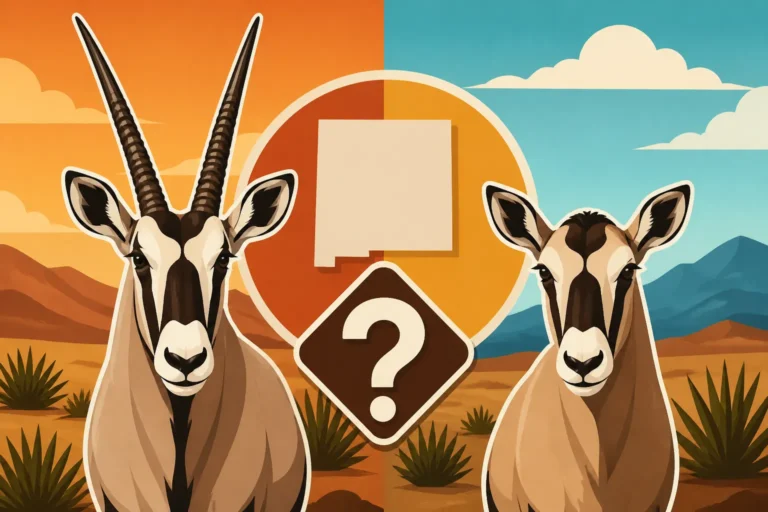
New Mexico oryx bulls and cows both carry permanent horns exceeding thirty inches, making field identification challenging for hunters.
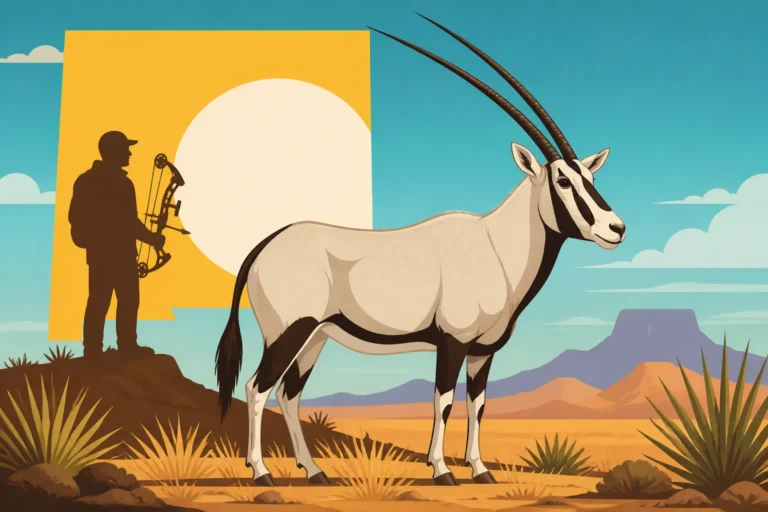
Mature New Mexico oryx bulls reach substantial body weights, stand tall at the shoulder, and grow impressive spearlike horns.
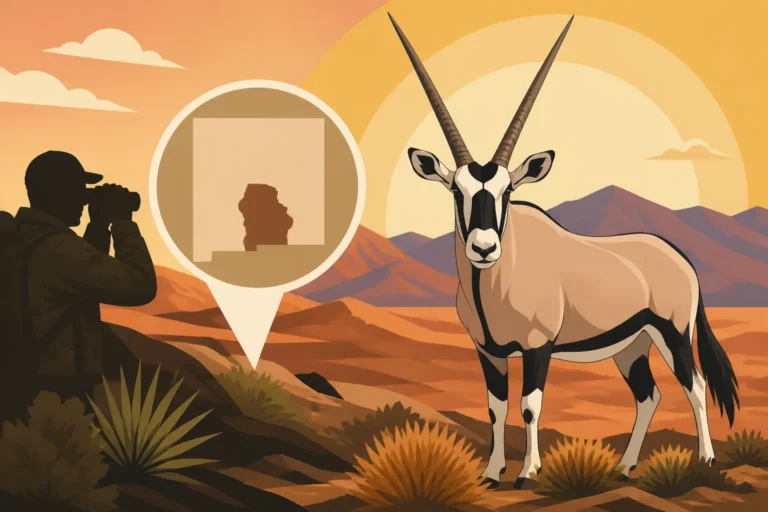
New Mexico off-range oryx populations outside White Sands Missile Range, including their 1960s African origin and game management units.
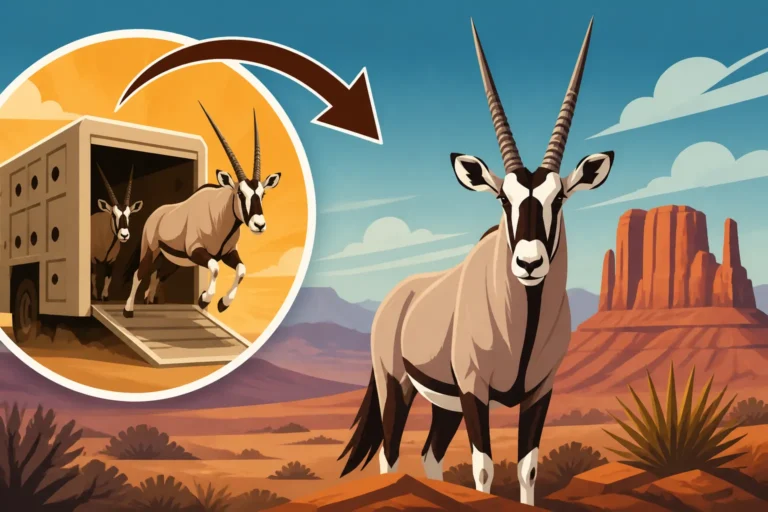
New Mexico wildlife managers introduced African gemsbok to southern desert habitats during the late 1950s for big game hunting.
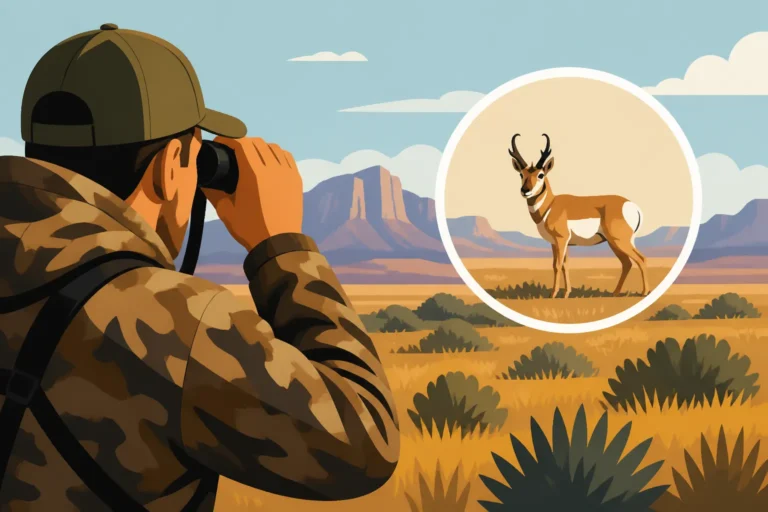
Pronghorn buck field judging methods help New Mexico hunters evaluate horn height and mass through heat haze and distance.
New Mexico pronghorn draw odds explain application mechanics, resident challenges, and non-resident tag limits for hunters.
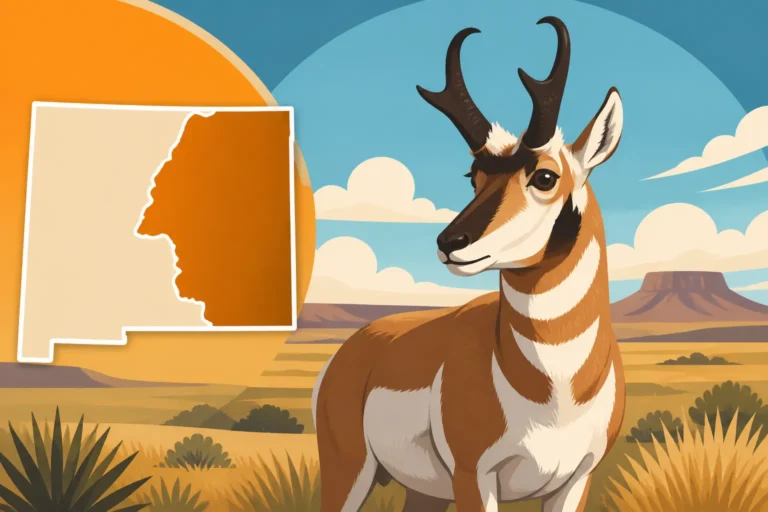
Pronghorn hunting on New Mexico Eastern Plains units requires understanding habitat, scouting tactics, and effective strategies to fill tags.
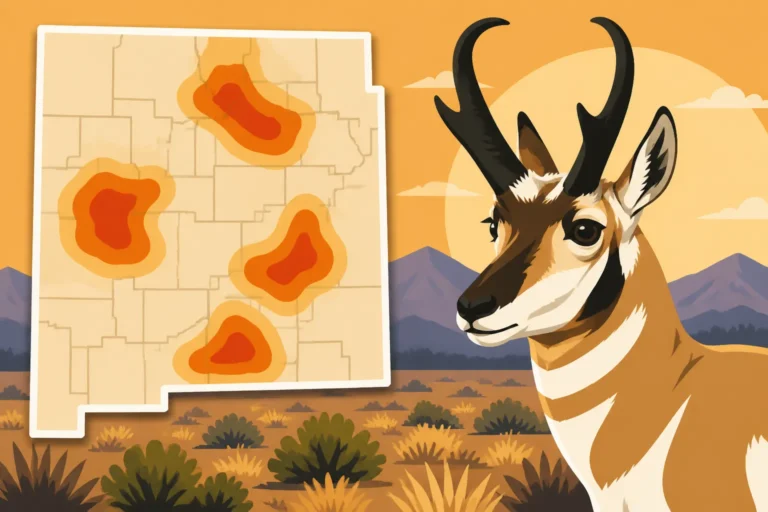
New Mexico pronghorn populations thrive in east-central units 40 through 45 on the eastern plains, offering hunters strong numbers and prime habitat.
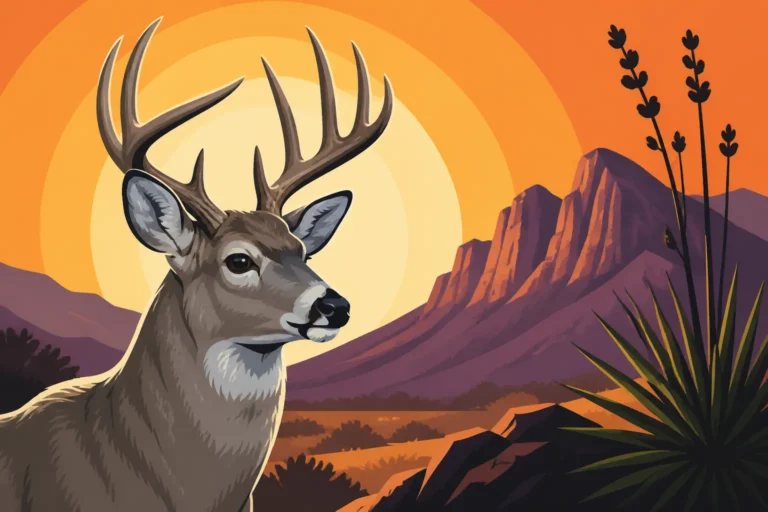
Coues deer breeding cycles in New Mexico feature distinct pre-rut, seeking, chasing, and tending phases with unique buck behaviors.
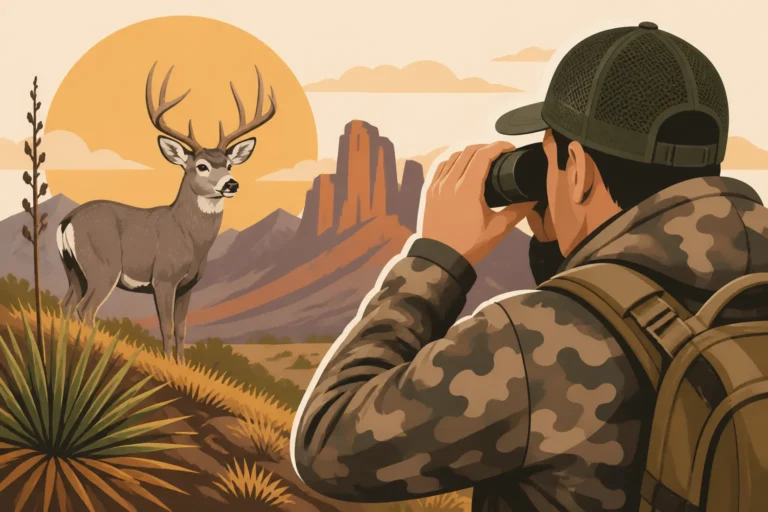
Field judging a Coues buck helps hunters assess antlers on a 100 to 120 pound deer body to make accurate shoot or pass decisions.